Arrow Speed Vs Pound Bow Traditional: Which Matters Most?
Archery has been practiced for thousands of years, but the relationship between arrow speed and bow poundage, especially with traditional bows, remains a source of fascination and confusion for many. Whether you’re a beginner holding your first longbow or an experienced archer looking to fine-tune your setup, understanding how these two factors work together can transform your results. This article clears up myths, provides real-world advice, and explains the science in simple terms. You’ll learn how to choose the right bow poundage for your needs, how arrow speed affects performance, and what other factors matter that most archers overlook.
This guide is part of our Archery basics: beginner guide to bows and shooting series.


Understanding Traditional Bows And Poundage
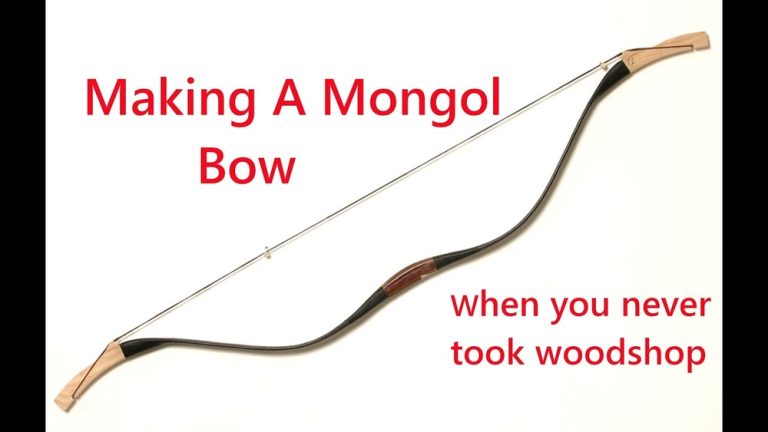
Traditional bows, such as longbows and recurves, rely on the archer’s strength. Unlike modern compound bows, they have no pulleys or cams to help hold the draw weight. The poundage of a bow is the force needed to pull the string back to a certain distance, usually 28 inches. A 40-pound recurve, for example, requires 40 pounds of force at full draw.
Why does poundage matter? Higher poundage bows shoot arrows faster and flatter but are harder to draw and hold. Lower poundage bows are easier to use but result in slower arrow speeds and more arched trajectories. This balance is essential in traditional archery, where efficiency, comfort, and accuracy all compete.
How Bow Poundage Is Measured
Bow poundage is almost always measured at a standard draw length, commonly 28 inches. If you draw further or less, the actual poundage changes. For every inch above 28″, you can expect about 2, 3 pounds more draw weight, depending on the bow’s design.
For instance, drawing a 40-pound bow to 30 inches might actually require about 44, 46 pounds of force.
Traditional Bows Vs. Modern Compounds
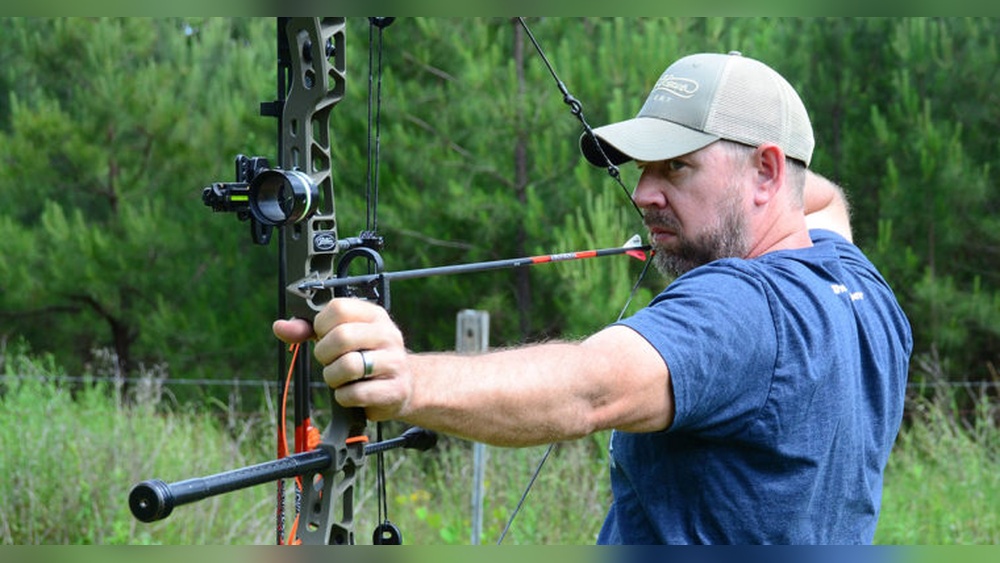
Traditional bows are less efficient than modern compound bows. Compounds can shoot faster with the same poundage, thanks to mechanical advantage and advanced materials. In traditional archery, arrow speed relies much more directly on the archer’s strength and the bow’s design.
The Science Of Arrow Speed
Arrow speed is measured in feet per second (fps). It’s a key factor for accuracy, penetration, and even the type of shooting you can do. Faster arrows travel flatter and reach targets quicker, reducing the effect of wind and gravity. But speed is not everything.
What Affects Arrow Speed?
Several elements influence how fast your arrow flies:
- Bow poundage: More force = more speed (up to a point).
- Arrow weight: Lighter arrows go faster; heavier arrows go slower but hit harder.
- String material: Modern strings add speed compared to traditional materials.
- Draw length: Longer draws increase speed, as you’re storing more energy.
Other variables include weather, shooting form, and even the type of release. But the relationship between poundage and speed is the most direct and often discussed.
Measuring Arrow Speed
Most archers use a chronograph to measure fps. You shoot through the device, and it instantly displays your arrow’s speed. This is the only reliable way to compare setups.
The Relationship Between Bow Poundage And Arrow Speed
It’s tempting to think “higher poundage = faster arrows = better performance. ” The reality is more nuanced, especially for traditional bows.
How Poundage Increases Arrow Speed
For every increase in bow poundage, arrow speed also increases, up to a limit. For example, a 35-pound recurve might launch a 400-grain arrow at 150 fps, while a 50-pound recurve might send the same arrow at 180 fps. However, the rate of speed increase slows down as poundage climbs. This is due to diminishing returns: the bow and archer’s efficiency can’t keep up forever.
Example: Poundage Vs. Arrow Speed
Here’s a general comparison for a common arrow weight (400 grains) and average recurve bow:
| Bow Poundage | Arrow Speed (fps) |
|---|---|
| 30 lbs | 135 |
| 35 lbs | 150 |
| 40 lbs | 160 |
| 45 lbs | 170 |
| 50 lbs | 180 |
*Note: These are rough averages. Real numbers depend on draw length, bow efficiency, and arrow construction.*
The Point Of Diminishing Returns
After about 50, 55 pounds, most traditional bows become less efficient. The extra poundage results in only small gains in arrow speed, but much more stress on the archer. For example, jumping from 50 to 60 pounds might only gain 10 fps, but the bow feels much harder to draw and shoot accurately.
Arrow Weight: The Overlooked Factor
Many archers focus only on poundage, but arrow weight is just as important. Traditional wisdom recommends arrows that weigh between 8, 10 grains per pound of draw weight for best efficiency and safety. So, a 40-pound bow should use arrows weighing 320, 400 grains.
Lighter Vs. Heavier Arrows
- Lighter arrows (fewer grains per pound) fly faster, shoot flatter, but can be noisy and may stress the bow.
- Heavier arrows (more grains per pound) fly slower, drop more, but hit harder and are quieter.
Example: Arrow Weight And Speed
| Arrow Weight | Speed from 40 lb Bow (fps) |
|---|---|
| 300 grains | 175 |
| 400 grains | 160 |
| 500 grains | 145 |
A heavier arrow can actually improve accuracy at close ranges and delivers more energy to the target, which matters for hunting.
Choosing The Right Poundage For Your Needs
Selecting the right poundage is a balance between performance and comfort. Many archers, especially beginners, overestimate how much weight they can handle.
Guidelines For Choosing Bow Poundage
- Adults new to archery: Start with 25, 35 lbs for recurves or longbows.
- Experienced archers: 35, 45 lbs is common for target shooting.
- Hunting: Many states require a minimum of 40 lbs, but 45, 55 lbs is often chosen for larger game.
The right poundage is one you can draw smoothly, hold at full draw for several seconds, and shoot accurately for a full session.
Pro Tip: If you struggle to draw your bow or your accuracy drops after a few shots, the poundage is likely too high.
How Arrow Speed Affects Your Shooting
Arrow speed isn’t just about raw numbers. It affects every aspect of shooting, from aiming to impact.
Trajectory And Point-on Distance
A faster arrow flies flatter, so you don’t have to aim as high to hit distant targets. The point-on distance, where your arrow hits the target when the tip is aimed directly at it, increases with speed. This makes shooting at different distances easier.
Wind Drift
Faster arrows spend less time in the air, so wind has less effect. This is important for field archery or outdoor competitions.
Penetration And Energy
Higher arrow speed increases kinetic energy, but arrow weight matters too. For hunting, a balance between speed and mass is best. Too light, and the arrow may not penetrate deeply; too heavy, and the speed drops too much.
Forgiveness And Consistency
Slower, heavier arrows can be more forgiving. They “absorb” small mistakes in release or form, and their flight is often more stable. Small gains in speed rarely improve scores unless your form is already excellent.
Key Factors Beyond Poundage And Speed
Many beginners focus only on the numbers but miss other crucial elements that affect performance.
Arrow Spine
The spine of an arrow is its stiffness. If the spine is too weak or too stiff for your bow’s poundage, accuracy suffers. Always match arrow spine to your bow’s draw weight.
Bow Efficiency
Not all bows are equal. Two bows of the same poundage can have different speeds due to their design, limb material, and string. Traditional bows made with modern materials can be noticeably faster.
Shooting Form
Even with the best setup, poor form kills accuracy and speed. Consistent anchor points, smooth release, and good follow-through matter more than 5, 10 extra fps.
Environmental Factors
Temperature, humidity, and altitude all affect arrow flight. Higher humidity or altitude can speed up arrows slightly, while cold weather may slow them down. These changes are minor but noticeable for advanced archers.
Real-world Examples And Scenarios
Let’s look at a few scenarios that show how these principles work in practice.
Scenario 1: Target Archery
A 30-pound recurve with 350-grain arrows may shoot at 140 fps. This setup is comfortable for long practice sessions, but aiming at 40 meters requires a significant sight adjustment due to the arched trajectory.
Scenario 2: Bowhunting
A 45-pound traditional bow with 450-grain arrows might achieve 160 fps. This combination gives enough energy for medium game and a flatter trajectory, making shots at 20, 30 yards more straightforward.
Scenario 3: Youth Archery
A 20-pound bow with lightweight (250-grain) arrows gives around 110 fps. This is slow, but for short distances, it’s safe and manageable for young archers learning good form.
Comparing Traditional Bows By Poundage And Speed
Here’s a summary showing typical speeds for different bow types and poundages, using a standard arrow weight of 9 grains per pound:
| Bow Type | Poundage | Average Speed (fps) |
|---|---|---|
| Longbow | 35 lbs | 140 |
| Longbow | 45 lbs | 155 |
| Recurve | 35 lbs | 150 |
| Recurve | 45 lbs | 165 |
Recurves tend to shoot slightly faster than longbows at the same poundage because of their limb design.
Common Myths And Mistakes
Myth 1: Higher Poundage Is Always Better
Many believe that more draw weight means better shooting. In reality, too much poundage can ruin your form and cause injury. It’s better to shoot a lighter bow well than a heavy bow poorly.
Myth 2: Speed Solves All Problems
Speed helps, but it won’t fix bad form, poor tuning, or mismatched arrows. Focus on consistency and technique first.
Mistake 1: Ignoring Arrow Spine
Using arrows that are too weak or stiff for your bow can make tuning impossible and hurt your results.
Mistake 2: Overlooking Comfort
Archery is a repetitive sport. If your bow is uncomfortable to shoot for a full round, you’ll lose accuracy and enjoyment.
Practical Tips For Balancing Arrow Speed And Bow Poundage
- Test different setups: Try bows of several poundages and arrows of various weights to find what feels best.
- Prioritize accuracy: Consistent grouping beats raw speed.
- Match arrows carefully: Use an arrow spine chart or calculator to select arrows suited to your bow.
- Tune your equipment: Adjust nocking point, brace height, and arrow length for best flight.
- Don’t rush to increase poundage: Only move up when you can shoot your current bow comfortably and accurately for extended sessions.
When To Increase Or Decrease Bow Poundage
If you find your arrows dropping more than expected or struggling in the wind, a slight increase in poundage may help. If you feel pain, fatigue, or notice your accuracy slipping, drop the weight. Listen to your body.
Warning: Always warm up before shooting higher poundage bows, and stop if you feel any joint or muscle pain.
How To Accurately Measure And Compare Arrow Speed
If you’re serious about tuning your setup, use a chronograph at your local range or archery shop. Measure several shots to get an average. Take notes on your bow type, draw length, and arrow details for reference.
If you don’t have access to a chronograph, you can estimate speed using arrow drop at known distances, but this is much less accurate.
Why Traditional Archery Is Unique
Traditional archery is about more than numbers. It’s a blend of history, skill, and personal challenge. Unlike compounds, where technology can mask form mistakes, traditional bows demand good technique. The right balance of arrow speed and poundage makes the experience rewarding and safe.
A well-tuned 35-pound recurve with heavy arrows feels smoother and more consistent than a 50-pound bow with light arrows. Even though the lighter setup was slower, my scores were higher because I could shoot longer and with better focus.
Frequently Asked Questions
How Does String Material Affect Arrow Speed In Traditional Bows?
Modern string materials, like Fast Flight, can increase arrow speed by 5, 10 fps compared to older materials such as Dacron. They stretch less and transfer energy more efficiently to the arrow. However, not all traditional bows are built to handle these modern strings, so check with the manufacturer or a bowyer before switching.
Is There A Minimum Arrow Speed Needed For Ethical Hunting?
There’s no universal minimum, but most experts recommend an arrow speed of at least 150 fps with a heavy enough arrow for medium game. This ensures enough kinetic energy for penetration. Always check local hunting laws and consider both speed and arrow weight for ethical shots.
Can I Increase Arrow Speed By Lengthening My Draw?
Yes, increasing your draw length adds power and speed, as the bow stores more energy. For every extra inch of draw, you might gain 5, 10 fps. But make sure your arrows are long enough for safety, and don’t overdraw beyond your comfortable limit.
How Much Does Brace Height Affect Arrow Speed?
A lower brace height (the distance from string to bow grip) can slightly increase arrow speed, usually by 2, 5 fps, because the arrow stays on the string longer. However, too low a brace height can cause poor arrow flight and noise. Tune brace height for the best balance of speed and stability.
Are Traditional Bows Safe To Shoot At High Poundages?
Traditional bows are safe at high poundages if they are well-made and not damaged. However, shooting above 60 lbs is only recommended for very experienced archers with proper strength and technique. Overbowing can lead to injuries or loss of accuracy.
If you’re interested in the physics behind archery safety, you can read more at