What Size Traditional Bow Do I Need? Expert Guide to Choosing
Choosing the right size for a traditional bow can make the difference between a fun, accurate shooting experience and one full of frustration. Whether you’re a beginner, a seasoned archer, or just curious about traditional archery, understanding bow sizing is essential. Many new archers pick a bow that is too heavy or too long, leading to poor form and even injuries. This guide will help you discover exactly what size traditional bow you need, why it matters, and how to select the best fit for your body and goals.
This guide is part of our Archery basics: beginner guide to bows and shooting series.
Traditional bows, like recurves, longbows, and flatbows, do not have the adjustment features of modern compound bows. That means the size you choose will set the foundation for your technique, comfort, and progress. This article walks you through the key factors, pitfalls to avoid, and practical steps to size a traditional bow correctly.
Along the way, you’ll find useful tables, real-world examples, and expert tips that many beginners miss.
Why Bow Size Matters In Traditional Archery
The size of your traditional bow affects almost every part of your shooting. A bow that’s too long can be unwieldy and slow to aim, while one that’s too short might not draw smoothly and can be hard to control. Both lead to poor accuracy and a less enjoyable experience.
Proper bow sizing helps you:
- Draw smoothly to your anchor point
- Maintain good shooting form
- Avoid muscle strain and injury
- Shoot more accurately and consistently
I’ve seen many archers struggle for years with a bow that was too big or heavy, not realizing the problem was simply the wrong size. Choosing the right bow length and draw weight from the start makes learning archery much more rewarding.
Key Factors In Choosing Bow Size
Before you buy or borrow a traditional bow, you’ll need to know two things: your draw length and the type of archery you plan to do.
1. Draw Length
Your draw length is the distance from the back of the bow grip to the string when you’re at full draw. Most adults have a draw length between 26 and 30 inches. The right draw length ensures you can pull the string comfortably and release with control.
- If the bow is too short for your draw length, you’ll have a “stacking” effect, extra resistance at the end of your draw, which is uncomfortable and reduces accuracy.
- If the bow is too long, it may feel slow and less responsive.
Pro Tip: Don’t guess your draw length. Measure it. The most common method is the “wingspan divided by 2.5” formula.
How To Measure Your Draw Length
- Stand with your arms outstretched, palms facing forward.
- Measure the distance from the tip of one middle finger to the other (your wingspan).
- Divide this measurement (in inches) by 2.5.
Example: If your wingspan is 70 inches, your draw length is 28 inches (70 ÷ 2.5).
2. Bow Type And Style
Traditional bows come in several styles, each with different sizing considerations:
- Recurve Bows: Curved limbs for more power in a shorter bow. Common for target archery and hunting.
- Longbows: Straight, tall bows with smooth draw. Classic and often preferred for historical archery.
- Flatbows: Wider limbs, typically similar in sizing to longbows.
Each style has different optimal lengths for a given draw length.
3. Intended Use
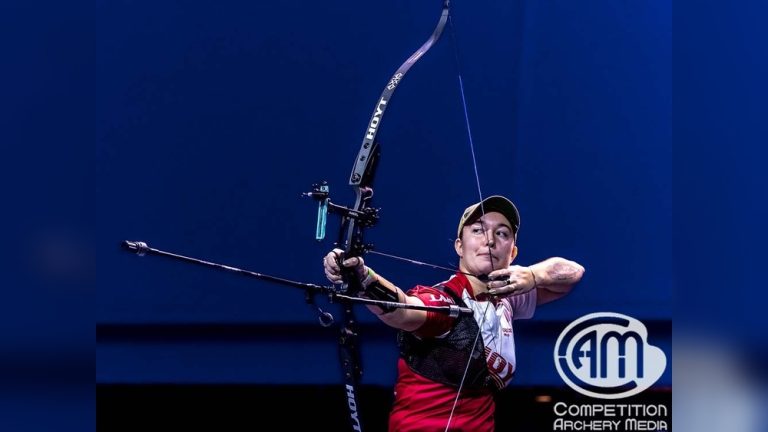
- Target Archery: Longer bows (between 66, 72 inches) are popular for their stability and accuracy.
- Field/3D Archery: Medium-length bows (62, 68 inches) balance portability and performance.
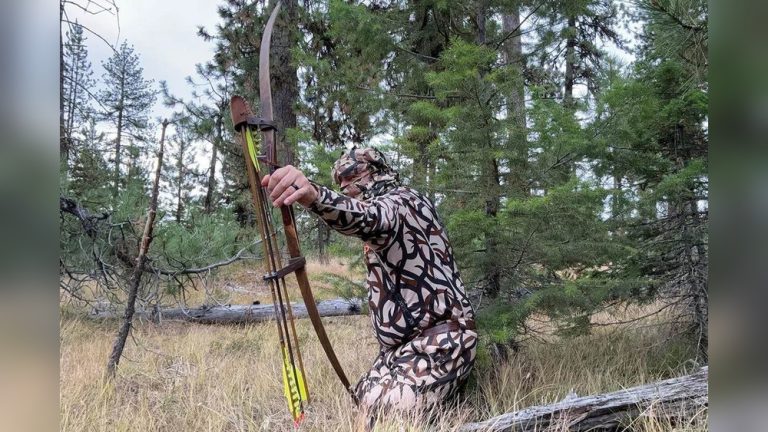
- Hunting: Shorter bows (54, 62 inches) are easier to maneuver in the woods.

Credit: junxing-archery.com
Bow Length Recommendations By Draw Length
The most important rule: The longer your draw length, the longer your bow should be.
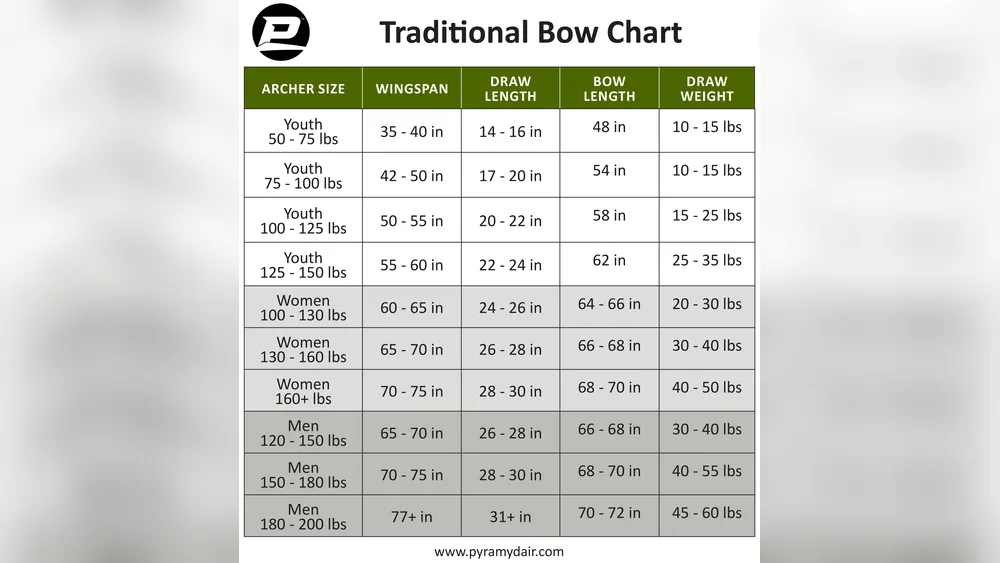
Here’s a quick reference chart to match draw length to bow length for recurves and longbows:
| Draw Length (inches) | Recurve Bow Length (inches) | Longbow Length (inches) |
|---|---|---|
| Under 24 | 58, 62 | 64, 66 |
| 24, 26 | 62, 64 | 66, 68 |
| 26, 28 | 64, 66 | 68, 70 |
| 28, 30 | 66, 68 | 70, 72 |
| Over 30 | 68, 70 | 72, 74 |
Note: These are general guidelines. Some archers prefer longer or shorter bows for personal reasons, but staying within these ranges avoids most issues.
Matching Bow Draw Weight To Your Size And Strength
Draw weight is how much force you need to pull the string back to your anchor point. For traditional bows, this is measured at a standard draw length, typically 28 inches.
Choosing the right draw weight is just as important as getting the correct length. A bow that’s too heavy can cause poor form, quick fatigue, and even injury. Too light, and you may not develop good shooting habits or have enough arrow speed for hunting.
Recommended Draw Weights
Here’s a simple guideline for beginners:
| Archer Type | Suggested Draw Weight (lbs) |
|---|---|
| Youth (age 8, 12) | 10, 20 |
| Teen (age 13, 18) | 15, 25 |
| Adult Female | 20, 35 |
| Adult Male | 25, 40 |
| Strong/Experienced Archer | 40+ |
Warning: If you’re new to archery, always start lower than you think. Good form is more important than power. For most adults, 25, 30 lbs is ideal for learning. You can always move up in weight as your technique improves.
How Draw Weight Changes With Draw Length
Traditional bows are usually rated at 28 inches of draw. If your draw length is longer, the effective draw weight will be higher; if it’s shorter, the weight will be less.
Example: If you have a 30-inch draw and the bow is rated at 30 lbs at 28 inches, your actual draw weight could be closer to 32, 34 lbs.
Pro Tip: Check with the bow maker or retailer about how their bows scale with draw length, especially if your draw is much shorter or longer than 28 inches.
Sizing For Different Bow Types
Recurve Bows
Recurve bows are the most popular style for beginners and target shooters because they’re forgiving and efficient. The right recurve bow size balances between length and weight for your frame.
- Longer recurves (66, 70 inches) are better for stability and smoothness, especially for tall archers or those with longer draws.
- Shorter recurves (58, 62 inches) are lighter and easier to handle for smaller shooters or hunting in thick cover.
Longbows
Longbows are classic and require a bit more careful sizing. A longbow that’s too short will feel stiff and stack early.
- Tall archers (over 6 feet or with a draw length over 29 inches) should choose bows over 70 inches for best results.
- Average adults do well with 66, 70 inch longbows.
Flatbows
Flatbows are sized similarly to longbows. They have wider limbs but the same basic rules apply.
Example: When I tested a 64-inch flatbow with my 28-inch draw, it felt just right. But a 60-inch version felt harsh at full draw.
Youth And Junior Sizing
Kids and teens need special consideration. Their arms and strength are still developing, and using an oversized or heavy bow can cause injury or make them lose interest quickly.
Tips for sizing youth bows:
- Measure wingspan and divide by 2.5 for draw length.
- Choose the lowest draw weight that allows good form and control.
- Look for lightweight, shorter bows for easier handling.
Warning: Never “buy big so they grow into it”, this leads to poor form and frustration.
Sizing By Purpose: Target, Hunting, And Field Archery
Your intended use affects the ideal bow size.
Target Archery
- Bow length: 66, 72 inches for maximum accuracy
- Draw weight: 20, 30 lbs for practice and competition
- Why: Longer bows are more stable and forgiving, letting you shoot with precision.
Hunting
- Bow length: 54, 62 inches for maneuverability in the woods
- Draw weight: 35+ lbs (check local laws for minimum hunting weights)
- Why: Shorter bows are easier to move through brush. You need enough power for ethical kills.
Field/3d Archery
- Bow length: 62, 68 inches for a balance of stability and portability
- Draw weight: 25, 35 lbs, depending on target distance and personal strength
- Why: Medium-length bows are comfortable for walking courses and shooting from awkward positions.
Common Sizing Mistakes And How To Avoid Them
Many archers, especially beginners, make mistakes when sizing their first traditional bow. Here are some pitfalls and how to prevent them:
- Guessing Draw Length: Always measure; don’t estimate based on height alone.
- Choosing Too Much Draw Weight: Start lighter to learn good form; you can increase weight later.
- Buying a Bow That’s Too Short: Leads to stacking and can damage the bow.
- Ignoring Intended Use: A hunting bow may not be ideal for target archery.
- Not Factoring in Arrow Length: Your arrows should be 1, 2 inches longer than your draw for safety.
Pro Tip: Visit a local archery shop for hands-on help. Trying a few bows before buying is the best way to find your fit.

Credit: aschamoaks.com
How To Test Bow Size Before You Buy
If you can, shoot several bows in different sizes. Here’s how to test:
- Draw the bow fully and see if you can reach your anchor point smoothly
- Hold at full draw for a few seconds, does it feel comfortable or shaky?
- Release a few arrows, do they fly straight, or do you struggle with control?
- Is the bow noisy or hard to manage? That’s a sign it may be too short or too stiff.
Some shops offer “try before you buy” programs, letting you rent or borrow different sizes.
Sizing For Left- And Right-handed Archers
Your dominant eye and hand determine which side of the bow you should shoot from. Sizing is the same for left- and right-handed bows, but make sure you choose the correct orientation for your body.
- Right-handed: Hold the bow with your left hand, draw with your right.
- Left-handed: Hold with right, draw with left.
Pro Tip: Your dominant eye is more important than your dominant hand for aiming. Test your eye dominance before buying.

Credit: bobleebows.com
Traditional Bow Size Comparison Example
To see the difference bow size makes, here’s a comparison of three archers with different body types and needs:
| Archer | Height | Draw Length | Preferred Bow Length | Purpose |
|---|---|---|---|---|
| Sarah (Beginner) | 5’4″ | 26″ | 62″ Recurve | Target |
| Mike (Hunter) | 6’0″ | 29″ | 60″ Recurve | Hunting |
| James (Traditionalist) | 5’10” | 28″ | 68″ Longbow | Field/3D |
Sarah uses a longer recurve for target accuracy, Mike picks a shorter bow for maneuvering while hunting, and James prefers a classic longbow for field archery.
Non-obvious Insights For Traditional Bow Sizing
- Bow length affects arrow flight noise and forgiveness. Longer bows often shoot more quietly and with less hand shock, important for both hunting and sensitive competitions.
- Different bowyers measure bow length differently. Some measure along the belly, some along the back. Always clarify the method when ordering a custom bow.
- Limb design can change effective length. For example, a recurve with very aggressive curves might perform like a longer bow. Ask the maker or shop for advice on specific models.
When To Change Bow Size
As your skills improve or your body changes, you may need a different size. Signs you should switch:
- You consistently overdraw or underdraw your bow
- You struggle with fatigue, pain, or poor accuracy even after months of practice
- Your archery style or purpose changes (e.g., moving from target to hunting)
Example: When I switched from target archery to bowhunting, I moved from a 68-inch recurve to a 60-inch model. A shorter bow is easier to carry in the woods, but keep the draw weight moderate for accuracy.
Where To Find More Information
For deeper research, visit the Wikipedia Bow (archery) page, which covers bow history, types, and technical details.
Frequently Asked Questions
What Happens If I Use A Bow That’s Too Short For My Draw Length?
A bow that’s too short will “stack” at full draw, meaning it gets very hard to pull and can cause hand shock. This reduces accuracy, causes fatigue, and can even damage the bow over time.