What is the Farthest Arrow Shot With Traditional Bow? Record Revealed
Throughout history, the bow and arrow have been tools for survival, sport, and competition. For many, traditional archery holds a unique fascination. There’s something pure about drawing a wooden bow and releasing an arrow, relying on skill and instinct rather than modern technology. Among all archery feats, one stands out: the farthest arrow shot with a traditional bow. This achievement is not just about strength, it’s a blend of technique, equipment, and deep understanding of physics. Let’s explore the records, the science, the people, and the passion behind this remarkable accomplishment.
Defining A Traditional Bow
Before discussing records, it’s important to define what counts as a traditional bow. In archery, equipment can range from highly engineered modern compounds to the most basic self bows.
A traditional bow is typically:
- Made from natural materials like wood, horn, or sinew.
- Has no modern accessories such as sights, stabilizers, or pulleys.
- Includes types like the longbow and the recurve bow (without modern enhancements).
Some archery organizations allow limited modifications, but the spirit of traditional archery is to keep the design simple and authentic. This definition excludes compound bows and crossbows, which use pulleys or mechanical aids.
The Farthest Arrow Shot: The Official World Record
The world record for farthest arrow shot with a traditional bow is a topic that inspires debate, pride, and curiosity. The most widely recognized achievement comes from the sport of flight archery, where the goal is pure distance.
Harry Drake’s Legendary Shot
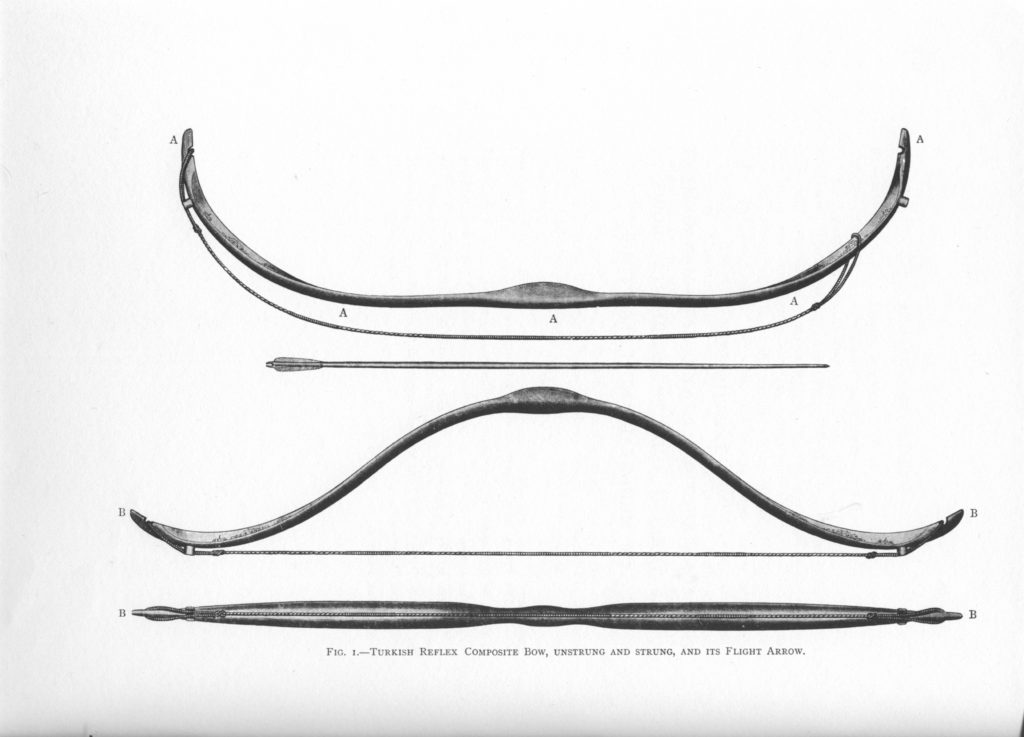
According to historical records, the farthest arrow shot with a traditional foot bow was made by Harry Drake, an American archer and bowyer. On October 24, 1971, at the Ivanpah Dry Lake in California, Drake shot an arrow 2028 yards (1.15 miles or 1854 meters) using a traditional Turkish-style composite foot bow. This feat is still referenced in the Guinness World Records as one of the longest traditional shots ever made.
Harry Drake’s bow was a carefully crafted piece, replicating ancient Turkish designs. The arrow was also specially built for flight, long, lightweight, and with a tiny fletching to minimize drag.
What Makes This Record Stand Out
- No mechanical aids: Only a foot bow (drawn by hand and foot) and human power.
- Authentic materials: The bow was made from wood, horn, and sinew, similar to ancient designs.
- Flight arrows: Special arrows designed for distance, not hunting or target shooting.
Drake’s record is still discussed in archery circles, and few have come close to matching it using similar equipment and rules.
Understanding Flight Archery
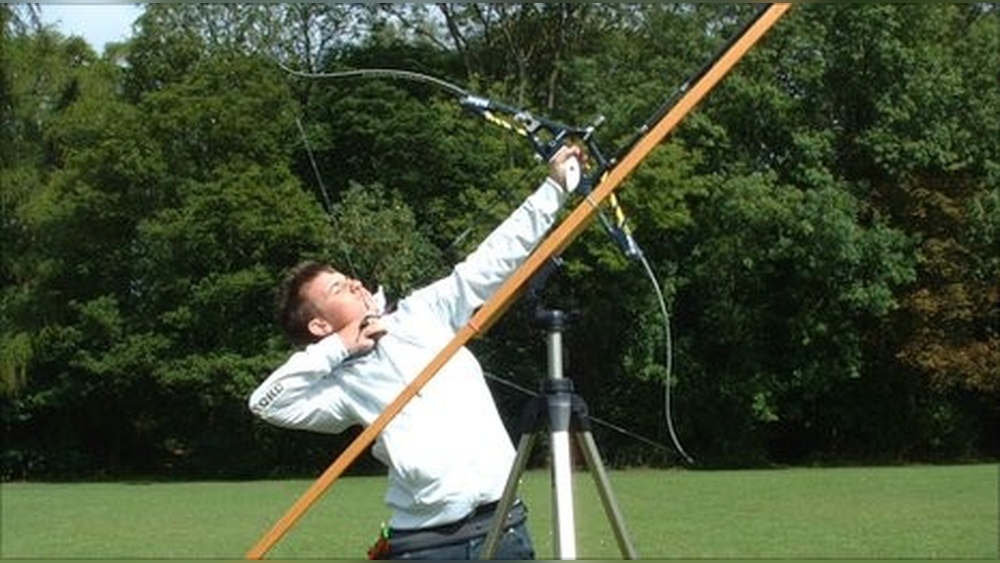
To appreciate the farthest shot, it helps to know about flight archery. Unlike target archery, where accuracy is the goal, flight archery focuses on shooting an arrow as far as possible. This discipline is less about hitting a mark and more about maximizing energy transfer, aerodynamics, and technique.
Key Elements Of Flight Archery
- Lightweight arrows: Flight arrows are much lighter than standard arrows, often made from lightweight woods or bamboo.
- Minimal fletching: Small vanes reduce air resistance.
- Optimized draw weight: The bow’s draw weight (how hard it is to pull) is matched to the archer’s ability to transfer power.
- Open, flat ranges: Shots are made on dry lakes or flat fields for accurate measurement.
Flight archery has its own competitions and records, and it’s here that the greatest distances have been achieved with traditional bows.
Comparing Traditional Bow Records
To show the difference between types of bows and their records, here’s a quick comparison:
| Bow Type | Record Distance | Record Holder | Year |
|---|---|---|---|
| Traditional Foot Bow | 2028 yards (1854 m) | Harry Drake | 1971 |
| Turkish Composite Bow | 1281 yards (1171 m) | Osman, Sultan of the Ottoman Empire | 1798 |
| Modern Compound Bow | 1222 yards (1117 m) | Don Brown | 1987 |
| English Longbow | 412 yards (377 m) | Howard Hill | 1940 |
This table shows just how much design and materials influence the maximum distance. Traditional bows, especially Turkish-style composites, are designed for power and efficiency.
Credit: www.bow-international.com
The Science Of Shooting Far
Shooting an arrow over a mile is not just about raw strength. It’s a combination of:
- Draw weight: Heavier bows store more energy, but are harder to pull.
- Arrow weight: Lighter arrows fly farther but can be unstable.
- Aerodynamics: Small fletching and slim shafts reduce drag.
- Release technique: A clean, smooth release avoids wasting energy.
- Angle of release: The best angle for maximum range is around 40-45 degrees.
The top archers, like Harry Drake, carefully balance all these factors. In my experience, even a small mistake in release or arrow choice can reduce the distance by hundreds of feet.
Pro Tip
If you want to experiment with flight shooting, start with arrows about 15-20% lighter than your regular hunting or target arrows. But be careful, too light, and you risk damaging your bow.
Famous Long-distance Archers And Their Bows
The record holders in traditional archery are not just strong, they are expert bowyers, historians, and engineers. Let’s look at a few legendary figures.
Harry Drake
Known as the pioneer of modern flight archery, Harry Drake spent years perfecting both his technique and his equipment. His 1971 record still stands as the greatest traditional bow shot.
Sultan Mahmud Ii And Ottoman Archers
Ottoman sultans and their master archers were famous for their flight shooting. In 1798, Sultan Mahmud II reportedly shot an arrow over 1281 yards using a Turkish composite bow. These bows were shorter, recurved, and made for maximum energy transfer.
Howard Hill
A Hollywood legend, Howard Hill was known for his skill with the English longbow. While not a flight shooter, Hill’s 412-yard longbow shot (1940) showed what a well-made traditional bow can do in skilled hands.
What Makes A Traditional Bow Shoot Far?
There’s no single trick to shooting the farthest arrow with a traditional bow. Instead, it’s about optimizing every detail.
Materials Matter
- Wood: Yew and osage orange are popular for their strength and flexibility.
- Horn and sinew: Used in composite bows for extra power.
- Glue: Natural glues like fish bladder or animal hide were used historically.
Bow Shape
- Recurve: The limbs curve away from the archer, storing more energy.
- Longbow: Straight, tall design for a longer draw.
- Horsebow: Compact with aggressive recurve, great for flight.
Arrow Design
- Shaft: Slim, lightweight woods or bamboo.
- Fletching: Minimal, often just small feathers.
- Point: Needle-like for less air resistance.
Craftsmanship
A well-made traditional bow is the result of skill and patience. Even minor flaws in tillering (the shaping of the bow limbs) can rob the arrow of distance. Many expert archers also build their own arrows, matching each one to the bow and their shooting style.
Key Factors That Influence Maximum Range
Let’s dig deeper into the variables that impact how far a traditional bow can shoot.
1. Draw Length
The longer you can draw the bow, the more energy you store. Most elite flight shooters use a draw length much longer than standard target archers.
2. Bow Strength
A bow’s draw weight is critical. Flight bows often have draw weights of 80-120 pounds, much higher than typical hunting or target bows. However, only very strong and trained archers can handle this safely.
3. Arrow Flexibility (spine)
If the arrow is too stiff or too flexible, it will not fly straight. Matching the arrow spine to the bow’s power is essential for maximum range.
4. Release Technique
A clean release ensures maximum transfer of energy. Even a small error in finger position can dramatically reduce the arrow’s range.
5. Weather Conditions
Wind, humidity, and temperature all affect flight. Dry, hot days with a tailwind can add significant distance. This is why many records are set at dry lake beds in the American West.

Credit: silkroadbows.com
The Role Of Modern Testing
While the spirit of traditional archery is to keep things simple, modern testing helps validate records. Today, organizations like the World Archery Federation and various national bodies measure flights using precise GPS, survey tools, and strict rules.
Example: Measuring A Record Attempt
- Mark the shooting line: All archers shoot from the same spot.
- Recover the arrow: Officials locate the farthest arrow and mark it.
- Measure: Surveyors measure the exact distance from the shooting line to the arrow.
- Verify bow and arrow: Officials check the equipment to ensure it meets traditional standards.
This process makes sure that records are fair and comparable over time.
Comparing Traditional Bows With Modern Bows
Many people wonder how traditional bows compare to modern designs for distance. Here’s a simple comparison:
| Feature | Traditional Bow | Modern Compound Bow |
|---|---|---|
| Draw Weight | Up to 120 lbs (flight) | 60, 80 lbs (with let-off) |
| Arrow Speed | Up to 250 fps | Up to 350 fps |
| Mechanical Aids | None | Cams, sights, stabilizers |
| Max Record Distance | 2028 yards | 1222 yards |
Traditional bows rely entirely on the archer’s strength and technique, while modern bows use technology to boost performance.
Lessons From Historical Archery Cultures
Some of the best traditional bow designs come from cultures where long-distance shooting was highly valued.
- Ottoman Empire: Masters of the short, powerful composite bow. Flight shooting was a respected skill.
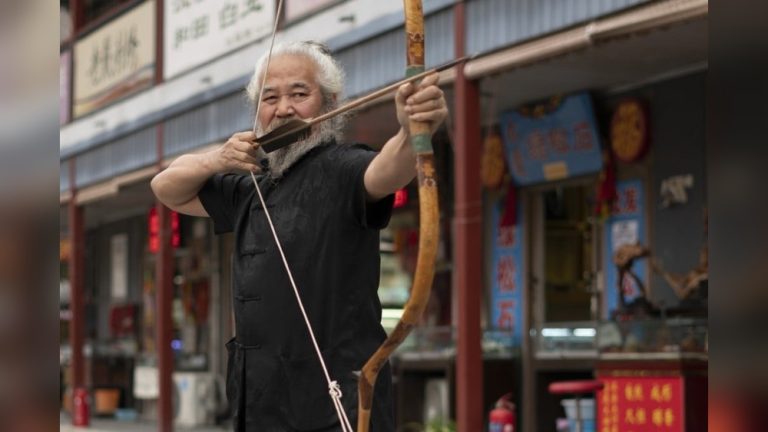
- Mongols: Used recurved horsebows for both war and hunting.
- English: Developed the longbow for military use, but also for sport.
Many modern flight shooters study these historical designs, sometimes even using ancient construction methods.
Common Mistakes When Trying For Maximum Range
If you’re interested in flight shooting, avoid these beginner errors:
- Using arrows that are too heavy: Heavier arrows slow down quickly.
- Too much fletching: More drag means less distance.
- Improper bow tuning: If the bow is not tuned to the arrow, energy is wasted.
- Poor release technique: Plucking the string or inconsistent grip ruins shots.
- Overdrawing beyond comfort: Injuries can happen if you try to use a bow that’s too strong.
How To Start Flight Shooting
If you want to try shooting for distance with a traditional bow, here’s a simple guide:
- Choose the right bow: Start with a traditional recurve or longbow you can handle.
- Select flight arrows: Look for lightweight, stiff arrows with small fletching.
- Find a safe, open space: Dry lake beds, beaches, or large fields work best.
- Work on your form: Consistent technique is more important than strength.
- Record your distances: Use a measuring tape or GPS for accuracy.
Pro Tip: Always wear a wrist guard and check your bow for cracks before shooting high-draw-weight bows.
The Spirit Of Traditional Archery
At its heart, the pursuit of the farthest arrow shot is not just about numbers. It’s about connecting with history and testing the limits of human skill. Many flight archers build their own bows and arrows, drawing inspiration from ancient craftsmen.
The process can be slow and requires patience, but each improvement brings new satisfaction.
In my experience, even if you never break a record, the journey of improving your equipment and technique is rewarding. You learn about physics, history, and your own physical limits.

Credit: www.youtube.com
The Future Of Traditional Flight Shooting
Traditional archery still draws enthusiasts worldwide. While modern bows have taken over most competitions, there’s a growing community of archers who want to preserve and push the limits of traditional equipment. Some even use advanced tools, like high-speed cameras and wind tunnels, to study arrow flight.
Organizations like the World Archery Federation keep records and encourage safe, fair competition. As more people learn about this unique sport, new records may be set, possibly even surpassing Harry Drake’s famous shot.
To read more about the history and records of flight archery, you can visit Wikipedia: Flight Archery.
Frequently Asked Questions
What Is The Difference Between A Traditional Bow And A Modern Bow?
A traditional bow is usually made from natural materials and does not include modern technology like pulleys, sights, or stabilizers. Modern bows, like compound bows, use cams, synthetic materials, and sometimes even release aids. Traditional bows rely more on the archer’s technique and strength.
How Are Flight Archery Distances Measured To Ensure Fairness?
Distances are measured from the shooting line to the point where the arrow lands. Officials use survey tools, GPS, or measuring tapes. Arrows must be found and marked before being measured. The process is strictly monitored to prevent cheating or mistakes.
Can Anyone Try To Break The Farthest Arrow Shot Record?
Yes, but it requires special equipment and training. High-draw-weight bows can be dangerous without proper technique. Most flight archery events require proof of skill and safety knowledge before allowing attempts with powerful traditional bows.
Why Are Turkish Bows So Effective For Long-distance Shooting?
Turkish composite bows are compact, recurved, and made from layers of wood