Can Felons Own Bows? Federal and State Law Explained
Federal law does not ban felons from owning bows, crossbows, or arrows — only firearms are restricted under the Gun Control Act (18 U.S.C. § 922(g)(1)). But state laws vary, and probation or parole conditions can still bar dangerous weapons regardless of federal rules. This guide covers the federal baseline, why bows are treated differently than guns, and what to check in your specific state. For the broader picture on bow legality generally, see are bow and arrows legal. For more on this, see our guide on Which President Started Shaking Hands Instead of Bowing. For more on this, see our guide on Do Traditional Martial Artists Bow? Unveiling Ancient Customs. For more on this, see our guide on How to Traditionally Bow to Korean Parents.
Why This Question Matters
I’ve always loved the outdoors. There’s something special about the quiet of the woods, the focus of aiming a bow, and the thrill of the hunt. For many, bow hunting isn’t just a hobby—it’s a way of life. But for felons, the rules around owning and using weapons can feel like a maze. Firearms are often off-limits, so many turn to bows as an alternative. The big question is: are bows treated the same way as guns under the law? And if not, what are the rules? This matters because hunting can be a source of food, a way to bond with family, or even a step toward rehabilitation. I wanted to get to the bottom of this, so let’s start with the basics.
Understanding Federal Law on Felons and Weapons
When I first started looking into this, I thought federal law would have a clear answer. After all, federal rules are pretty strict about felons and weapons. The Gun Control Act of 1968 is the big one here. It says that felons cannot possess firearms or ammunition. This is because firearms are seen as dangerous weapons that could be misused. But here’s the thing: bows aren’t firearms. They don’t use gunpowder or bullets. They’re mechanical devices that shoot arrows using tension and a string. So, does the federal law apply to bows?
From what I’ve found, federal law doesn’t explicitly prohibit felons from owning bows. The Gun Control Act focuses on firearms, not archery equipment. This means that, at the federal level, felons can generally own and use bows, including compound bows, recurve bows, and crossbows. But there’s a catch. Some states have their own rules, and that’s where things get tricky. I’ll get to that in a bit, but first, let’s talk about why bows are different from guns.
Why Bows Are Different from Firearms
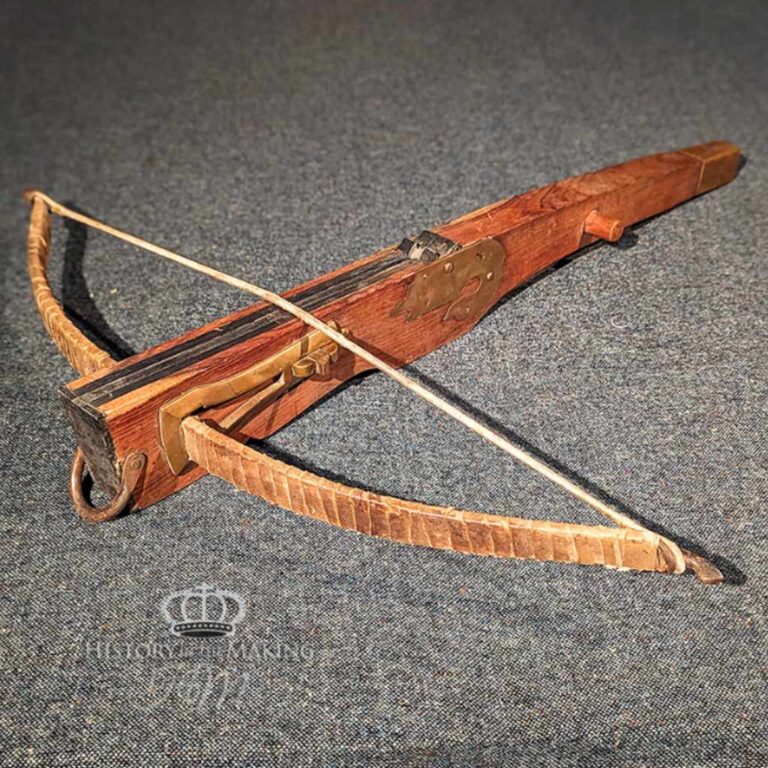
I remember chatting with a friend who’s a bow hunter, and he explained why bows are in a different category. Unlike guns, bows require physical skill and practice to use effectively. They’re not as easy to conceal or use impulsively. A compound bow, for example, uses a system of pulleys and cables to make it easier to draw, but it still takes time to aim and shoot. Crossbows are a bit closer to firearms because they have a trigger mechanism, but they’re still not classified as guns under federal law.
This distinction is important because it’s why many felons turn to archery. If you can’t own a rifle for hunting, a bow might be your next best option. Plus, bows are quieter, which makes them great for hunting in areas where noise is a concern. But before you grab a bow and head into the woods, you need to know the rules in your state. Trust me, I learned the hard way that laws vary wildly across the USA.
State Laws on Felons Owning Bows
When I started digging into state laws, I was surprised by how much they differ. Some states are pretty relaxed about felons owning bows, while others have strict rules. I’ll break it down for you, but keep in mind that laws can change, so it’s always a good idea to check with local authorities or a lawyer.
States Where Felons Can Own Bows
In most states, felons can own and use bows without much hassle. States like Texas, Pennsylvania, and Ohio, for example, don’t have specific laws banning felons from owning archery equipment. I spoke with a hunting guide in Texas who told me that felons often use compound bows for deer hunting, and it’s perfectly legal as long as they follow hunting regulations. These states see bows as tools for sport or hunting, not as weapons in the same way guns are.
States with Restrictions
Some states, though, are stricter. In places like California and New York, felons might face restrictions on owning certain types of bows, especially crossbows. Crossbows are sometimes treated differently because they have a trigger and can be used more like a firearm. For example, in New York, felons need to check local laws, as some counties have additional rules. I found that California requires felons to get special permits for certain hunting activities, which can include bow use.
States with Outright Bans
Then there are a few states where felons might be completely banned from owning bows or hunting. Illinois and New Jersey, for instance, have tougher laws. In Illinois, felons are often prohibited from possessing any weapon, and some local laws include bows in that definition. I was shocked to learn this because I always thought bows were exempt. If you live in one of these states, you’ll need to do some serious research before picking up a bow.
A Quick Reference Table
To make things easier, here’s a table summarizing what I found about some key states. Keep in mind, this is a general guide, and you should always check with local authorities for the latest rules.
| State | Can Felons Own Bows? | Notes |
|---|---|---|
| Texas | Yes | No specific restrictions; follow hunting regulations. |
| Pennsylvania | Yes | Bows allowed; crossbows may have seasonal restrictions. |
| California | Sometimes | Permits may be required; crossbows heavily regulated. |
| New York | Sometimes | Varies by county; crossbows may require special permits. |
| Illinois | No | Bows may be considered weapons under some local laws. |
| New Jersey | No | Strict laws may prohibit felons from owning bows. |
| Florida | Yes | Bows allowed, but hunting licenses may require background checks. |
This table isn’t exhaustive, but it gives you a sense of how varied the laws are. I spent hours combing through state websites and talking to local hunting groups to put this together. If your state isn’t listed, don’t assume it’s okay—check with your local Department of Natural Resources or a legal expert.
Hunting Licenses and Felons
Even if you can own a bow, getting a hunting license is another hurdle. I learned this when I talked to a felon who wanted to start bow hunting in Georgia. He told me that while he could own a compound bow, getting a hunting license was a challenge. Most states require background checks for hunting licenses, and some automatically deny felons. Others, like Georgia and Florida, may allow felons to get a license if their conviction wasn’t related to hunting or wildlife violations.
For example, in Wisconsin, felons can apply for a hunting license, but they might face extra scrutiny. I found that states like Montana and Wyoming are more lenient, as long as you’ve completed your sentence and parole. The key is to be upfront about your status when applying. Hiding a felony can lead to bigger problems, like fines or even jail time.
Restoring Your Rights
One thing that surprised me was how some felons can restore their rights to own bows or hunt. This isn’t easy, and it depends on the state. In many places, you can petition the court to have your rights reinstated. This usually involves proving that you’ve completed your sentence, paid any fines, and shown good behavior. I spoke with a lawyer who specializes in this, and she said the process can take months or even years. For example, in Texas, you might need a pardon or expungement, which is a long shot but not impossible.
In some states, like Florida, certain rights are automatically restored after you finish your sentence. However, this doesn’t always include hunting or weapon rights. If you’re serious about bow hunting, I recommend talking to a lawyer who knows your state’s laws. It’s a lot of work, but for some, it’s worth it to get back into the woods.
Practical Tips for Felons Interested in Bow Hunting
If you’re a felon and want to start bow hunting, here are some tips I’ve picked up along the way:
- Check Local Laws: I can’t stress this enough. Call your state’s Department of Natural Resources or a local lawyer to confirm what’s allowed. Laws change, and you don’t want to get caught breaking them.
- Choose the Right Bow: Compound bows are great for beginners because they’re easier to draw. Recurve bows are more traditional but harder to master. Crossbows might be restricted in some states, so double-check.
- Get Training: If you’re new to archery, take a class. I took one at a local range, and it made a huge difference. You’ll learn safety and technique, which is crucial for hunting.
- Follow Hunting Rules: Even if you can own a bow, you need to follow hunting seasons, bag limits, and other regulations. I’ve seen people lose their licenses over simple mistakes.
- Be Honest: If you’re applying for a hunting license, disclose your felony. Trying to hide it can lead to serious consequences.
The Emotional Side of This Issue
I want to take a moment to talk about something personal. When I was researching this, I met a guy named Mike at a local archery range. He’s a felon who served time for a non-violent crime. He told me that bow hunting gave him a sense of purpose after prison. It was a way to reconnect with nature and feel like he was part of something bigger. But he also shared how frustrating it was to navigate the legal system. Every state seemed to have different rules, and he was always worried about accidentally breaking the law.
Mike’s story stuck with me because it showed how much this issue matters. For some felons, bow hunting isn’t just about sport—it’s about rebuilding their lives. I think that’s why it’s so important to get clear, accurate information out there. No one should have to give up something they love because the rules are confusing.
Safety and Responsibility
No matter who you are, safety is a big deal when it comes to bows. I learned this the hard way when I nicked my finger with an arrow during practice. Bows can be dangerous if you don’t know what you’re doing. Always treat them with respect, store them securely, and never point them at anything you don’t intend to shoot. If you’re a felon, being extra careful is even more important. Any misuse of a bow could be seen as a violation of your parole or probation.
I also recommend joining a local archery club. Not only will you learn from experienced shooters, but you’ll also build a community. When I joined my local club, I met people who were happy to share tips and even lend me equipment. It’s a great way to stay safe and have fun.
Why Bow Hunting Is Worth It
If you’re on the fence about bow hunting, let me tell you why I think it’s worth the effort. There’s nothing like the feeling of drawing a bow, lining up a shot, and hitting your target. It’s challenging, but that’s what makes it rewarding. Plus, it’s a way to connect with nature in a way that’s hard to describe. Whether you’re hunting deer or just practicing at a range, archery teaches patience and focus.
For felons, it can also be a way to reclaim something positive. I’ve talked to people who say archery helped them stay out of trouble and gave them a new hobby to focus on. Even if the legal side is complicated, don’t let that discourage you. With the right information and a little effort, you can find a way to make it work.

Conclusion
After diving deep into this topic, I’ve come to appreciate how complex it is. Can felons own bows? In most cases, yes, but it depends on where you live. Federal law doesn’t ban felons from owning bows, but state and local laws vary. Some states welcome felons to hunt with bows, while others have strict rules or outright bans. The key is to do your homework, check local laws, and maybe even talk to a lawyer if you’re unsure.
Bow hunting is more than just a sport—it’s a way to connect with nature, challenge yourself, and maybe even find a new purpose. I’ve seen firsthand how it can change lives, and I hope this guide helps you navigate the legal landscape. Whether you’re a felon or just curious, I encourage you to explore archery. It’s a journey worth taking, and with the right steps, you can enjoy it legally and safely. So, grab a bow, hit the range, and maybe I’ll see you out there in the woods one day!
FAQs
Can a felon own a compound bow?
Yes, in most states, felons can own a compound bow since federal law doesn’t classify bows as firearms. However, some states like Illinois or New Jersey may have restrictions. Always check your state and local laws.
Are crossbows treated differently than other bows?
Sometimes. Crossbows have a trigger mechanism, so states like California or New York may regulate them more strictly. Some states require special permits for felons to use crossbows.
Can felons get a hunting license?
It depends on the state. Some states, like Texas and Florida, allow felons to get hunting licenses if they meet certain conditions. Others may deny licenses based on felony status.
How can a felon restore their hunting rights?
You can petition the court to restore your rights, but it’s a long process. You’ll need to show you’ve completed your sentence and demonstrate good behavior. A lawyer can help navigate this.
Is bow hunting safe for felons to pursue?
Yes, as long as you follow safety guidelines and local laws. Take a training course, store your bow securely, and always respect hunting regulations to avoid legal trouble.