Best Gloves for Bow Release Feel (2026): We Compared
Lightweight shooting gloves are often reported to give the best bow release feel; neoprene is a practical choice when cold rain or wet brush makes it hard to keep a dry grip. Poor glove choice can thicken the string hand, disturb anchor, and make a short-range shot less precise. This guide compares both glove types for release feel, then matches each to hunting conditions where warmth or control matters more.
Quick comparison
| Product | Badge | Best for | Price | ||
|---|---|---|---|---|---|
 | Glacier Glove Men’s Aleutian Waterproof Fleece-LinedGlacier Glove | Our pick | Neoprene Gloves · Small · 2mm · Realtree MAX-7 | $42.98 Price as of 9 Nov 2026 | View |
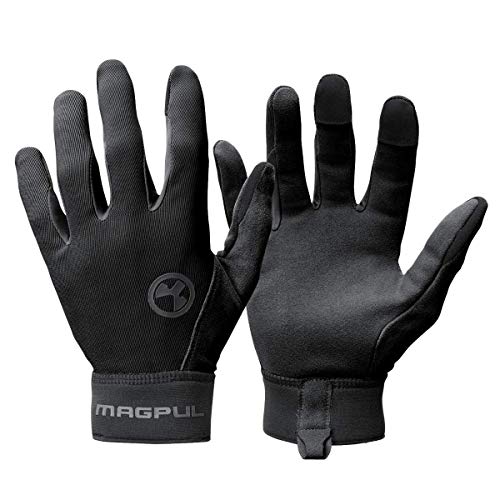 | Magpul Technical Glove 2.0 Touchscreen Shooting GlovesMagpul | Also great | Lightweight Shooting Gloves · Large · Lightweight · Black | $30.19 Price as of 9 Nov 2026 | View |
Neoprene favors weather protection. Lightweight shooting gloves favor tactile feedback and easier anchor control.
How we chose
The comparison below focuses on release feel first: string contact, anchor consistency, finger drag, and how much the glove changes back tension feedback. Weather protection matters next, because wet or windy sits can make a thin glove hard to use.
Fit and thickness matter too. A glove that bunches at the fingers or shifts at the wrist can change release timing even if the material is good on paper.
Durability is the last filter. The better choice still depends on whether the hunt needs dry feel or wet-weather protection more often.
Glove types decision matrix
| Glove type | Thickness | Warmth | Wet-weather performance | Release feel | Anchor stability | Best hunting scenario |
|---|---|---|---|---|---|---|
| Neoprene Gloves | Medium to thick | High | Good in windproof and water-resistant versions | Lower tactile sensitivity | Good if fit is snug | Late-season stands, damp brush, cold wet sits |
| Lightweight Shooting Gloves | Thin | Low to moderate | Fair unless treated or layered | High tactile sensitivity | Very good when the palm and fingers stay close to barehand feel | Spot-and-stalk, milder weather, range work, quick access hunts |
That table points to a simple rule. Neoprene wins when weather control matters more than fine string feel, while lightweight shooting gloves win when the bow hand needs to stay as close to barehand feedback as possible.
Neoprene Gloves: best for wet, cold sits
Neoprene gloves suit bowhunters who sit through damp, cold, or windy conditions and need hand protection more than barehand feel. This type suits late-season stands and wet-weather hunts where keeping the hand warm matters more than maximizing string feedback.
The honest drawback is feel. Neoprene can reduce tactile sensitivity enough to soften the string hand and change how the anchor feels on the face.
Use this type when the shot window is long and the weather is rougher than the distance to the deer.
Why neoprene changes bow feel
Neoprene adds material between the hand and the string, so the shooter gets less direct feedback from the string and serving. That can make the draw hand feel less precise at anchor and can blur the start of back tension.
For compound bow users, that can show up as a less exact reference point at the face. For finger shooters, it can also increase drag because the string must move across more material before release.
Lightweight Shooting Gloves: best for release feel
Lightweight shooting gloves are the cleaner pick when bow release feel matters more than extra insulation. They are the better fit when the goal is to keep the hand close to barehand feel.
Their main strength is tactile feedback. That fits bow use, where less bulk usually means clearer string contact and easier anchor confirmation.
The tradeoff is warmth and weather margin. Thin gloves can feel great on the bow, but they do less when the sit is cold, wet, or long.
Why thin gloves usually feel better
Thin construction reduces bulk between the string hand and the bowstring, so the hand can read pressure, tension, and finger position more clearly. That is the kind of feedback bowhunters usually want when release timing matters.
Touchscreen-compatible gloves add convenience for phones or rangefinders, but the feature does not guarantee durability. It is useful when a hunter wants thin construction without taking the gloves off every time a device needs a tap.
Bow release feel by factor
| Factor | Neoprene Gloves | Lightweight Shooting Gloves | Winner |
|---|---|---|---|
| String contact perception | Muted by thicker synthetic material | Cleaner contact and better tactile feedback | Lightweight Shooting Gloves |
| Anchor consistency | Can shift anchor if the hand feels crowded | Easier to keep a repeatable face reference | Lightweight Shooting Gloves |
| Weather protection | Stronger in cold, wind, and wet brush | Weaker unless conditions are mild | Neoprene Gloves |
| Finger drag risk | Higher if the glove adds friction or thickness | Lower because less bulk sits on the string | Lightweight Shooting Gloves |
| Best hunting use | Wet sits, late-season stands, rough weather | Spot-and-stalk, mild cold, range practice, quick shots | Tie, by conditions |
String contact and release timing
Bow release feel is the hand’s ability to sense the string before and during the shot. When that signal gets dull, the release can feel mushy, which can lead to bad shots and altered grip.
Suppose a hunter wears a thick glove on a 27-inch draw compound and the string hand suddenly feels less exact on the face. The anchor may move a few millimeters without the shooter noticing, and that small shift can change release timing.
Anchor stability and finger drag
Anchor stability depends on repeatable contact points. Thick gloves can move those contact points enough to change the draw length picture, especially when the glove fills space under the jaw or at the corner of the mouth.
A common first-timer mistake is assuming the shot will feel the same after switching glove thickness. A glove that feels comfortable in camp can still create drag or a mushy pull at full draw.
Weather protection and dexterity
Neoprene is useful when wet conditions would otherwise make the string hand slick, cold, or numb. Windproof glove construction helps even more during stationary sits, but that usually comes with a clear dexterity tradeoff.
Lightweight shooting gloves are the opposite. They give up some warmth, but they usually keep the hand nimble enough for a fast draw and cleaner release feedback.
Choose Neoprene Gloves if… / Choose Lightweight Shooting Gloves if…
Choose Neoprene Gloves if the hunt is cold, wet, or windy enough that dry grip is the main problem. They make the most sense for late-season tree stands, damp brush, and sits where windproof construction matters more than a crisp string feel.
Choose Lightweight Shooting Gloves if release feedback, anchor control, and cleaner string contact matter most. They fit spot-and-stalk hunts, range practice, and milder conditions where the hand can stay closer to barehand feel.
For compound users, lightweight gloves usually preserve anchor and back tension feedback better. For traditional shooters, the choice gets tighter, but thin gloves, a leather shooting glove, or a finger tab often beat bulky synthetic material when clean release is the goal.
Traditional archery options and feel
Finger tab
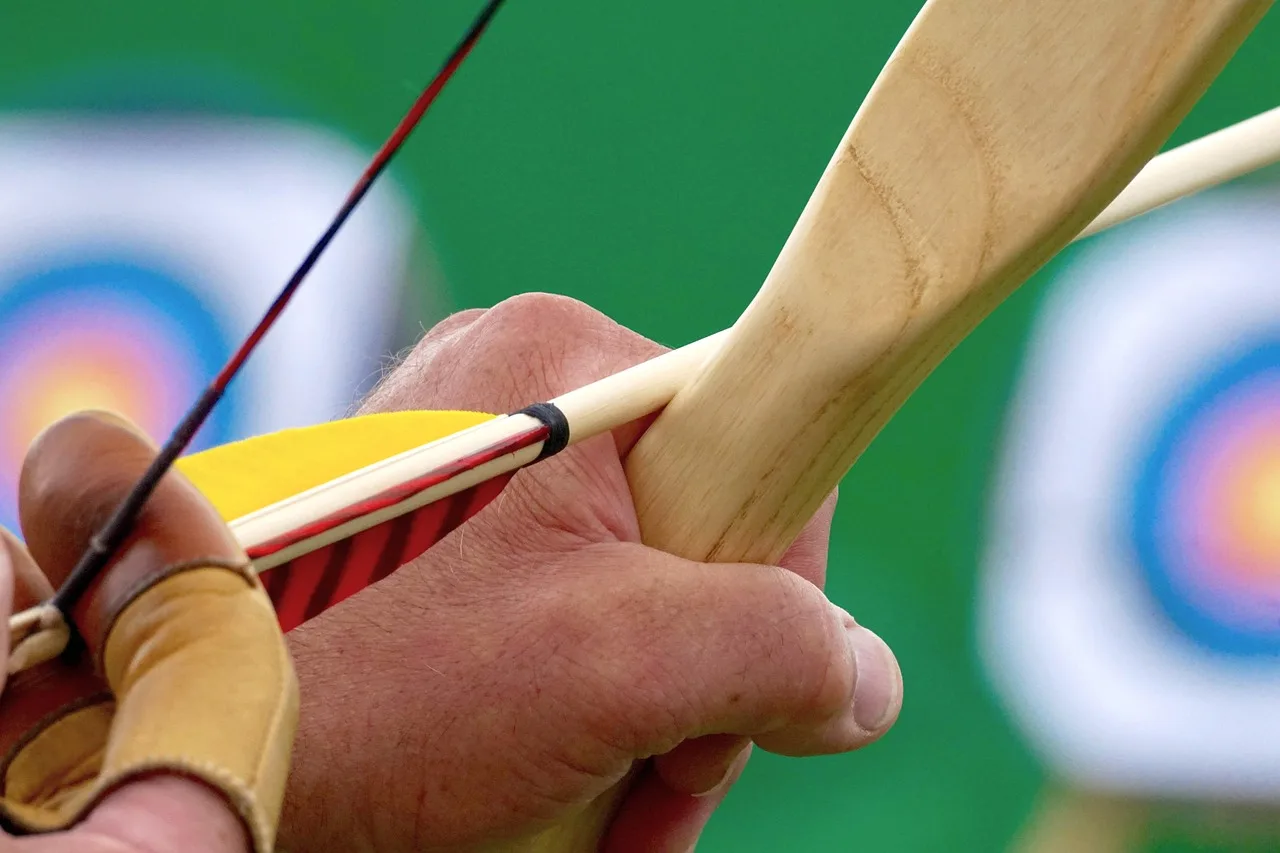
A finger tab is still a strong choice for split-finger or 3-under shooting. Traditional bowhunter discussions often praise cordovan tabs for a clean release feel, because the material is smooth and consistent under the fingers.
The downside is that a tab changes the feel of the string hand completely, so it is not the same answer as a glove. It works best when the shooter wants a deliberate traditional setup and is willing to tune around it.
Leather shooting glove
Leather shooting gloves remain common because many archers like the feel after break-in. They can be thicker than synthetic options, though, so a good fit matters as much as the material.
Leather is not automatically better. A poorly fitted leather glove can still alter anchor and slow the release, while a thin, well-fitted pair can feel very close to the string.
Cordura fingertip material
Cordura fingertip material adds wear resistance at the points that rub the string most. Traditional bowhunter users praise cordura tips for feeling smooth and durable, which makes them attractive for archers who want longer wear without giving up all feel.
That said, reinforcement can still add thickness. It helps most when the goal is smoother release feel with a tougher fingertip, not when the goal is the thinnest possible touch.
Windproof glove construction
Windproof construction is useful for late-season hunts and stationary sits because it blocks moving air from stripping warmth from the hand. The tradeoff is less dexterity, which can make nocking, gripping, and string contact feel slower.
For a hunter who sits still in a stand, that trade can be worth it. For a hunter moving through brush and taking fast shots, it often is not.
Release feel decision matrix
| Use case | Neoprene Gloves | Lightweight Shooting Gloves | Winner |
|---|---|---|---|
| Tree stand sit in cold rain | Better weather seal and warmth | Better feel, but colder hands | Neoprene Gloves |
| Spot-and-stalk in cool, dry weather | Too much bulk for many shooters | Cleaner string feel and easier anchor | Lightweight Shooting Gloves |
| Late-season still hunting through wet brush | Protects from damp brush and wind | May feel great, but loses weather margin | Neoprene Gloves |
| Quick range check before a hunt | Can mask finger drag and anchor changes | Easier to notice release issues early | Lightweight Shooting Gloves |
- Finger drag: The string catches more than expected, often because the glove is too thick or too grippy.
- Mushy release: The shot feels vague and slow because the glove dulls the string hand’s feedback.
- Altered anchor: The glove changes how the hand sits on the face, jaw, or nose reference.
- Delayed timing: The arrow leaves later than expected because the shooter hesitates while searching for feel.
Say your late-season stand sits under steady drizzle and the temperature stays near freezing. A neoprene glove can be the safer pick because it keeps the hand warmer and less exposed, even if the release feels less exact.
Now suppose the same bowhunter moves to a dry October spot-and-stalk setup. In that case, a lightweight shooting glove usually gives the cleaner anchor and easier release timing.
Which one should you buy?
Pick Neoprene Gloves if your season often includes rain, wet brush, or cold wind, and you can accept some loss of tactile sensitivity. Pick Lightweight Shooting Gloves if your shot quality depends on a clear anchor point, better string contact, and less bulk between your hand and the bowstring.
For compound bow release feel in cold weather, the split usually comes down to how cold and wet the sit will be. If the weather is harsh enough to numb fingers or soak the hand, neoprene has the advantage; if the weather is cold but manageable, lightweight gloves usually preserve better control. For short, dry hunts, lightweight gloves are the better bottom-line pick; for longer sits in wet or windy conditions, neoprene is the safer choice.
Fit matters either way. A glove that slides, bunches, or alters the pressure point on the face is the wrong glove, even if the material is right. Trying the glove with the bow before hunting is the safest way to confirm anchor and release feel.
Frequently asked questions
Are neoprene gloves good for bow release feel?
Neoprene gloves are usually better for weather protection than for pure release feel. They can keep a hand warm and dry in cold rain or wet brush, but the thicker synthetic material often reduces tactile sensitivity and can soften the string hand’s feedback at anchor.
Do lightweight shooting gloves feel better than neoprene for archery?
Yes, lightweight shooting gloves usually feel better for archery because they add less bulk between the hand and the string. That thinner construction improves string contact perception, helps anchor consistency, and usually lowers finger drag risk compared with neoprene.
Which glove is better for compound bow release feel in cold weather?
Lightweight shooting gloves are usually better if the cold is dry and the bow hand still needs precise feedback. Neoprene is the better pick when the cold is paired with wet brush, rain, or a long stationary sit that would otherwise chill the hand.
Will thick gloves change my anchor or release?
Yes. Thick gloves can change both anchor and release by adding material under the fingers and along the face contact points. That extra bulk can shift jaw reference, create finger drag, and make the release feel mushier or later than expected.
What glove material gives the best string feel for bowhunting?
Thin construction usually gives the best string feel, which is why lightweight shooting gloves often win on feedback. For traditional setups, a leather shooting glove or a finger tab can also feel clean once fitted correctly, but thicker synthetic material generally gives up some sensitivity.
Can I bowhunt in shooting gloves without losing accuracy?
Yes, if the gloves fit close and do not change your anchor point. Accuracy holds up best when the glove preserves string feel and does not create drag at release. The safer rule is to confirm the shot with the same glove before the hunt, not after.
Are synthetic gloves better than leather for damp conditions?
Often yes. Synthetic gloves usually handle damp conditions better because they dry faster and keep their shape better when wet. Leather can still feel good, but it often needs more break-in and can become less friendly in repeated wet weather if the fit is not right.
How thin should archery gloves be for good feel?
Thin enough that the string hand still reads pressure clearly at full draw. There is no single ideal thickness for every bow, but the glove should not crowd the anchor or block the fingers from clean contact. If the release feels dull, the glove is probably too thick for that setup.