Best Bowfishing Reels for Saltwater Use: What Lasts
I’d choose the best bowfishing reel for saltwater by putting sealed drag, stainless hardware, and a rinse-friendly build first. If two reels look close, I pick the one with fewer exposed bearings and the easier spool removal. Salt spray turns cheap metal into seized parts, rough line payout, and missed fish fast. I’ll break down which reel features actually stop corrosion, how different reel types behave in saltwater, and which models are worth paying for.
This guide is part of our Bowfishing from shore and without a boat series.
Top pick and who it fits

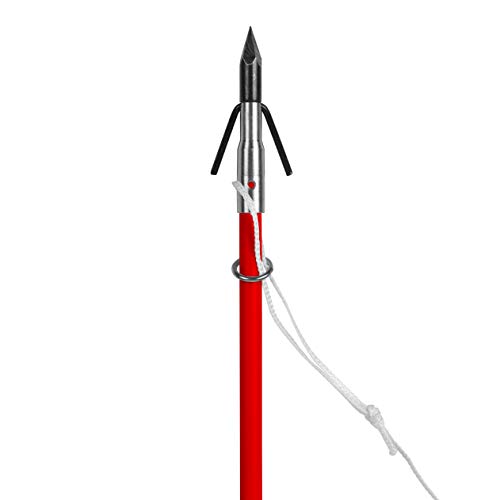

A good saltwater bowfishing reel is one that helps keep corrosion away from bearings, screws, and the drag stack while still being easy to rinse after trips. In practice, that usually means a spool-driven design with stainless fasteners, sealed internals, and an anodized aluminum body instead of a feature-heavy reel that looks tough but traps salt.
Best overall reel for saltwater bowfishing
I put sealed, rinse-friendly reels at the top because salt attacks the same spots every time: exposed screws, line guides, and unprotected bearings. If a reel needs tools and patience just to dry out, it is already working against you after one wet deck run.
Best choice for beginners
Beginners usually do best with a simple reel that keeps line management predictable and does not punish a rough retrieve. I want easy spool access, a clear line path, and parts that can be flushed without a deep teardown.
Best choice for boat and kayak use
Boat and kayak users should favor mounting stability and quick cleanup over maximum line capacity. A reel that stays put on a riser, clears the arrow rest, and tolerates repeated rinse cycles is the safer buy for saltwater deck work.
Quick picks by saltwater use case
If you are buying for saltwater first, I would sort reels by failure resistance before anything else. The right reel for a shore hunter is not always the right reel for a kayak deck or a high-use guide setup.
- Best for corrosion resistance: A reel with stainless hardware, sealed bearings, and anodized aluminum parts.
- Best for simple line handling: An open-face reel with a clear spool and easy line inspection.
- Best for low-maintenance cleaning: A spincast-style reel with the fewest exposed parts, if its sealing is genuinely solid.
- Best for tight mounting setups: A compact reel with good riser fit and enough arrow rest clearance.
Open-face vs spincast reels for saltwater
Open-face reels are easier to inspect and clean, while spincast reels reduce line mess but can hide salt inside the housing. For saltwater, I care less about theory and more about where corrosion starts. Open-face reels may show damage sooner. Spincast reels can sometimes fail more quietly, inside the shell.
How each design handles salt spray
Open-face reels leave more hardware exposed, so salt spray reaches the spool, screws, and line path fast. Spincast reels block some spray, but many still have weak sealing around internals and line exits. I would not assume an enclosed spool means saltwater protection.
Where each style is easiest to clean
Open-face reels win on rinseability. I can see grime, dry the spool, and spot a rough bearing before it grows into a problem. Spincast reels are faster to spray down on the outside, but trapped moisture and hidden salt can sit where you cannot reach.
What fails first in each design
On open-face reels, the first failures are usually finish wear, exposed screws, and bearing roughness. On spincast reels, the first failures are often line-travel issues, internal corrosion, and sticky retrieval from trapped salt. Both styles can survive; neither is immune.
What features actually stop saltwater failure
The reel parts that matter most are the ones most people ignore. Bearings, screws, mounts, line guides, and finish wear tell you far more than marketing terms about toughness. Saltwater bowfishing is hard on small parts first.
Stainless steel hardware and fasteners
Stainless steel components slow rust at the screws, washers, and exposed fittings that fail early in salt spray. I still inspect them, because stainless can pit and seize if you leave salt on it, but plain hardware gives up much sooner.
Sealed bearings and protected internals
Sealed bearings are worth paying for because they slow salt intrusion and keep the retrieve smoother under load. Once a bearing starts grinding, you feel it immediately on a fish surge. That heat and roughness eat performance fast.
Anodized aluminum and anti-rust coatings
Anodized aluminum holds up better than bare metal when saltwater gets repeated exposure. Good coatings buy you time, not immunity. Once the coating gets scratched at the mount or line edge, corrosion starts working from that weak spot outward.
Line guide and spool wear points
Line guides, spool lips, and edge transitions matter because salt plus abrasion turns small rough spots into frayed line. If the line path is sharp or the finish is thin, the reel will feel fine until it suddenly does not.
Which bowfishing reel works best for your setup?
The right reel depends on how often it gets wet, how you mount it, and how much cleanup you will actually do after the trip. A reel that fits your routine is usually more durable than a pricier reel you never maintain correctly.
Beginner shore setup
For a beginner on shore, I want simple line control, low tangle risk, and easy visual inspection. An open-face reel often makes the most sense here because the line path is obvious and maintenance is straightforward after a rinse.
Boat or kayak setup
Boat and kayak users should lean toward compact reels with stable mounting and strong corrosion resistance. Salt spray, wet decks, and movement under load make mounting fit and hardware quality more important than raw line capacity.
High-use setup with frequent rinsing
If you shoot often and clean often, choose the reel with the most serviceable layout. I would rather service a simpler reel every few trips than fight a sealed unit that hides damage until the drag starts slipping or the spool feels gritty.
Saltwater reel decision matrix
This is how I score reel types for saltwater bowfishing. I weight corrosion resistance, rinseability, line handling, mounting stability, and maintenance burden because those are the first things that decide whether a reel lasts or fails early.
| Reel type | Corrosion resistance | Rinseability | Line handling | Mounting stability | Maintenance burden | What fails first |
|---|---|---|---|---|---|---|
| Open-face reel | 3/5 | 5/5 | 4/5 | 4/5 | 3/5 | Exposed screws, bearings, finish wear |
| Spincast reel | 3/5 | 3/5 | 3/5 | 4/5 | 4/5 | Internal corrosion, sticky line release |
| Sealed, corrosion-focused reel | 5/5 | 4/5 | 4/5 | 4/5 | 2/5 | Drag wear if neglected, mount hardware if not stainless |
How to choose line, drag, and mount hardware
Line, drag, and mount hardware matter because a reel can be corrosion-resistant and still perform badly if the line slips, the drag grabs, or the mount flexes. Saltwater punishes weak links one by one.
Best line type for saltwater bowfishing
For saltwater, I prefer braided line because it tends to offer strong tensile strength, decent abrasion resistance, and better handling in repeated wet use. It also dries faster than some alternatives and tends to hold up better when fish run near rough structure.
How much drag you need
Bowfishing does not need heavy drag like some conventional fishing setups, but it does need smooth control with little slip resistance and limited heat buildup. I want enough drag to manage a surging fish without making the line jerk or cook the spool.
Riser mount fit and arrow rest clearance
Mounting starts with fit. Check riser mount spacing, arrow rest clearance, and whether the reel sits where your hand can reach it without crowding the shot. If the reel bumps the rest or shifts your grip, it will annoy you every trip.
Boat rail and ambidextrous mounting checks
For boats, I check rail compatibility and whether the setup works for left- or right-hand use. Hand fit matters just as much on the water.
What is the best bowfishing reel for saltwater use?
The best bowfishing reel for saltwater use is usually the one with sealed drag, stainless hardware, anodized aluminum, and the simplest cleanup path. I would pick a reel that exposes fewer bearings and allows fast rinse, dry, and relube steps after every trip.
Why “best” depends on your salt exposure
Constant salt spray is harder on reels than an occasional brackish outing. A boat-deck reel sees more exposure than a shore setup, and a kayak reel often gets splashed from below as well as above. Your water pattern should decide the design.
How do you keep a bowfishing reel from rusting in saltwater?
Help keep a bowfishing reel from rusting by rinsing it with fresh water after saltwater trips, drying it fully, and applying a light lubricant to the appropriate moving parts before storage. If you skip the dry step, you can trap salt under the coating and speed up corrosion.
Fresh-water rinse routine
I rinse the reel gently, not with a blast that forces salt deeper inside. I focus on screws, the drag area, the spool edges, and the mount. Brackish water still needs the same routine. It may look less harsh, but it leaves residue too.
Drying and lubrication order
- Rinse the reel with fresh water.
- Wipe off visible moisture with a clean cloth.
- Let the reel air-dry fully before storing.
- Apply light lube only where the maker recommends it.
- Check screws, bearings, and mount hardware for roughness or white salt buildup.
Storage between trips
Store the reel somewhere dry with the line relaxed if possible. I avoid tossing wet reels into a case, because trapped moisture keeps working long after the trip ends. A few minutes of drying saves hardware fatigue later.
How do I rinse and maintain a bowfishing reel after saltwater use?
In practice, the order is usually rinse, dry, lube, then store. That sequence matters because saltwater corrosion starts when moisture sits on metal and around fasteners. Freshwater maintenance works only when it reaches the same parts that got exposed on the water.
Step-by-step cleanup workflow
Use a gentle rinse, wipe the reel down, and inspect the line guide, mount points, and drag knob before storage. If the reel has removable parts, make sure they are fully dry before reassembly. Do not put grease where the maker calls for light oil.
Frequently asked questions
Do bowfishing reels rust in saltwater?
Yes, they rust in saltwater if exposed metal, poor coatings, or weak maintenance leave parts wet. The first damage usually shows up on screws, bearings, mount hardware, and line guides. Rinse and drying discipline matters as much as the reel’s material list.
Should I use an open face reel or closed face reel for saltwater bowfishing?
I would choose open-face if you want the easiest inspection and cleanup, and spincast if you value line containment and a simpler feel. For saltwater, I care more about exposed hardware quality and actual sealing than the label on the side plate.
What line is best for a saltwater bowfishing reel?
Braided line is usually the safer choice because it brings strong tensile strength, solid abrasion resistance, and better handling after repeated wet use. Look for saltwater-safe materials and a line that stays manageable under load without fraying at the spool edge.
Do I need stainless steel parts for saltwater bowfishing?
Yes, stainless steel parts help a lot, especially for screws, fasteners, and exposed fittings. They do not make a reel saltproof, but they slow the earliest failures. I still want sealed bearings and a corrosion-resistant body alongside the stainless hardware.
What reel holds up best on a kayak or boat in saltwater?
A reel that mounts securely, rinses easily, and keeps salt away from bearings usually holds up best on a kayak or boat. I would prioritize compact fit, stainless hardware, and a body that does not trap water around the mount or drag stack.
How much drag do I need for saltwater bowfishing?
You need smooth drag more than heavy drag. The goal is controlled slip without jerky starts or heat buildup. If the drag is too tight, it can shock the line and stress the reel; if it is too loose, you lose control on a surge.