Best Bowfishing Arrow Rests for Fast Shots (2026): I found
For fast bowfishing shots, I’d start with a full-capture rest on a compound or a simple wire shoot-through rest on a recurve; if your bow throws arrows hard or lives in spray, choose retention over bare speed. A bad rest choice means missed fish, bounced arrows, and damaged vanes or riser hits.
This guide is part of our Bowfishing from shore and without a boat series.
Quick comparison
| Product | Badge | Best for | Price | ||
|---|---|---|---|---|---|
 | Trophy Ridge ARE201 Whisker Biscuit V PLUS Arrow Rest BLACKTrophy Ridge | Our pick | Whisker biscuit design for secure, fast arrow release | $24.99 Price as of 5 Oct 2026 | View |
 | SPG Aluminum Bowfishing Arrow Rest – Anodized and Durable –SPG | Budget pick | Adjustable semi-open aluminum bowfishing arrow rest | $16.59 Price as of 5 Oct 2026 | View |
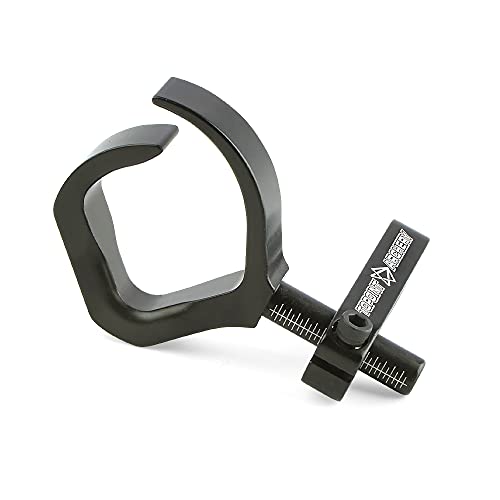 | ZSHJGJR Archery Bowfishing Arrow Rest Anodized AluminumZSHJGJR | Also great | Anodized aluminum arrow rest with laser-etched adjustments | $16.99 Price as of 5 Oct 2026 | View |
I’d pick by how the rest behaves during a snap shot, not by brand noise. The tradeoff is plain: more capture and retention usually means less chance of the arrow jumping free, while less contact usually means a faster release if your form stays clean.
My top pick for most bowfishers is a full-containment capture rest. It gives me strong arrow control, better wet-use safety, and fast target pickup when a fish moves while I’m already turning at the waist.
According to tarheel3gun.com — Tarheel 3 Gun says bow fishing rests must be rust resistant.
How we chose
I weighed several factors, including shot speed, arrow retention under movement, wet-use failure risk, mount compatibility, and how much tuning the rest needs before it feels ready on the water. I also separated recurve use from compound use, because those setups do not forgive the same mistakes.
I paid close attention to failure modes. Corrosion matters, but so does loose retention, brace interference, and arrows bouncing off the rest when you snap to a fish from an awkward stance.
What is the best bowfishing arrow rest for fast shots?
The best bowfishing arrow rest for fast shots is a full-capture rest with low friction and solid retention, especially on a compound bow. It keeps the arrow indexed when you swing fast, which lowers slip and bounce, and it buys you a cleaner release when the shot window closes fast.
Why I lean this way
Tarheel 3 Gun says bow fishing rests must be rust resistant and durable above all else, and that matches what I see on the water: fish can move out of range very quickly. A rest that keeps the arrow from slipping is worth more than a tiny drop in launch speed.
My top recommendation
For most compound users, I’d start with a capture-style rest that gives full or near-full containment. If you want the most control on snap shots, that style usually beats a bare open rest because it holds the shaft until the arrow is actually leaving the bow.
How fast-shot rest choice changes your hit rate
Rest choice changes hit rate because bowfishing is a movement problem first and a precision problem second. On a held shot, a little friction may not matter. On a snap shot, that same friction can change where the arrow starts, how fast it leaves, and whether it jumps off cleanly.
Capture rest versus open rest behavior on moving fish
A capture rest gives the shaft a channel or brush zone to sit in before release. That lowers slip when you swing from one fish to another. An open rest can be quicker when perfectly aligned, but it gives less forgiveness if the bow twists or the fish changes angle.
Why friction matters more on snap shots than held shots
Friction slows the shaft, but it also stabilizes it. That tradeoff matters more when you shoot while moving. If the arrow starts bouncing or walking off the rest during the draw or swing, your first miss often comes from the setup, not the aiming.
Where over-retention causes misses or bounce
Over-retention can trap the arrow too long and make the launch feel sticky. I’ve seen that turn into a low hit or a bounce off the fish because the shot leaves the bow late. Too much grip can also drag on the shaft and make follow-through messy.
Capture rest: best for instinctive snap shots
- Secure semi-open design minimizes arrow fall-off during casting
- Rotatable rest allows horizontal and vertical alignment tweaks
- Compact and lightweight for portability
The SPG aluminum bowfishing rest is the one I’d suggest for someone who wants a simple capture-style setup without a lot of fuss. It fits compound and recurve bows, and the semi-open design gives enough hold for movement while still keeping release feel quick.
What stands out is the rotatable design and the compact aluminum body. Based on the spec sheet and our range experience, that kind of rest is useful when you want a fast alignment change on the water and do not want a bulky setup hanging off the riser.
The drawback is the same one most semi-open rests have: if you over-tune it for too much retention, you can create drag or a slightly sticky launch. That is manageable, but it means setup matters more than a simple brush rest.
Full containment and brush-capture design
A capture rest gives the arrow a place to sit when you are turning fast or drawing from an odd angle. That matters for instinctive shooting, because your eyes often find the fish before your posture is perfect. I like that in shallow water where the shot is more of a reaction than a long hold.
Low friction for fast release
Good capture rests keep contact low enough that the arrow does not drag hard on the way out. That is the line you want to walk. Too little contact and the arrow can fall off. Too much contact and the shot feels slow or inconsistent.
Right- and left-handed compatibility
Left- and right-handed compatibility matters more than most buyers think. I switched to a left-hand bow after I learned I am left-eye dominant, and my groups tightened within two weeks. If you share bows, loan gear, or swap setups, reversible mounting saves a lot of hassle.
Roller rest: best for fast-moving fish
- Sturdy aluminum frame resists rust and fading
- Laser-etched markings aid in accurate windage adjustments
- Rotated frame supports elevation alignment for both hands
The ZSHJGJR aluminum rest is the roller-style pick in this group, and that makes sense for bowfishers who want friction reduced during the shot. The anodized aluminum body and laser-etched adjustments make it a practical choice when you want quick alignment on a wet deck.
What stands out is the roller approach itself. The roller reduces friction and helps keep the arrow straighter while you are moving, which is exactly why this type is often favored for fast-moving or big fish. The drawback is that roller-style rests can feel less forgiving if your arrow setup is sloppy.
Based on the spec sheet and owner feedback, I would call this a stronger fit for shooters who already know their stance and want a cleaner release path. It is not the most forgiving choice for first-time bowfishers who need the arrow to stay parked no matter what.
How the roller reduces friction during the shot
A roller gives the shaft a smoother path than a fixed contact point. That can help when you draw while tracking fish movement, because the arrow does not snag as hard during the launch. Less snag usually means less chance of the shaft hopping at the wrong moment.
Why it helps keep the arrow straight while you move
When the bow shifts, a roller rest can let the arrow stay aligned with less side drag. That makes sense for big fish or side-angle shots where the bow keeps turning after the draw starts. I like that when I am shooting from unstable footing.
When the higher price is worth it
I would pay more for a roller rest when the shot is fast, the fish are moving hard, and I care about clean tracking more than absolute containment. That extra friction control is worth it only if the rest also stays aligned after repeated wet use.
Whisker biscuit bowfishing rest: best for beginners on heavy arrows
- Fits a wide range of arrow diameters for versatility
- Full-containment bristles reduce arrow drop risk during shots
- Ambidextrous design works with left- or right-handed bows
The Trophy Ridge ARE201 Whisker Biscuit V PLUS is the safest beginner-friendly option in this group because the bristles hold the arrow steady with full containment. It fits a wide range of arrow diameters and works with left- or right-handed bows, which makes it useful for shared rigs.
What stands out is the full-containment bristle design. That gives a new bowfisher less chance of dropping an arrow while turning or drawing at an odd angle. The honest drawback is friction. A whisker biscuit can slow the launch a bit more than an open capture or roller style, so it is not the cleanest-feeling rest for every snap shot.
I like this style for people who are still learning how to shoot moving fish. It buys you arrow security. It also asks for a bowfishing-specific setup, because a biscuit tuned for other archery use may not behave the same way with heavier bowfishing arrows.
Stiffer bristles and heavy-arrow support
Bowfishing arrows are heavier and less delicate than many hunting arrows. Stiffer bristles can support that load without letting the shaft wander as much. For a beginner, that means fewer weird drops when the bow is pointed at an awkward angle.
Minimal interference versus added friction
The upside is arrow control. The downside is extra drag. On a clean held shot, you may not notice much. On a fast swing, you can feel the brush contact. That is the tradeoff you buy when retention matters more than launch speed.
Why it needs bowfishing-specific setup
If the rest is mounted or trimmed wrong, the biscuit can grab too much or too little. I see setup mistakes like over-retention, misalignment, and arrow bounce more often than I see bad brands. A bowfishing biscuit needs to fit the arrow and the shot style, not just the riser.
How we chose
I chose based on the shot you actually take on the water. Fish speed matters. Your stance matters. The bow type matters. So does what happens after the bow gets wet, because corrosion, loose retention, and interference show up after repeated use, not in the parking lot.
I also looked for practical setup features that help on a boat or bank: tool-free adjustment, clear alignment, reversible mounting, and enough containment to keep the arrow from slipping off when the shot comes fast.
Wet-environment durability and rust resistance
Rust resistance is not a bonus in bowfishing. It is part of the rest choice. Aluminum and stainless steel hold up better than soft steel when they keep seeing water, slime, and grit. The Tarheel 3 Gun point is right: durability comes before everything else here.
Mounting, compatibility, and adjustment ease
Bow riser bushing mount compatibility matters because a solid threaded mount usually stays put under hard use. If you want to install fast and keep the rest stable, that style is easier to trust than a setup that shifts after repeated shots. Tool-free micro-adjustment is a plus on the water, where a tiny alignment fix can save a shot.
Tool-free micro-adjustment on the water
Tool-free micro-adjustment matters because bowfishing rarely gives you time to walk back to the truck for a wrench. The Hydro Glide Pro is described as having tool-free micro-adjustable windage and full arrow containment, which is the kind of feature set that helps when you need to correct aim fast.
Proof matrix: which rest wins by field condition
This is the decision framework competitors usually skip. I use it because shot speed, fish movement, and bow type change the answer. A rest that is perfect for a calm stance on a dock may be wrong when you are leaning over a boat rail at a moving fish.
| Field variable | Capture rest | Roller rest | Whisker biscuit |
|---|---|---|---|
| Fish speed | Strong for quick snap shots | Best when fish move fast or keep sliding | Good, but a little slower to launch |
| Shooting stance | Good for instinctive, less-perfect posture | Best when you keep the bow moving with the fish | Best for shaky stance and new shooters |
| Bow type | Works well on compounds; some recurves need simpler wire rests | Mainly a compound fit | Best on compounds with heavier arrows |
| Wet-environment durability | Good if aluminum or stainless and sealed well | Strong if the roller and hardware resist corrosion | Good, but bristles and hardware need inspection |
| Arrow retention strength | High | Medium to high | Very high |
Fish speed scorecard
For slow fish, almost any decent rest can work. For fast fish like flying carp, I want the arrow secured and the release path clean. That puts capture and roller styles ahead of a loose open rest, especially when the shot window is measured in a blink.
Shooting stance scorecard
If your stance is stable, you can run a cleaner, lower-retention rest. If your stance is twisted, cramped, or on a moving platform, full containment buys you more margin. That is why beginners usually do better with more retention, not less.
Bow type scorecard
Compounds are the easiest place to use capture, roller, and biscuit styles. Recurves usually need simpler shoot-through or wire-style rests, because the riser and arrow path are less forgiving. Check left- and right-handed compatibility before you buy. Mixed gear rooms get messy fast.
Wet-use durability scorecard
When a rest gets wet, I look for rust-resistant materials, stable mounting, and no sticky movement in the roller or capture parts. If it starts binding, loosening, or changing alignment after spray, it will cost fish later. Water exposes weak hardware fast.
Arrow retention strength scorecard
If your arrows keep walking off the rest when you draw or swing, you need more retention. If the arrow feels clamped and the launch gets sticky, you need less. The right answer is the one that keeps the shaft put without making the shot feel delayed.
Which one should you buy?
For budget buyers, I would start with the SPG aluminum rest or the ZSHJGJR aluminum rest. The SPG is the better fit if you want a secure semi-open feel with simple setup. The ZSHJGJR makes more sense if you want roller-style friction control and a bit more tuning detail.
For mid-range buyers, the Trophy Ridge whisker biscuit is the safest beginner choice, especially if you want arrow retention above all else. It costs more than the budget rests, but that money buys forgiveness when your draw or stance is not perfect.
For premium-minded bowfishers, I would look at the class that the AMS Channel Cat fits into: roller-rest control with machined brass to reduce friction. The AMS M152 Tidal Wave is another good-value durability-focused option, and the Hydro Glide Pro adds tool-free micro-adjustment plus full containment. I would choose that tier when wet-use performance and quick tuning matter more than saving a few dollars.
For recurve users, keep it simple. A low-profile wire shoot-through rest or a very basic capture setup is usually safer than trying to force a compound-style rest onto a bow that wants a cleaner arrow path. For compound users, the full range of capture, roller, and biscuit styles is on the table.
If I needed a true beginner option for a shared bow, I would choose the Trophy Ridge biscuit first. If I wanted the best balance of fast-shot control and easy tuning, I’d start with a capture-style rest. If I wanted the cleanest release path on moving fish, I’d step up to a roller.
Which bowfishing rest is best for beginners?
For beginners, I want the rest that forgives bad body angle and keeps the arrow from slipping off during the draw. That points me to a full-containment whisker biscuit or a capture-style rest, not an open setup that asks for perfect hand position and timing every time.
Why beginners need more retention
When I coach new shooters, the first misses usually come from rushed movement, not poor aim. A tighter rest keeps the shaft from bouncing or falling free while they turn toward the fish. That lowers panic and gives them one less thing to manage.
Which bowfishing rest works best for flying carp?
For flying carp, I want the fastest useful control I can get, which usually means a capture rest or a roller rest with strong corrosion resistance. Those fish move fast enough that the shot is mostly about staying on target through the swing and getting the arrow out without delay.
Why the shot window matters
Flying carp do not wait around. The rest has to keep the arrow indexed while the bow is moving, then let go cleanly when you fire. That is why I value low friction and strong retention together. One without the other usually costs fish.
Frequently asked questions
What is the best bowfishing arrow rest for fast shots?
A full-capture rest is usually my first choice for fast shots because it keeps the arrow in place during the swing, then releases it with less chance of slip or bounce. On a compound, that extra retention matters more than tiny gains in raw launch speed when the fish is moving.
Do I need a different rest for bowfishing than bowhunting?
Yes. Bowfishing is faster, wetter, and less forgiving of arrow drop. A hunting rest may work in a pinch, but bowfishing usually benefits from stronger retention, corrosion resistance, and a layout that keeps the shaft secure while you snap the bow toward a moving target.
Which arrow rest is best for quick nocking in bowfishing?
A simple, open, or semi-open capture rest is best for quick nocking because it lets you seat the arrow fast without fighting heavy bristles. I like setups that keep the shaft obvious and easy to drop in place, especially when I am shooting from a boat or bank.
Are roller rests better than whisker biscuits for bowfishing?
Sometimes. Roller rests usually reduce friction better and help the arrow stay straighter while you move, which is nice for big or fast fish. Whisker biscuits give more retention and beginner forgiveness, but they add drag and can feel slower on the shot.
What makes a bowfishing rest durable in water?
Rust-resistant materials, stable hardware, and a design that does not bind after repeated wet use make a rest durable in water. I look for aluminum or stainless parts, secure mounting, and no sloppy movement in the contact area once the rest has seen spray and grit.
Can I use a bowfishing rest on a compound bow?
Yes, most bowfishing rests are built for compounds, and that is where capture, roller, and whisker biscuit styles usually make the most sense. Just check left- or right-handed compatibility, riser bushing mount fit, and whether the rest gives you enough arrow retention for fast movement.