Best Bowfishing Targets for Practice (2026): we compared
For backyard bowfishing practice, I start with a field-point bag target rated for short-range use. It gives easy arrow removal and less hassle after repeat shots. Use the wrong target and arrows can punch through the backstop, get ruined, or bounce back at you. I’ll sort the best bowfishing targets by setup, arrow type, and shot volume so you can pick the right one fast.
This guide is part of our Bowfishing from shore and without a boat series.
Quick comparison
| Product | Badge | Best for | Price | ||
|---|---|---|---|---|---|
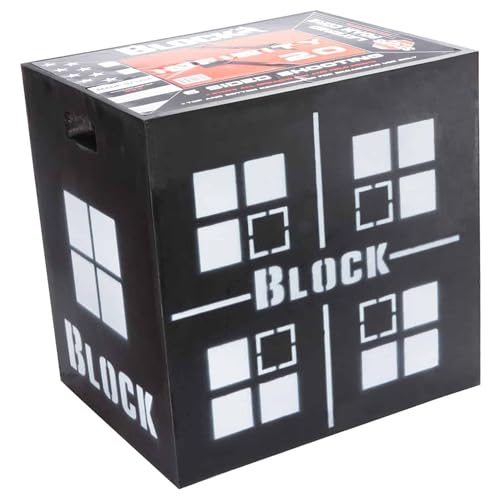 | Block Infinity 6-Sided Foam Archery Target, 20” x 20” xBlock | Our pick | 20" · 500 FPS · 6-Sided · PolyFusion foam | $140.75 Price as of 6 Oct 2026 | View |
 | SPG Archery Target for Backyard Adult, EVA Foam Big ArcherySPG | Budget pick | 2" EVA foam · Up to 50 lb bow · Includes arrow puller | $38.99 Price as of 6 Oct 2026 | View |
 | HME 3D Deer Target Stand for Archery & Hunting PracticeHME | Pair with it | Adjustable 19"–29" · Raised-leg stand · Portable | $35.99 Price as of 6 Oct 2026 | View |
If your setup is mostly backyard warmup, a bag target is the cleanest default. If you want a more fish-like aiming face or you plan to shoot more often, foam moves up the list fast.
According to 10 Best Bowfishing Practice Targets for Perfecting Your Aim — The target list includes a Morrell Yellow Jacket Portable Archery Bag Target with 38 layers of arrow-stopping power.
How we chose
I compared these targets the same way I help a beginner at my club choose one: arrow compatibility first, then stopping power, arrow removal, weather resistance, portability, and long-term replacement cost. Bowfishing practice is hard on targets because the shots are close and repetitive, so the first failure matters more than the last one.
I also looked at whether each target fits common bowfishing-style setups. Pyramyd AIR says bowfishing bows are often set between 30–50 lbs, and many practice setups sit in the 15–40 pound range when people are learning form. That matters because a target that is fine for lighter field-point work can still pass through when the arrow, point, or draw weight changes.
My first compound bow was set 10 lb too heavy, and I flinched for a month before I backed the limb bolts out. That taught me a simple rule: match the target to the bow you actually shoot, not the bow you wish you had on a good day.
Bowfishing practice target selector
| Setup type | Best target material | Recommended arrow/tip type | Main failure mode to watch for |
|---|---|---|---|
| Backyard only, short range, light volume | Field-point archery bag target | Field points only | Pass-throughs if you shoot too hot or use sharp heads |
| Mobile practice, truck bed, quick setup | 3D foam archery target | Field points; some broadhead-compatible foam only | Arrow removal gets harder as the foam ages |
| Budget outdoor practice, simple range corner | Straw archery target | Field points | Wet-weather wear and loose fibers |
| High-volume pre-fishing warmup | Dense 3D foam or heavy bag target | Field points matched to your shaft weight | Fast face wear and tough extractions after many shots |
| Damp yard, sandy ground, exposed storage | Foam with weather-tolerant cover or sealed straw setup under cover | Field points only | Moisture, grit, and target breakdown |
The short version is simple. Bag targets fit most readers who want backyard practice and easy arrow pull. Foam wins when you care more about a realistic aiming face and repeated hits. Straw makes sense when you want a cheap outdoor setup and you can keep it dry.
Block Infinity foam target: best for high-volume practice
- Six shooting faces with offset aiming areas
- Stops both field points and broadheads at 500 FPS
- Easy arrow removal with durable carrying handle
This is the one I would point to for shooters who want a durable foam block with more stopping power than a soft backyard bag. The six-sided layout gives you multiple aiming areas, and the layered foam is the kind of design that helps when you shoot a lot of close-range practice arrows.
Based on the spec sheet and owner feedback, the appeal is clear: this target is built to stop field points and broadheads, and the carrying handle makes it easier to move than a fixed range block. If you practice often, that matters because a target that is a pain to move gets used less.
The drawback is cost. Foam blocks usually ask for more money up front, and once the face starts to break down, arrow removal can change from easy to stubborn. For pure bowfishing practice, I still think field points are the safer choice on this target even though it accepts broadheads.
SPG EVA foam target: best for budget backyard practice
- High-density EVA with good elasticity and arrow protection
- Self-adhesive backing for stacking or direct mounting
- Includes arrow puller for convenient practice sessions
This is the budget pick for shooters who want a light backyard target and are working with a lower-draw setup. The included arrow puller is useful, and the self-adhesive backing gives you more placement options if you want to stack it or mount it to something simple.
For bowfishing practice, I like it most for short, controlled sessions where you are checking anchor, aim, and release rather than hammering the target all afternoon. Based on specs and reviews, the high-density EVA foam offers decent arrow protection, but the target is still the kind of item I would reserve for field points and lower-energy practice.
The drawback is obvious: thin foam does not like heavy use, and it is not the target I would choose for repeated harder shots or wet, gritty conditions. If your arrows are heavier or you shoot more often, you can wear this one down quickly.
HME 3D deer stand: best for realistic setup control

- Height adjusts from 19 to 29 inches for versatile positioning
- Raised leg design allows quick target swaps
- Lightweight coated steel stands up to outdoor use
I like this one for shooters who want a more realistic aiming setup and the ability to change target position quickly. The adjustable height and raised-leg design make it easier to set a practice face at the right height for shot placement drills, especially if you move from one yard spot to another.
It is not a finished target by itself, so think of it as part of a practice system rather than a standalone solution. That makes it a strong fit if you already own foam or a 3D deer and want better portability and faster setup. The drawback is that it does not solve arrow stopping on its own, so you still need a compatible target face or insert.
For bowfishing-style practice, I would use this mainly for aiming at a realistic shape, not for brute-force stopping. It suits field-point work and warmup sessions, but it is not a replacement for a true impact surface.
Field-point archery bag target: best for easy backyard practice
A field-point bag target is the safest default for most bowfishing practice because it gives you a soft landing spot, simple carry, and fast arrow removal. That matters when you are shooting short range and repeating the same shot over and over, which is exactly how most home practice sessions go.
The Morrell Yellow Jacket Portable Archery Bag Target is a good example of why bag targets work. The listed target has 38 layers of arrow-stopping power, weighs 19 pounds, and measures 20 inches long, 12 inches wide, and 20 inches tall. It also has two shooting sides and 10 bullseyes, which helps spread wear when you keep shooting the same spot.
Where bag targets wear out first is the face and the stitching around repeated impact zones. Once the fabric loosens, arrow removal gets less consistent, and if you start sending heavier shafts or sharp heads into it, pass-throughs become the problem instead of the target stopping power. Keep it to field points.
3D foam archery target: best for realistic shot placement
A 3D foam target makes sense when you want to aim at a more realistic face and still get decent durability from repeated hits. This is the better choice if you want to practice shot placement instead of just grouping arrows on a square face, and it fits shooters who care about where the arrow lands on the “fish” or deer outline.
The Delta McKenzie Challenger Deer target is a useful reference point here. It measures 41 inches long, 32 inches high, and 10 inches deep, uses self-healing foam construction, and is compatible with bows shooting 300-350 FPS. That speed range matters because a lot of shooters underestimate how quickly a bowfishing-style setup can punish a soft target.
The drawback is arrow pull and wear. Foam is forgiving at first, but after repeated hits the impact zone starts to open up and the pull gets harder. It is a better fit for field points, and I would only use broadheads on foam that explicitly allows them.
Straw archery target: best for outdoor value and simple setup
Straw targets make sense when you want a simple outdoor practice station and you do not want to spend much on the target body itself. They work well as a backstop-style option, and the straw construction can be paired with papers and pins for basic aiming drills.
The straw kit details matter here. The kit includes 30 target papers, target pins, and an arrow puller, which gives you a practical starting point for a backyard or light range setup. That is useful when you want a cheap, no-drama place to keep a shooting lane.
The drawback is weather and pull resistance. Straw does not love damp ground or long exposure to the elements, and once the fibers start to loosen, arrows can become harder to remove cleanly. If your practice space is wet, sandy, or uncovered, straw needs more care than foam or a bag.
Can you use a regular archery target for bowfishing practice?
Yes, if you mean a target built for field points and short-range practice, but only within its limits. A regular archery target can work for bowfishing practice when the arrow, tip, and draw weight match the target’s stopping power; it becomes a bad choice when you use sharp heads, heavier shafts, or a hot setup that drives through the face.
Pyramyd AIR notes that bowfishing uses specially designed arrows and a mounted reel, and fiberglass is the standard shaft material. That setup changes the way arrows behave on impact. For practice, field points are the safer match on bag or foam targets. Broadheads and sharp hunting heads can cut up targets that were never built for them.
If you are using a regular target at home, I would keep the shots close, inspect the backstop often, and stop the session as soon as arrows start burying too deep or slipping through. A target that works on day one can fail fast when the shot volume rises.
Which one should you buy?
If you have a small backyard and want the simplest answer, buy a field-point bag target. It is the easiest to live with, and the arrow removal is usually friendlier after a long practice session. If you want more realism, move to foam. If you want lower cost and outdoor simplicity, straw is the bargain route.
For frequent practice, I would lean toward a dense foam option because it handles repeated hits better than a thin bag or a light straw stack. For wet or exposed spaces, foam usually holds up better than straw, while bag targets need more protection from moisture and grime. For lower long-term cost, straw can be cheap per session if you keep it dry and replace it before the fibers break down.
If you are comparing price-per-shot, do it by replacement cycle, not sticker price. A cheaper target that needs constant patching costs more over time than a pricier foam block that stays usable for a longer run. That is the same lesson I learned tuning bows: the cheapest part is rarely the one you keep.
Frequently asked questions
What is the best bowfishing target for practice?
For most readers, a field-point bag target is the best starting point because it is simple, portable, and easy on arrows. It fits backyard practice well and gives you enough stopping power for short-range work without forcing you into a bulky setup. If you shoot often, foam becomes the next step up.
Can I use a regular archery target for bowfishing practice?
Yes, but only if it is rated for the arrow and tip you are using. A regular archery target works best with field points and moderate draw weights. Do not use sharp hunting heads on targets that are not built for them, or you will cut the face and make arrow removal worse fast.
What target material is safest for bowfishing arrows?
For safety, layered bag material or dense self-healing foam is usually the cleanest choice because both are designed to stop arrows without a lot of ricochet risk. Straw can work, too, but it needs a proper backstop and drier conditions. The safest setup is always the one matched to your tip type and draw weight.
How durable should a bowfishing practice target be?
Durability should mean more than “looks tough.” I want a target that keeps stopping arrows after repeated short-range hits, resists weather if it lives outside, and still allows reasonable arrow removal after a long session. The first thing to fail is often the face, stitching, or fiber compression, not the whole target body.
How do I practice bowfishing aim at home?
Start with short-range shots, a safe backstop, and field points only. Aim at a fixed dot first, then move to small high-contrast aiming marks or a 3D target face once your groups tighten. Keep the session short enough that you do not drive arrows too deep or wear out the target faster than needed.
What draw weight is common for bowfishing practice setups?
Bowfishing bows are often set between 30–50 lbs, according to Pyramyd AIR, but many practice setups for beginners sit lower while they learn form. The key is to match target stopping power to the draw weight you actually shoot. If the bow is too hot for the target, pass-throughs become a real problem.