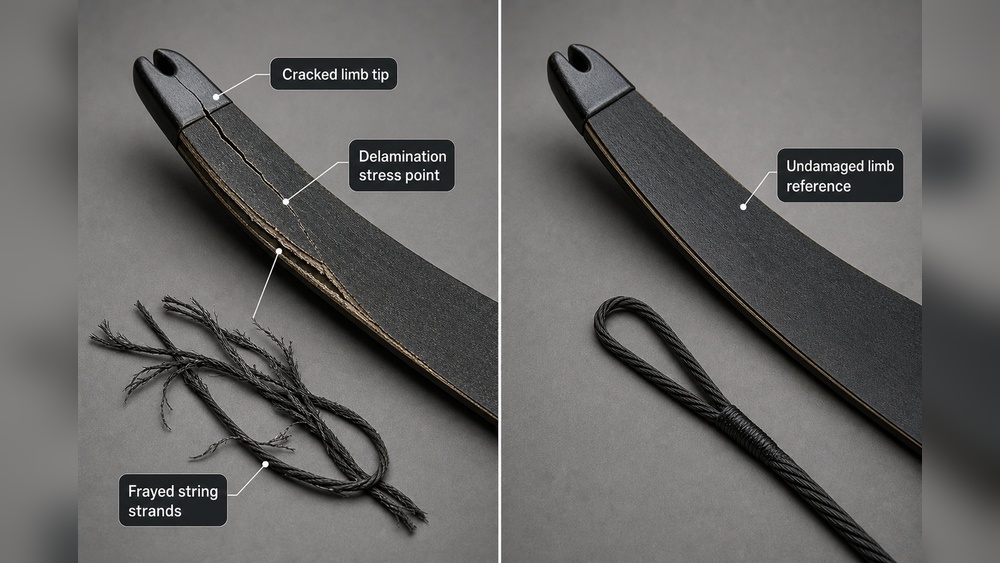
Would a Crack near a Handle Affect a Traditional Bow’s Performance?
A traditional bow feels almost alive in your hands. Wood, sinew, horn, these materials carry stories, power, and vulnerability. For many archers, a small crack near the handle seems minor, but it raises a real question: Does a crack near a handle affect a traditional bow? The answer is not as simple as yes or no. The effects depend on crack size, location, wood type, bow design, and how you use the bow.
This article explores how cracks form, what risks they bring, how they change a bow’s performance, and what to do if you find one. You’ll find comparison tables, real examples, clear advice, and a focused FAQ. By the end, you’ll understand why cracks near a bow’s handle matter, and when they don’t.
Understanding The Traditional Bow Handle
The handle (sometimes called the grip or riser) is the center part of a traditional bow. It’s where your hand holds the bow, and it connects the upper and lower limbs. The handle’s job is to transfer energy smoothly as you draw and release the string.
Handle Construction
Traditional bows use different materials and designs. Some are one solid piece of wood; others are laminated, combining wood with horn, sinew, or even modern materials. Here’s a simple comparison of common handle types:
| Handle Type | Materials | Main Features |
|---|---|---|
| Self Bow | Single wood piece | Simple, flexible, easy to crack if stressed |
| Laminated Bow | Multiple wood layers, sometimes horn or sinew | Stronger, more stable, resists small cracks |
| Take-down Bow | Wood with metal or composite fittings | Modular, handles stress well |
Key insight: The handle is not just a grip, it’s the bow’s energy hub. Cracks here are more critical than cracks in non-load-bearing areas.
Why Cracks Happen Near The Handle
Cracks near the handle appear for several reasons. Understanding their causes helps you judge their seriousness.
- Material defects: Wood is natural, so hidden knots, grain run-out, or mineral streaks can weaken the handle.
- Stress concentration: Every draw and release puts force on the handle. Over time, even small flaws can turn into cracks.
- Moisture and temperature: Changes in humidity or heat can swell or shrink wood, creating stress and cracks.
- Improper storage: Storing a bow in damp, hot, or direct sunlight can damage the handle.
- Impact or dropping: A fall or hard knock can start a crack, even if the bow looks fine at first.
Example: In my experience, I once found a small crack after leaving a bow in a humid basement. The crack grew quickly when I continued shooting.
Credit: renuityhome.com
Types Of Cracks And Their Significance
Not all cracks are equal. Some are harmless; others can ruin a bow or even cause injury.
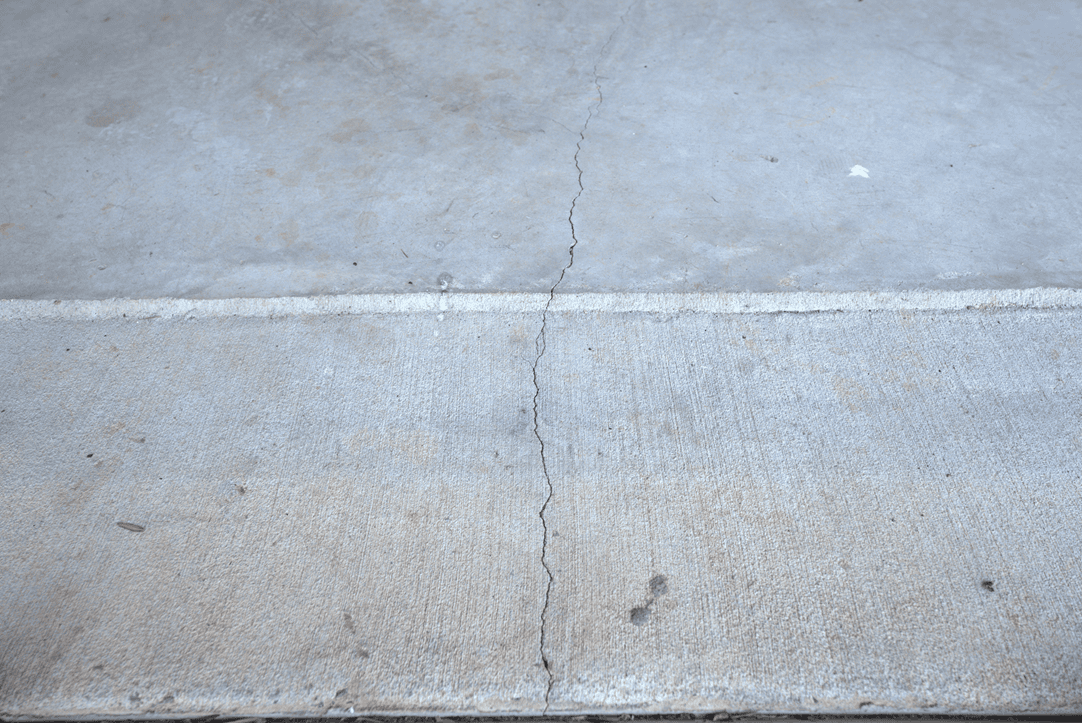
Superficial Surface Cracks
These cracks are shallow and affect only the finish or the outermost wood layer. They usually run along the grain and don’t go deep.
- Impact: Mostly cosmetic; rarely affect performance.
- Action: Monitor for changes, but shooting is usually safe.
Hairline Structural Cracks
These are thin, but they go deeper into the wood. They may follow the grain or cross it.
- Impact: Can weaken the handle, especially under heavy draw weights.
- Action: Stop using the bow if the crack grows or spreads.
Deep Or Spreading Cracks
These cracks penetrate far into the handle, possibly reaching the limb attachment points.
- Impact: Dangerous. Bow may fail suddenly during use.
- Action: Stop shooting immediately. Repair or retire the bow.
Comparison Of Crack Types
| Crack Type | Depth | Risk Level | Recommended Action |
|---|---|---|---|
| Superficial | Surface only | Low | Monitor |
| Hairline | Shallow to medium | Medium | Check regularly, reduce use |
| Deep/Spreading | Through handle | High | Stop use, repair |
Warning: Even small cracks near the handle can spread quickly with use.
How A Crack Near The Handle Affects Performance
A crack near the handle can change how a traditional bow feels and works. Effects vary based on crack size, depth, and bow design.
Loss Of Structural Integrity
The handle is the bow’s backbone. A crack reduces its strength, making it less able to handle the tension of a drawn string.
- Result: You may feel the bow flexing or hear creaking noises.
- Long-term: The crack may grow, causing the bow to break during shooting.
Reduced Accuracy
A cracked handle may twist or flex unevenly. This can change the way arrows fly.
- Result: Arrows may veer off target, groupings become inconsistent.
- Pro Tip: If your accuracy suddenly drops and your form hasn’t changed, check the handle for cracks.
Vibration And Shock
Cracks can disrupt the way the bow absorbs and transfers energy.
- Result: More hand shock or vibration after release.
- Health risk: Prolonged use with vibration can strain your wrist or arm.
Safety Concerns
A major crack could cause catastrophic failure. When a bow breaks during use, sharp fragments may injure the archer or bystanders.
- Example: Some archers report splinters or sudden snapping that causes bruises or cuts.
Key insight: Even a small crack can make a traditional bow unpredictable and unsafe over time.
What To Do If You Find A Crack Near The Handle
Finding a crack is worrying, but don’t panic. Here’s a calm, expert-based approach:
- Assess the crack: Look at length, depth, and direction. Is it growing?
- Stop shooting: If the crack is more than a surface scratch, stop using the bow until you decide on a repair.
- Photograph and monitor: Take clear photos. Check again after a few days.
- Consult a bowyer: An experienced bow maker can judge the risk and suggest options.
- Decide on repair or retirement: Some cracks can be fixed; others mean the bow is no longer safe.
Quick Guide: When To Shoot, Repair, Or Retire
| Crack Condition | Safe to Shoot? | Repair Needed? | Retire Bow? |
|---|---|---|---|
| Surface only, not growing | Yes, with caution | No | No |
| Hairline, growing slowly | No | Yes | No |
| Deep, spreading quickly | No | Possible, but risky | Yes |
Repairing Cracks Near The Handle
Some cracks can be repaired, but only with the right skills and materials. Attempting a repair without experience can make things worse.
When Repair Is Possible
- Crack is shallow and does not move when pressed
- Crack follows the grain, not against it
- Bow is valuable or sentimental
Repair Methods
- Cyanoacrylate (super glue) injection: For fine cracks, injecting thin glue can bond the wood fibers. Clamp until dry.
- Epoxy fill and clamp: For slightly larger cracks, carefully open the crack, apply epoxy, and clamp tightly.
- Wood insert or splint: For deeper cracks, a thin slice of matching wood can be glued in place for strength.
Warning: Never use nails, screws, or metal pins. These can cause further stress and sudden failure.
When To Seek Professional Help
If you are unsure, or if the bow is valuable, contact a professional bowyer. They have the skills and materials to restore strength and safety.
Example: A friend tried to fix a deep crack with household glue. The bow failed on the next shot, causing injury.
Credit: legendarchery.com
Preventing Cracks In The Handle
Prevention is always better than repair. Here are practical steps to keep your traditional bow safe:
- Store properly: Keep the bow in a dry, cool place away from sunlight and humidity.
- Use a bow case: Protects against bumps and accidental drops.
- Inspect regularly: Check the handle before every session, especially after transport or long storage.
- Avoid over-drawing: Don’t pull the string farther than the bow’s design allows.
- Handle with care: Don’t lean or step on the bow. Even small impacts can start a crack.
Pro Tip: Wipe your bow with a dry cloth after use to remove moisture and dirt, which can weaken wood over time.
How Crack Location And Bow Design Affect Risk
Not all traditional bows react the same way to handle cracks. Factors include handle shape, wood type, and bow length.
Handle Shape And Thickness
- Thicker handles spread stress better and are less likely to fail from a small crack.
- Slim handles (common in longbows) are more vulnerable.
Bow Design
- Recurve bows often have reinforced handles and can tolerate small cracks if the riser is laminated.
- Flatbows may show more flex at the handle, making cracks more dangerous.
Wood Species
Different woods react differently to cracks.
- Yew: Flexible, but cracks can spread fast.
- Osage orange: Very strong, but hard to repair if cracked.
- Maple: Durable, but can split suddenly.
Example: I’ve seen yew bows with small cracks last for years, but one maple bow failed after just a few sessions with a handle crack.
When Is A Cracked Bow Safe To Shoot?
This is the question most archers ask. The answer depends on risk tolerance, crack size, and bow value.
- If the crack is only in the finish or outermost wood layer, and does not grow, shooting may be safe with caution.
- If the crack grows, widens, or causes the bow to creak, stop immediately.
- Never shoot a bow with a deep, spreading, or moving crack near the handle.
Warning: Your safety is worth more than any bow. When in doubt, stop and seek expert advice.
Real-life Examples And Lessons
Many archers have faced handle cracks. Here are a few lessons from real cases:
- Case 1: A hunter noticed a hairline crack but kept shooting. The crack spread, and the bow broke during a hunt, ruining the trip and risking injury.
- Case 2: An archer stopped using their bow at the first sign of a crack. A bowyer repaired it with epoxy, and the bow lasted several more years.
- Case 3: One club member ignored a small crack, and the bow failed during a competition, sending splinters into their hand.
Key insight: Early action and regular inspection are always safer than waiting.
The Value Of Expert Inspection
Professional bowyers and experienced archers can spot risks that beginners miss. Some cracks look minor but hide bigger problems underneath. Don’t hesitate to ask for help.
Pro Tip: Many archery shops offer free or low-cost inspections. It’s worth it, especially if your bow is old, valuable, or used for competition.
Environmental Factors And Long-term Risks
Cracks near the handle often come from long-term environmental stress, not just accidents.
- Humidity swings: Wood expands and contracts, creating micro-cracks.
- Heat exposure: Direct sunlight or hot cars can soften glue or warp wood.
- Poor storage: Leaning a bow against a wall can stress the handle unevenly.
Example: One summer, I left a bow in a car trunk. The handle crack that formed never went away.
Insurance And Liability
If you use traditional bows for teaching or club activities, a cracked handle is a liability risk. Insurance may not cover injuries from knowingly damaged equipment. Always check your bow before group use.
When To Retire A Bow
Sometimes, a crack means the bow’s working life is over. Sentimental value is real, but safety comes first.
- If a crack keeps growing after repair, retire the bow.
- If you hear creaking, popping, or see limb separation, stop immediately.
- Display cracked bows as art or history, not as tools.
Frequently Asked Questions
What Tools Can I Use To Inspect A Handle Crack More Closely?
A magnifying glass or jeweler’s loupe helps spot tiny cracks or changes in the finish. Good lighting is important. Some archers use a thin blade to gently probe for movement, but be careful not to widen the crack accidentally.
Credit: www.gothrasher.com
Will Oiling Or Waxing My Bow Prevent Cracks Near The Handle?
Oiling or waxing helps maintain wood moisture and finish, but it does not prevent deep cracks from stress or impact. Regular oiling can slow surface drying, but inspection and careful handling matter more for crack prevention.
Can I Use Tape Or Wraps To “fix” A Handle Crack Temporarily?
Wrapping with tape may hold a crack together for transport, but it does not restore lost strength. Tape can hide cracks and delay proper repair. Only use wraps for short-term stabilization, not as a shooting solution.
Do Modern Glues Make Old Bows Safe Again?
Modern adhesives like cyanoacrylate or epoxy can repair some cracks, but they don’t always restore full strength, especially for deep handle cracks. A professional bowyer’s assessment is crucial before trusting a repaired bow for regular use.
Where Can I Learn More About Traditional Bow Maintenance And Repair?
Many archery clubs and museums offer classes or guides. The Traditional Bowyer’s Bible series and the Wikipedia Bowyer entry provide deeper knowledge on bow care and repair techniques.