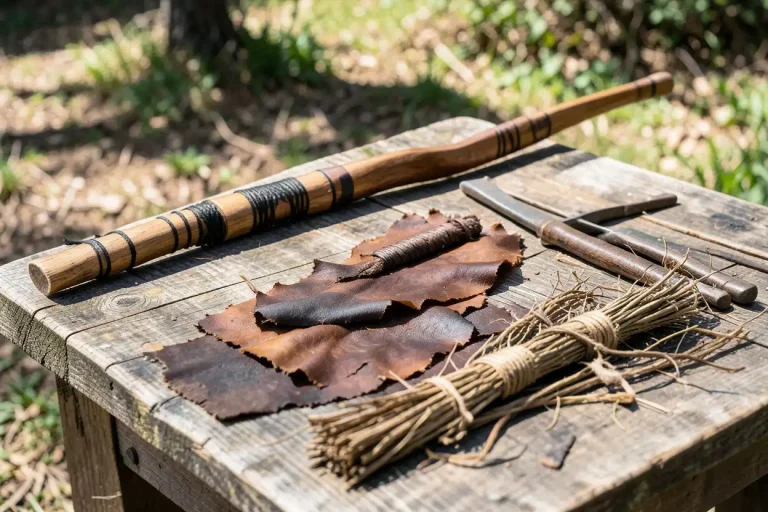
Traditional Bow Making: Wood Choice, Tillering & Finishing
Traditional bows are crafted from a single wood stave, cut close to shape, then tillered until both limbs flex evenly under draw weight before nocks, backing, and a finish are added. Skip backing on a knot-prone wood and the bow risks snapping mid-draw. This guide breaks down each step, from choosing the right wood species to the final shooting bow.
The Proven Craft: Understanding Traditional Bow Making
Traditional bow making is an ancient art, refined over centuries. It’s a process deeply connected to nature, requiring an understanding of wood, patience, and careful attention to detail. Unlike modern compound bows with their cables and pulleys, traditional bows rely on the inherent properties of the wood itself to store and release energy. This journey from a raw stave to a shooting bow is fascinating, and understanding it can deepen your appreciation for the archery gear you use. We’re going to explore each stage, making it simple, even if you’ve never held a bowyer’s tool before.
What is a Traditional Bow?
Before we dive into the “how,” let’s clarify what we mean by “traditional bow.” Generally, this refers to bows made with minimal modern materials. Think wood, animal sinew, horn, and natural fibers. These are the bows you see in historical reenactments, ancient art, and the hands of many modern archery enthusiasts who appreciate their simplicity and connection to the past.
Common types of traditional bows include:
- Longbows: Typically tall, flat-limbed bows, often made from a single piece of wood (self-bows).
- Recurve Bows: Bows where the tips curve forward away from the archer when unstrung. This design stores more energy and provides a faster arrow.
- Horsebows: Shorter bows, often with recurved or reflexed limbs, designed for use from horseback.

The Journey of a Traditional Bow: From Stave to Shot Ready
Creating a traditional bow involves several distinct phases. Each step is crucial for the bow’s performance, durability, and longevity. Let’s walk through them:
1. Selecting the Right Wood (The Stave)
The foundation of any good traditional bow is the wood used. This isn’t just any branch; it’s a carefully chosen piece of timber, often called a “stave.” The type of wood, its grain, and how it was harvested and dried all play a massive role.
Common Bow Wood Choices:
- Osage Orange: Often considered the king of bow woods, known for its strength, flexibility, and durability.
- Hickory: A good, accessible wood, though it can be a bit more prone to compression fractures than Osage.
- Yew: Historically very popular, especially for English longbows, for its combination of compression (heartwood) and tension (sapwood) properties.
- Ash: A strong and resilient wood, making it a good choice for self-bows.
- Maple: Can make a decent bow, though often requires careful selection and backing.
What to Look for in a Stave:
- Straight Grain: The grain lines should run as straight as possible from the nock to the nock. Avoid knots or significant twists in the working part of the stave.
- Seasoning: The wood must be properly seasoned (dried) to a stable moisture content, typically 8-12%. Improper drying – too fast or too slow – can lead to cracks and warping. This often takes several years.
- Heartwood vs. Sapwood: Many traditional bows utilize both the darker heartwood and the lighter sapwood, as they have different properties under tension and compression.
A seasoned stave is the most critical starting point. You can buy pre-seasoned staves from specialized suppliers like Traditional Archery, which saves you the multi-year drying process.
2. Shaping the Stave: From Rough Stick to Bow Limbs
Once you have your stave, the shaping begins. This is where the raw material starts to look like a bow.
Best Bowyer Tool Pick
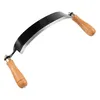
10in Curved Draw Knife Woodworking Debarking Tool
A curved drawknife for the initial roughing-out stage this guide lists first in its tools checklist.
- Best for: roughing a stave down to rough bow-limb dimensions
- Why we picked it: matches the drawknife this guide lists as an essential first tool
- Main drawback: requires practice to avoid removing too much wood too fast
Compare more options
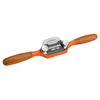 Option 1 JORGENSEN No.59F Spokeshave for Woodworking
| 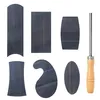 Option 2 HERMIT TOOLS Cabinet Scraper Burnisher Set
| 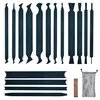 Option 3 17pc Card Scraper Woodworking Cabinet Scraper Set
|
As an Amazon Associate we earn from qualifying purchases.
Tools You Might Need:
- Drawknife
- Scrapers (card scraper, spokeshave)
- Rasps and Files
- Hatchet or Ax (for initial roughing out)
- Pencil or Chalk
The Process:
- Layout: Mark the center of the stave (the handle or grip area), and then mark out the rough shape of your limbs. You’ll want a central thicker section for the handle and limbs that taper towards the tips.
- Rough Shaping: Using a drawknife or hatchet, carefully remove excess wood. The goal is to create the basic back (the side facing away from the archer), belly (the side facing the archer), and edges of the limbs. The back is usually left as the original outer surface of the wood, as it’s the strongest part for tension. Never till into the back!
- Tapering: Gradually reduce the width and thickness of the limbs from the handle towards the tips. The exact taper design is critical for how the bow will bend.
3. Tillering: The Heart of Bow Making
Tillering is arguably the most crucial and delicate stage. It’s the process of carefully removing wood from the belly of the limbs to ensure they bend evenly and symmetrically, storing energy without breaking. A poorly tillered bow will be weak, shoot poorly, or snap.
Tools for Tillering:
- Tillering stick/tree: A notched board or sturdy tree limb used to hold the bow at increasing draw lengths.
- Measuring tape or rulers
- Scrapers and rasps
- Bow square (optional, but helpful for checking limb angles)
Tillering Steps:
- Initial Bending: Place the bow on the tillering stick, usually with the handle resting on a block and the string nock hooked into a notch. Gently pull the string (or a temporary string of the same length) towards the next notch.
- Observe the Bend: Look closely at the limbs. Identify “stiff” spots (areas that aren’t bending enough) and “hinges” or “voids” (areas that are bending too much or too suddenly).
- Remove Wood: Carefully scrape wood from the belly of the stiff spots. Less is more here. You want to incrementally remove material, gradually increasing the draw length on the tillering stick and observing the bend at each step.
- Symmetry is Key: Constantly check that both limbs are bending identically. If one limb is stiffer, you remove wood from its belly. If one is bending more, you might need to add wood or carefully remove from the other limb’s belly.
- Floor Tiller to Full Draw: Gradually increase the draw length on the tillering stick, moving from short pulls to longer ones, until the bow reaches its intended full draw length and bends in a smooth, even arc. This can take days or weeks.
A helpful analogy for tillering is like tuning a musical instrument. You’re adjusting the tension and flexibility until it creates the perfect “note” – a smooth, consistent bend.
4. Nocks and String Grooves
Once the limbs are tillered, you need to create the points where the bowstring will attach. These are called nocks.
Methods:
- Carved Nocks: Simple, functional grooves carved into the tips of the limbs.
- Reinforced Nocks: Often made by adding overlays of a thicker material (like horn or a denser wood) to the tips to prevent abrasion and cracking from the bowstring. This is common on highly stressed bows.
These grooves must be smooth and well-shaped to avoid damaging the bowstring.
5. Backing (Optional but Recommended)
Many traditional bows benefit from a backing material applied to the back of the limbs. This adds strength and protects the back from tension stress, significantly reducing the risk of the bow breaking.
Common Backing Materials:
- Rawhide: Dried animal skin that becomes very strong when glued and stretched onto the back.
- Sinew: Animal tendons layered and glued onto the belly or back. Highly elastic and adds significant strength.
- Wood Veneers: Strips of wood with a different grain orientation or type (e.g., maple or hickory veneer on a osage bow).
The backing is typically glued on with hide glue or epoxy, applied evenly and without wrinkles. The bow is then often stored under tension while the glue dries.
For beginners, applying a wood veneer or rawhide backing can dramatically increase the chances of a successful build. Resources like the FBI collections guide (while not about bow making directly) highlights the importance of understanding material properties, which is key in bow making too.
6. Finishing Touches
With the tillering complete and backing applied (if used), the bow is almost ready.
Finishing Steps:
- Sanding: Smooth out any rough spots or tool marks with progressively finer sandpaper for a polished feel.
- Sealing: Apply a protective finish to shield the wood from moisture. Options include:
- Bowsilk: A traditional finish made from silk fibers and natural oils.
- Natural Oils: Tung oil, linseed oil.
- Varnish/Polyurethane: Modern, durable sealants.
- String Making: A proper bowstring is essential. Traditional strings are often made from linen (like Dacron or Flemish twist strings) or other natural fibers.
The choice of finish affects both the look and the durability of the bow.

Traditional Bow Making: Materials and Tools Comparison
Understanding the materials and tools helps appreciate the craft’s nuances. Here’s a look at the common gear:
| Tool/Material | Description | Importance in Bow Making | Beginner Friendliness |
|---|---|---|---|
| Wood Stave (Osage, Yew, Hickory, Ash) | The raw, seasoned wood chosen for its properties. | The absolute foundation of the bow. Dictates performance and durability. | Requires research and careful selection. Buying seasoned staves is easier. |
| Drawknife | A two-handled knife for shaving wood. | Essential for rough shaping and removing larger amounts of material quickly. | Requires practice to avoid gouging the wood. Can be challenging to master. |
| Spokeshave | A tool with handles and a blade, used for finer shaping and smoothing. | Excellent for refining limb profiles and creating smooth curves. | Easier to control than a drawknife for shaping curves. |
| Scrapers (Card Scraper, Cabinet Scraper) | Thin, sharp pieces of steel used to shave thin layers of wood. | Crucial for tillering, allowing precise removal of wood from the belly. | Relatively easy to use for controlled wood removal. |
| Rasps/Files | Coarse tools for shaping and smoothing. | Useful for initial shaping and smoothing after rough cuts. | Easy to use for general shaping and smoothing. |
| Tillering Stick/Tree | A jig to hold the bow and progressively pull the string. | Absolutely vital for safe and effective tillering. | Essential. Can be homemade or purchased. |
| Bowstring Material (Dacron, Flemish Twist) | The material used to make the bowstring. | The bow is useless without a string. Needs to be strong and durable. | Can be bought pre-made, or learning to make them is a valuable skill. |
| Backing Material (Rawhide, Veneer) | Material glued to the back of the bow for reinforcement. | Adds significant durability and safety to the bow. | Adds complexity but greatly increases success rate. |
Safety First in Bow Making
Bow making, like archery itself, requires a focus on safety. Working with sharp tools and wood under tension means being mindful at every step.
- Tool Safety: Always wear protective eyewear when sawing, scraping, or using sharp tools. Keep your tools sharp; dull tools are more dangerous because they require more force and can slip.
- Wood Stress: Be aware that wood under tension can break suddenly. Never stand directly in front of a bow limb during tillering.
- Dust: Wood dust can be an irritant. Work in a well-ventilated area or wear a dust mask.
- Patience: Rushing the process, especially tillering, is the surest way to break a bow. Work slowly and deliberately.
For more on general archery safety, resources from organizations like the USA Archery website are excellent.

FAQ: Your Traditional Bow Making Questions Answered
Do you still have questions swirling around? Here are some common concerns for budding bowyers:
Q1: How long does it take to make a traditional bow?
A1: The time varies greatly depending on your experience and the complexity of the bow. A simple self-bow might take 20-40 hours of active work, but much of that is slow, patient tillering. Seasoning the wood itself can take years.
Q2: Is it really possible to make a good bow from scratch?
A2: Absolutely! Millions of bows were made by hand for centuries. With careful study of the process and patience, anyone can learn to create a functional traditional bow.
Q3: What’s the biggest mistake beginners make?
A3: The most common mistake is removing too much wood too quickly during tillering. This leads to hinges and eventual breakage. Patience and a slow, incremental approach are key.
Q4: Do I need a lot of expensive tools to start?
A4: You don’t need everything at once. A basic set of woodworking tools (drawknife, scraper, rasp, tillering stick) is a good start. You can gradually add more specialized tools as your skills and interests grow.
Q5: Can I use wood from my backyard?
A5: While possible, it’s risky for a beginner. Backyard trees may not be the best species, and proper seasoning is critical. Untreated, freshly cut wood will likely warp, crack, and perform poorly. It’s best to start with properly sourced and seasoned wood.
Q6: How do I know when my bow is tillered correctly?
A6: A correctly tillered bow will bend in a smooth, even arc on both limbs, forming a roughly semi-circular shape at full draw. There should be no flat spots (stiff areas) or hinges (areas that bend excessively). You’ll hear the wood creak and groan as it approaches its limits during tillering; listen to what it’s telling you.
Q7: What weight should my first bow be?
A7: For your first bow, aim for a lower draw weight, perhaps 25-35 pounds at your draw length. This allows you to practice the tillering process without putting excessive stress on the wood or yourself. It also makes it a comfortable bow to shoot regularly.
Conclusion: The Rewarding Path of the Bowyer
The creation of a traditional bow is a journey that honors craftsmanship, patience, and a deep respect for natural materials. From the careful selection of a seasoned stave to the meticulous process of tillering, each step contributes to a unique piece of functional art. While challenging, the reward of drawing back a bow you’ve shaped with your own hands is immense. It’s a connection to ancient skills and a deeply satisfying hobby.
Remember, the key ingredients are patience, careful observation, and a willingness to learn from each step. Don’t be discouraged if your first bow isn’t perfect; every bowyer has made bows that didn’t quite make it.