What Were Traditional Japanese Bows Made From? Unveiling Ancient Craft
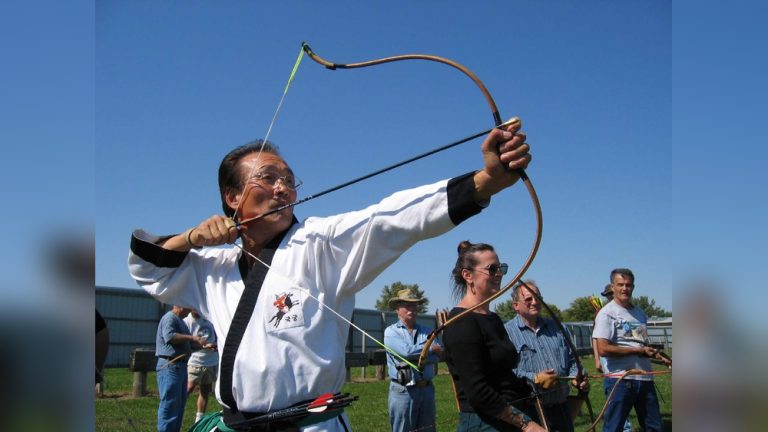
The world of traditional Japanese archery, or kyudo, is filled with history, craftsmanship, and a deep connection to natural materials. For centuries, the people of Japan have created bows that are not only functional weapons but also works of art. These bows, known as yumi, played important roles in samurai warfare, hunting, and ceremonial activities. But what exactly were traditional Japanese bows made from, and why did the makers choose these specific materials?
To answer this, we must look at the natural resources of Japan, the skills of the craftsmen, and the unique needs of Japanese archery. The yumi is very different from Western bows, not only in its shape but also in its construction.
Understanding the materials used helps us see how Japanese culture, environment, and technology came together in these remarkable bows. This article explores the main materials, the reasons behind their choices, the crafting process, and the lasting cultural impact of traditional Japanese bows.
The Main Materials Of Traditional Japanese Bows
A traditional Japanese bow, or yumi, is famous for its long, asymmetric shape. But the secret to its power and beauty lies in the materials used to make it. The bow’s core, belly, and back are all made from different natural materials, each chosen for its special qualities.
Bamboo: The Heart Of The Yumi
The most important material in a traditional yumi is bamboo. Japanese craftsmen have long valued bamboo for its flexibility, strength, and light weight. The species most commonly used is madake bamboo (Phyllostachys bambusoides), which grows tall and straight in Japan’s forests.
Bamboo is used for both the front (belly) and back of the bow. When the bow is drawn, the belly compresses while the back stretches. Bamboo handles these stresses well, so it rarely breaks even after repeated use. Also, bamboo’s natural fibers help the bow return quickly to its original shape, giving the arrow a smooth, strong release.
One non-obvious insight: Not all bamboo is the same. Craftsmen select stalks that have grown for at least three to five years, often harvested in winter when the plant’s sap is low. This ensures the bamboo is dry, strong, and less likely to crack.
Wood: Providing Structure And Strength
While bamboo forms the surface layers, the core of the yumi is often made from wood. The most common wood used is Japanese mulberry (Broussonetia kazinoki), known locally as kōzo. Sometimes, hazel, wax tree (sumac), or cedar is also used depending on the region and availability.
The wood core gives the bow its basic shape and provides a strong, stable foundation for the flexible bamboo layers. Mulberry is especially valued for its balance between hardness and resilience. It helps the yumi keep its form and adds to its overall strength without making it too heavy.
Rattan: Binding And Reinforcing
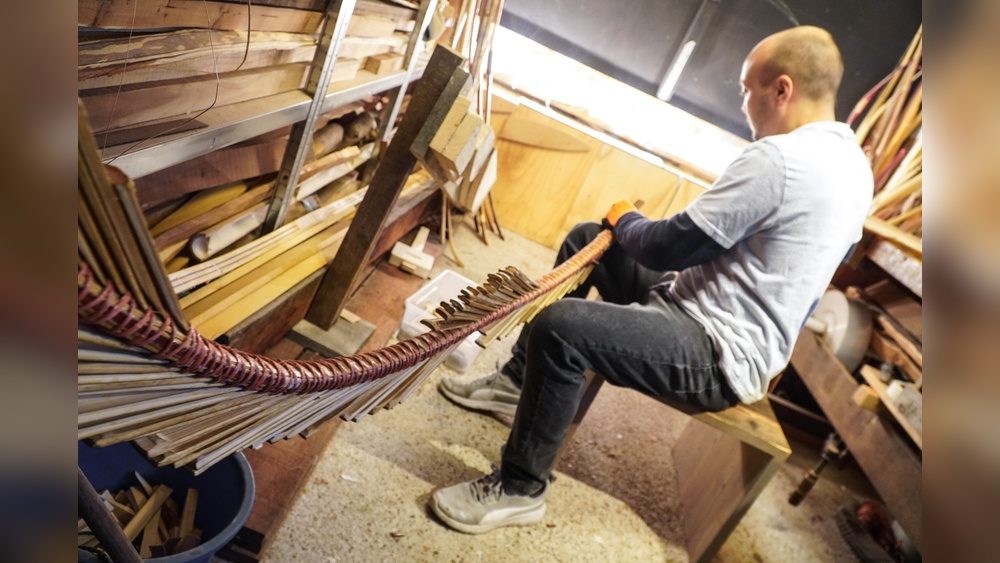
Another key material is rattan. Thin strips of rattan are wrapped around the bow, especially at the grip and at points of stress. This binding holds the bamboo and wood layers tightly together, preventing them from splitting or separating when the bow is drawn.
Rattan bindings are not just functional; they also add beauty and tradition to the yumi. In my experience, a well-wrapped rattan grip feels comfortable and secure in the hand, even during long practice sessions.
Lacquer And Glue: The Hidden Ingredients
Two less visible but crucial materials are natural glue and urushi lacquer. The glue, often made from fish bladders or animal hides, is used to bond the bamboo and wood layers together. This natural glue remains flexible and strong for decades if kept dry.
Urushi lacquer, made from the sap of the lacquer tree (Toxicodendron vernicifluum), is sometimes applied to the finished bow. It protects the surface from moisture, insects, and wear while giving the yumi a glossy finish. Applying urushi is a skilled art, as it must be layered thinly and dried carefully to avoid cracking.
Pro Tip: Urushi can cause severe skin reactions. Craftsmen use special gloves and work in well-ventilated spaces to avoid allergic responses.
Why These Materials Were Chosen
The materials in a traditional Japanese bow are not chosen by accident. Each one was selected after centuries of testing and experience. Let’s look at the reasons behind these choices.
The Japanese Environment
Japan’s climate, with its humid summers and cold winters, creates unique challenges for bow making. Materials like bamboo and mulberry grow naturally in Japan and are well-suited to its weather. These materials expand and contract with the seasons but rarely warp or break if treated properly.
Bamboo especially thrives in Japan’s forests. It is renewable, fast-growing, and easy to harvest. These qualities made it an obvious choice for bowyers, who needed reliable supplies for both practice and warfare.
The Demands Of Kyudo And Combat
Japanese archery is different from Western styles. The yumi is usually over two meters long and is held below the center, giving it an asymmetric shape. This design lets archers shoot from a sitting or kneeling position, useful on horseback or inside buildings.
To handle the high stress of repeated shooting and to deliver powerful shots, the bow must be both flexible and strong. Bamboo and wood together provide this balance. Rattan binding helps the bow survive sudden shocks, and lacquer protects it from rain and sweat.
Tradition And Craftsmanship
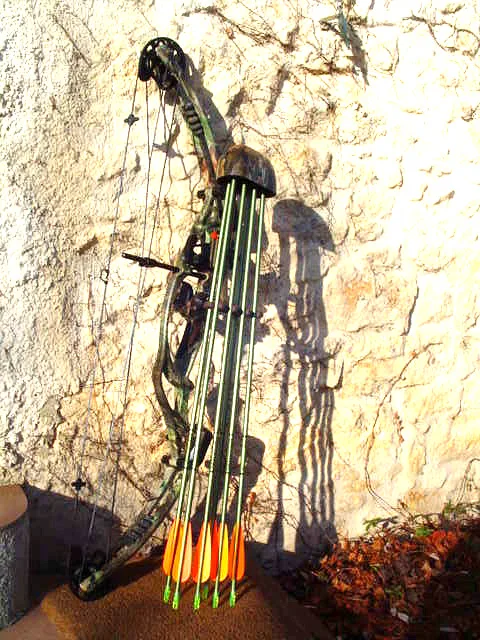
Over hundreds of years, Japanese bow makers developed strict rules for materials and construction. These traditions are preserved even today. Modern synthetic materials like fiberglass or carbon fiber are sometimes used for practice bows, but traditional bows for ceremonies and competitions are still made using bamboo, wood, rattan, and lacquer.
One thing beginners often miss: The value of a yumi is not just in its materials, but also in the skill and care of its maker. A bow made from average bamboo by a master will often outperform one made from perfect bamboo by an inexperienced craftsman.
The Crafting Process: From Forest To Finished Bow
Making a traditional yumi is a long and careful process. Each step uses the natural qualities of bamboo and wood to their best advantage.
Harvesting And Preparing Bamboo
It all begins in the forest. Craftsmen choose straight, thick bamboo stalks, usually in winter. The bamboo is cut, dried, and then sometimes smoked over a fire to remove moisture and kill insects. This drying can take several months.
The bamboo is then split into strips. Each strip is planed and sanded until it is the right thickness for the bow’s belly or back. Thin strips are used for the outside layers, while thicker pieces may go in the core if extra strength is needed.
Shaping The Wood Core
The wooden core, usually mulberry, is cut and shaped into a long, slightly curved form. The curve is important, it gives the yumi its distinctive asymmetric look and helps balance the forces when the bow is drawn.
The wood is planed smooth and sometimes steamed to bend it more easily. It is then left to dry for several weeks to prevent warping later.
Laminating The Bow
Once the bamboo and wood are ready, the bowyer glues the layers together. This lamination is done with natural glue, which stays flexible and strong over time. The layers are pressed together, sometimes using special molds or clamps, and left to dry slowly.
After the glue sets, the bow is shaped again with knives and files. The finished bow tapers from a wide grip to thin tips, with the bamboo belly facing the archer and the bamboo back facing away.
Binding With Rattan
Rattan strips are soaked in water until flexible, then wrapped tightly around the bow. The binding is most important at the grip and the tips, where stress is highest. Some bows have decorative patterns created with the rattan, adding beauty as well as strength.
Applying Lacquer And Final Touches
The last step is to sand the bow smooth and apply urushi lacquer if desired. Some bows are left natural, while others are painted or decorated with gold or silver. The finished yumi is then tested for balance, draw weight, and smoothness.
If any part is not perfect, the craftsman may adjust the shape, replace a layer, or even start over. This dedication to quality is one reason traditional Japanese bows are so respected.
Comparing Traditional Japanese Bows To Western Bows
To better understand the special qualities of the yumi, it helps to compare it with Western longbows or recurve bows.
| Feature | Japanese Yumi | Western Longbow |
|---|---|---|
| Length | Over 2 meters | 1.5, 1.8 meters |
| Material | Bamboo, wood, rattan, lacquer | Wood (yew, elm, etc.) |
| Shape | Asymmetric | Symmetric |
| Lamination | Yes (multi-layered) | Usually no (solid wood) |
| Grip Position | Below center | Center |
This comparison shows how Japanese bows use more complex lamination and natural materials, resulting in a flexible yet strong weapon suited for their unique archery style.
The Role Of Materials In Bow Performance
The choice and treatment of materials directly affect how a yumi performs. Let’s break down the main factors.
Draw Weight And Flexibility
Draw weight is the force needed to pull the bowstring to its full length. For war bows, this could be over 30 kilograms (about 66 pounds), while practice bows may be as light as 7 kilograms (about 15 pounds).
Bamboo’s flexibility lets the bow bend smoothly, making it easier to draw even at high weights. The wood core adds stiffness, preventing the bow from “stacking” (becoming too hard to pull near full draw).
Durability And Longevity
A well-made yumi can last for decades if properly cared for. Bamboo resists cracking, while rattan bindings stop layers from peeling apart. Urushi lacquer keeps moisture and insects out, protecting the bow’s surface.
However, these natural materials can also be sensitive to changes in temperature and humidity. That’s why archers store their bows in dry, cool places and check for damage regularly.
Weight And Balance
Traditional yumi are surprisingly light for their size, often weighing less than 1 kilogram (2. 2 pounds). The long, thin design and use of bamboo help distribute the weight evenly, so the bow feels balanced in the hand.
This makes the yumi comfortable for long practice sessions and helps the archer maintain proper form.
Challenges In Crafting Traditional Japanese Bows
Making a yumi is not easy. There are many challenges that only experienced bowyers can handle.
Finding Quality Materials
Not all bamboo or mulberry is suitable for bow making. Craftsmen spend years learning how to select, cut, and season the right stalks. A single weak spot in the bamboo can ruin a bow during use.
Mastering The Lamination Process
Gluing bamboo and wood together requires perfect timing and technique. If the layers are not pressed evenly, the bow may twist or delaminate. Natural glue can also be sensitive to moisture, so the workshop must be kept clean and dry.
Shaping And Tuning
Even after assembly, the yumi must be carefully shaped and balanced. Small changes in thickness or curve can greatly affect draw weight and shooting performance. This is where the craftsman’s “feel” for the material is critical.
Pro Tip: When buying a traditional yumi, always check that the bamboo layers are smooth and even, with no gaps or bulges. This is a sign of careful workmanship.
Preserving Tradition: Modern Uses And Cultural Significance
Today, the tradition of Japanese bow making continues, though fewer people practice the craft than in the past. Most yumi are now made for kyudo, which is both a sport and a spiritual discipline.
Ceremonial Use
Special yumi are made for Shinto ceremonies, where the bow is a symbol of purity and spiritual power. These ceremonial bows are often decorated with gold leaf or painted patterns and may be larger than those used for target shooting.
Martial Arts And Sport
In kyudo schools, students learn to care for their bows and respect the materials. Training with a real bamboo yumi is considered an important step in becoming a skilled archer.
Collecting And Appreciation
Some people collect antique yumi as art objects. The finest bows, made by famous masters, are considered national treasures in Japan. Museums and private collectors display these bows for their beauty and history.
Example: The Tokyo National Museum holds several centuries-old yumi, showing the evolution of materials and techniques over time.
The Role Of Materials In Modern Yumi
While the traditional materials remain the gold standard, modern archery has also brought changes. For beginners, synthetic bows made from fiberglass or laminated wood are common. These are more affordable and less sensitive to weather changes, but they lack the unique feel and character of bamboo and mulberry.
Even so, most serious kyudo practitioners eventually switch to traditional yumi as their skills improve. The connection to natural materials and the centuries-old craft is an important part of the experience.
Caring For A Traditional Japanese Bow
Because natural materials can change over time, proper care is essential. Here are some tips for keeping a yumi in good condition:
- Store the bow in a cool, dry place away from direct sunlight.
- Check for cracks or loose bindings regularly.
- Avoid exposing the bow to sudden temperature changes or moisture.
- Wipe the surface with a soft cloth after use to remove sweat and dust.
- Reapply lacquer or bindings as needed, using traditional materials if possible.
Warning: Never string a yumi for long periods when not in use. This can permanently deform the bamboo and reduce the bow’s power.
Table: Traditional Vs. Modern Yumi Materials
Here’s a comparison of materials used in traditional and modern Japanese bows:
| Part | Traditional Yumi | Modern Yumi |
|---|---|---|
| Belly & Back | Bamboo | Fiberglass or Carbon Fiber |
| Core | Mulberry, Hazel, Cedar | Laminated Wood or Synthetic Foam |
| Binding | Rattan | Rattan or Synthetic Cord |
| Coating | Urushi Lacquer | Synthetic Paint or Varnish |

Credit: www.scmp.com