What Wood are Traditional Bows Made from: Expert Guide
For thousands of years, the bow has been a vital tool for hunting, warfare, and sport. The wood chosen for a traditional bow is not just a material, it shapes the bow’s power, flexibility, and even its sound. If you’ve ever picked up a classic longbow, short bow, or recurve, you may have wondered: What wood are traditional bows made from? The answer is both simple and complex. Simple, because only a few woods truly excel for bow-making; complex, because each culture, climate, and historical period favored different species, each with unique properties.
Let’s explore the most important woods for traditional bows, understand why they work, and see how they compare. Whether you’re a beginner, a history lover, or an aspiring bowyer, this guide will help you appreciate the link between nature and archery.
Why Wood Choice Matters In Bow Making
A bow is more than a stick with a string. The right wood must combine strength, flexibility, and durability. It needs to bend without breaking and snap back quickly to transfer energy to the arrow. If the wood is too weak, the bow will crack. If it’s too stiff, it won’t shoot well. This balance is why only a small number of woods are truly suited for traditional bows.
Pro Tip: When choosing wood for a bow, look for straight grain and no knots. Even the best species can fail if the grain is twisted or weak.
The Most Popular Traditional Bow Woods
Yew
Yew is perhaps the most legendary wood for bows, especially in Europe. English longbows made from yew played a huge role in history, especially during the Middle Ages. Yew has a unique structure: it combines a soft inner heartwood with strong outer sapwood. This “natural laminate” makes yew both flexible and strong.
Yew bows can last for decades if cared for, and they hold their shape well. However, yew is also rare and expensive today, as old-growth yew trees have become protected in many countries. The best yew comes from slow-growing trees in cold climates, such as the Taxus baccata found in the UK and parts of Europe.
Osage Orange
In North America, Osage orange (Maclura pomifera) is famous for bow making. Native Americans called it “bois d’arc” or “bow wood.” Osage is bright yellow when fresh and turns golden-brown as it ages. It’s extremely tough, resists rot, and can make powerful, fast bows that last for generations.
One non-obvious insight is that Osage orange bows are known for their “cast”, the speed with which they shoot arrows. This makes them a favorite among modern traditional archers who want both performance and authenticity.
Hickory
Hickory is another classic American bow wood. It’s heavy, strong, and very forgiving, meaning it can handle more mistakes in the bowyer’s process. Hickory can survive in humid climates, where other woods might warp or rot. It’s often used for self bows (bows made from a single piece of wood) and backing (adding a layer to the bow’s back for extra strength).
Hickory is not as fast as yew or Osage, but it’s widely available and affordable. For beginners, it’s an excellent starting point.
Elm
Elm has been used for bows across Europe and Asia. It’s strong and flexible, with a coarse grain that helps prevent sudden breaks. Elm was often used during times when yew was scarce, such as during wartime in England.
One subtle advantage of elm is its resistance to splitting, making it more forgiving to work with for new bowyers.
Ash
Ash is another European favorite. It’s light, springy, and easy to shape. Ash bows are often wider than yew bows to make up for the wood’s lesser strength. They perform well but need to be carefully dried and stored, as ash can be sensitive to changes in humidity.
Ash is also popular for making flatbows, especially in Scandinavian regions.
Bamboo
While not technically wood, bamboo is a staple for bows in Asia. Japanese yumi bows and Korean bows often use laminated bamboo. Bamboo is strong in tension, light, and grows rapidly, making it sustainable. It’s especially valued for its ability to bend without breaking.
Bamboo is often used as a backing material, glued to other woods to improve flexibility and speed.
Maple
Maple is used in laminated recurve bows, often combined with fiberglass or other woods. It’s hard, fine-grained, and stable. While not as common for self bows, it’s popular for modern traditional bows due to its predictable performance.
Maple can be found in North America and Europe, and its use in composites makes it essential for many sports archers.
Lemonwood
Despite the name, lemonwood is actually Degame (Calycophyllum candidissimum), a tropical hardwood from Central and South America. It became popular in the early 20th century when yew became scarce. Lemonwood is dense, strong, and resists changes in humidity, making it ideal for bows in varied climates.
Lemonwood bows are typically straight-limbed and simple, and they are less likely to warp than some European woods.
Black Locust
Black locust (Robinia pseudoacacia) is sometimes called “North American yew” because of its similar qualities. It is hard, strong, and naturally resistant to rot. Black locust bows can be very fast and durable, but the wood must be carefully selected and dried to avoid cracking.
Black locust is less known outside the US, but it’s gaining popularity among traditional bowyers.

Credit: classic-bow.com
Comparing Wood Properties For Bow Making
Choosing the right wood means understanding the unique balance of qualities each offers. Below is a comparison of some key properties:
| Wood Type | Density (kg/m³) | Flexibility | Durability | Common Use |
|---|---|---|---|---|
| Yew | 670 | Excellent | High | Longbows |
| Osage Orange | 770 | Excellent | Very High | Self Bows |
| Hickory | 800 | Good | High | Self/Backed Bows |
| Elm | 690 | Good | Medium | Self Bows |
| Ash | 670 | Good | Medium | Flatbows |
| Bamboo | 600 | Excellent | High | Laminated/Backed Bows |
Note: Density values are approximate averages and can vary by source and growing conditions.
How Different Cultures Used Bow Woods
Europe: Yew And Ash
Europe’s forests shaped its archery traditions. The English longbow, made famous by the Battle of Agincourt, relied on yew. In Scandinavia and Eastern Europe, ash and elm were often used, especially where yew was rare.
North America: Osage Orange And Hickory
Native American tribes valued Osage orange above all. The Cherokee and Osage Nation used it for hunting and warfare. Hickory became common as settlers moved eastward, thanks to its abundance and forgiving nature.
Asia: Bamboo And Mulberry
Japanese and Korean bows use bamboo in unique ways. The Japanese yumi is a composite bow with bamboo facing, while Korean bows are made from layers of bamboo, wood, and sometimes horn. In China, mulberry and other local woods were also used.
Africa And The Middle East
In drier regions, woods like acacia and juniper were used. These species were chosen for their resistance to splitting and their availability.
South America
In tropical climates, species like lemonwood and ipê (a dense hardwood) were used. These woods resist humidity and pests, which is crucial in warm, wet areas.

Credit: classic-bow.com
Self Bows Vs. Laminated Bows: Wood Selection
A self bow is carved from a single piece of wood. This means the wood must be flawless, straight-grained, with no knots or twists. Yew, Osage orange, and hickory are perfect for this.
Laminated bows use layers of different woods (and sometimes horn, sinew, or modern materials). This lets bowyers combine the strengths of each material. For example, a bamboo-backed lemonwood bow uses bamboo’s flexibility and lemonwood’s stability.
Below is an example of how different woods are used in bow construction:
| Bow Type | Main Wood | Back Material | Belly Material |
|---|---|---|---|
| English Longbow | Yew | Yew Sapwood | Yew Heartwood |
| Osage Self Bow | Osage Orange | None | None |
| Bamboo Composite | Bamboo | Bamboo | Wood or Horn |
| Lemonwood Flatbow | Lemonwood | Bamboo (optional) | Lemonwood |
Factors To Consider When Choosing Bow Wood
When selecting wood for a traditional bow, consider these factors:
- Availability, Not all woods grow everywhere. Choose local species if possible.
- Grain Structure, Straight grain is critical for strength and safety.
- Workability, Some woods are easier to shape and tiller than others.
- Moisture Resistance, If you live in a humid area, choose woods like Osage orange or hickory.
- Tradition, Some woods are chosen for cultural or historical reasons.
Example: When I tested making bows from both ash and hickory, I found hickory much easier to shape and more forgiving of small mistakes. However, ash gave a lighter, faster bow when carefully made.
Common Mistakes Beginners Make In Wood Selection
Many new bowyers are tempted to use any straight stick they find. This often leads to disappointment. Here are mistakes to avoid:
- Using green (undried) wood: Freshly cut wood has too much moisture and will warp or crack.
- Ignoring grain direction: Twisted or knotty grain weakens the bow.
- Choosing the wrong species: Not all woods can handle the tension and compression of a bow.
- Not sealing the bow: Some woods absorb moisture quickly. Sealing the finished bow with oil or varnish helps prevent damage.
Warning: Never use unknown wood for a full-draw bow without testing. Some species can snap dangerously.
Wood Preparation: Seasoning And Shaping
Proper wood preparation is as important as wood selection. Seasoning (drying) should be slow and steady, ideally over several months. Quick drying can cause cracks or warping.
After seasoning, the bowyer shapes the stave, following the natural curve and grain. The process, called tillering, balances the limbs for an even bend. Even the best wood will fail if not carefully tillered.
How Modern Materials Changed Traditional Bow Making
In the last century, new materials like fiberglass and carbon have changed bow making. However, many archers still prefer the feel and tradition of wood. Modern traditional bows often use wood cores with fiberglass backing for extra strength and consistency.
Below is a comparison of traditional wood bows versus modern laminated bows:
| Feature | Traditional Wood Bow | Modern Laminated Bow |
|---|---|---|
| Authenticity | High | Medium |
| Durability | Medium | High |
| Performance Consistency | Variable | High |
| Maintenance | Higher | Lower |
| Cost | Varies | Generally Higher |
Environmental Concerns And Sustainability
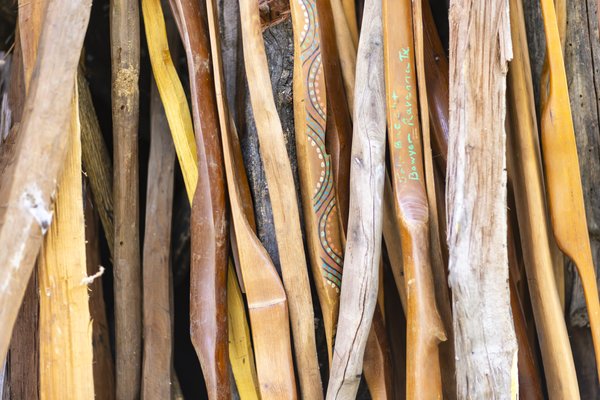
Some of the best bow woods, like yew, have become scarce due to overharvesting. Today, there’s a growing focus on sustainable forestry and using fast-growing species like bamboo. Many bowyers plant new trees to replace those they use.
For sustainable bow making, consider local woods, recycled materials, or woods certified by organizations like the Forest Stewardship Council.
Credit: tpwmagazine.com
How To Identify A Good Bow Wood In The Wild
If you want to source your own wood, look for:
- Straight, clear staves: No knots, twists, or major branches.
- Healthy trees: Avoid diseased or rotting wood.
- Correct diameter: For self bows, staves should be at least 2, 3 inches in diameter.
- Age: Older trees tend to have denser, stronger wood.
Check local laws before harvesting wild trees, as some species are protected.
The Role Of Tradition And Myth In Bow Wood
Throughout history, certain woods gained almost magical status. English archers believed yew bows were superior. Native Americans prized Osage orange not just for its strength but for its spiritual value. In Japan, bamboo is seen as a symbol