Composite Bow vs Normal Bow: 3 Materials Explained
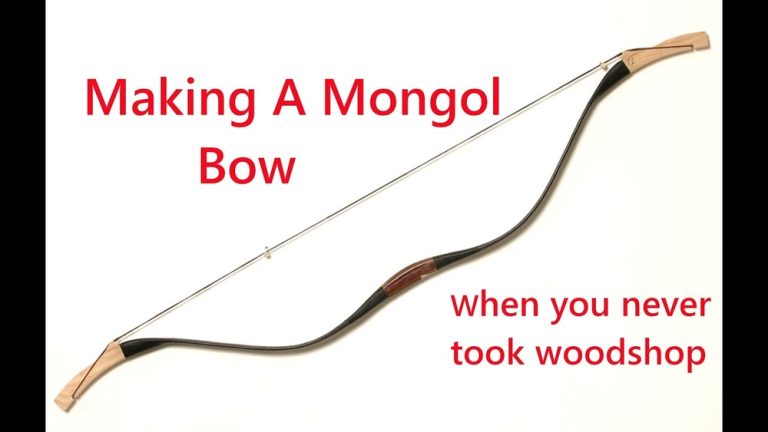
A composite bow is often made from layered materials such as wood, horn, and sinew, while a normal bow is usually a single piece of wood; laminated construction usually points to a composite. Misreading the build can lead to wrong dates, wrong labels, and wrong values for museum bows. This guide compares materials, build details, performance clues, and historical context from the outside in.
This guide is part of our Bow types and care: choosing, shooting, and upkeep series.
| Decision factor | Composite Bow | Normal Bow for History Enthusiasts: 3 Materials, Key Differences | Winner |
|---|---|---|---|
| Material build | Multiple layers: horn, sinew, wood, sometimes bamboo | Usually a single stave of wood | Composite Bow |
| Compactness for mounted use | Shorter limbs, often under four feet | Common comparison is the longbow, roughly six feet long | Composite Bow |
| Moisture tolerance | Highly sensitive to humidity and rain | Generally easier to keep serviceable in damp weather | Normal Bow for History Enthusiasts: 3 Materials, Key Differences |
| Repair simplicity | Layered construction makes repair more complex | Single-stave wood is simpler to repair | Normal Bow for History Enthusiasts: 3 Materials, Key Differences |
| Energy transfer | Higher stored energy efficiency in a compact limb | Less compact energy storage, though still effective | Composite Bow |
Composite bow vs normal bow: what is the real difference?
The real difference is construction. A composite bow is a laminated system with multiple materials working together, while a normal bow, in the historical sense, is usually a self bow or another single-stave wooden bow. Historians often compare them because the materials help explain the shape, performance, repair burden, and survival clues.
Composite bow: multiple materials working as one limb
Composite materials are produced from two or more constituent materials with dissimilar physical or chemical properties, and that is the basic idea behind a composite bow. Horn resists compression, sinew resists tension, and wood or bamboo provides structure. Put together, those layers let a short bow store more energy than a simple wood stave of similar size.
Normal bow: single-stave wood, often a self bow or longbow
A normal bow is usually a single piece of wood. In historical comparison, the longbow is the common reference point: a roughly six-foot bow made from one stave, often yew or a similar wood. Self bows and longbows are not identical, but both rely on a single material body rather than laminated layers.
Why historians compare these two bow families
The comparison helps sort function from form. A shorter laminated bow suggests mounted use, mobile warfare, and careful craftsmanship; a long single-stave bow usually points toward infantry traditions, simpler build logic, and easier maintenance. The contrast also helps explain why one design spreads in steppe and cavalry cultures while the other remains common in wooded regions and infantry arsenals.
📊 Composite bows can shoot 30–40 percent faster and farther than a longbow. Source: Wellfizz.
How do horn, sinew, bamboo, and wood work together?

Each layer in a composite bow has a job, and the job is visible in the bow’s shape and survival issues. Horn takes compression on the belly, sinew stretches on the back, and wood or bamboo acts as the core or structural spine. That division of labor is what gives the bow its compact power.
Horn: the compression face
Horn is placed on the side of the bow that shortens under draw. It resists crushing far better than plain wood alone, so the limb can bend hard without collapsing. In historical terms, that made horn valuable in laminated bow construction where high stored energy mattered in a short frame.
Sinew: the tension face
Sinew sits on the back of the bow and handles stretch. It acts like a tension layer that adds elastic energy storage, which is why composite bows can feel lively even when compact. The same material, though, is one reason these bows dislike wet conditions.
Wood and bamboo: the core and structural spine
Wood gives the bow shape, continuity, and a working core. In some historical composite bows, bamboo was added as a structural layer or spine, especially in laminated traditions. Bamboo is not the whole bow here; it is part of a layered structure that depends on the other materials to work properly.
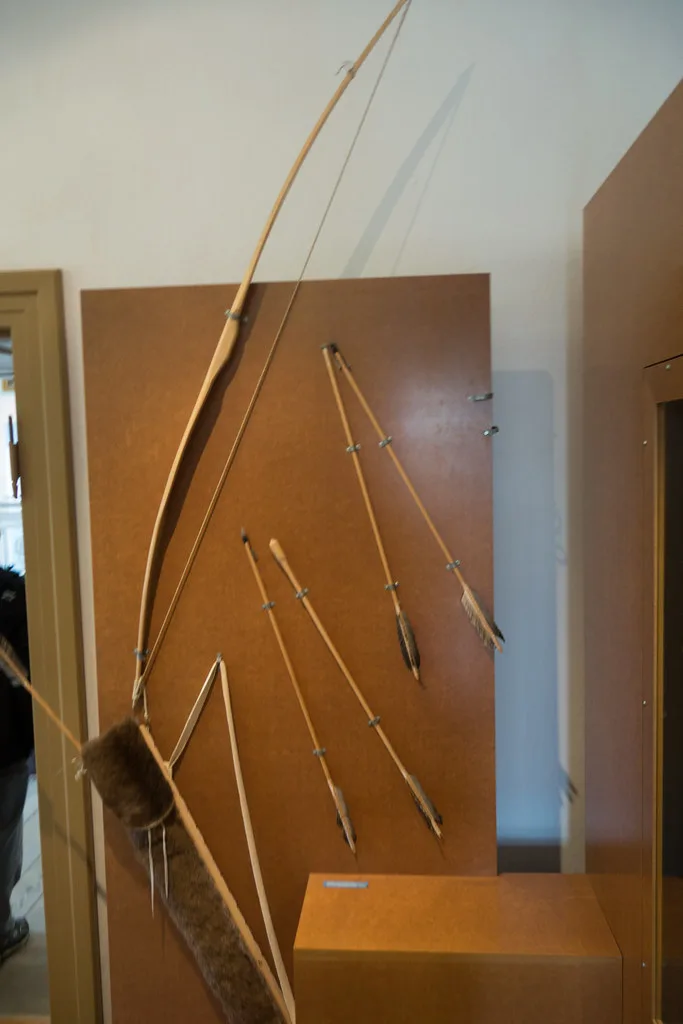
Was a composite bow stronger than a wooden bow?
Yes, if “stronger” means better energy storage in a shorter bow and better performance per length. A composite bow can deliver a more compact power package because horn and sinew handle opposite stresses efficiently. A wooden bow can still be excellent, but it does not usually match that same level of compact efficiency.
Energy storage and efficiency
The point of the composite build is not raw size. It is how the layers share the load. That is why historical composite bows are often described as more energy efficient than all-wood bows, especially when the bow has a strong reflexed shape that curves away from the archer when unstrung.
Shorter limbs, higher curve, and compact power
Composite bow limbs are shorter, typically under four feet, while the longbow comparison example is roughly six feet long. That shorter limb can still produce serious cast because the layers allow more usable bend in less space. The bow’s reflexed shape also helps store energy before the string is drawn.
Speed and distance: what can be said safely
Historical summaries often state that composite bows can shoot 30–40 percent faster and farther than a longbow, but that is a comparison, not a universal rule for every surviving bow. The safer claim is that well-made composite bows often had higher performance per length, especially in mounted warfare and other compact-use settings.
Why were composite bows better for horse archers?
Composite bows were better for horse archers because they were short, powerful, and easier to manage from the saddle. A compact bow clears the rider’s body and horse more easily than a longbow, and the layered construction gives enough energy transfer to matter in fast-moving combat. That is why Mongol and Turkish traditions are so often linked to them.
Short length in the saddle
A horse archer needs a bow that works in tight space. A shorter bow is easier to draw while seated, while turning, or while the horse is moving. The under-four-foot limb length common to composite bows fits that need far better than a roughly six-foot longbow.
Reflexed bow shape and stored energy
The reflexed shape matters because it increases the amount of stored energy before the archer even begins the full draw. When unstrung, the bow curves away from the archer. That shape helps explain why a small bow can still send an arrow with serious force.
Mounted use versus infantry use
Horse archers valued portability and speed of handling. Infantry archers, by contrast, could accept a longer bow if it offered simpler upkeep and steady field use. That is why the longbow became a famous infantry weapon, while the composite bow became a classic Mongol or Turkish design.
Say a museum label describes a “small recurved bow” from a steppe burial. If the bow is under four feet and the illustration shows a pronounced reflex, the most likely reading is a composite bow made for mounted archery rather than a simple self bow.
How did humidity affect historical composite bows?
Humidity could weaken a composite bow because glue, sinew, and other organic layers absorb moisture and lose stability. Rain and damp air can soften the bond between layers, reduce cast, and in severe cases cause deformation. That is why composite bows needed dry storage and frequent unstringing to preserve performance.
Why glue and sinew react to moisture
The layers in a composite bow are not just glued together for convenience; the bond is part of the structure. When humidity rises, those materials can swell or soften. The result is a bow that may lose power, take set, or become unreliable long before a wooden bow would show the same level of trouble.
What damage looks like in surviving bows
In surviving examples, historians look for curling, separation of layers, cracking, or uneven limb shape. Those signs point to environmental stress as much as age. A bow may survive as an artifact yet still show the signs of moisture damage in the form of warped alignment or failed joints.
Why dry storage mattered in historical use
Dry storage was not optional. Composite bows were highly sensitive to humidity and rain, and they must be unstrung frequently to preserve performance. That maintenance burden is one reason they fit best in cultures and campaigns where users could protect equipment carefully between actions.
3 materials, 3 functions: identification table and visual checklist
For museum labels, illustrations, and replicas, the best reading method is to map material to function. If the bow’s layers make structural sense, the identification becomes much clearer. If the visible clues point to a laminated, reflexed, short bow, you are probably looking at a composite design.
| Material layer | Historical function | What a historian can infer visually |
|---|---|---|
| Horn | Compression layer on the belly; resists crushing under draw | Suggests laminated construction and compact power |
| Sinew | Tension layer on the back; stores elastic energy | Points to a more moisture-sensitive bow with layered build |
| Wood | Core or structural element; also main material in a normal bow | May indicate either a composite core or a single-stave self bow |
| Bamboo | Structural layer in some laminated historical bows | Suggests an East Asian or other laminated tradition when paired with horn and sinew |
Museum label clues to look for
- Check whether the label says laminated, composite, self bow, or longbow.
- Note the listed materials: horn, sinew, bamboo, or a single wood species.
- Compare the stated length with the historical type: under four feet suggests composite; around six feet suggests longbow.
- Read for use context: mounted archery usually points toward composite design.
- Watch for terms such as reflexed, recurved, or steppe-style.
Artwork and replica clues to look for
- A strongly curved unstrung profile usually points to a reflexed composite bow.
- Short limbs in a rider’s hand are more consistent with horse archery.
- A long, straight, single-stave look usually suggests a self bow or longbow.
- Visible layered seams can indicate horn, sinew, and wood working together.
- Brightly painted or horn-tipped replicas may still be composite even when the layers are hidden.
Suppose a reenactment photo shows a 3.5-foot bow with a sharp curve away from the string and a rider drawing from horseback. That combination strongly suggests a composite bow, not a longbow, even if the material layers are partly concealed by finish or binding.
Which bow was easier to repair in history?
The normal bow was usually easier to repair in history because a single stave of wood is simpler to replace, reshape, or rework. Composite bows were built from bonded layers, so damage to one layer could compromise the whole limb. That made field repairs slower and more specialized.
Single-stave wood and simpler repairs
With a self bow or other all-wood bow, the structure is straightforward. If a crack appears, an archer or bowyer may be able to pare, tiller, splice, or replace the stave more readily than with a layered weapon. That simplicity helped in travel, frontier use, and day-to-day maintenance.
Composite bows and layered rebuilds
Composite repair is a different problem. Once horn, sinew, glue, and wood are integrated, one failed layer can affect all the others. Repair often meant specialized skill, time, and drying conditions, which made the process harder in war and on the move.
What repairability meant in war and travel
Repairability affects supply lines. A bow that is easy to fix can stay in service longer when tools and climate are limited. A more complex bow may perform better in action, but it asks more from the user and the workshop behind the user.
Choose composite bow if… / Choose normal bow if…
Choose a composite bow if your historical question centers on mounted warfare, compact power, and steppe or Near Eastern traditions. Choose a normal bow if you care more about simplicity, easier repair, and better tolerance for damp weather. The right answer depends on which historical problem you are trying to solve.
Choose composite bow if…
- You are studying horse archers, especially Mongol or Turkish use.
- You need a short bow under four feet for saddle use.
- You want a design built around horn, sinew, wood, and sometimes bamboo.
- You are focusing on stored energy in a compact form.
Choose normal bow if…
- You want a simpler single-stave construction.
- You need easier repairability in the field.
- You are comparing with the longbow, roughly six feet long.
- You value better tolerance of damp weather over peak compact performance.
Frequently asked questions
What is the difference between a composite bow and a normal bow?
A composite bow is built from multiple bonded materials, usually horn, sinew, and wood, while a normal bow is usually a single piece of wood. The composite design spreads stress across different layers, which helps it store more energy in a shorter limb. The normal bow is simpler and easier to repair.
What materials were used in historical composite bows?
Historical composite bows used horn, sinew, wood, and sometimes bamboo. Horn handled compression, sinew handled tension, and wood or bamboo gave the bow structure. Those materials were laminated together, which is why these bows are read as composite rather than single-stave weapons.