How to Shoot a Recurve Bow for Beginners: 4 Methods
Beginners should start with gap shooting, then move to instinctive, string walking, and barebow crawl if they want more precision. Pick the wrong method too soon and you miss aim points, fight your sight picture, and build bad form fast. I’ll compare four aiming methods, the gear setup each one needs, and the point where each starts to break down.
This guide is part of our Bow types and care: choosing, shooting, and upkeep series.
What you’ll need before you start
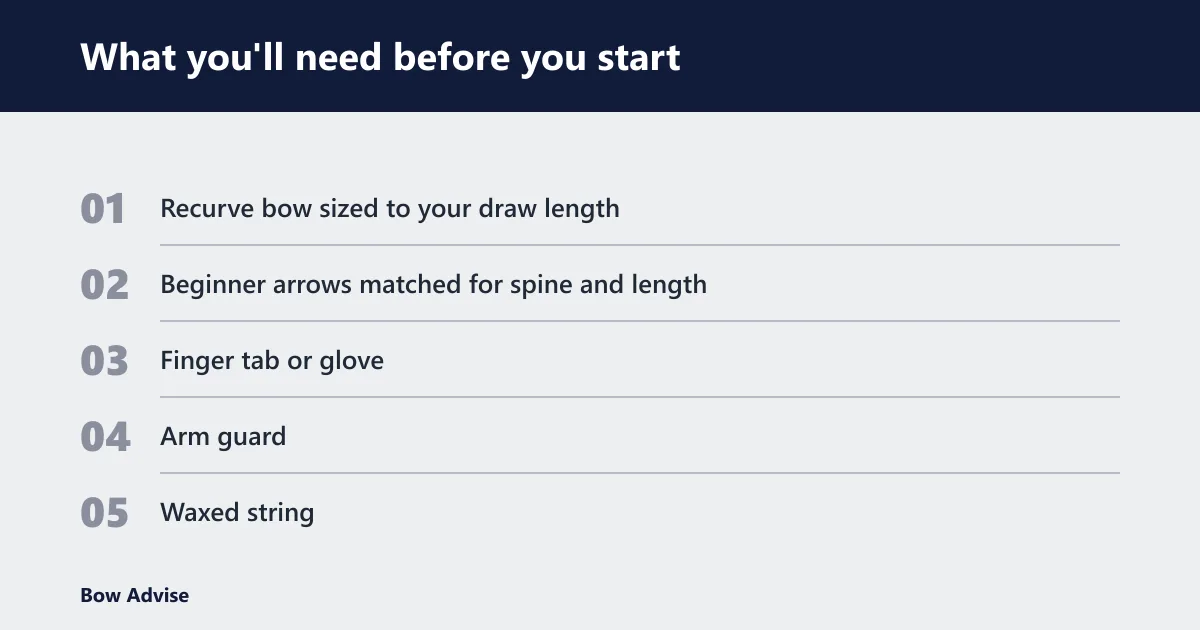


- Recurve bow sized to your draw length
- Beginner arrows matched for spine and length
- Finger tab or glove
- Arm guard
- Waxed string
- Blank bale or large target face
- Optional sight for later practice
- Optional stabilizer for balance work
📊 The example minimum bow length given is 56 inches. Source: How to Shoot a Recurve Bow: Essential Steps for Beginners.
How do you shoot a recurve bow for the first time?
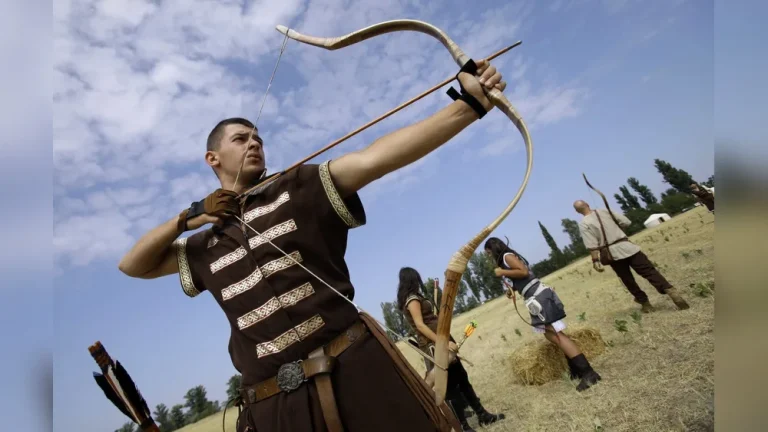
Start at close range with a blank bale. Build the shot in order: stance, grip, draw, anchor, aim, release, follow-through. That keeps attention on body position first, which is where beginners usually lose arrows and confidence. I switched to a left-hand bow after I learned I am left-eye dominant, and my groups tightened within two weeks.
Take these first steps
- Stand square or slightly open to the target.
- Set a relaxed bow hand and keep the grip light.
- Hook the string with your tab or glove.
- Draw smoothly to the same anchor point every time.
- Place the arrow under control, then aim and release without plucking.
- Hold the bow arm up through follow-through.
Start on blank bale first
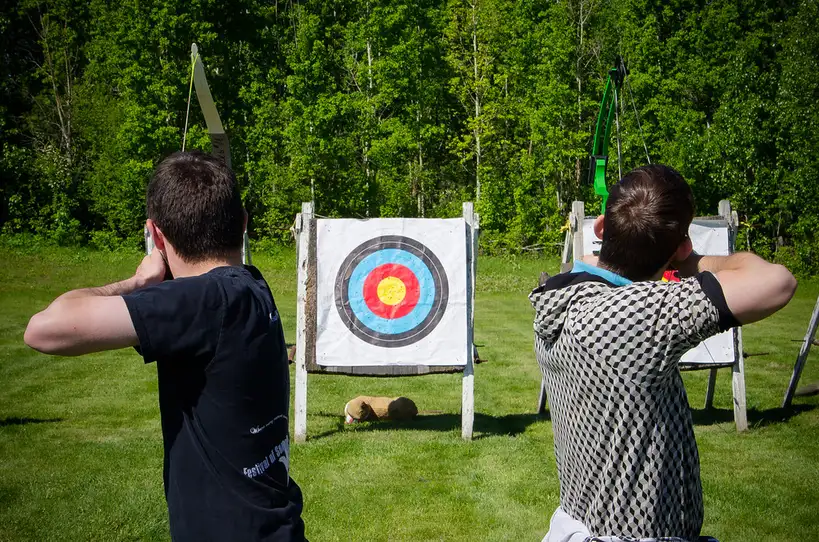
Blank bale work removes score pressure. You can feel alignment, finger pressure, and anchor repeatability before you chase the center ring. With a light bow, that practice builds a cleaner shot cycle and exposes bad habits fast.
What draw weight, bow size, and arrows should a beginner use?
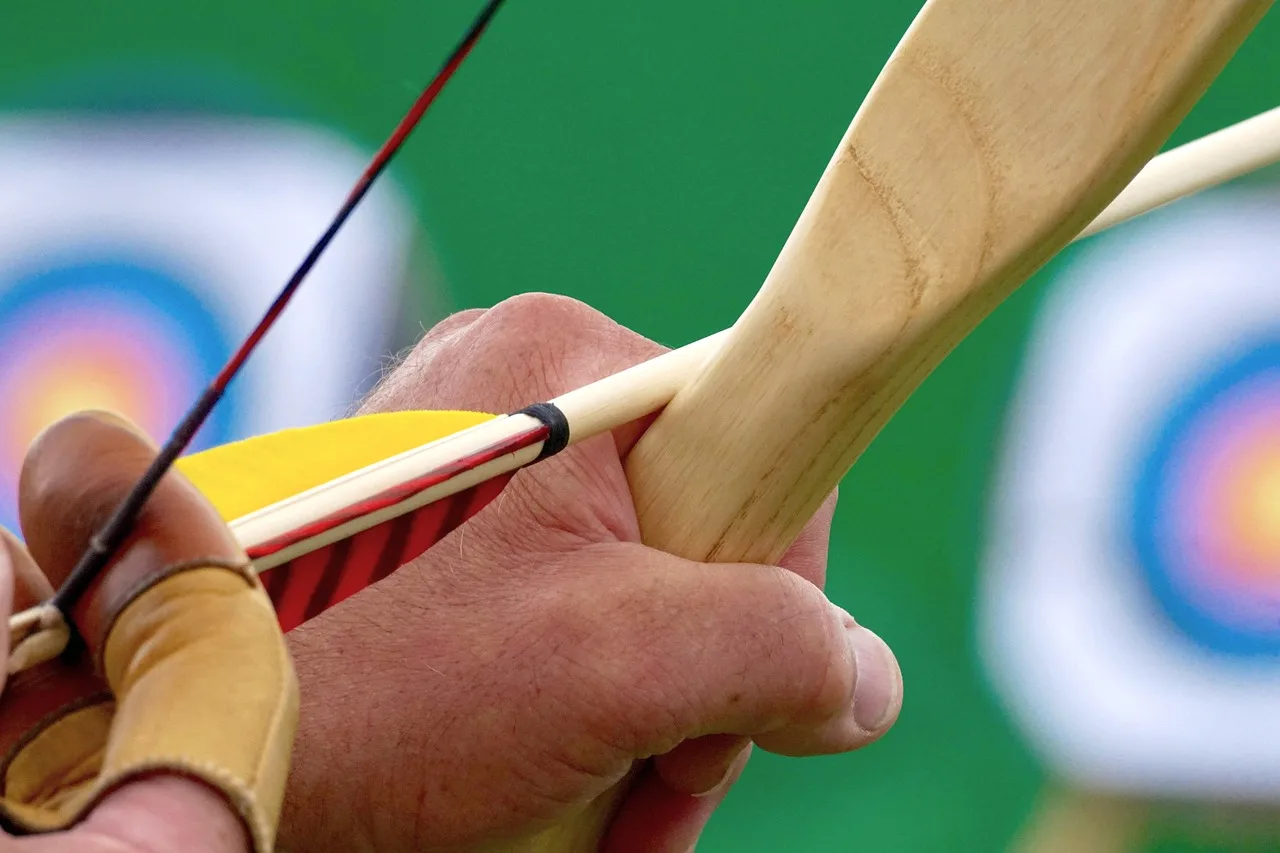
Most adults start with a bow between 15 and 30 pounds. If the weight is too high, your shoulder rises, your anchor drifts, and aim quality falls apart fast. A recurve bow should be at least twice as long as your draw length, and the example draw length is 28 inches, so the example minimum bow length is 56 inches.
Choose draw weight that protects form
Use a weight you can draw and hold cleanly for several shots. Too much poundage turns aiming practice into survival practice. My first compound bow was set 10 lb too heavy, and I flinched for a month before I backed the limb bolts out. The same lesson carried over to recurves, form falls apart before pride should.
Match arrows to the bow
Arrow spine is the stiffness rating. It needs to fit draw weight and draw length, or the arrow leaves the string poorly and wobbles in flight. Arrow materials include wood, aluminum, carbon, and fiberglass. Most beginners use aluminum or carbon arrows because they handle repeated shooting well and stay more consistent.
Check fit and string setup
A brass nocking point or serving thread can be used to place the arrow in the same spot each shot. Common string materials are Dacron and FastFlight. A quality string should be waxed regularly to prevent fraying. Check limb fit, string length, and brace setup before you worry about point scores.
Which aiming method should you start with?
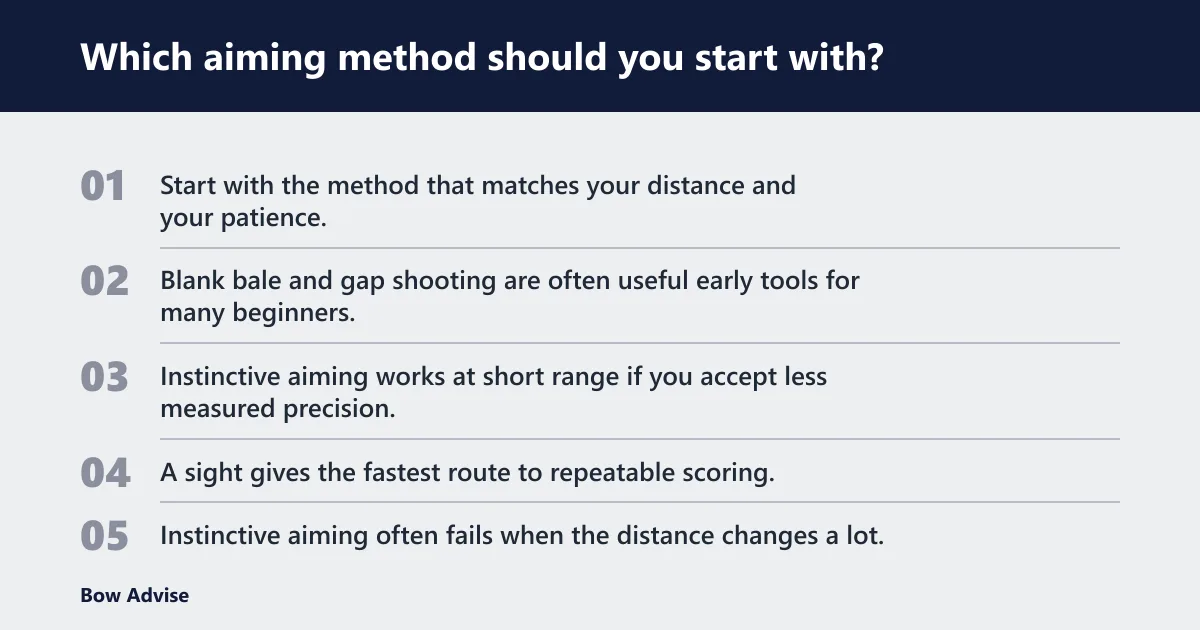
Start with the method that matches your distance and your patience. Blank bale and gap shooting are often useful early tools for many beginners. Instinctive aiming works at short range if you accept less measured precision. A sight gives the fastest route to repeatable scoring, but it asks for cleaner setup and steadier anchor first.
Compare the four aiming methods
| Aiming method | Equipment needed | Starting distance | Learning curve | Common mistakes | Best use case |
|---|---|---|---|---|---|
| Blank bale focus | Bow, arrows, tab or glove, arm guard | 3 to 5 yards | Very low | Chasing score, collapsing at release | First weeks of form work |
| Instinctive aiming | Bow, arrows, protective gear | 5 to 10 yards | Moderate | Inconsistent anchor, rushing shots | Short-range target and field shooting |
| Gap shooting | Bow, arrows, stable anchor, marked distances | 10 to 20 yards | Moderate to high | Changing anchor, guessing gaps | Repeatable target practice |
| Sighted aiming | Bow, arrows, finger protection, sight | 15 to 30 yards | Moderate | Over-aiming, target panic, poor tune | Scored rounds and distance work |
Know when a method breaks down
Instinctive aiming often fails when the distance changes a lot. Gap shooting breaks down when anchor point and head position drift. Sighted aiming suffers when you chase the pin, especially under pressure. In low-visibility conditions, the method with the cleanest anchor usually wins, because the target picture gets fuzzy before the shot does.
Should I use instinctive aiming or a sight on a recurve bow?
Use instinctive aiming if you are training close range, shooting blank bale, or want a simple setup with less gear. Use a sight if you want repeatable holds and faster scoring progress. I use a sight when I want measured groups, but I still drill bare form without one when my release gets sloppy.
When instinctive aiming fits better
It works well when you shoot the same short distance often and want to focus on posture and anchor. It breaks down when distance creep starts. If every target line is different, your brain starts guessing instead of settling into repeatable motion.
When a sight helps more
A sight adds a reference point you can return to shot after shot. That helps beginner archers who want clean scoring sooner. It is not a shortcut around bad form. If your anchor changes, the sight only measures the mistake more neatly.
Where stabilizers fit in
Stabilizers are optional. They help with balance and steadier hold once your shot cycle is clean. I would not add one before you can keep a consistent anchor and release, because extra gear can distract more than it helps.
How do I stop my recurve bow string from hitting my arm?
Use an arm guard and check your bow arm rotation. String slap usually comes from a loose grip, elbow position, or stance that crowds the string path. The arm guard protects the inner forearm from string slap, and it matters even more when you are learning a clean follow-through.
Fix the most common causes
- Rotate the bow elbow slightly outward.
- Relax the bow hand so the grip does not torque the riser.
- Check that your shoulders stay down during the draw.
- Use the arm guard every session until the string path is repeatable.
Check protective gear fit
An arm guard and finger tab or glove are the most important protective items. If the tab pinches or the glove bunches, you will release inconsistently. A bad fit changes finger pressure, and finger pressure changes the arrow’s launch.
Do I need a finger tab and arm guard for recurve archery?
Yes. A finger tab or glove protects your drawing fingers and helps you release with the same feel each shot. An arm guard protects the inner forearm from string slap. For a beginner, those two items are not extras; they are part of repeatable shooting and basic safety.
Pick the right fit
The tab should let the string roll off cleanly without pinching. The glove should not bind at the fingertips. If either one changes the way you hook the string, your anchor and release will drift.
Keep the string in good shape
Wax the string often and inspect for fraying at the serving and loops. Dacron and FastFlight both need care, and a worn string changes nocking feel and release consistency. That is especially noticeable when you are trying to learn a repeatable anchor.
How do I know if my recurve bow is the right size for me?
The bow should fit your draw length and let you anchor without feeling cramped or over-extended. A recurve bow should be at least twice as long as your draw length, so a 28-inch draw points you toward at least 56 inches. Short bows can feel twitchy at longer draws.
Watch for fit clues
If you stack into the wall of the draw or your shoulders rise before anchor, the bow may be too short or too heavy. If the limbs feel easy but the string picture wanders because the bow is too short, accuracy will suffer even if the poundage looks friendly.
Choose upgrade-friendly gear
Removable limbs are useful for future power upgrades. The Samick Sage is a popular beginner recurve bow for that reason. It gives a clear path from light practice weight to a stronger setup without replacing the whole bow.
Which aiming method is most accurate for beginner archers?
Sighted aiming is usually the fastest path to measured accuracy for beginners, but only after the shot cycle is stable. Gap shooting can come close when your anchor and distances are repeatable. Instinctive aiming is useful early, yet it usually gives up precision sooner when the distance changes.
Use a progression path
- Begin on blank bale at very short distance.
- Move to close-range groups on a large target face.
- Use gap shooting once anchor and release stay the same.
- Add a sight when you want scored rounds and clearer distance control.
When to move on
If you can hold anchor and keep arrows in a small group, the next method can make sense. If you still miss because of target panic or poor release, stay at the earlier stage. Accuracy comes faster when the shot stays repeatable.
Can I add sights or stabilizers to a beginner recurve bow?
Yes. You can add a sight or stabilizer to a beginner recurve bow if the riser and limb setup allow it. I would add them after basic form is stable, not before. Sights help with repeatable aiming, and stabilizers help with balance once your anchor and release stay consistent.
Use them as an upgrade path
Start simple, then add one accessory at a time. That lets you see what changed. If accuracy improves only when the sight goes on, the issue was aiming. If the bow holds steadier with a stabilizer, balance was part of the problem.
Do not skip the basics
Gear cannot fix bad spine, wrong draw weight, or a sloppy anchor. If you are still fighting your fingers or string blur, go back to form work before adding more parts.
Common mistakes that hurt beginner accuracy
Too much draw weight, a bad anchor, and the wrong arrow spine cause most beginner misses. Arm slap, tab fit problems, and target panic follow close behind. I see new archers blame aim first, but the bow often points exactly where the shot sent it.
What to correct first
- Drop draw weight if you cannot hold form through release.
- Set a repeatable nocking point and anchor.
- Match arrow spine to draw weight and draw length.
- Use an arm guard and a proper finger tab or glove.
- Inspect the string, wax it, and replace worn serving before it fails.
Prevention
Keep one setup, one anchor, and one distance until the group tells you the shot is ready to change.
Frequently asked questions
How do you shoot a recurve bow for the first time?
Set stance first, then grip, draw, anchor, aim, release, and follow-through. Use a blank bale at close range so you can feel the shot without chasing points. A light bow in the 15 to 30 pounds range makes that first run much easier to control.
What is the easiest way to aim a recurve bow as a beginner?
Blank bale work is the easiest first step, and gap shooting is usually the easiest aiming method after that. Keep the distance fixed, use a repeatable anchor, and note where the point sits under the target. That gives you a simple reference without adding a sight too early.
Should I use instinctive aiming or a sight on a recurve bow?
Use instinctive aiming for short-range practice and form work. Use a sight when you want cleaner score feedback and more repeatable distance holds. If your anchor is not stable yet, stay with simple aiming first and add the sight later.
What draw weight should a beginner recurve archer use?
Most adults start with a bow between 15 and 30 pounds. Pick the lightest weight that lets you draw smoothly, anchor cleanly, and finish several shots without shaking. If your shoulder rises or your release gets rushed, the weight is too heavy.
How do I stop my recurve bow string from hitting my arm?
Wear an arm guard and rotate the bow elbow outward a little. Keep the grip relaxed and avoid collapsing at release. The arm guard protects the inner forearm from string slap, and a calm follow-through helps keep the string path clear.
What arrows are best for a beginner recurve bow?
Most beginners use aluminum or carbon arrows because they are durable and consistent enough for repeated practice. Wood and fiberglass can work, but arrow spine and length still need to match the bow. Bad spine makes the arrow leave the string poorly and fly less cleanly.