Compound vs. Recurve Bow for Beginner Archers: Key Guide
I tell beginners to start with a recurve if they want a simpler, lower-cost first bow, and with a compound if they want easier holding and faster early accuracy; if hunting is on the table, I choose the bow that fits their body and draw length first. Pick the wrong fit, and you buy gear that works against you, slows learning, and sits unused. I’ll break down comfort, budget, body fit, and first-year goals so you can choose with confidence.
This guide is part of our Bow types and care: choosing, shooting, and upkeep series.
What is the difference between a compound bow and a recurve bow?
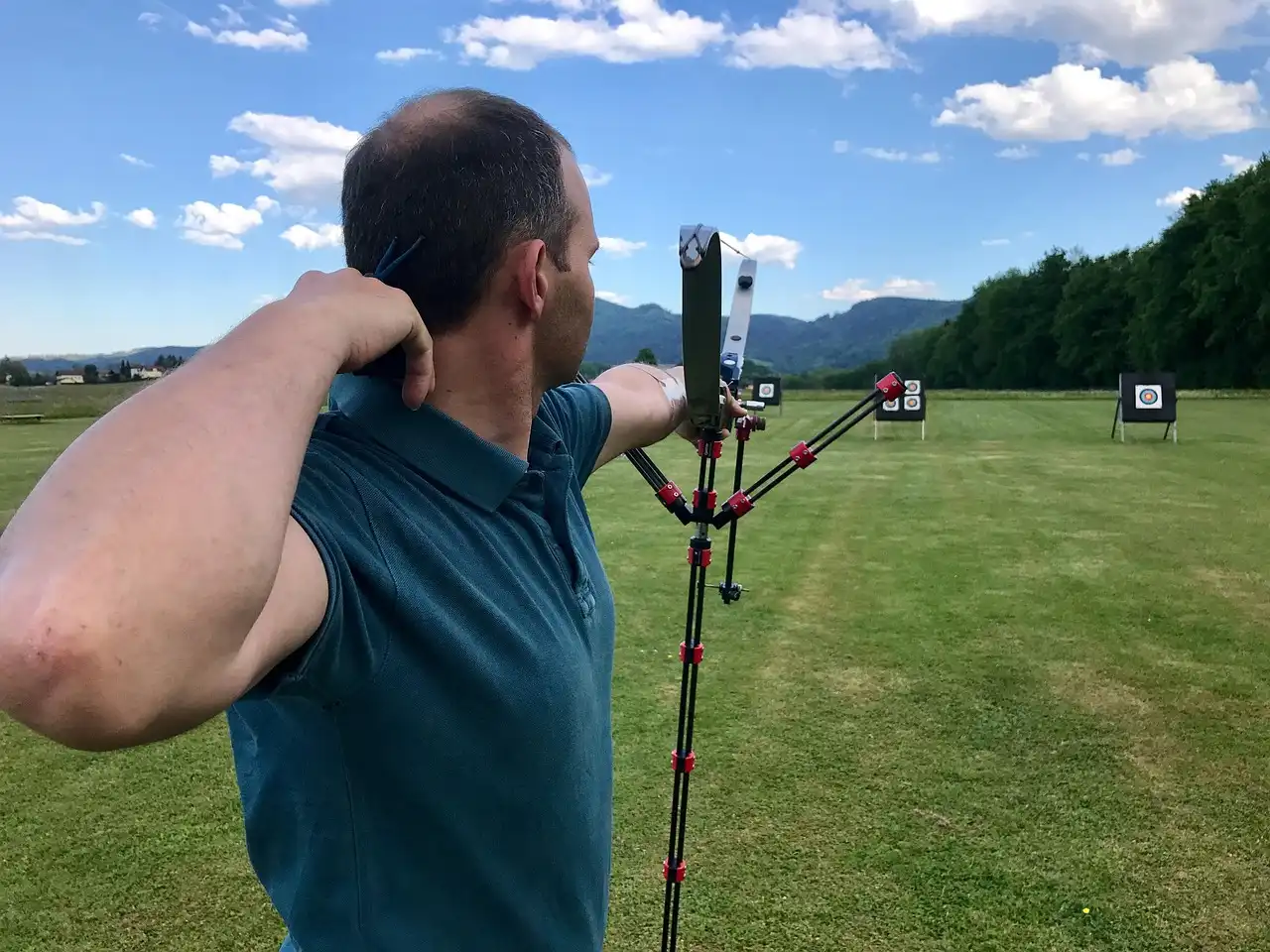
The short answer is mechanical help versus simplicity. A compound bow uses cams, cables, and a pulley system to reduce holding weight at full draw, while a recurve bow uses a simpler limb design without cams. That changes how each bow feels at anchor, how much setup it needs, and how much technique matters.
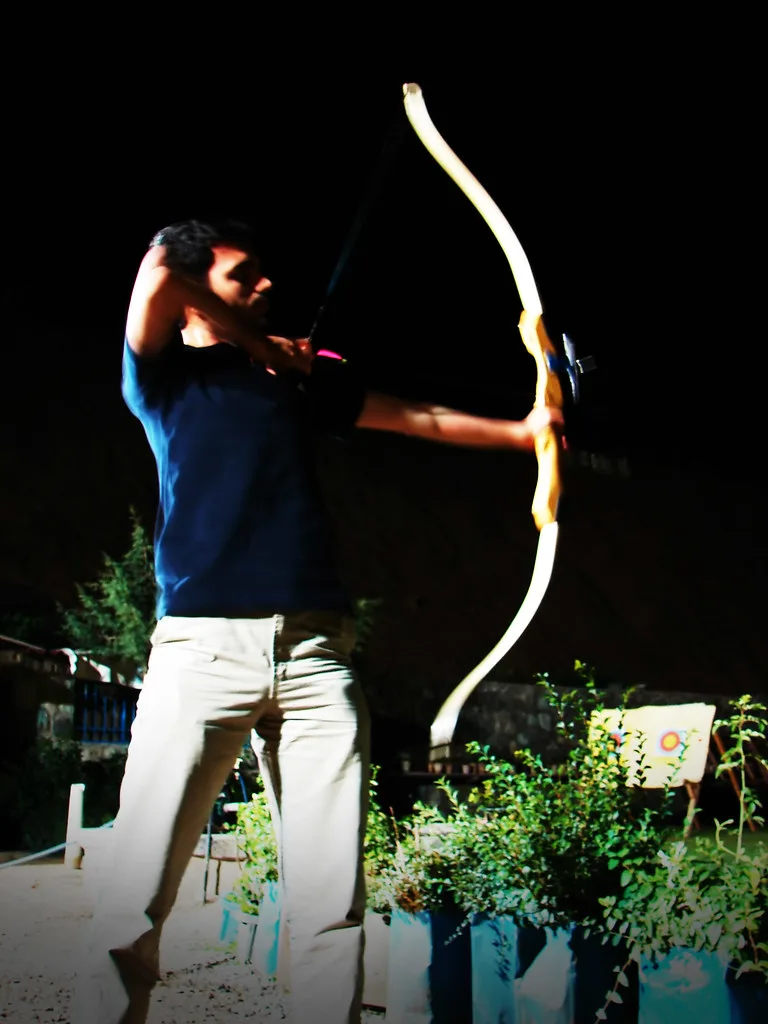
I think of compounds as more adjustable and more equipment-driven. Recurves are lighter in the hand and easier to understand, but they ask more from your form and release. I’ve watched new shooters do better with the bow that matched their body fit, not the one they assumed was “advanced.”
| Decision factor | Compound | Recurve Bow for Beginner Archers: Key Differences | Winner |
|---|---|---|---|
| Holding comfort | Let-off makes it easier to hold at anchor | Full holding weight stays in your bow arm and back | Compound |
| Setup simplicity | More parts: cams, cables, sight, rest, release | Fewer parts and a lighter setup | Recurve Bow for Beginner Archers: Key Differences |
| First-year cost | Usually higher once accessories and tuning are added | Usually lower to buy and keep shooting | Recurve Bow for Beginner Archers: Key Differences |
| Targeting help | Pin sight and release aid improve repeatability | Gap or instinctive aiming depends more on form | Compound |
| Maintenance | Strings, cables, cams, and inspection points | Mostly limbs, string, and basic checks | Recurve Bow for Beginner Archers: Key Differences |
Holding comfort
Compound bows win here because let-off reduces the weight you hold at full draw. That matters when you are learning to anchor, aim, and settle your pin without shaking. A recurve asks you to hold the full draw weight the whole time, which can expose weak posture fast.
Setup simplicity
Recurves are simpler. There are fewer moving parts, fewer tuning variables, and less chance that a beginner gets buried in equipment before learning stance and release. Compounds can shoot beautifully, but they usually need more setup attention before they feel right.
Cost and maintenance
Recurves usually cost less over the first year because the bow itself is simpler and the accessory list is shorter. Compounds often need a sight, rest, release aid, and sometimes a stabilizer, plus periodic checks on strings, cables, and cam timing. I inspect my own compound strings and cables often because fraying or timing issues show up before they become a safety problem.
A first compound bow set 10 lb too heavy often causes flinching until the limb bolts are backed out.
Which bow is easier for a beginner to learn, compound or recurve?
For early success, a compound is often easier to aim and hold, but a recurve is easier to understand and easier to own. If you want fast early groups and less struggle at anchor, compound usually feels friendlier. If you want a cleaner form lesson and fewer moving parts, recurve teaches that well.
Learning curve on a compound bow
A compound can give a beginner a quicker path to decent groups because the sight and let-off do part of the work. The catch is that it rewards a clean setup and consistent release. If the draw length is wrong or the bow is too stiff, the bow starts teaching bad habits instead of helping.
Learning curve on a recurve bow
A recurve forces you to build your shot from the ground up. You feel anchor, alignment, and release quality immediately. That is why many coaches like it for form work, but it also means your groups may stay loose longer if you expect the bow to do more of the aiming for you.
How coaching changes the answer
With coaching, both bows get better. Without coaching, a recurve can expose flaws faster, and a compound can hide them longer until you hit a wall. I’ve seen beginners improve quickly once we matched bow weight to their body and gave them honest feedback every session.
How do draw weight, draw length, and let-off affect fit?
These three fit pieces matter together. Draw weight affects fatigue, draw length affects posture and anchor, and let-off changes how hard it is to hold still. A beginner who ignores one of them usually ends up with poor form, sore shoulders, or a bow that feels “wrong” for no obvious reason.
What draw weight should a beginner start with?
Most beginners may want to start lighter than they think. For recurve, many adults often do best in a moderate weight range, while teens and smaller-framed shooters often need less. For compound, a light setting that still lets you pull smoothly is smarter than chasing speed.
A stiff bow turns practice into compensation.
Why draw length matters more on a compound bow
Draw length is a fit issue, not a bragging number. On a compound, the wrong draw length can shorten your anchor, disturb your posture, and ruin your release. I’ve seen a bow feel “accurate” only after the archer matched it to wingspan and stopped muscling the string.
What let-off is and why it helps at anchor
Let-off is the reduction in holding weight at full draw on a compound bow. Most compounds give enough let-off that holding at anchor feels manageable, which helps when you are aiming through a sight pin. That relief is one reason compounds are popular for target and hunting beginners.
What accessories and setup do you need for each bow?
Compounds depend on more gear. A recurve can be shot with very little, but a compound usually needs a sight, arrow rest, stabilizer, and release aid before it feels right. The extra parts can help a beginner shoot better, yet they also add cost and setup time.
Compound basics
Most beginners will want a pin sight, an arrow rest, and a mechanical release aid. A whisker biscuit or similar rest keeps the arrow stable through the shot, while a stabilizer can help balance the bow and calm the follow-through. None of that fixes bad form, but it makes repeatable shooting easier.
Recurve basics
A recurve is often shot with finger release on the string, a simple rest, and little else at first. Some archers add a plunger or basic stabilizer later, but you can start with a very clean setup. That simplicity is useful when your focus is grip, anchor, and clean release.
Hidden setup costs beginners miss
The sticker price is not the whole bill. Compounds can need tuning, some extra accessories, and occasional shop help. Recurves often need fewer accessories, but many beginners still buy too much gear too soon, then spend less time actually shooting.
- Pick a bow weight you can draw smoothly 10 to 15 times without shaking.
- Confirm draw length before buying a compound.
- Decide whether you want a sight and release aid or finger shooting.
- Budget for arrows, a target, and basic setup help.
- Leave room for a first lesson or coaching session.
Which bow is better for target practice versus bowhunting?
For target practice, compound usually gives beginners quicker grouping because the sight picture and holding feel are more forgiving. For bowhunting, both work, but the bow must fit the archer first. A beginner who is underbowed, overbowed, or poorly fit should not worry about “hunting ready” yet.
Target archery: grouping, repeatability, and practice volume
Compounds tend to help new archers build tighter groups sooner because the release aid and sight reduce variables. Recurves can absolutely become accurate, but the archer has to own more of the shot process. If you plan to practice often, both can work; compounds just hide fewer mistakes at the start.
Bowhunting: maneuverability, effective range, and ethics
In a blind or tree stand, a compact compound is often easier to manage, especially when you must hold at odd angles and wait for a clean window. Recurves are lighter and simpler, but they demand more skill to be ethical at practical hunting distances. For a first-year hunter, I care more about shot control than bow style.
What a first-year beginner can realistically expect
First-year archers should expect to learn form, build consistency, and shoot manageable groups before worrying about long range or hunting accuracy. A bow that is too heavy or too long for the shooter can delay that progress for months. I’d rather see a beginner shoot 20 honest arrows well than 60 bad ones with a heavy bow.
Beginner bow-selection checklist and 2×2 decision table
Use this checklist to avoid buying the wrong bow. Budget, draw weight tolerance, intended use, and accessory readiness are the four filters I use with new shooters at the club. If two or more boxes point the same direction, that is usually the right direction.
Beginner bow-selection checklist
- Budget: Can I buy the bow, arrows, target, and basic setup help without stretching?
- Draw weight tolerance: Can I draw and hold the bow cleanly for repeated shots?
- Draw length and body fit: Does the bow match my wingspan and anchor position?
- Intended use: Target practice, backyard shooting, or future hunting?
- Accessory readiness: Do I want a sight and release aid, or a simple finger-shot setup?
| Profile | Budget | Draw weight tolerance | Intended use | Accessory readiness | Best first bow |
|---|---|---|---|---|---|
| Teen beginner | Tight | Low to moderate | Target or backyard | Low | Recurve |
| Adult beginner | Moderate | Moderate | Target with some hunting interest | Moderate | Compound |
| Future hunter | Moderate to higher | Moderate | Bowhunting later, practice now | High | Compound |
| Form-focused shooter | Tight to moderate | Low | Target and coaching | Low | Recurve |
Choose Compound if… / Choose Recurve Bow for Beginner Archers: Key Differences if…
Choose compound if you want easier holding at anchor, plan to use a sight and release aid, and expect to move toward target shooting or hunting with a structured setup. Choose recurve if you want a lower-cost first bow, fewer parts to manage, and a shot that teaches form without much equipment dependency.
For teens, I lean recurve when budget and strength are limited. For adults who want quick early accuracy, I lean compound if the draw length is measured correctly and the bow starts light enough. For future hunters, compound is usually the better first buy if you are willing to learn tuning and maintenance.
Buy this, not that: common beginner mistakes
Buy a bow you can shoot repeatedly without strain. Do not buy a heavy compound because it “sounds serious.” Buy a recurve you can hold cleanly, not one that leaves your shoulders shaking after five arrows. I’d also avoid paying for hunting features before you can group arrows at a short distance.
When to change your mind after a few months
If your recurve feels too limiting after you build form, move to a compound. If your compound feels too complex and you want to focus on pure shot execution, move to a recurve. Changing bows later is normal. The goal is skill growth, not loyalty to the first purchase.
Frequently asked questions
Is a compound bow more accurate than a recurve bow?
In beginner hands, a compound often produces tighter groups sooner because the sight, release aid, and holding comfort remove some variables. That does not mean recurves are less accurate in skilled hands. Accuracy comes from fit, tuning, and practice volume as much as bow type.
Which bow is cheaper for a beginner to buy and maintain?
A recurve is usually cheaper to buy and keep running because it has fewer parts and fewer setup demands. A compound often costs more once you add a sight, rest, release aid, and tuning time. Over the first year, the accessory bill can matter as much as the bow itself.
How much draw weight should a beginner start with on a recurve or compound bow?
Start lighter than your ego wants. Many beginners do well around 15 to 25 pounds on a recurve, and a compound should be set light enough that you can draw smoothly and repeat it several times. If you cannot shoot clean groups without fatigue, the bow is too heavy.
What accessories do you need for a compound bow compared with a recurve bow?
A compound usually needs a pin sight, arrow rest, stabilizer, and release aid to shoot its best. A recurve can start with a simple rest and finger shooting, with little else required. The compound setup supports repeatability; the recurve setup stays closer to the bare bow experience.