Best Fish Species to Bowfish in Freshwater Lakes and Rivers
For most beginners, common carp, grass carp where legal, and gar are the best freshwater bowfishing targets; start with carp in muddy lakes and slow rivers, then move to gar and buffalo as accuracy and local rules improve. Missing the legal species list can mean wasted trips, bad shots, or citations. This guide ranks freshwater bowfishing species by shootability, legality risk, and habitat fit for lakes and rivers.
Freshwater bowfishing species matrix
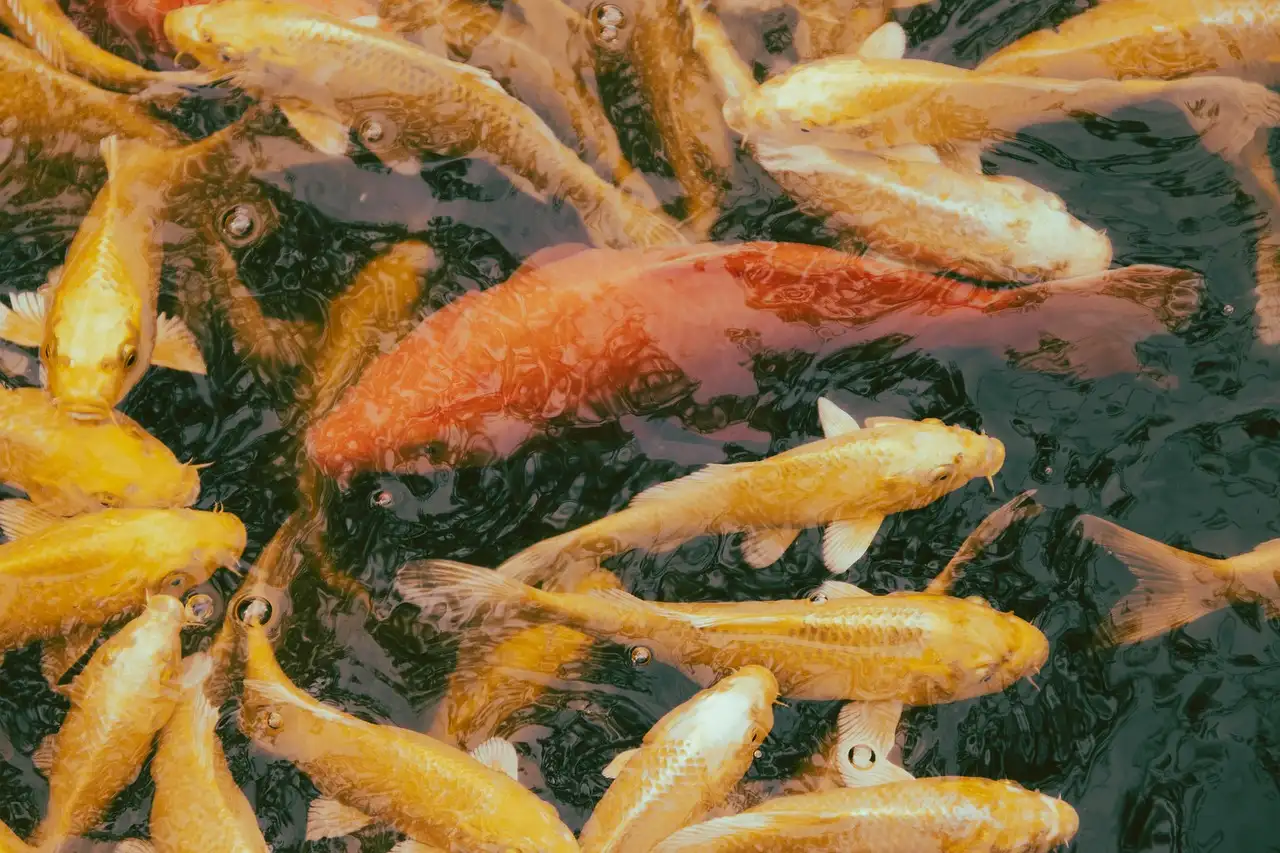


| Species | Beginner friendliness | Legal-risk variability | Habitat predictability | Shot difficulty | Best water type | Why it ranks here |
|---|---|---|---|---|---|---|
| Common carp | 5/5 | 2/5 | 5/5 | 2/5 | Muddy lakes, backwaters, slow river edges | Abundant bottom feeder, often exposed in murky water and easy to pattern. |
| Silver carp | 4/5 | 2/5 | 4/5 | 3/5 | Invasive-heavy rivers, windy lake shallows, current breaks | Schooling fish that are often management targets where allowed. |
| Grass carp | 3/5 | 3/5 | 4/5 | 3/5 | Weed beds, shoreline edges, boat-access lakes | Large, visible fish with clear body shape, but laws vary and shots are often from a boat. |
| Freshwater drum | 3/5 | 3/5 | 4/5 | 3/5 | Rivers and lakes with sand or rock bottoms | Works in clear or turbid water, but fish often move and night shooting helps. |
| Buffalo fish | 3/5 | 3/5 | 3/5 | 3/5 | Deeper-water edges, drop-offs, river margins | Schooling fish can be available in groups, but depth and body angle raise difficulty. |
| Bowfin | 2/5 | 4/5 | 4/5 | 4/5 | Shallow weeds, warm backwaters, sloughs | Shallow-water fish with toothy handling risk and state-by-state legality differences. |
| Longnose gar | 2/5 | 4/5 | 4/5 | 4/5 | Calmer, slow-moving water, quiet river bends | Long, narrow target with sharp teeth and a poor angle when it rolls or turns. |
| Alligator gar | 1/5 | 5/5 | 2/5 | 5/5 | Warm, shallow waters with vegetation, slow rivers, lakes, swamps | Huge fish with season and size restrictions in many places; regulation checks are essential. |
Which freshwater fish are best for beginners?
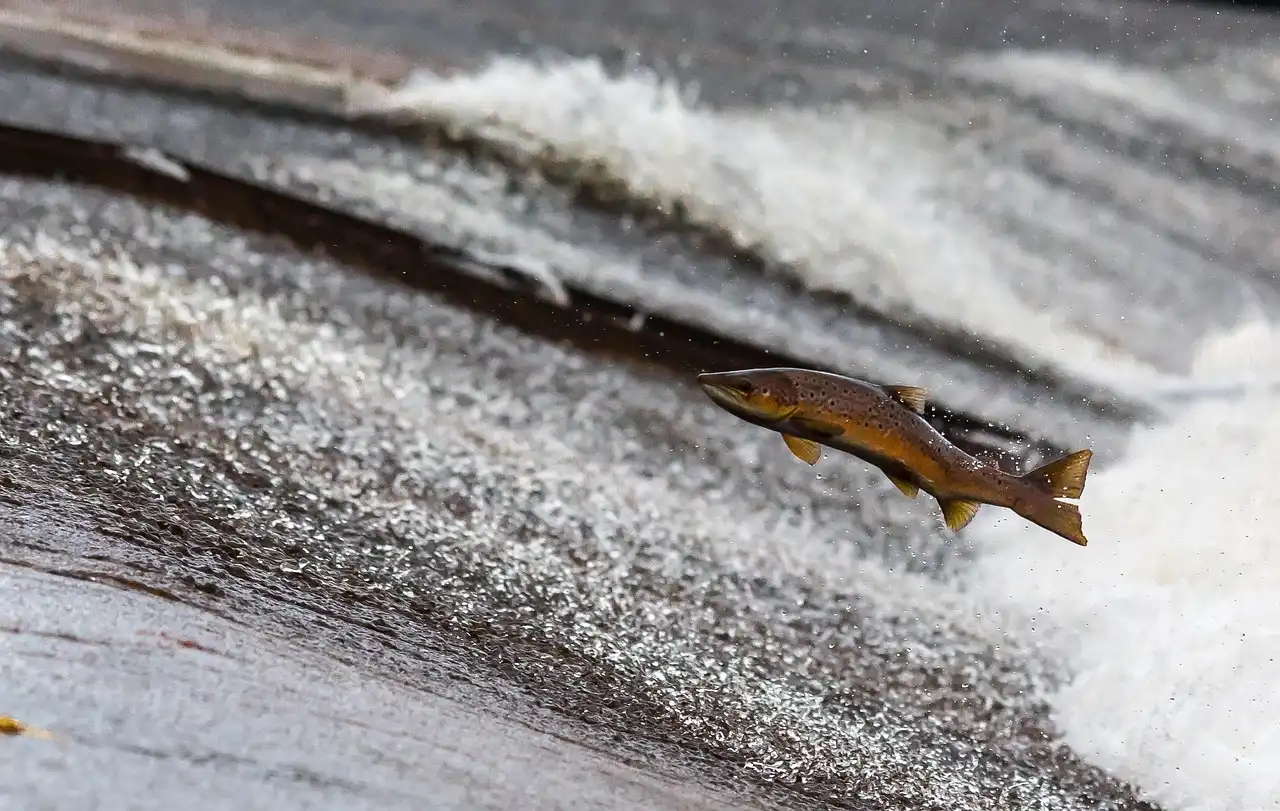
Common carp are the safest place to start, especially in muddy lakes and slow rivers where body shape, movement, and bottom-feeding behavior are easier to read. Silver carp and some buffalo fish can also be straightforward when they school, while bowfin, gar, and alligator gar usually belong on a later list.
Why common carp usually come first
Common carp are the most common bowfishing target in many waters. They can exceed 20 pounds, are strong fighters, and they feed on the bottom, which puts them in predictable lanes along soft shorelines, backwaters, and stained water where fish silhouettes show well.
Muddy water helps because the fish often stand out as a darker shape against the bottom. That makes range judgment simpler than in clear water. Carp are also one of the species most often included in legal rough-fish lists, though state rules still control where and when they can be taken.
When silver carp and buffalo are easier than they look
Silver carp can be a good target when they school and move near the surface, especially where they are managed as an invasive species. Their group behavior can make them easier to find than a lone fish, but they may move fast once a boat or light reaches them.
Buffalo fish can also be practical when they hold in groups near deeper edges. Common, bigmouth, and smallmouth buffalo are often ignored by new bowfishers because they sit deeper than carp, yet that same schooling habit can create repeated opportunities in the right water.
Which targets are better saved for later?
Bowfin, longnose gar, and alligator gar are better after a shooter learns to read angle, depth, and body position. Bowfin have toothy handling risk. Gar have long bodies and sharp teeth, which can make both the shot and the landing process less forgiving.
Alligator gar are the hardest of the group because legal status, size limits, and seasonal restrictions vary widely. Even where legal, their size and power make them a demanding target that is better approached with a clear plan and a clean setup.
Common carp, grass carp, and silver carp
These three species are among the most common freshwater bowfishing targets, but they are not equal in ease or legality. Common carp are usually the most practical starting point. Grass carp and silver carp are often targeted where invasive or management rules allow them, but state laws still decide what is fair game.
How to identify each species before shooting
Common carp have a deep body and a bottom-feeding habit, and they often show up in murky water. Grass carp are identified by the lack of barbels, which helps separate them from common carp. Silver carp are schooling fish tied to population-control efforts in many waters.
A quick check matters before every shot: body shape, mouth position, barbels, and whether the fish is holding near weeds, open water, or a bottom edge. If the fish is not clearly identified, the shot should wait.
Where they hold in lakes and rivers
Common carp often use muddy lakes, backwaters, and slow river edges. Grass carp are tied to weed beds and shoreline habitat, and they are often shot from a boat because that gives a better angle over vegetation and shallow water. Silver carp frequently appear in schools where current or surface disturbance gathers them.
These species are popular for a reason: they are available, they can be legal in many places, and they are usually tied to fish-management goals rather than strict game-fish protection. Still, that does not make them universally legal.
Why these are common legal or management targets
Most jurisdictions allow invasive and rough fish species like common carp, grass carp, gar, buffalo, and bowfin. Game fish such as bass, trout, walleye, and most panfish are generally prohibited for bowfishing. The boundary matters more than the species list alone.
That is why a target species and a target water body must be checked together. A fish may be legal in one river system and off-limits in a connected lake or refuge. Regulations also change by season in some states.
Gar and bowfin in freshwater
Gar and bowfin are popular rough-fish targets, but they bring more legal and handling risk than carp. Both live shallow at times, and both can be seen in the kind of water that looks good for bowfishing. That does not mean they are equally simple or equally legal.
Longnose gar in slow, calmer water
Longnose gar do best in slow-moving waterways and calmer water. They have air-breathing adaptation and sharp teeth, which makes them distinct from carp and more difficult to handle after the shot. Their long snout also makes shot placement less forgiving when the fish is angled away.
They are best searched for in quieter river bends, backwater channels, and calm runs where their shape can be read without heavy surface chop. A fish that looks close in clear water can still present a poor angle if it is turning or rolling under the surface.
Alligator gar rules and size concerns
Alligator gar are large-bodied apex predators that can grow up to 10 feet long and weigh over 300 pounds. They prefer warm, shallow waters rich in vegetation, which means they can overlap with prime bowfishing habitat. The catch is regulation: size limits, seasons, and legal status vary widely.
That means the first step is not the shot. It is the rule check for the exact water body and date. In many places, this fish is a trophy or special management target, not a routine beginner choice.
Bowfin identification and handling risk
Bowfin are shallow-water targets with air-breathing behavior, and they often hold in weeds, sloughs, and warm backwaters. Legal status varies by state, so they belong on a pre-trip check list. Their teeth also make handling risk real after the shot, especially in a packed boat.
Suppose a shallow marsh holds several dark fish in two feet of water. If one has the rounded head and long dorsal fin typical of bowfin, it may be a legal target in one state and protected or limited in another. The fish should be identified before the shot, not after it is on the deck.
Freshwater drum and buffalo fish
Freshwater drum and buffalo fish sit in the middle of the difficulty range. They are common enough to matter, but their water depth and movement patterns can make them less obvious than carp. For many bowfishers, these species become useful once shot selection improves.
Drum on sand, rock, and river bends
Freshwater drum are river and lake fish that thrive over rocky or sandy bottoms. They can grow over 30 inches long and weigh up to 20 pounds. They also tolerate clear or turbid water and are described as nocturnal, which makes them relevant for night shooting.
Look for them along sandbars, current seams, and river bends where the bottom is visible enough to judge the fish’s angle. Because they can move in both clear and stained water, they may appear in more places than new shooters expect.
Buffalo schools near deeper edges
Buffalo fish include common, bigmouth, and smallmouth buffalo. They can weigh up to 50 pounds and are often found schooling near deeper-water edges. That schooling habit can help spot them, but it also means the fish may be slightly below ideal bowfishing depth.
Buffalo are often overlooked because they are low culinary value for many anglers, yet they are a practical target when the goal is population control or target practice. Their deeper-edge habit makes them more demanding than carp in shallow mud.
When these fish fit night shooting
Freshwater drum can be especially useful at night because their movement along bottoms and edges is easier to track under light. Buffalo can also work at night when schools hold near the edge of a drop-off. Night bowfishing is not required, but it often improves visibility in these settings.
A common first-timer mistake is chasing a drum in three feet of clear water at midday, then missing because the fish turns as the arrow enters the water. In lower light, with a steadier angle and calmer surface, the same fish is easier to judge.
How to match species to water type
Water type matters as much as species. Shallow water is easier for bowfishing because refraction is simpler and fish are easier to judge. Boat-based bowfishing and night bowfishing also improve visibility in many freshwater settings, especially where weeds, glare, or depth hide fish edges.
Muddy backwaters and weed lines
Muddy backwaters favor common carp first, then bowfin and sometimes grass carp when weed edges run tight to shore. These are the places where fish shape is easier to read and where a bottom-feeding habit gives away movement. That is why carp remain the most common target.
Weed lines can also hide grass carp. Their lack of barbels helps with identification, and their size makes them stand out once the body clears the vegetation line. A boat gives a better angle than a bank shot in most weed-heavy water.
Sandbars, river bends, and drop-offs
Sandbars and river bends are better for freshwater drum, longnose gar, and some buffalo. These spots keep fish visible without forcing a shot through heavy weeds. They also help with line management when the fish is moving along a contour rather than straight under the bow.
Drop-offs matter for buffalo because they often hold near deeper-water edges. That is useful for finding schools, but it also means arrow trajectory and depth judgment need more care than in ankle-to-knee-deep water.
Shallow water versus deeper water edges
Shallow water is the easiest place to start, but it does not make every fish equally easy. Common carp and bowfin can be found shallow, yet gar and drum may present better in calm, slightly deeper edges where their shapes are not broken by glare or reeds.
Depth changes the shot. In very shallow water, the fish is easier to see. In slightly deeper water, the angle can still be clean if the surface is calm and the fish is broadside.
How to identify targets before shooting
Good identification starts with the fish’s shape, mouth, and behavior, not just the color in the water. Before shooting, check for barbels, snout length, mouth position, body depth, and whether the fish is alone or schooling. That habit prevents legal mistakes and poor shots.
Barbels, snout shape, and mouth position
Barbels are a key marker for carp. Common carp have them; grass carp do not. A long, narrow snout points toward gar, while a deeper, rounder body points more toward carp or buffalo. Mouth position also helps separate bottom feeders from surface-leaning fish.
If the fish is half hidden in weeds, look for the head first. Gar usually show a long profile. Bowfin often appear compact with a pronounced body and a different swimming posture than carp.
Body length, dorsal fin, and schooling clues
Body length and dorsal fin shape help separate bowfin, gar, and drum from common carp. Bowfin can show an air-breathing posture near the surface. Drum usually appear as deeper-bodied fish over sand or rock. Silver carp are often best identified by school behavior and sudden movement.
Schooling matters because it can reveal species before the arrow is drawn. A group of fish that all move together near the surface may suggest silver carp. A single fish hugging a weed edge may be a carp, bowfin, or gar, so the shot should wait for a cleaner profile.
Refraction, angle, and shot selection basics
Water bends the view, so the fish is not where it seems to be. Shallow water reduces that problem, and a broadside fish is simpler than a head-on fish. The cleaner the angle, the easier it is to place the shot into the vitals rather than the front of the body.
- Identify the fish by body shape and mouth features.
- Check whether the species is legal in that water body and season.
- Confirm the angle: broadside is easier than quartering or head-on.
- Judge water depth and clarity before drawing.
- Only shoot when the target and backdrop are both clear.
Frequently asked questions
What fish can you bowfish in freshwater lakes and rivers?
In many jurisdictions, common carp, grass carp, gar, buffalo, bowfin, silver carp, and freshwater drum are common freshwater bowfishing targets. Game fish such as bass, trout, walleye, and most panfish are generally prohibited. Check the state rules and the exact lake or river before shooting.
Which freshwater fish are easiest for beginners to bowfish?
Common carp are usually the easiest beginner target because they are abundant, bottom-feeding, and often visible in murky water. Silver carp can be manageable when schooling, and buffalo can be practical near edges. Bowfin, gar, and alligator gar are better once accuracy and identification improve.
Are carp good bowfishing targets?
Yes. Common carp are often the best starter target and are widely treated as a legal rough-fish option where allowed. They can exceed 20 pounds, fight hard, and show well in muddy water. Their bottom-feeding habit makes them one of the most predictable freshwater targets.
Can you bowfish gar, bowfin, and freshwater drum?
Often yes, but the answer depends on the state, season, and water body. Gar and bowfin are popular rough-fish targets in many places, while freshwater drum are commonly taken in rivers and lakes. Check local rules first, since these species are not equally legal everywhere.
What fish are illegal to bowfish in most states?
Game fish such as bass, trout, walleye, and most panfish are generally prohibited for bowfishing. Some rough fish are also restricted in certain states or seasons, including alligator gar and bowfin in some waters. The legal list changes often enough that a pre-trip check is essential.
Which freshwater species are best for night bowfishing?
Freshwater drum are a strong night option because they are described as nocturnal and often hold over sand or rock. Carp, buffalo, and some gar can also work well at night when visibility improves under lights. Night bowfishing is a tactic, not a requirement, but it can sharpen target reading.