Best Fixed Blade Broadhead for Elk Hunts
The best fixed blade broadhead for elk is a compact, spin-tested, one-piece 100- or 125-grain head matched to your bow speed and arrow spine. For many elk setups, a common starting point is a 100- to 125-grain 2- or 3-blade cut-on-contact design. Elk expose weak penetration fast, so head shape and setup fit matter more than the brand name.
If the bow is slow, the arrow is light, or the shot may be quartering-to, a smaller cut with stronger construction usually beats a wide cut. Faster compounds can handle a stiffer ferrule and a slightly larger cut, but only when tuning is clean and arrow spine is correct.
Top pick and quick picks


Quick picks
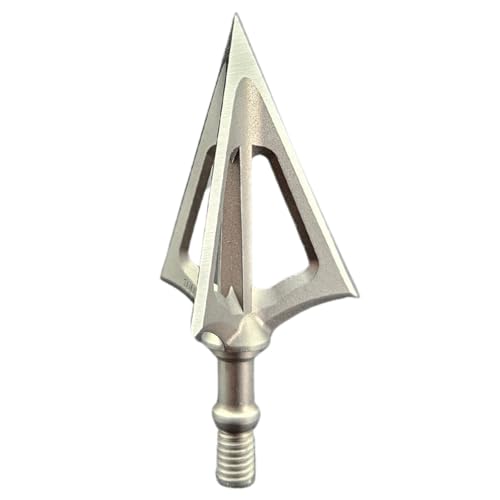
- Best overall for elk: G5 Montec style one-piece head, because it combines one-piece MIM steel construction with spin-tested balance and a compact 1 to 1 1/8 inch cut.
- Best for slower bows: A 100- to 125-grain cut-on-contact fixed blade with a smaller cut diameter, since it gives up less penetration in steep or quartering shots.
- Best for high-speed compounds: A stronger ferrule with a 1 1/4 inch class cut, provided the bow tunes cleanly and the arrow spine stays correct.
- Best budget option: A 100-grain 420 stainless fixed blade such as KEAUP, because it gives corrosion resistance, easy sharpening, and simple screw-in fit.
Best fixed-blade broadheads for elk
One-piece MIM steel pick
The G5 Montec is the safest all-around reference point for elk because it uses one-piece MIM steel construction, comes in 85, 100, and 125 grain options, and has a 1 to 1 1/8 inch cutting diameter. That small profile suits quartering shots and bone risk better than wide-cut heads.
Spin-tested balance matters here. A broadhead that spins true is more likely to track with the field point and avoid steering from blade wobble, especially at longer western distances.
420 stainless budget pick
That stainless construction resists corrosion and is easy to sharpen, which matters on long trips and in wet weather.
This type fits hunters who want a lower-cost head without moving parts. The trade-off is that budget heads can vary more in edge finish and individual balance, so checking spin and blade symmetry is important before heading out.
Replaceable-blade pick
Replaceable-blade fixed broadheads work well when ongoing blade cost matters more than buying a one-piece premium head. They let the hunter replace blades after damage, and many offer swept or full blade choices that can nudge flight and penetration toward a preferred setup.
These heads make sense for hunters who shoot enough to burn through blades, or who want a consistent replacement path after a hard impact. They are still fixed heads, so they need proper tune and spine.
Vented blade pick
A vented blade design can reduce windage and sometimes feels calmer in flight, especially in crosswinds common on open ridges. The benefit is not magic; it is mainly a narrower surface for wind to push against than a larger exposed blade.
Vented heads still need tuning. If the bow is out of tune, venting will not fix poor arrow flight, and it will not make a weak spine behave like a correct one.
Fixed blade vs mechanicals for elk
Fixed blades are usually the better elk choice when the shot may hit shoulder meat, ribs, or heavy bone. They have no moving parts, so there is less chance of a blade not opening on impact, and their open blade design is built for immediate cutting.
Reliability on impact
Mechanical broadheads depend on deployment. Fixed blades do not. That difference matters on elk, where broken blades, heavy hide, and odd impact angles can expose any weak point in the head.
Fixed heads are also less sensitive to impact debris. If a broadhead must push through hair, hide, and bone fragments, a fixed edge is already open and ready.
Wind drag and flight
Fixed blades create more wind drag than mechanicals, so they are less forgiving of poor tune. Bow speed, arrow spine, and vane choice all matter more with a fixed blade than they do with many mechanicals.
For that reason, a spin-tested head on a tuned bow is not a bonus. It is the baseline.
Penetration on bone
For heavy bone penetration, fixed blades are the stronger option. Quartering-to elk shots can put the broadhead near the scapula, and a compact head with a cut-on-contact tip is better suited to that risk than a wide mechanical cut.
A larger cut can still work, but the wider the blade, the more energy it takes to drive through hard tissue. That is where setup choice starts to matter more than headline diameter.
When a mechanical still makes sense
A mechanical can make sense on a fast compound with a perfect tune and a broadside-only plan. Even then, the hunter has to accept more moving parts and less certainty when the angle gets steep or the first contact is bone.
For elk, that trade-off is hard to justify unless the setup is built around speed and the shot profile stays simple.
What grain broadhead should you use for elk?
For most elk setups, 100 to 125 grains is the common starting range. Heavier heads usually improve momentum and downrange stability, while lighter heads can flatten trajectory but give up some push on impact. The right answer depends on draw weight, arrow mass, and speed.
85 grain setups
85 grain heads, including the lighter G5 Montec option, are better suited to specific fast setups where arrow weight already stays high enough and the bow tunes cleanly. They can help reduce point weight if the arrow build is already front-heavy.
That said, 85 grains is less common for elk because the margin for error shrinks when quartering shots and bone risk enter the picture.
100 grain setups
100 grains is the most versatile elk weight for many compounds. It gives a solid balance between trajectory and penetration, and it works well with many factory arrow builds and common spine choices.
For a hunter who wants one broadhead weight to test first, 100 grains is often the cleanest place to start.
125 grain setups
125 grain heads make sense when the hunter wants more forward momentum and better hold on deeper impacts. They are often a smart choice for slower compounds and recurves because the extra weight helps preserve penetration when arrow speed is limited.
The cost is a more arcing trajectory. That matters more past short range, so sight tape or pin gaps need to reflect the heavier point.
How arrow weight changes the choice
Arrow weight changes broadhead choice because the total arrow system, not the head alone, drives penetration and flight. A heavier shaft can support a heavier head without punishing trajectory as badly, while a lighter shaft may need a smaller head to stay in tune.
Say your compound is tuned for a lighter arrow but you move to a 125-grain broadhead. If the spine goes soft, the arrow may plane in wind or group poorly at distance. The fix is not guesswork; it is a spine check and a re-tune.
How big should a fixed blade broadhead cut be for elk?
For elk, a common target is a cut around 1 inch to 1 1/8 inch, with about 1 3/16 inch to 1 1/4 inch often used as a middle ground for stronger setups. Heads in the 1 3/8 inch to 1 1/2 inch range create more wound size, but they also ask more from penetration on heavy impacts.
1 inch to 1 1/8 inch
This is the safest range for poor angles, heavy bone risk, and slower bows. Smaller cuts give up less energy on entry, which helps when the shot may hit shoulder meat or a steep quartering angle.
1 3/16 inch to 1 1/4 inch
This range is a practical middle for strong compounds with good tune. It can open a larger wound channel without demanding the same penalty in penetration that larger heads often bring.
1 3/8 inch to 1 1/2 inch
This size range can be useful on high-speed rigs and broadside-only shots. It is less forgiving on elk shoulders and quartering-to angles, where penetration loss matters more than extra cut diameter.
Penetration versus wound size
Wide cuts make a bigger hole. Small cuts usually drive deeper. On elk, the trade is simple: the wider the blade, the more carefully the setup has to be chosen for shot angle and speed.
A common first-timer mistake is choosing the widest cut available and then wondering why the arrow stops short on a quartering shot. On elk, a modest cut with strong construction often kills cleaner than a huge cut that fails to reach the vitals.
Elk broadhead decision table
| Draw-weight band | Bow speed band | Arrow weight band | Recommended grain range | Ideal cut diameter | Best-use shot angles | Common failure risks and tuning notes |
|---|---|---|---|---|---|---|
| 45-55 lb | Slow | Heavier arrows | 125 grain | 1 inch to 1 1/8 inch | Broadside, mild quartering-away | Weak penetration on quartering-to shots; choose a cut-on-contact tip and verify spine and tune. |
| 55-65 lb | Moderate | Medium to heavy arrows | 100 to 125 grains | 1 1/8 inch to 1 3/16 inch | Broadside, quartering-away, mild uphill | Wind planing if the bow is out of tune; spin-test each head and confirm vane clearance. |
| 65-75 lb | Fast | Medium arrows | 100 grains | 1 3/16 inch to 1 1/4 inch | Broadside, steep uphill, some quartering-away | Blade drag and planing if spine is weak; a compact ferrule and clean tuning help control flight. |
| 75 lb and above | Very fast | Medium to light arrows | 85 to 100 grains | 1 1/4 inch | Broadside, controlled long-range shots | Larger cuts can lose penetration on bone; do not ignore stiffness, nock fit, and broadhead balance. |
How to choose the right head for your setup
Start with draw weight, then bow speed, then arrow mass. That order matters because a fixed blade that is too wide for the setup may fly poorly or fail to penetrate on elk bone, especially on quartering shots.
- Match the head to the bow speed band first.
- Choose 100 to 125 grains unless the rest of the arrow build argues otherwise.
- Use a smaller cut if the shot may hit shoulder or the bow is slow.
- Use a larger cut only when tune, spine, and speed support it.
- Spin-test the finished head and confirm field point and broadhead group close together.
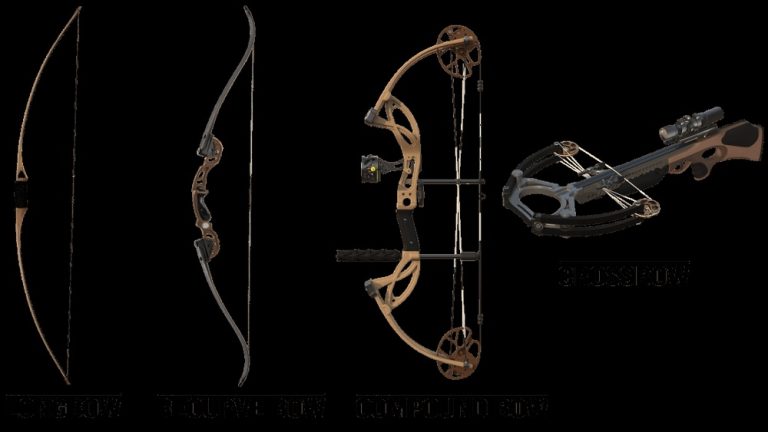
If the setup is a recurve or slower compound, lean toward 125 grains and a compact cut-on-contact head. If the setup is a high-speed compound, 100 grains with a stronger ferrule and careful tune can work well.
Shot angle and bone risk
Quartering-to shots are often considered higher-risk for bone because the arrow may need to pass through the near-side shoulder before reaching the lungs. A compact, one-piece, cut-on-contact head is the best answer when that kind of impact is possible.
Picture a steep uphill shot at 42 yards where the elk turns at the last second and shows a quartering angle. A larger fixed blade may still fly fine, but the smaller, stronger head is more likely to keep driving after first contact.
Do you need a one-piece broadhead for elk?
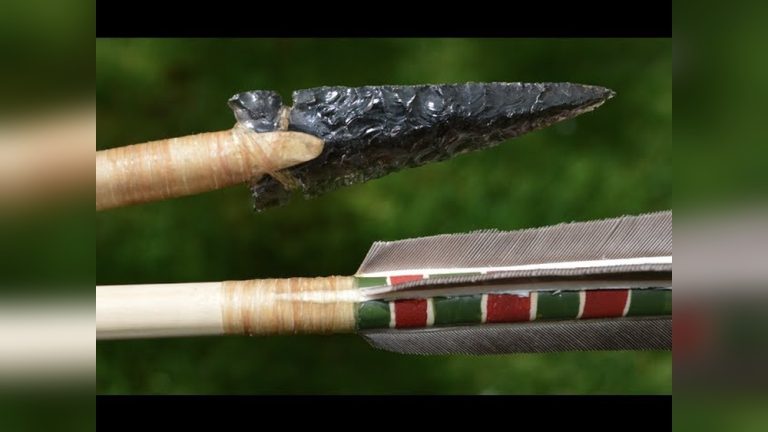
A one-piece broadhead is not mandatory, but it is one of the best choices for elk because it reduces weak points. The main advantage is durability: fewer joins mean fewer places for a bent blade or damaged ferrule to fail under heavy impact.
Durability and weak points
One-piece MIM steel construction, as used in the G5 Montec style head, is a strong answer when reliability matters most. The design is simple, durable, and better suited to rough impact than more complex heads with more separate parts.
When replaceable blades are enough
Replaceable-blade fixed broadheads are enough for hunters who want lower ongoing cost and easy blade swaps. They can still work well on elk, but the hunter should expect to inspect blades more often and replace damaged edges sooner.
Cost over a season
Premium one-piece heads cost more up front, but they may last longer if the hunter does not chip blades often. Budget heads cost less to buy, while replaceable-blade models may cost less over a season if only the blades need replacement.
The true cost is not just the package price. It is head durability, replacement blade cost, and how often the setup needs re-tuning after a damaged edge or bent ferrule.
Best fixed blade broadhead for elk hunting
That combination gives the best balance of penetration, reliability, and forgiveness on rough angles.
For a slower bow, the safer pick is usually a smaller-cut 125-grain head. For a fast compound with excellent tune, a 100-grain head with a slightly larger cut can work well. For heavy bone risk, the smaller and stronger option wins.
Frequently asked questions
What is the best fixed blade broadhead for elk hunting?
The best fixed blade broadhead for elk hunting is usually a compact, one-piece, spin-tested head in the 100- to 125-grain range. For most setups, that means a cut-on-contact or swept-blade design with a smaller cut diameter, because elk punish heads that trade penetration for size.
Are fixed blade broadheads better than mechanicals for elk?
Yes, for most elk setups. Fixed blades are more reliable on impact, tolerate bone better, and avoid the chance of a blade not opening. Mechanicals can work on fast, well-tuned bows, but they give up some certainty when the shot angle gets ugly.
What fixed blade broadhead flies best for elk?
The fixed blade that flies best is the one that matches the bow tune, arrow spine, and point weight. Spin-tested heads with compact blade profiles usually fly most consistently. Poor tune will hurt flight more than brand choice, especially in wind or at longer range.
Which fixed blade broadhead is best for heavy bone on elk?
The best choice for heavy bone is a compact, one-piece fixed blade with a cut-on-contact tip and a smaller cut diameter. That combination gives the best chance of pushing through scapula risk on quartering shots, where penetration matters more than a large wound channel.