What is the Traditional Bow Division? A Complete Beginner’s Guide
If you’ve ever watched archery competitions or explored archery clubs, you might have heard about the Traditional Bow Division. This division holds a special place for archers who want to experience archery as it was hundreds of years ago, simple, pure, and skill-focused. While modern bows use advanced technology, the traditional bow division keeps things old-school. But what exactly does this division include? How does it differ from other archery categories? And why do so many archers prefer it, even today? Let’s explore what makes the traditional bow division unique, who it’s for, and what you need to know if you want to join.
What Is The Traditional Bow Division?
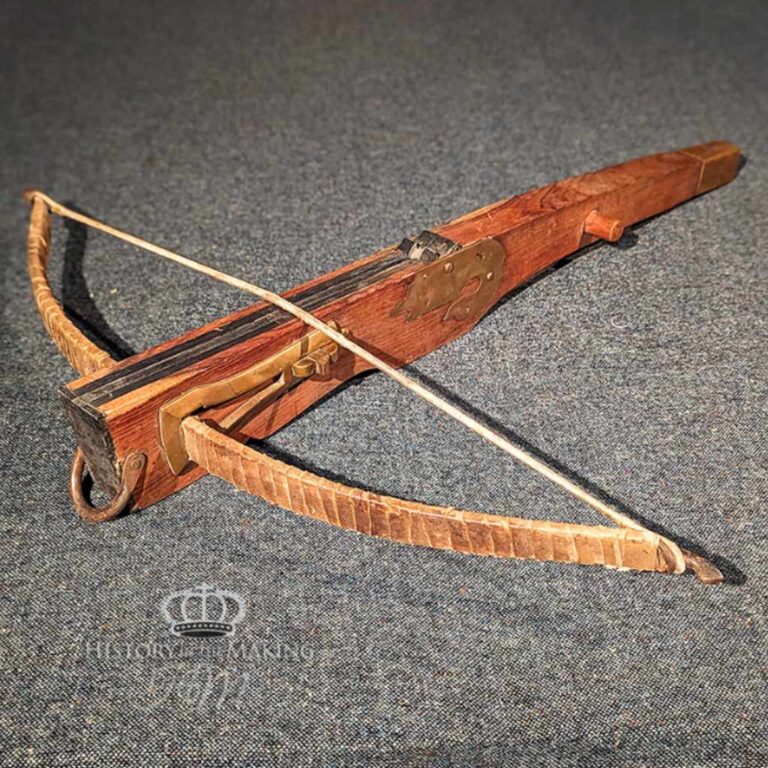
The Traditional Bow Division is a category in archery competitions where participants use bows built and shot like those from ancient times. These bows are made without modern aids like sights, stabilizers, or mechanical releases. Instead, archers rely on their skills, instincts, and the simplicity of their equipment. The division is popular in field archery, target archery, and 3D archery events worldwide.
Traditional bows include:
- Longbows: Tall, straight bows with a classic design.
- Recurve bows (without aids): Bows with curved limbs but no sights or stabilizers.
- Self bows: Made from a single piece of wood.
Unlike modern compound bows, traditional bows require the archer to judge distance and aim without help. This makes the division both challenging and rewarding.
History And Origins
Archery is one of humanity’s oldest skills. The traditional bow division is inspired by historical archery, used by hunters, warriors, and sportsmen for centuries. Ancient cultures across Asia, Europe, and Africa developed their own bow styles for hunting and war.
The English longbow, Mongolian recurve, and Native American self bow are famous examples.
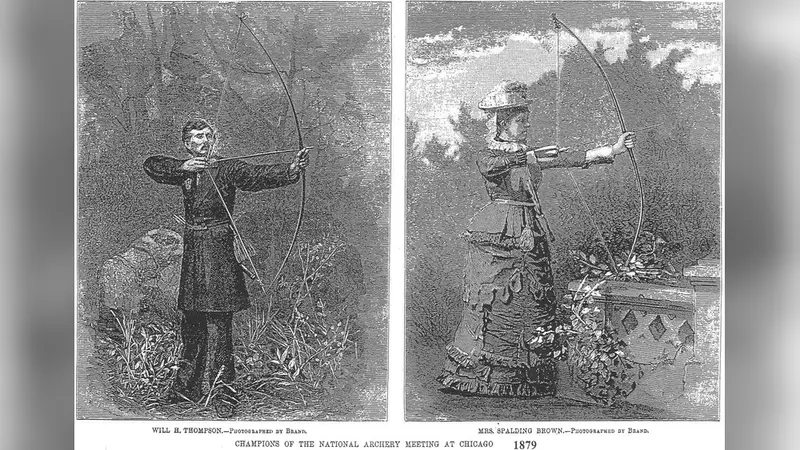
Modern archery competitions started in the 19th century, and as technology advanced, new divisions appeared. However, many archers wanted to keep the classic experience alive. That’s why organizations like World Archery and the International Field Archery Association (IFAA) created the traditional bow division.
Today, the division is recognized in local, national, and international tournaments. It is especially popular among archers who appreciate history, craftsmanship, and pure skill.
Equipment Rules And Specifications
To join the traditional bow division, you need to follow strict equipment rules. These rules ensure every archer competes with similar gear and skills.
Allowed Bows
- Longbow: Made from wood or modern materials, but must follow historical shape.
- Recurve bow: Must be shot “bare,” meaning no sights, stabilizers, or releases.
- Self bow: Made from a single piece of wood with no added parts.
Prohibited Accessories
- Sights: No aiming devices are allowed.
- Stabilizers: No rods or weights to balance the bow.
- Mechanical releases: Only fingers or gloves are permitted.
- Arrow rests: Only simple, traditional rests are allowed.
Arrow Rules
- Material: Wood, aluminum, or carbon. Many prefer wood for authenticity.
- Fletching: Often feathers, not plastic vanes.
- Nocks: Simple, traditional nocks.
Dress Code
Some tournaments encourage archers to dress in traditional or historical clothing. This isn’t always required, but it adds to the atmosphere.
Example:
Using a wooden longbow at a local tournament differs from shooting with a modern recurve. The bow was heavier, aiming was harder, but the satisfaction after hitting the target was much greater.
How Is The Traditional Bow Division Different?
The traditional bow division stands apart from other archery categories in several ways. Here’s a quick comparison:
| Feature | Traditional Bow Division | Modern Recurve Division | Compound Bow Division |
|---|---|---|---|
| Bows | Longbow, bare recurve, self bow | Recurve with sights/stabilizers | Compound with cams, sights, releases |
| Aiming | Instinctive (no sights) | Using sights | Using advanced sights |
| Accessories | No stabilizers/release aids | Allowed | Allowed |
| Skill Focus | Instinctive shooting, pure skill | Technical, consistent | Mechanical, precise |
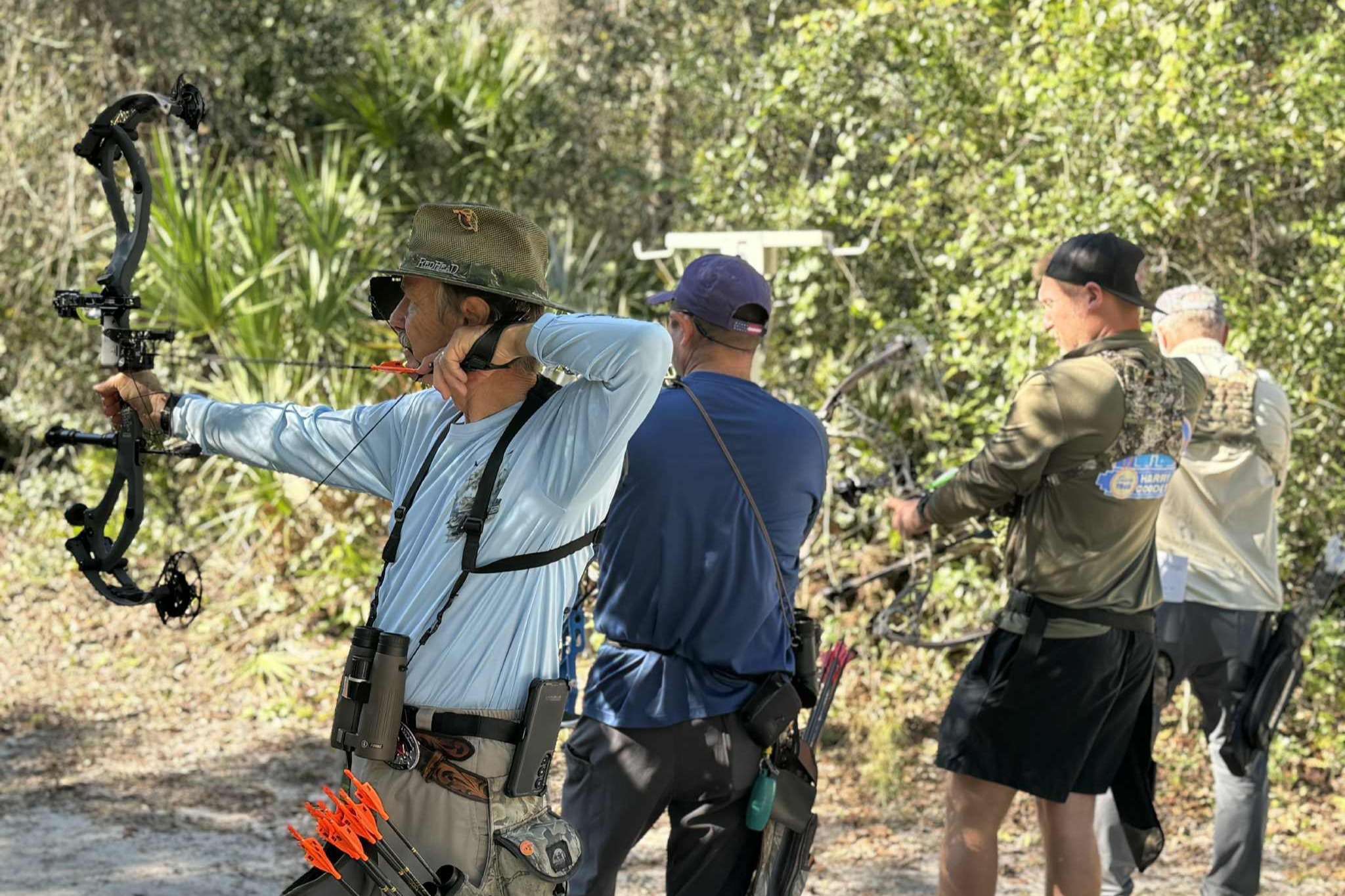
Traditional bow division is about instinctive shooting. Archers must judge distance, wind, and target size without help. Other divisions rely more on technology and technical adjustments.
Credit: nfaausa.com
Types Of Bows Used
There are several types of bows allowed in the traditional division. Each has its own history and shooting style.
Longbow
The longbow is the classic English bow, famous in medieval battles. It is tall, often as long as the archer is, and has a simple, straight design. Longbows are usually made from wood like yew or ash. They are powerful but require strong arms and good technique.
Recurve Bow (barebow)
The recurve bow has curved limbs that give extra speed and power. In the traditional division, recurve bows are shot “bare”, with no sights, stabilizers, or mechanical releases. This requires more skill from the archer.
Self Bow
A self bow is made from a single piece of wood, shaped and carved by hand. These bows are the oldest type, used by Native Americans and other cultures for hunting and war. They are simple but effective.
Comparison Of Bow Types
| Bow Type | Main Material | Typical Length | Historical Origin |
|---|---|---|---|
| Longbow | Wood (Yew, Ash) | 5-6 feet | England, Wales |
| Recurve Bow | Wood, composite | 3-5 feet | Mongolia, Turkey |
| Self Bow | Wood (single piece) | 4-6 feet | Worldwide |
Competition Format And Scoring
The traditional bow division uses various competition formats, depending on the event. Here are the main types:
Target Archery
Archers shoot at fixed targets from set distances. The targets have colored rings, each worth different points. Traditional archers must use instinctive aiming, making high scores harder to achieve.
Field Archery
In field archery, archers move through a course, shooting at targets set in woods or fields. Distances are often unknown, and targets vary in size. This tests the archer’s skill in judging distance and adapting.
3d Archery
3D archery uses life-sized animal models as targets. Archers walk through a course and shoot from different positions. This style is popular with hunters and those who want a realistic experience.
Scoring Example
Most events use a 10-point system, with the center worth 10 points, and outer rings worth less. In field and 3D archery, scoring zones are marked on the models.
Pro Tip: In traditional bow competitions, consistency is more important than raw power. Practice short, controlled shots and focus on your form.
Skills And Techniques
Shooting a traditional bow is different from shooting with modern equipment. Here are key skills needed:
Instinctive Shooting
Traditional archers often use instinctive shooting. This means they don’t use sights or aim marks. They look at the target, draw the bow, and release the arrow by feeling. This skill takes time to develop.
Anchor Point
The anchor point is where you pull the string back before releasing. Finding a consistent anchor point is critical. Most traditional archers anchor at the corner of the mouth or cheek.
Draw Technique
Traditional bows require a smooth draw. Pulling too fast or unevenly can cause the arrow to miss. Use your back muscles, not just your arms.
Follow-through
After releasing the arrow, keep your body and bow steady. Good follow-through improves accuracy.
Common Mistakes
- Overdrawing: Pulling the string too far can damage the bow.
- Inconsistent anchor point: Leads to missed shots.
- Poor stance: Causes balance issues.
Why Choose The Traditional Bow Division?
Many archers are drawn to the traditional division for its unique challenges and rewards.
Authentic Experience
Using a traditional bow feels like stepping back in time. The experience is raw and honest. You rely on your senses, not technology.
Skill Development
Traditional archery builds core skills. Instinctive aiming, body control, and focus are essential. These skills often carry over to other archery divisions.
Community
The traditional bow division has a friendly, supportive community. Many archers share tips, teach beginners, and celebrate craftsmanship.
Mental Benefits
Shooting a traditional bow can be meditative. The focus required helps reduce stress and improve concentration.
Getting Started: What You Need
If you want to join the traditional bow division, here’s what you need:
- Choose Your Bow: Start with a simple longbow or recurve. Avoid expensive or complex bows at first.
- Get Arrows: Wooden arrows with feather fletching are common.
- Finger Protection: Use gloves or tabs to protect your fingers.
- Practice Instinctive Shooting: Learn by shooting at short distances, then increase as you improve.
- Join a Club: Find a local archery club. Many offer traditional bow training.
Traditional Bow Division Worldwide
The traditional bow division is popular in many countries. Events are held in North America, Europe, Asia, and Australia. Each region has its own rules and styles, but the core principles are similar.
Organizations
- World Archery: International tournaments and rules.
- IFAA: Field archery events and divisions.
- National Archery Associations: Local competitions.
Famous Events
- World Traditional Archery Festival: Held annually, brings together archers from around the world.
- National Traditional Championships: Local contests in most countries.
Example:
At the World Traditional Archery Festival, archers compete with bows handmade by local craftsmen, sometimes wearing historical costumes. This event celebrates the cultural side of archery.
Craftsmanship And Bow Making
Traditional bows are often handmade. Bowyers (bow makers) use wood, horn, sinew, or modern materials to create bows. The process is slow and requires skill.
Materials
- Wood: Yew, ash, hickory, bamboo.
- Horn and sinew: Used in composite bows.
- Modern materials: Some bows use fiberglass for strength, but the shape stays traditional.
Process
Bow making starts with selecting wood, shaping the limbs, tillering (balancing the bend), and adding grips and string. A handmade bow can last decades if cared for.
Example:
A self bow made by a local bowyer feels lighter but requires careful handling. The bow’s power depended on the wood’s flexibility.
Training And Improvement
Improving in the traditional bow division requires practice and patience.
Drills
- Blank target shooting: Shoot at a plain target to focus on form.
- Distance judging: Practice estimating distances without markers.
- Stance training: Work on balance and stability.
Coaching
Many clubs offer traditional archery coaching. Coaches help with form, aim, and mental focus.
Progress Tracking
Keep a log of your scores and shots. Review your technique regularly.
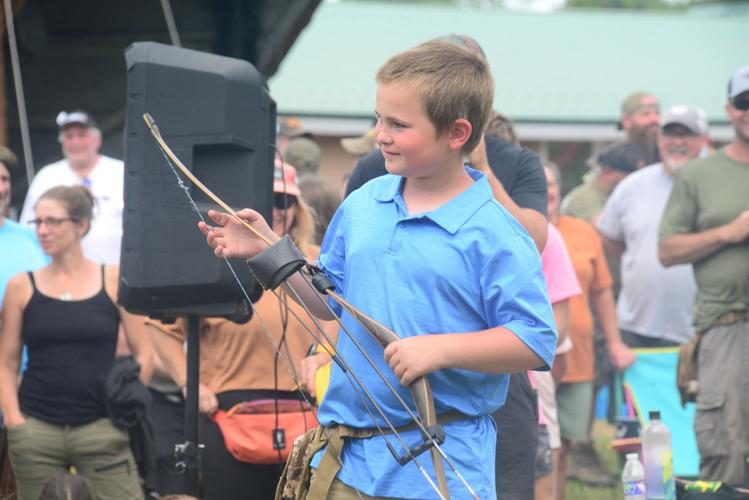
Credit: www.tiogapublishing.com
Comparing Traditional Bow Division To Other Divisions
Here’s a summary table to help you see how the traditional division compares with modern ones:
| Division | Allowed Equipment | Skill Focus | Main Audience |
|---|---|---|---|
| Traditional Bow | Longbow, bare recurve, self bow | Instinctive aiming, form | History lovers, skill seekers |
| Modern Recurve | Recurve with sights/stabilizers | Technical consistency | Olympic archers, sport shooters |
| Compound | Compound bow, release, sights | Mechanical precision | Hunters, competitive archers |
Cultural Significance
Traditional archery is more than a sport. It connects people to history and culture. For example, Korean and Turkish traditional archery festivals attract thousands of visitors every year. In Native American communities, self bows are part of cultural traditions.
Health And Safety Considerations
Traditional bows require careful handling. They don’t have safety features like modern bows. Always check your bow for cracks or damage before use. Use finger protection and never dry fire (shoot without an arrow).
Warning: Beginners should learn from a coach or experienced archer. Poor technique can cause injury.
Common Challenges And Solutions
Difficulty Aiming
Many beginners struggle with aiming. Try shooting at larger targets first and gradually move to smaller ones.
Arrow Consistency
Wooden arrows can vary in weight and straightness. Buy from reputable makers or learn to make your own.
Bow Maintenance
Traditional bows need regular care. Store in dry places, avoid extreme temperatures, and oil wooden parts.
Unique Insights: What Most Beginners Miss
- Arrow Matching Matters: The weight and spine (flexibility) of your arrows must match your bow’s strength. Many beginners ignore this and get poor results. Ask a bowyer for advice.
- Mental Focus Is Key: Traditional archery is as much about the mind as the body. Breathing, visualization, and relaxation help improve accuracy. Most new archers focus only on technique and forget mental training.
Frequently Asked Questions
What Is The Main Difference Between Traditional And Modern Archery?
Traditional archery uses simple bows without aids like sights or stabilizers. Modern archery relies on technology for aiming and consistency. In traditional, skill and instinct matter most, while modern archery is more technical.
Can I Compete In Traditional Bow Division With Any Bow?
No, only bows that meet division rules are allowed. These include longbows, bare recurve bows, and self bows. Compound bows or recurve bows with sights and stabilizers are not permitted.
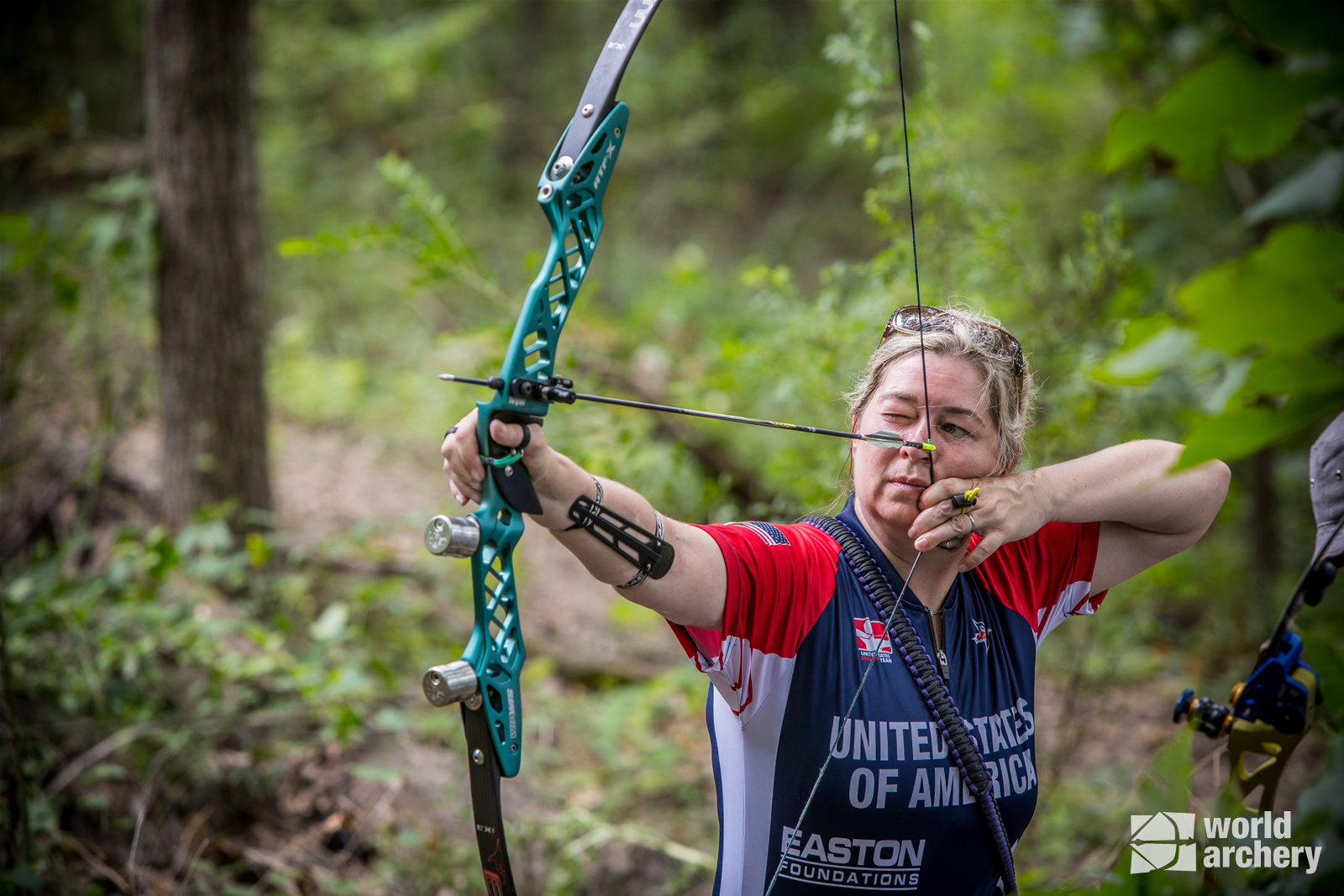
Credit: www.usarchery.org
Is Traditional Archery Safe For Beginners?
Yes, if you follow safety guidelines and learn from experienced archers. Always use finger protection and check your bow for damage. Start with low draw weight bows to avoid strain.
How Do I Find Traditional Archery Events?
Look for local archery clubs or national associations. Many have websites