How is a Traditional Musical Bow Played: Step-by-Step Guide
The musical bow is one of the oldest and most unique instruments in the world. Its simple shape, a curved stick with a string, hides a surprising complexity. For centuries, communities across Africa, South America, and Asia have used musical bows for storytelling, rituals, and entertainment.
But how exactly is a traditional musical bow played? This article explores the methods, traditions, and skills behind playing this ancient instrument. Whether you’re curious about its history or want practical tips, you’ll find clear explanations and useful comparisons here.
What Is A Traditional Musical Bow?
A musical bow is a stringed instrument made of a single curved stick and a string stretched between its ends. Unlike modern guitars or violins, musical bows do not have a fingerboard or frets. They are found in many cultures, especially in southern Africa, Brazil, and parts of Asia.
The materials are simple: a wooden stick (often from local trees), a string (made from plant fiber, animal gut, or wire), and sometimes a resonator like a gourd or the player’s mouth. Despite its basic design, the musical bow produces a wide range of sounds.
Example: The berimbau from Brazil is a famous musical bow used in capoeira, a martial art and dance. In southern Africa, the umakhweyana and uhadi are traditional bows played in ceremonies and storytelling.
Origins And Cultural Significance
Musical bows have a rich history. Many believe they evolved from hunting bows, which hunters used for shooting arrows and later for making music. The instrument plays an important role in rituals, celebrations, and teaching oral history.
In southern Africa, the musical bow is often linked to Zulu and Xhosa cultures. It is used to accompany songs, dances, and poetry. In Brazil, the berimbau guides the rhythm and style of capoeira.
The bow is not just an instrument; it is a symbol of tradition and identity. Playing techniques, songs, and stories are passed down from one generation to the next. This oral tradition keeps the music alive, even as modern instruments become popular.
Credit: www.song-bar.com
Anatomy Of The Musical Bow
Understanding the parts of a musical bow helps explain how it is played. Here’s a comparison of the main components found in different types:
| Component | Purpose | Common Materials |
|---|---|---|
| Bow (Stick) | Holds tension and shape | Wood (e.g. bamboo, hardwood) |
| String | Produces sound | Gut, plant fiber, metal wire |
| Resonator | Amplifies sound | Gourd, coconut shell, mouth |
| Bridge (optional) | Separates string into sections | Wood, bone |
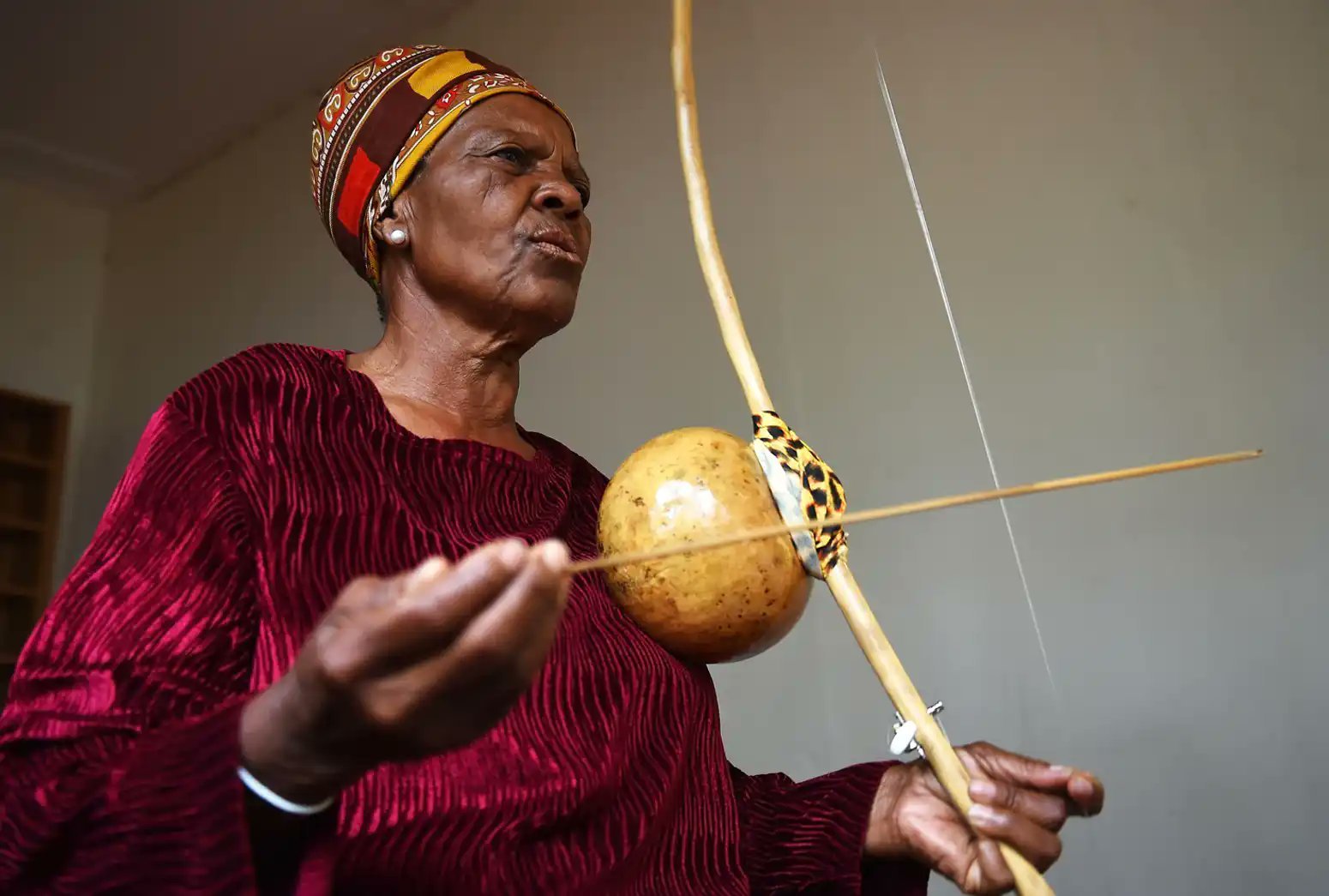
Some musical bows, like the berimbau, use a gourd as a resonator. Others, like the mouth bow, use the player’s mouth to change the sound. The string’s tension, thickness, and material affect the tone and pitch.
How To Hold And Position The Musical Bow
Playing the musical bow starts with the right holding technique. Each tradition has its own style, but some basic principles apply.
- The bow is usually held horizontally or diagonally.
- One hand grips the stick, while the other manipulates the string or the resonator.
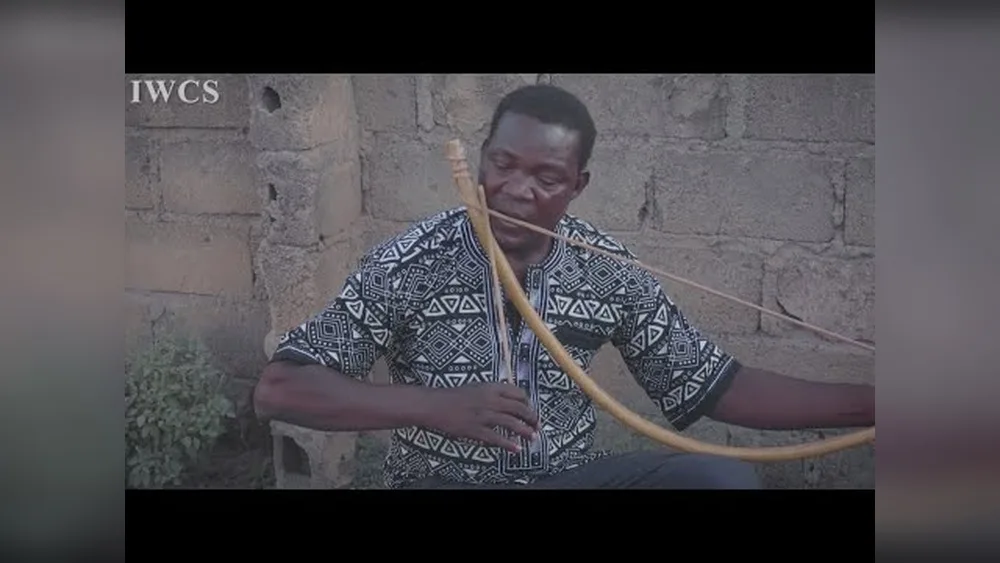
- In the mouth bow, the player presses one end against their mouth, using their lips as a resonator.
Example: For the berimbau, the player holds the bow upright with one hand and uses the other hand to hold a stone (called dobrão) and a stick (called baqueta), striking the string and changing the tone.
Pro Tip: If you are new to the musical bow, practice holding it comfortably first. Avoid gripping too tightly, as this can affect the sound quality.

Credit: en.wikipedia.org
Methods For Playing The Musical Bow
There are several ways to play a musical bow, depending on the region, tradition, and type of instrument. Here are the main methods:
1. Plucking
Plucking is the most common technique. The player uses their fingers or a small stick to pull and release the string, creating vibrations. The sound can be sharp or mellow, depending on the string material and tension.
- Plucking with fingers gives a softer sound.
- Using a stick or plectrum produces a brighter tone.
2. Striking
Some bows, like the berimbau, are played by striking the string with a thin stick. The player controls rhythm and dynamics by varying the force and speed.
- The striker can be made from wood or metal.
- Players often combine striking with pressing a stone against the string to change pitch.
3. Bowing
In rare cases, a musical bow is played using a violin-like bow, drawn across the string. This produces continuous sound and allows for more expressive playing.
- Bowing is less common but found in some Asian traditions.
- The technique requires smooth movement and careful control.
4. Resonating With The Mouth
For mouth bows, the player uses their lips, tongue, and mouth cavity as a resonator. By changing the shape of their mouth, they modify the pitch and timbre.
- Humming or singing while playing adds extra harmonics.
- Moving the mouth closer or farther from the string affects the volume.
5. Using A Gourd Or External Resonator
Many bows have a gourd or coconut shell attached. The player moves the resonator against their body or near their mouth to amplify and shape the sound.
- The resonator can be pressed against the chest, stomach, or held freely.
- Changing the position creates different effects.
Tuning And Pitch Control
Musical bows have flexible tuning methods. Unlike guitars or violins, they often lack fixed notes. Players adjust pitch by:
- Changing string tension (tightening or loosening).
- Pressing a stone or finger against the string.
- Using bridges to divide the string into sections.
Some bows allow only a few notes, while others can play melodies and harmonies. Here’s a comparison of tuning possibilities:
| Bow Type | Notes Available | Tuning Method |
|---|---|---|
| Berimbau | 2, 3 pitches | Stone, string tension |
| Uhadi (Southern Africa) | 2, 4 pitches | Finger, bridge, resonator |
| Mouth Bow | Multiple overtones | Mouth shape, string tension |
Pro Tip: Beginners often overlook tuning. Even small changes in tension or finger placement can make a big difference in sound.

Credit: www.youtube.com
Rhythm And Melody In Musical Bow Music
Playing a musical bow is not just about making sounds, it’s about creating rhythm and melody. The player uses timing, accent, and pitch changes to build patterns. Some musical bows are used mainly for rhythm, others for melody.
- The berimbau sets the rhythm for capoeira.
- The uhadi accompanies singing and dancing with both rhythm and melody.
Experienced players combine plucking, striking, and mouth resonance to create complex music. They often improvise, responding to dancers or singers.
Common Musical Bow Styles And Regional Techniques
Musical bows are played in many regions, each with its own style. Here are some notable examples:
Southern African Bows
- Uhadi (Xhosa): Played with a stick, resonator pressed against chest, uses finger to change pitch.
- Umakhweyana (Zulu): Plucked with fingers, sometimes uses a bridge for extra notes.
Brazilian Berimbau
- Played upright, struck with a stick, uses a stone to change pitch.
- Often accompanied by a shaker (caxixi).
Asian Mouth Bows
- Played by pressing one end against the mouth, plucked with fingers.
- Mouth shapes create melodies and harmonics.
Each style has unique rhythms, playing positions, and cultural meanings. Some bows are solo instruments, others are part of ensembles.
Learning To Play: Practical Steps And Tips
If you want to play a traditional musical bow, here are practical steps:
- Choose the right bow for your interest (e.g., berimbau, uhadi, mouth bow).
- Learn basic holding and positioning.
- Practice plucking or striking the string.
- Experiment with tuning and pitch control.
- Listen to recordings from experienced players.
- Join a local group or find a teacher if possible.
Pro Tip: In my experience, starting with simple rhythms and focusing on clear sound makes learning easier. Don’t rush, master the basics before adding complexity.
Common Mistakes When Playing The Musical Bow
Beginners often make mistakes that affect their progress. Here are a few:
- Gripping the bow too tightly, which dampens sound.
- Ignoring tuning, leading to flat or sharp notes.
- Using only one technique (e.g., plucking), instead of exploring striking and resonance.
- Not listening to traditional music for inspiration.
Warning: Avoid using synthetic strings or heavy sticks, they can damage the bow and change its traditional sound.
Musical Bow Vs. Other String Instruments
How does the musical bow compare to other string instruments like guitar, violin, or harp? Here’s a simple comparison:
| Instrument | Number of Strings | Playing Techniques | Role in Music |
|---|---|---|---|
| Musical Bow | 1 | Plucking, striking, mouth resonance | Rhythm, melody, accompaniment |
| Guitar | 6 | Plucking, strumming, fretting | Melody, harmony, solo |
| Violin | 4 | Bowing, plucking, fingering | Melody, harmony, solo |
| Harp | 47 (concert) | Plucking | Melody, harmony |
The musical bow is simpler but offers unique sounds not found in modern string instruments.
Notable Performers And Traditions
Many musicians and communities have kept the musical bow tradition alive. Famous players include:
- Dona Rosa (berimbau, Brazil)
- Nofinishi Dywili (uhadi, South Africa)
- Madosini (umakhweyana, South Africa)
These artists use the musical bow for storytelling, ritual, and entertainment. Their styles inspire new generations.
Modern Uses And Revival
Today, the musical bow is enjoying a revival. Musicians use it in fusion music, education, and cultural projects. The instrument appears in world music festivals and workshops.
Some schools teach musical bow music as part of cultural heritage. Researchers study its acoustic properties and history. The musical bow is no longer limited to traditional settings, it inspires creativity in many genres.
Pro Tip: If you attend a music festival or workshop, look for musical bow demonstrations. Seeing and hearing the instrument live is much more powerful than recordings.
Preserving The Musical Bow Tradition
Preservation is important. Many musical bow traditions are endangered as modern instruments replace them. Projects focus on:
- Recording traditional songs and techniques.
- Teaching young people to play.
- Supporting makers and artisans.
Organizations like the International Society for Traditional Music promote research and awareness. You can support preservation by buying traditional bows, attending concerts, or learning to play.
Frequently Asked Questions
What Materials Are Used For The String Of A Traditional Musical Bow?
Traditional bows use strings made from animal gut, plant fibers, or metal wire. Animal gut is common in African bows, while berimbau often uses steel wire. The string’s material affects the sound, durability, and tuning. Some makers use modern nylon, but this changes the traditional tone.
Can You Play Chords On A Musical Bow?
Musical bows usually produce single notes or simple harmonics. Most do not support full chords like a guitar. However, skilled players can combine mouth resonance and string pressing to create layered sounds or implied chords. Learning these advanced techniques takes time and practice.
Is It Possible To Make A Musical Bow At Home?
Yes, you can make a basic musical bow using a curved stick and string. Select flexible wood, tie the string tightly, and experiment with tension. Adding a resonator, like a small gourd or using your mouth, improves the sound. Start simple and adjust as you learn. For authentic instruments, study local traditions or consult makers.
How Do You Care For A Musical Bow?
Keep the bow dry and avoid extreme temperatures. Loosen the string when not playing to prevent warping. Clean with a dry cloth and check for cracks regularly. If the string breaks, replace it with similar material. Avoid synthetic finishes, as they can damage the wood or change the sound.
Are There Digital Or Electronic Versions Of The Musical Bow?
Some musicians use electronic pickups to amplify the musical bow for stage performances. There are also digital apps that simulate musical bow sounds. However, these do not capture the full resonance or tactile experience of playing a traditional bow. Electronic versions are best for modern fusion, not for preserving original traditions.
The musical bow is simple but deep, connecting people across cultures and generations. Whether you play, listen, or study, understanding its methods and meaning adds richness to your musical journey. If you want to learn more or hear traditional performances, visit the Wikipedia page on the musical bow for additional resources and links.