What is a Traditional Musical Bow Made of: Materials Explained
The musical bow is one of the world’s oldest string instruments. You might picture a simple stick with a string, but the truth is far more interesting. Across Africa, South America, and parts of Asia, people have played musical bows for thousands of years.
Each culture shapes the instrument to fit its own music, using the materials they know best. When you ask, “What is a traditional musical bow made of? ” you open a window to history, nature, and creative spirit. In this article, you’ll discover how the traditional musical bow is crafted, which materials are chosen, and why these choices matter for sound and culture.
What Is A Traditional Musical Bow?
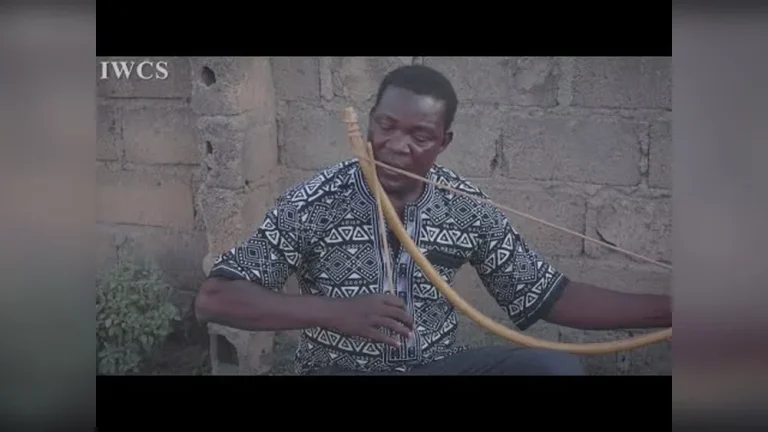
A musical bow is a simple string instrument. Imagine a wooden stick, curved like an archery bow, with a string stretched between its ends. You can play it by plucking, striking, or even using a stick or mouth to change the sound. Some musical bows use a resonator, like a gourd or even the player’s mouth, to make the sound louder and richer.
In many parts of Africa, musical bows are central to traditional music. The berimbau in Brazil, the umakhweyana in South Africa, and the mouth bow in North America all share the same basic design but have unique features. What connects them is their use of local materials, making each instrument a reflection of its people and place.
Main Components Of A Musical Bow
To understand what a traditional musical bow is made of, let’s look at its main parts:
- The Bow (Frame): The curved wooden stick.
- The String: Tied at both ends of the bow.
- The Resonator (optional): Something that amplifies the sound, like a gourd, a tin can, or even the mouth.
- Additional Parts: Some versions have extra strings, bridges, or tuning devices.
Each component is chosen with care. The type of wood, the kind of string, and the resonator’s shape all affect the instrument’s voice.
Wood: The Heart Of The Bow
The main part of any musical bow is the wooden frame. Choosing the right wood is vital, it needs to be flexible but strong, able to bend without breaking, and should not be too heavy. Let’s look at some common woods used worldwide.
African Musical Bows
In Southern Africa, makers often use guava, wild olive, or acacia wood. These trees grow locally and produce branches that are both flexible and durable. The choice depends on the region, climate, and what is available.
South American Musical Bows
For the Brazilian berimbau, the preferred wood is biriba (Eschweilera ovata). This wood is prized for its springy, elastic nature, which allows the bow to bend and keep its shape even after many years.
North American Mouth Bows
Native American mouth bows are often made from hickory or oak. Both are strong and flexible, which helps the instrument produce a clear, ringing sound.
Table: Common Woods Used In Musical Bows
| Region | Common Woods | Key Qualities |
|---|---|---|
| Southern Africa | Guava, Wild Olive, Acacia | Flexible, durable, easy to shape |
| Brazil | Biriba | Elastic, strong, lightweight |
| North America | Hickory, Oak | Tough, flexible, long-lasting |
Example: When I tested a berimbau made with biriba, its lightweight feel made playing easy, while the wood’s springiness gave the sound a lively character. In contrast, a heavier or brittle wood would not bend smoothly and might break.
Pro Tip: If you want to make a musical bow yourself, choose a branch about 1-2 cm thick, with even grain and no big knots. Bend it gently, if it cracks or feels stiff, try a different piece.
String Materials: From Animal Gut To Modern Nylon
The string is the musical bow’s voice. It can be made from many materials, each with its own sound and feel. Traditionally, the string comes from what’s available locally. Here’s a look at popular choices.
Animal Gut
Animal gut, often from sheep or cattle, is a classic material. It’s strong, flexible, and produces a warm sound. Gut strings are still used in many African bows. They need care, though, they can break if they dry out or get too wet.
Plant Fibers
Some musical bows use plant fibers, like sisal, hemp, or even twisted bark. These are easy to find and prepare in rural areas. They tend to have a softer sound and are less durable than gut or metal.
Metal Wire
Steel or brass wire is common in modern versions, especially where traditional materials are hard to find. Metal strings are bright, loud, and durable. The berimbau in Brazil now often uses steel wire from old tires or cables.
Synthetic Materials
With new technology, nylon and plastic strings have become popular. They are cheap, last long, and are not affected by humidity. However, some players say they lack the warmth of gut or the power of metal.
Table: String Materials And Sound Qualities
| Material | Sound Quality | Durability |
|---|---|---|
| Animal Gut | Warm, rich, mellow | Medium (needs care) |
| Plant Fiber | Soft, earthy, less volume | Low (can fray or snap) |
| Metal Wire | Bright, loud, sharp | High (resists wear) |
| Synthetic (Nylon) | Clear, steady, less warmth | High (weatherproof) |
Warning: Metal strings can cut into wooden bows if not attached carefully. Always add a small protective layer, like leather or cloth, where the wire touches the wood.
Resonators: Amplifying The Sound
Many musical bows use a resonator to make the sound louder and richer. The simplest resonator is the player’s mouth, but physical objects are also common.
Gourds
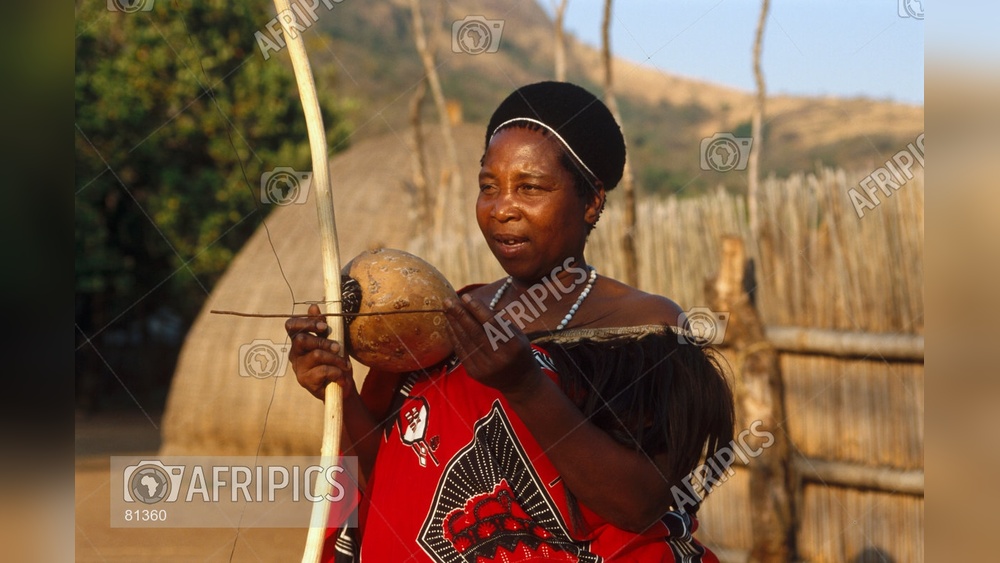
Dried gourds are popular in Africa and Brazil. They are hollowed out, cleaned, and sometimes decorated. The gourd is tied or held against the bow, acting as a natural amplifier. The size and shape of the gourd change the tone, large gourds give deeper sounds.
Wooden Or Metal Resonators
In some areas, people use wooden bowls or metal cans. These materials are easy to find and can be tuned by changing their position or adding holes.
The Human Mouth
Some traditional bows, especially in North America, use the player’s mouth as a resonator. By changing the shape of the mouth and moving it closer or farther from the string, the player can make different tones and effects.
Comparison: Resonator Types
| Resonator | Material | Effect on Sound |
|---|---|---|
| Gourd | Dried plant shell | Deep, warm, natural |
| Wooden Bowl | Carved wood | Soft, mellow, smooth |
| Metal Can | Recycled metal | Sharp, bright, loud |
| Mouth | Human body | Flexible, personal, expressive |
Example: In my experience, using a gourd with the berimbau creates a much richer sound than playing without one. The gourd acts like a speaker, boosting certain tones and making subtle rhythms easier to hear.
Decorative And Functional Additions
While the main parts of a musical bow are simple, many makers add features for looks or improved playability.
Decorative Elements
Traditional bows are sometimes painted, carved, or wrapped with colored thread. Decorations can show the maker’s identity, cultural symbols, or clan patterns.
Extra Strings And Bridges
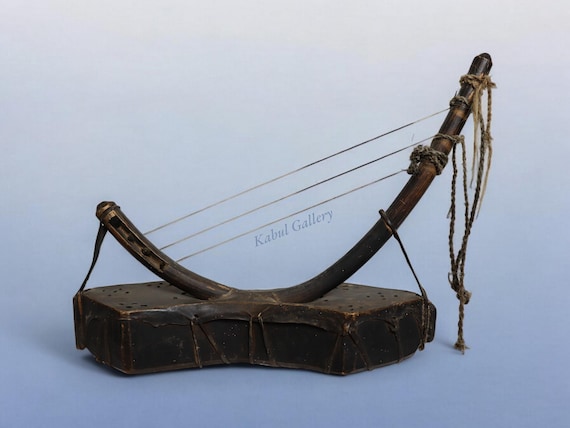
Some advanced bows, like the umrhubhe or xizambi in Southern Africa, have more than one string or use a small bridge to lift the string away from the wood. This allows for more complex sounds.
Tuning Devices
A few musical bows use tuning pegs or wedges to adjust string tension. Most, though, are tuned by moving the string or by adding small pieces of wood or bone under the string to raise or lower the pitch.
How Materials Affect The Sound
It’s easy to think the musical bow is basic, but every material change alters its tone and feeling. Here are some practical insights:
- Harder woods give a brighter, snappier sound, while softer woods create a mellower tone.
- Thicker strings make lower, deeper notes; thinner strings give higher, sharper sounds.
- The resonator’s size controls volume and bass. A bigger gourd means stronger, deeper notes.
- Local humidity and temperature affect natural strings, gut and plant fiber stretch more in wet climates.
Pro Tip: If your musical bow sounds dull, try swapping the string or adjusting the resonator’s position. Small changes can make a big difference.
Regional Variations In Musical Bow Construction
Across continents, people have adapted the musical bow to fit their own music and environment. Let’s look at a few examples.
The Berimbau (brazil)
- Bow: Biriba wood, about 1.5 meters long
- String: Steel wire (originally plant fiber or gut)
- Resonator: Large dried gourd (cabaça)
- Extras: Coin or stone pressed against the string to change pitch
The berimbau is played with a stick (baqueta) and a shaker (caxixi), making it more complex than it looks.
The Uhadi (south Africa)
- Bow: Wild olive or other local wood
- String: Animal gut or metal wire
- Resonator: Large gourd attached near the center
- Playing method: Struck or plucked with a stick
The uhadi is used in Xhosa music, often played by women singers.
The Mouth Bow (north America)
- Bow: Hickory or oak, shorter than African bows
- String: Sinew, gut, or plant fiber
- Resonator: Player’s mouth shapes the sound
This bow is one of the few North American string instruments before European contact.
Table: Regional Musical Bow Features
| Instrument | Main Materials | Notable Features |
|---|---|---|
| Berimbau | Biriba wood, steel wire, gourd | Played with stick and shaker |
| Uhadi | Wild olive, gut or wire, gourd | Large, deep sound, used in singing |
| Mouth Bow | Hickory, sinew, mouth as resonator | Player shapes sound with lips/tongue |
Non-obvious Insights About Musical Bow Materials
Most beginners focus on wood and string, but here are two insights often missed:
- Resonator Attachment Matters: The way you attach the resonator (gourd, can, etc.) Changes the sound. A loose tie lets the resonator vibrate freely, while a tight tie damps the sound. Experimenting here can add new character to your music.
- Source of Natural Materials: Not all gut or wood works equally well. The age of the animal (for gut) or season of wood harvesting can affect quality. For example, wood cut in the dry season is less likely to crack.
Sustainability And Modern Changes
Traditional musical bows rely on local, natural materials. However, as forests shrink and animal products become less available, makers adapt. Recycled metal, nylon, and even plastic are used more often. While this keeps the tradition alive, it also changes the sound.
Some musicians and researchers now look for sustainable sources, planting fast-growing trees for wood, or using synthetic strings that mimic gut’s warmth.
For deeper information on the cultural and environmental impact of musical bows, the Musical Bow Wikipedia page is a good starting point.

Credit: www.mocanyc.org
Frequently Asked Questions
What Is The Oldest Known Traditional Musical Bow?
Archaeologists believe the oldest musical bows date back over 12,000 years. Some ancient cave paintings in Africa show people holding bow-like instruments, and early bows were likely made from local wood and animal sinew. These early bows may have been used for rituals or storytelling as much as for music.
How Do You Maintain A Traditional Musical Bow?
To keep a musical bow in good shape, store it in a dry place away from direct sunlight. If your string is gut or plant fiber, rub a little natural oil on it to keep it from drying out. Avoid bending the bow too far, as this can cause cracks.
If you use a gourd resonator, check it for mold or insect damage regularly.
Can You Replace Traditional Materials With Modern Ones?
Yes, many musicians now use nylon strings or recycled steel wire instead of gut or plant fiber. For the bow, some use laminated woods or even fiberglass. While these changes can affect the sound, they make the instrument more durable and accessible, especially where traditional materials are hard to find.
Credit: www.etsy.com