Which of the Following are Bowed String Techniques Explained
The world of bowed string instruments is rich and full of expressive possibilities. Musicians playing the violin, viola, cello, or double bass use a variety of bowed string techniques to create different sounds, textures, and emotions. Understanding these techniques is not only important for performers, but also for listeners, composers, and music students. It gives a deeper appreciation for the complexity and beauty of string music.
While some techniques are commonly taught from the very beginning, others require years of practice to master. Each method creates a unique sound, serving different musical styles and moods. For anyone interested in how string instruments are played, whether as a beginner, an advanced musician, or simply a curious listener, it’s essential to learn what these techniques are, how they differ, and what they contribute to the music.
This article explores the most important bowed string techniques, explaining how they are done, what they sound like, and when you might hear them. You will also find comparisons, practical tips, and answers to less obvious questions about bowed strings.
Let’s explore the fascinating world of bowed string techniques together.
What Are Bowed String Techniques?
Bowed string techniques are ways that musicians use the bow to produce different sounds on string instruments like the violin, viola, cello, and double bass. These techniques include the direction and speed of the bow, the pressure applied, and special movements that change the tone and articulation.
The main goal is to create a wide range of musical expressions. For example, a slow, smooth bow can produce a gentle and emotional sound, while a quick, bouncing bow can make the music lively and exciting. Mastering these techniques allows players to bring out the full character of their instruments.
Bowed string techniques are not limited to classical music. They also appear in jazz, folk, film music, and many other styles. Each genre often has its own preferences and unique ways of using the bow.
Core Bowed String Techniques
1. Legato
Legato means playing notes smoothly and connected, with no gaps or breaks. The bow moves in one continuous motion, changing direction gently when needed.
This technique is essential for lyrical melodies, where each note should flow into the next. It’s often used in slow movements of symphonies and concertos, giving the music a singing quality. Beginners usually learn legato early, but mastering a perfectly even sound takes years of practice.
Example: The opening theme of Beethoven’s “Moonlight Sonata” (when played on string instruments) often uses legato to keep the mood calm and flowing.
2. Staccato
Staccato means playing short, separated notes. The bow stops after each note, creating a clear break. This technique is common in lively, rhythmic passages.
There are two main types of staccato:
- Simple staccato: Separate bow strokes for each note.
- Slurred staccato: Multiple short notes on a single bow stroke, requiring advanced control.
Staccato adds energy and crispness to the music. It’s often used in dance pieces or fast, playful sections.
Pro Tip: Keep the bow close to the string for better control and a clean sound.
3. Spiccato
Spiccato is a bouncing bow technique. The bow leaves the string between each note, creating a light, percussive sound. It’s used for fast, detached notes, especially in orchestral music.
This technique requires relaxation in the hand and arm. The bounce comes from the natural springiness of the bow, not from forcing the movement. Spiccato is important for fast, lively music, like scherzos or dance pieces.
In my experience, practicing spiccato slowly first helps build control before increasing speed.
4. Detaché
Detaché means “detached” in French, but not as short as staccato. Each note is played with a smooth, separate bow stroke, without connecting or bouncing.
Detaché is a basic technique used in many types of music. It is clear and even, making it ideal for scales, studies, and straightforward melodies.
Players focus on keeping the tone consistent from note to note. Detaché is often the default method unless a composer asks for something special.
5. Martelé
Martelé means “hammered” in French. In this technique, the bow starts with pressure and is released suddenly, creating a sharp, accented note. Each note is separated by a pause, making the sound very distinct and powerful.
Martelé is used for strong accents and dramatic moments. It’s not as common in fast passages but adds emphasis when needed. This technique requires good control of bow pressure and timing.
Example: In Tchaikovsky’s violin concerto, martelé strokes highlight dramatic musical statements.
6. Sul Ponticello
Sul ponticello means playing close to the bridge of the instrument. This creates a bright, glassy, and sometimes harsh sound with many overtones.
Composers use sul ponticello for special effects, suspenseful moments, or to create a mysterious atmosphere. It is common in modern and film music.
Players must control the bow pressure to avoid an unpleasant scratchy sound. Sul ponticello is not used for long passages, but rather for color and special effects.
7. Sul Tasto
Sul tasto means playing over the fingerboard. This makes a soft, airy, and gentle sound, often described as “hazy” or “whispering.”
Sul tasto is used for dreamy or distant effects. It’s the opposite of sul ponticello and is often marked in music for contrast.
Careful bow control is needed to keep the sound clear, since the string vibrates more freely over the fingerboard.
8. Col Legno
Col legno means playing with the wood of the bow, not the hair. This produces a dry, percussive sound, almost like a tap or a knock.
There are two main ways to do col legno:
- Col legno battuto: Striking the string with the wood.
- Col legno tratto: Drawing the wood across the string.
Col legno is used for special effects, especially in 20th-century music and film scores. It can damage bows if done too often, so players usually use older bows for this.
9. Tremolo
Tremolo is a rapid back-and-forth movement of the bow, creating a trembling or shivering sound. It’s often used for suspense, excitement, or to build tension.
There are two main types:
- Unmeasured tremolo: As fast as possible, often for dramatic effect.
- Measured tremolo: Played in rhythm, with a set number of strokes per beat.
Tremolo is common in orchestral music, especially in film and opera for intense moments.
10. Sautillé
Sautillé is a fast, light, bouncing stroke. Unlike spiccato, which is more controlled, sautillé relies on the natural spring of the bow at higher speeds.
It is used for very quick, repeated notes, often in virtuosic passages. Sautillé is more common in advanced playing, as it requires both speed and relaxation.
Warning: If your hand tenses up, the bow will stop bouncing. Focus on relaxation for best results.
11. Ricochet
Ricochet means letting the bow bounce several times in one direction, usually on a down-bow. The player drops the bow onto the string, and it bounces naturally, playing multiple notes in quick succession.
Ricochet is used for special effects, rapid arpeggios, or dramatic passages. It requires precise timing and a good sense of rhythm.
12. Portato (louré)
Portato or louré combines features of legato and staccato. Several notes are played in one bow stroke, but each note is gently separated, not completely connected.
This creates a pulsing, expressive line, useful in romantic or lyrical music. Portato is less common in fast passages, but adds character to slow, singing melodies.
13. Double Stops
Double stops involve playing two strings at once, producing harmony. The bow must contact both strings evenly, which requires careful angle and pressure.
Double stops are common in solo music, giving the illusion of more than one instrument. They can be played with any technique (legato, staccato, etc. ) And are especially effective in violin and viola music.
14. Chords
Chords are when three or four notes are played together. On string instruments, full chords are hard to play all at once because of the curved bridge, so they are usually played as broken chords (rolling the bow quickly across the strings).
Chords add drama and power, often used at important moments in the music. Mastering chords requires precise bow control and finger strength.
15. Harmonics
Harmonics are produced by lightly touching the string at certain points, creating high, flute-like tones. The bow must be drawn smoothly and with light pressure.
There are two types:
- Natural harmonics: The player touches open strings at specific spots.
- Artificial harmonics: The player presses one finger down and lightly touches another finger a fourth above.
Harmonics are used for magical or ethereal effects and require accurate left-hand and bow technique.
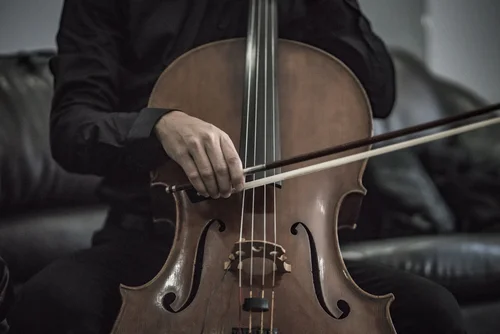
Credit: timbreandorchestration.org
Comparing Key Bowed String Techniques
To better understand how different techniques change the sound, here’s a comparison of some major techniques:
| Technique | Sound Quality | Difficulty Level | Musical Use |
|---|---|---|---|
| Legato | Smooth, connected | Beginner to Advanced | Melodies, lyrical passages |
| Staccato | Short, separated | Intermediate | Rhythmic, lively sections |
| Spiccato | Light, bouncy | Advanced | Fast, playful music |
| Martelé | Accented, powerful | Intermediate to Advanced | Emphatic phrases |
| Harmonics | Flute-like, airy | Advanced | Special effects |
Special Techniques And Effects
While the techniques above are the most common, there are other specialized methods that expand the expressive power of bowed strings.
Ponticello Vs. Tasto: A Sound Color Comparison
The place where the bow contacts the string makes a big difference in sound. Here’s a side-by-side look:
| Contact Point | Sound Description | Typical Use |
|---|---|---|
| Sul ponticello (near bridge) | Bright, metallic, edgy | Modern, suspense, color effects |
| Sul tasto (over fingerboard) | Soft, gentle, fuzzy | Dreamy, quiet, special effects |
Combining Techniques
Advanced players often combine techniques. For example, double stops can be played with tremolo, or harmonics can be performed with sul tasto for an even softer sound. The combinations create endless possibilities for color and expression.
Example: In Shostakovich’s string quartets, you might hear tremolo double stops for intense, shimmering passages.
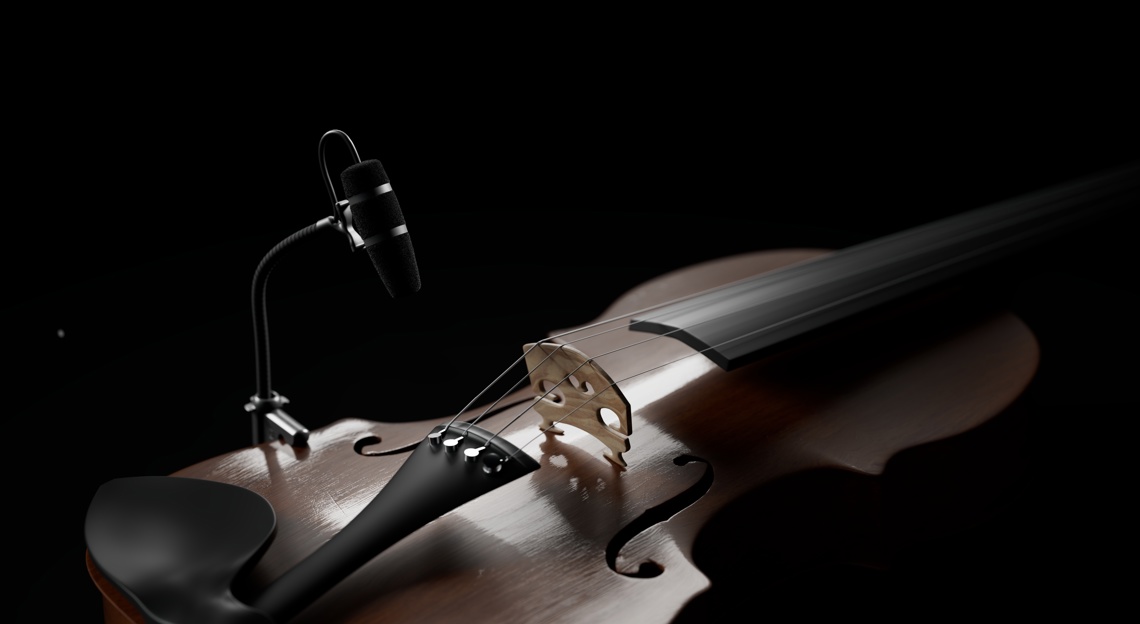
Credit: www.dpamicrophones.com
Common Beginner Mistakes
Learning bowed string techniques can be challenging. Beginners often make these mistakes:
- Too much pressure: Pressing the bow too hard makes a scratchy sound. Most techniques require a balance of weight and speed.
- Tension in the hand or arm: Tight muscles prevent smooth bowing, especially for spiccato, sautillé, and ricochet.
- Wrong bow angle: Not keeping the bow perpendicular to the string leads to uneven sound.
- Ignoring the contact point: Playing too far from the bridge or fingerboard at the wrong time changes the tone in unwanted ways.
- Skipping slow practice: Fast techniques like spiccato and sautillé need to be learned slowly for control.
When I first learned violin, I made almost all of these mistakes. With patient guidance and focused practice, improvement comes steadily.
Practical Tips For Mastering Bowed String Techniques
- Practice with a mirror: Watching your bow arm helps correct posture and movement.
- Record yourself: Listening back reveals issues you might not hear while playing.
- Use a metronome: Consistent rhythm is essential, especially for tremolo and spiccato.
- Focus on tone quality: Don’t sacrifice sound for speed.
- Alternate practice routines: Work on one technique at a time, then combine them in real music.
- Seek feedback: A good teacher can spot subtle issues and offer personalized advice.
Pro Tip: For advanced techniques like harmonics or ricochet, experiment with different bows if possible. Some bows respond better to certain methods.

Credit: joinlavender.com
How Bowed Techniques Shape Music
Composers and arrangers use bowed string techniques to bring their music to life. For example:
- Beethoven often used legato and detaché for expressive melodies.
- Tchaikovsky and Dvořák wrote passages with strong martelé to add drama.
- Film composers like John Williams use tremolo and sul ponticello for suspenseful moments.
- Jazz violinists use staccato and spiccato to create rhythmic drive.
Each technique matches the emotion and style of the music. Knowing the difference helps musicians interpret music more personally and creatively.
When To Use Each Technique
Choosing the right technique depends on the music’s style, tempo, and character.
| Musical Situation | Best Technique(s) | Reason |
|---|---|---|
| Slow, lyrical melody | Legato, portato | Creates a singing, smooth line |
| Fast, lively dance | Spiccato, sautillé | Adds energy and clarity |
| Strong accent or emphasis | Martelé | Makes notes stand out |