How Long Do Archery Tournaments Last: Essential Guide
Archery tournaments can last anywhere from a few hours to a full weekend, depending on the format, number of participants, and competition level. Junior events and single-day shoots are typically shorter, while major national or international championships often span multiple days.
Welcome, aspiring archers! Stepping into your first archery tournament can feel like a big leap. You’re probably wondering, “Just how long will I be there?” It’s a common question, and understanding the time commitment is key to planning your day and preparing yourself. Don’t worry, it’s simpler than you might think, and with a little know-how, you’ll feel completely at ease. We’ll break down what influences the duration of your archery adventure.
This guide will help you understand the typical timeframes for different types of archery tournaments. We’ll look at the factors that make them shorter or longer, so you can know exactly what to expect before you even pull back your first arrow.
Factors Influencing Tournament Duration
Several elements play a role in determining how long an archery tournament will take. Think of it like planning a trip – the destination, the activities, and the number of people all affect how long you’ll be gone. In archery, these factors are just as important.
Tournament Format
The specific type of competition is a major predictor of duration. Different formats have different scoring systems and numbers of ends (a set of shots) to complete. Some are quick, while others require more time on the range.
- Outdoor Target Archery: These often involve shooting at targets at longer distances. A single round can take a few hours. If the tournament is a multi-day event with multiple courses or rounds, it will naturally be longer.
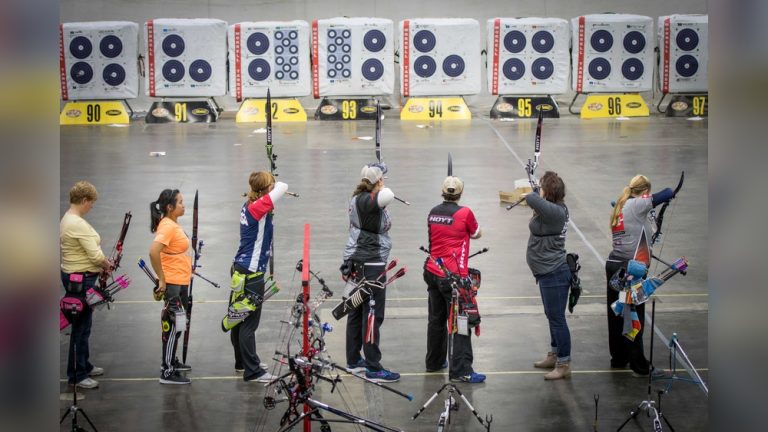
- Indoor Target Archery: Typically faster-paced than outdoor events, indoor tournaments are often completed within a day, sometimes even a single session.
- Field Archery: This format involves shooting at targets placed at varying distances across natural terrain. It can be more time-consuming due to the walking between targets and the varied shot conditions.
- 3D Archery: Archers shoot at life-sized animal targets at unknown distances. Like field archery, this format involves moving between targets and can take several hours to a full day.
- Clout Archery: This is a less common but intriguing format where archers shoot arrows high into the air at a flag on the ground, aiming to land them as close as possible. It can be quite time-consuming.
Number of Participants
More archers mean more people need their turn to shoot. This is a significant factor, especially in larger, more popular tournaments.
- Smaller Local Events: If only a few dozen archers are competing, the tournament will likely move along quite quickly. You might finish in just a few hours.
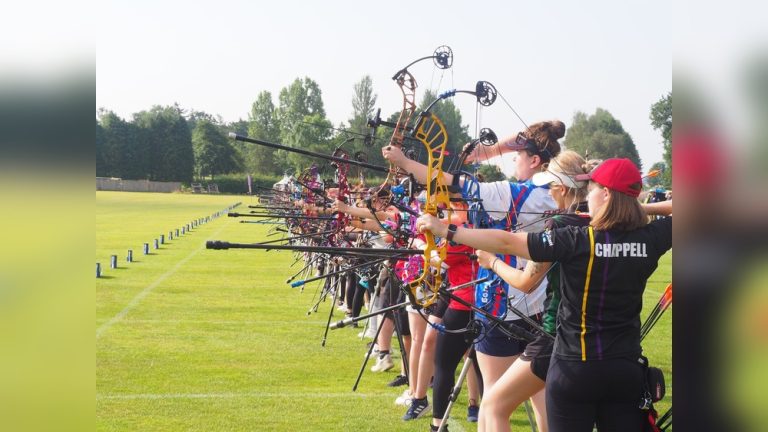
- Larger Regional or National Events: With hundreds or even thousands of archers, tournaments are often structured over several days to accommodate everyone. Lanes will be filled, and scoring will take longer.
Competition Level
The level of the tournament plays a big part. Are you at a casual club shoot or a high-stakes national championship? The stakes and organization can affect the timeline.
- Club Shoots: These are usually more relaxed and can be completed in a shorter timeframe, often just a few hours, as they prioritize participation and fun.
- Sanctioned Events (Local, State, National, International): These follow specific rules and schedules set by governing bodies like USA Archery. They are often more structured and can take longer due to the formality and potential for multiple shooting times.
Scoring and Judging Procedures
How scores are tallied and if judges are involved can add time. Some tournaments use electronic scoring or self-reporting, while others require officials or peer scoring, which can be more deliberate.
Weather Conditions
Unpredictable weather can sometimes cause delays. If conditions become unsafe, a tournament might be paused or postponed, extending its overall duration.
Breaks and Lunch
All-day tournaments, especially those held outdoors, will usually incorporate official breaks and a lunch period. Factor these in when estimating the total time commitment.

Typical Durations by Tournament Type
To give you a clearer picture, let’s look at how long different kinds of archery tournaments typically last. This will help you set your expectations and pack accordingly!
Single-Day Tournaments
Many archery competitions are designed to be completed within a single day, making them accessible for archers with busy schedules. These are common for local club events, indoor championships, and some introductory outdoor shoots.
- Club Shoots/Leagues: Often take 2-4 hours. This includes check-in, a brief practice session, the competition rounds, and scoring.
- Indoor Archery Tournaments: Typically last 3-6 hours. Archers usually shoot a set number of arrows, and the controlled environment allows for efficient progression through the competition.
- Local Outdoor Field/3D Archery Events: Can range from 4-8 hours. Due to the nature of walking courses and longer distances, these require a more substantial time commitment.
Multi-Day Tournaments
More significant events, particularly those with a large number of participants or requiring multiple stages of competition, will extend over multiple days, sometimes even a full weekend.
- Regional/National Outdoor Target Championships: Often span 2-3 days. This allows for qualification rounds, elimination rounds, and finals, ensuring ample time for all archers and the high-level competition.
- Major 3D/Field Archery Championships: Can take 2-4 days. These events often involve covering extensive courses, sometimes spread across vast areas, necessitating longer durations to avoid overcrowding and allow for a thorough experience.
- Archery Festivals or Expos: These can be weekend-long affairs, combining tournaments with workshops, vendor areas, and social events. The tournament portions might be a part of the larger event.
Example Timelines for Beginners
As a beginner, you’ll likely start with smaller, local events. Here’s what you might expect:
A Typical Local Club Tournament (Outdoor Target)
These are designed to be welcoming and efficient.
| Activity | Estimated Time | Notes |
|---|---|---|
| Arrival & Check-in | 30 minutes | Arrive early to get settled. |
| Equipment Check & Setup | 15 minutes | Ensure your bow is ready. |
| Official Practice/Sighting-in Ends | 20-30 minutes | Get a feel for the range and light conditions. |
| Opening Announcements/Rules Briefing | 10 minutes | Listen carefully for important information. |
| Competition Rounds (e.g., 60 arrows) | 2-3 hours | This is the main shooting portion. Pace yourself. |
| Scoring & Submission | 15-30 minutes | Double-check your scores. |
| Awards Ceremony (Optional) | 15-30 minutes | If applicable. |
| Pack Up & Departure | 10 minutes | Leave the range tidy. |
| Total Estimated Time | 4 – 6 hours | This is a generous estimate. |
A Typical Indoor Tournament Session
Indoor shoots are often more condensed.
| Activity | Estimated Time | Notes |
|---|---|---|
| Arrival & Check-in | 30 minutes | Sign in and find your shooting line. |
| Equipment Setup | 10 minutes | Quick and efficient setup. |
| Practice Ends | 10-15 minutes | Warm up your shooting muscles. |
| Competition Rounds (e.g., 30 arrows) | 1-1.5 hours | Faster pace than outdoor. |
| Scoring & Results Posting | 30 minutes | Collected by judges or officials. |
| Total Estimated Time | 2.5 – 3.5 hours | Can be quite efficient. |
Planning Your Tournament Day
Knowing how long a tournament might last is only half the battle. The other half is preparing for that duration so you can perform your best and enjoy the experience.
What to Bring
Packing the right gear is crucial for comfort and success. Don’t forget these essentials:
- Your Bow and Arrows: Make sure they are in good working order.
- Bow Stringer: Essential for safely stringing and unstringing your bow.
- Tools: A basic bow-tuning kit (like an Allen wrench set or finger saver).
- Armguard and Finger Tab/Release Aid: Protect yourself from string slap and ensure a consistent release.
- Quiver: To hold your arrows.
- Water and Snacks: Especially important for longer outdoor events to keep your energy levels up.
- Sun Protection: Sunscreen, hat, and sunglasses for outdoor events. (Learn more about sun safety from the EPA).
- Appropriate Clothing: Comfortable, weather-appropriate clothing.
- Scorecard and Pencil/Pen: If you’re responsible for your own scoring.
- Chair/Blanket: For comfort during breaks or when not actively shooting.
- Rain Gear: If the weather forecast is iffy.
Arrival and Preparation Tips
Your mindset before and during the tournament is as important as your equipment.
- Arrive Early: Give yourself plenty of time to check in, set up, and get familiar with the range without feeling rushed. At least 30-60 minutes before the official start time is a good rule of thumb.
- Walk the Range (if applicable): For field or 3D archery, familiarize yourself with the course layout. For target archery, observe the wind, light, and any unique range features.
- Warm-Up Properly: Don’t skip your practice ends. This is your chance to dial in your aim and get your muscles ready.
- Stay Hydrated and Fueled: Sip water regularly and have nutritious snacks on hand. Low blood sugar can lead to poor concentration.
- Manage Your Time: Keep an eye on the clock, but don’t rush your shots. Stick to your shooting routine.
- Listen to Officials: Pay attention to announcements from tournament organizers and judges.
- Be Polite and Respectful: Archery is a sport of etiquette. Be courteous to fellow competitors and officials.
Managing Expectations
Especially for your first few tournaments, focus on the experience rather than just the score. This helps reduce pressure and makes the day more enjoyable.
- Focus on Your Process: Concentrate on executing your shot routine correctly, not on the archer next to you or the score.
- Learn from Every Shot: Win or lose, each arrow gives you information to improve.
- Enjoy the Community: Archery tournaments are a great place to meet fellow enthusiasts and learn from more experienced archers.

Frequently Asked Questions
How early should I arrive for an archery tournament?
It’s best to arrive at least 30-60 minutes before the official start time. This allows ample time for check-in, setting up your equipment, a brief warm-up, and listening to any pre-tournament announcements without feeling rushed.
Do archery tournaments have lunch breaks?
Yes, most full-day or multi-day tournaments will include designated lunch breaks. For shorter, single-session tournaments, a dedicated lunch break might not be scheduled, but you can usually eat a snack during your turn. Always check the specific tournament schedule.
What happens if it rains during an outdoor archery tournament?
Tournament organizers will monitor weather conditions. If rain is light and there’s no lightning, the tournament may continue with appropriate rain gear. However, if conditions become unsafe (heavy rain, high winds, lightning), the tournament may be temporarily paused, shortened, or rescheduled, at the discretion of the organizers.
Can I leave and come back during a tournament?
Generally, it’s not advisable to leave during competition rounds, as you might miss essential announcements or be unavailable for your turn to shoot. If you need to leave, inform a tournament official. For multi-day events, you’ll typically leave between days.
How long does it take to score an archery tournament?
Scoring time can vary. For smaller events, scores might be tallied relatively quickly after shooting concludes, perhaps within 30-60 minutes. Larger events, especially those with multiple categories and complex scoring systems, may take several hours or even until the next day to finalize and post official results.
Are junior archery tournaments shorter than adult tournaments?
Often, yes. Junior tournaments can be shorter because they may have fewer participants, fewer shooting lines, shorter shooting distances, or a reduced number of arrows per round to accommodate younger archers’ attention spans and energy levels. However, this isn’t always the case, and the format of the specific event is the determining factor.
What is the average time for a major Olympic archery qualification event?
Major Olympic qualification events, like those seen at the Olympics or World Championships, usually involve a single day for the qualification round itself (often called the “Ranking Round”). This typically involves shooting 72 arrows at set distances, which can take around 3-4 hours of actual shooting time, spread across a morning or afternoon session with practice and breaks included. Elimination rounds and finals for these events would then take additional days.
Conclusion
Navigating the world of archery tournaments is exciting, and knowing “how long do archery tournaments last” is a crucial piece of information for any beginner. As we’ve explored, the duration can span from a focused few hours for a local club shoot to an entire weekend for larger regional or national championships. The format, the number of archers, and the competition level are the main factors that shape this timeline.
By understanding these variables, you can plan your participation effectively. Arrive early, pack smart, stay fueled and hydrated, and most importantly, approach your tournaments with a positive mindset. Focus on your own shooting, learn from every experience, and enjoy being part of the vibrant archery community. Each tournament is a step forward in your journey, offering valuable practice and a chance to connect with fellow enthusiasts.
Related pick: Check today's price on Amazon