Hunting vs Competition Bows: Length, Weight & Let-Off
Hunting bows are shorter (30-36in axle-to-axle) with higher draw weight (50-70+ lbs) and higher let-off (70-85%) for portability and holding steady on game, often finished in camouflage. Competition bows are longer (36-42in+) with lower draw weight (40-60 lbs) and lower let-off (60-70%) for stability and repeatability over many shots, usually in bright colors with added stabilizers and precision sights.
Whether you’re a beginner or a seasoned archer, this guide will break it all down in a way that’s easy to follow. Let’s dive in and explore what sets these bows apart, why it matters, and how you can choose the right one for your needs.
What Are Hunting Bows?
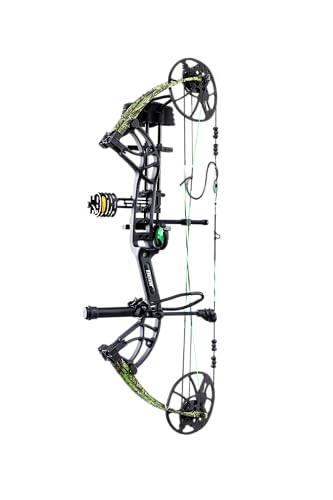


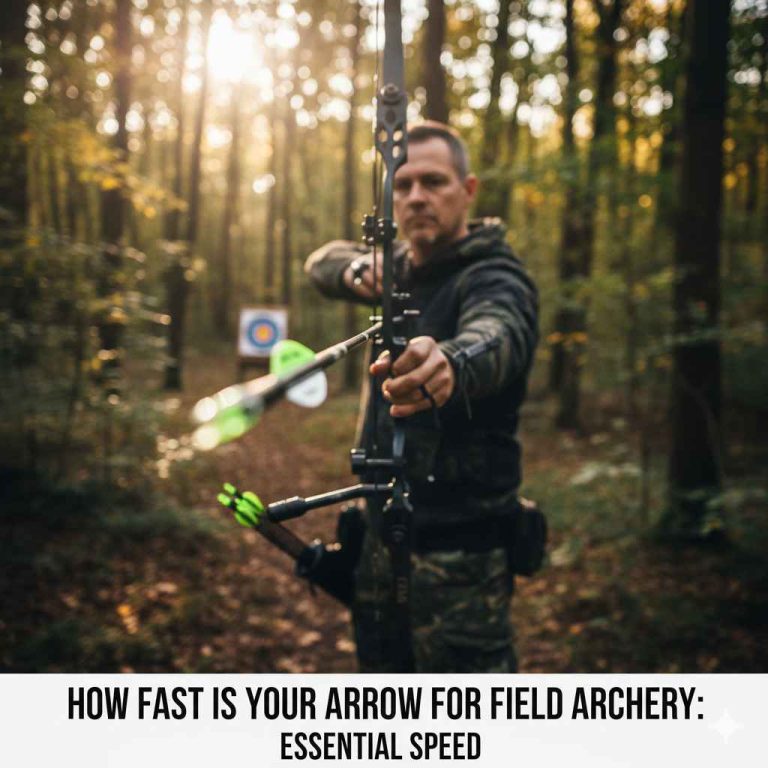
When I first picked up a hunting bow, I was amazed at how it felt like an extension of myself in the wild. Hunting bows are built for one primary goal: taking down game in real-world conditions. Whether you’re tracking deer through dense forests or waiting in a tree stand for hours, these bows are designed to be reliable, portable, and deadly accurate in rugged environments.
Hunting bows, typically compound bows or traditional recurve bows, are crafted to deliver power in a compact package. They’re shorter than competition bows, usually between 30 and 36 inches axle-to-axle, which makes them easier to carry through thick brush or tight spaces. I remember my first hunt, weaving through trees with my compound bow, and being grateful for its compact size when I had to maneuver around branches.
The draw weight on hunting bows is usually higher, often ranging from 50 to 70 pounds or more. This ensures the arrow has enough force to penetrate tough animal hides and deliver a quick, ethical kill. The let-off (the reduction in draw weight when the bow is fully drawn) is also high, around 70-85%, so you can hold the draw longer while waiting for the perfect shot. I’ve sat in a blind for what felt like forever, holding my bow at full draw, and that high let-off made all the difference.
Hunting bows are also built for durability. They’re often camouflaged to blend into natural surroundings, and their materials are chosen to withstand rain, mud, and rough handling. My hunting bow has been through some tough conditions—think early morning dew and unexpected downpours—and it still performs like a champ.
Another key feature is the speed. Hunting bows are designed to shoot arrows at high velocities, often 300-350 feet per second (FPS), to ensure flat trajectories and quick kills. This is crucial when you’re aiming at a moving animal or shooting through small gaps in foliage. I’ve learned that in hunting, every second counts, and a fast arrow can make or break your shot.
What Are Competition Bows?
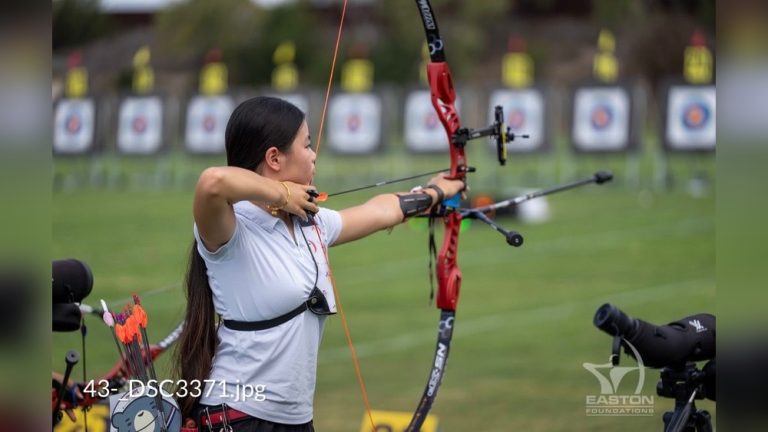
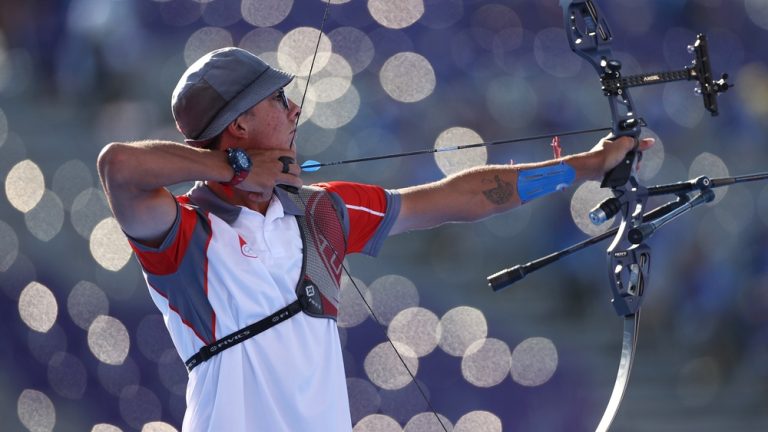
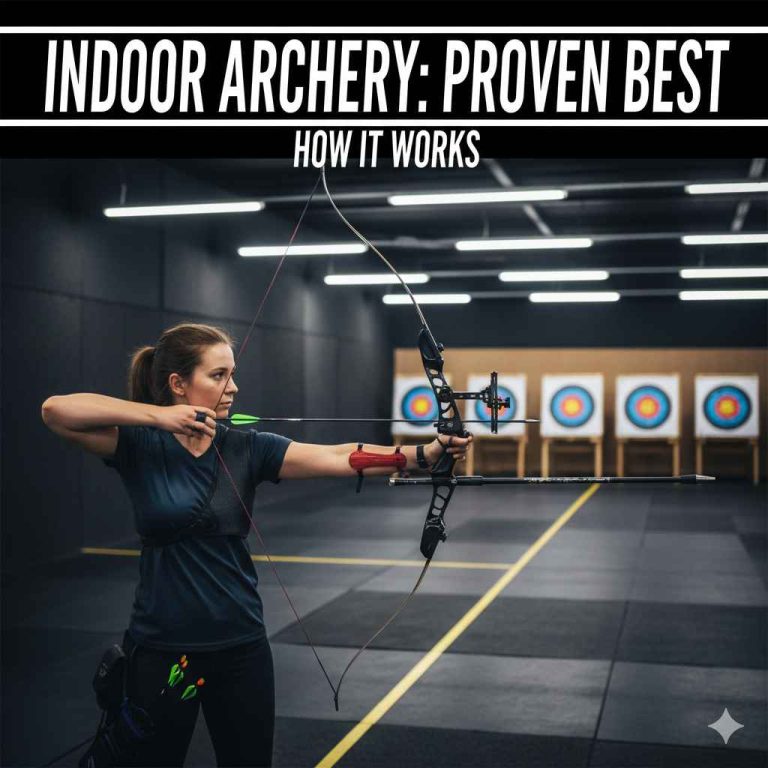
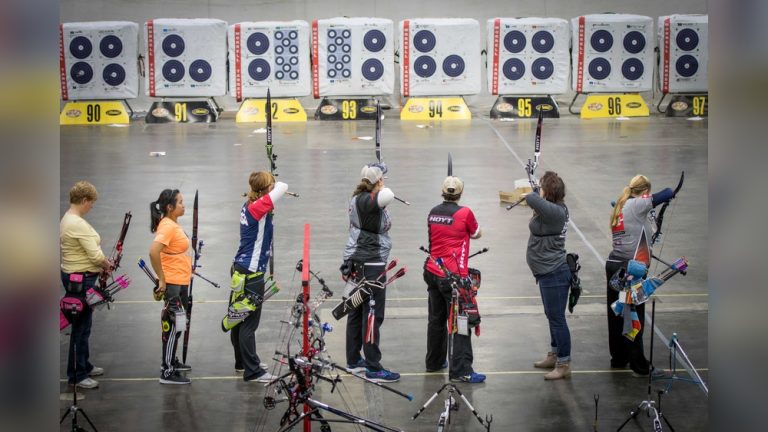
Now, let’s shift gears to competition bows, which I’ve used in local archery tournaments and seen in action at bigger events. Competition bows are all about precision, consistency, and fine-tuned performance. These bows are designed for controlled environments, like indoor ranges or outdoor target fields, where archers shoot at stationary targets at known distances.
Competition bows are typically longer, with axle-to-axle lengths of 36 to 42 inches or more. The extra length makes them more stable, which is a game-changer when you’re aiming for a bullseye at 70 meters. I remember my first competition, feeling the weight of my longer bow and noticing how steady it felt compared to my hunting rig. That stability comes from the design, which prioritizes balance over portability.
The draw weight for competition bows is usually lower, often between 40 and 60 pounds. You don’t need as much power to punch through paper or foam targets, so the focus is on comfort and repeatability. I’ve shot hundreds of arrows in a single day at tournaments, and a lower draw weight helps prevent fatigue. The let-off is also lower, around 60-70%, because you’re not holding the draw for long periods like in hunting.
Competition bows are equipped with advanced accessories, like stabilizers, high-end sights, and precision rests. These add-ons fine-tune your aim and reduce vibration. I’ve spent hours tweaking my stabilizer setup to get that perfect balance, and it’s amazing how much difference a few ounces can make. The bows themselves are often brightly colored or sleekly designed, meant to stand out rather than blend in.
Speed isn’t the priority here—accuracy is. Competition bows shoot at slightly lower velocities, around 250-300 FPS, because the focus is on grouping arrows tightly rather than raw power. I’ve learned that in competitions, a consistent shot process matters more than sheer speed.

Key Differences Between Hunting and Competition Bows
Let’s break it down side by side to make the differences crystal clear. I’ve put together a table based on my experience with both types of bows to help you see how they stack up.
| Feature | Hunting Bows | Competition Bows |
|---|---|---|
| Axle-to-Axle Length | 30-36 inches (compact for maneuverability) | 36-42 inches (longer for stability) |
| Draw Weight | 50-70+ pounds (for powerful shots) | 40-60 pounds (for comfort and repeatability) |
| Let-Off | 70-85% (easier to hold for long periods) | 60-70% (less holding time needed) |
| Arrow Speed | 300-350 FPS (flat trajectory for hunting) | 250-300 FPS (focus on accuracy) |
| Design Focus | Durability, portability, camouflage | Stability, precision, customizable |
| Accessories | Basic sights, rugged rests, quivers | Stabilizers, high-end sights, precision rests |
| Environment | Outdoors, rugged terrain, unpredictable | Controlled ranges, known distances |
This table sums up the core differences, but let me walk you through why these matter in real-world use.
Size and Portability
Hunting bows are like the off-road trucks of archery. Their shorter length makes them easy to carry through dense woods or up a tree stand. I’ve hiked miles with my hunting bow slung over my shoulder, and its compact size never felt like a burden. Competition bows, on the other hand, are more like luxury sedans—longer and heavier for a smoother, more stable ride. They’re not meant to be carried far, as most tournaments happen on flat, open ranges.
Power and Draw Weight
In hunting, power is king. A higher draw weight ensures your arrow can take down game cleanly. I’ve seen what happens when a shot lacks penetration—it’s not pretty, and it’s not ethical. Competition bows don’t need that kind of power. Instead, they’re designed for shooting dozens, sometimes hundreds, of arrows in a session. A lower draw weight lets you focus on form without tiring out. I’ve felt the difference after a long day of shooting—my competition bow leaves me less sore than my hunting bow.
Speed vs. Accuracy
Hunting bows prioritize speed to ensure a flat trajectory over varying distances. When I’m in the field, I might shoot at 20 yards one moment and 40 the next, so a fast arrow helps compensate for range estimation errors. Competition bows, however, are tuned for accuracy at specific distances, like 50 or 70 meters. The slower arrow speed doesn’t matter when you’re aiming at a stationary target and have time to perfect your shot.
Accessories and Customization
Hunting bows keep things simple. A basic sight, a sturdy rest, and maybe a quiver are all you need. I’ve found that too many gadgets in the field can get in the way or fail in tough conditions. Competition bows are like a tech lover’s dream. Stabilizers, adjustable sights, and drop-away rests let you dial in every shot. I’ve spent hours at the range tweaking my competition setup, and it’s satisfying to see those arrows cluster tightly in the target.
Environment and Durability
Hunting bows are built to take a beating. Whether it’s rain, snow, or a tumble in the dirt, they’re designed to keep working. My hunting bow has seen mud, scratches, and even a close call with a river, and it’s still going strong. Competition bows, while well-made, are meant for controlled environments. They’re less about surviving the elements and more about delivering pinpoint accuracy under ideal conditions.
Which Bow Is Right for You?
Choosing between a hunting bow and a competition bow depends on what you want to do with it. If you’re like me and love the thrill of the hunt, a hunting bow is your best bet. Its compact size, power, and durability make it perfect for the unpredictable nature of the outdoors. I’ve had some of my best moments in archery waiting silently in a tree stand, bow in hand, feeling the adrenaline of the hunt.
If you’re drawn to the challenge of hitting a tiny bullseye at long distances, a competition bow is the way to go. The stability and precision of these bows make them ideal for target shooting, whether you’re competing locally or aiming for national tournaments. I’ve felt the rush of nailing a perfect score at a competition, and it’s a different kind of satisfaction.
Some archers, like me, enjoy both worlds. You can own both types of bows, but keep in mind they require different skills and setups. If you’re just starting out, I’d recommend trying both at a local archery shop or range to see what feels right. Many shops let you test bows, and it’s a great way to get a sense of what suits your style.
Practical Tips for Choosing Your Bow
Here are a few tips I’ve picked up over the years to help you decide:
- Try Before You Buy: Visit an archery shop and shoot both types of bows. Feel the difference in weight, balance, and draw. I learned more from an hour at the range than from reading dozens of reviews.
- Consider Your Goals: Are you dreaming of bagging a trophy buck or winning a medal? Your goals will guide your choice. I started with hunting but got hooked on competitions after trying a friend’s target bow.
- Budget Matters: Hunting bows can be more affordable, starting around $300-$500 for a solid setup. Competition bows, with all their accessories, can easily run $1,000 or more. I’ve found that investing in quality pays off, but start with what you can afford.
- Learn Maintenance: Both bows need care, but hunting bows face tougher conditions, so check strings and cams regularly. Competition bows require precise tuning, so learn to adjust sights and rests. I’ve spent many evenings tweaking my gear, and it’s worth the effort.
- Join a Community: Whether it’s a hunting club or a target archery league, connecting with other archers is invaluable.

Conclusion
As I sit here reflecting on my archery journey, I’m reminded of how much I’ve learned about hunting and competition bows. Each has its own charm, its own purpose, and its own place in the world of archery. Hunting bows are my go-to for the raw, primal thrill of the chase—carrying me through forests and fields with power and reliability. Competition bows, on the other hand, bring out my love for precision, turning every shot into a test of skill and focus. Whether you’re drawn to the wild or the range, understanding the differences between these bows helps you pick the right tool for the job.
If you’re just starting out, don’t stress about making the perfect choice right away. Archery is a journey, and every shot teaches you something new. Grab a bow, hit the range or the woods, and let the experience guide you. I’ve had my share of misses and bullseyes, and each one has made me a better archer. So, what’s calling you—the quiet focus of the target line or the heartbeat-pounding rush of the hunt? Pick your bow and start shooting. The adventure’s just beginning.
Frequently Asked Questions
What is the main difference between a hunting bow and a competition bow?
The main difference is their purpose. Hunting bows are compact, powerful, and built for rugged outdoor use, with higher draw weights and faster arrow speeds for ethical kills. Competition bows are longer, more stable, and designed for precision in controlled environments, with lower draw weights for repeated shots.
Can I use a hunting bow for competition?
You can, but it’s not ideal. Hunting bows are shorter and less stable, which can make it harder to achieve the precision needed for tight groupings in competitions. I’ve tried it, and while it’s doable for casual events, a competition bow gives you an edge in accuracy.
Are competition bows good for hunting?
Competition bows are too long and delicate for most hunting situations. Their lower draw weight and slower speeds might not deliver the power needed for a clean kill. I’d stick to a hunting bow in the field for reliability and effectiveness.
How much does a good hunting or competition bow cost?
A decent hunting bow can start at $300-$500, while competition bows often cost $800-$1,500 or more due to their advanced accessories. I’ve found that spending a bit more on quality gear pays off in performance and durability.
Do I need different arrows for hunting and competition bows?
Yes, usually. Hunting arrows are heavier, with broadheads for penetration. Competition arrows are lighter and designed for accuracy at specific distances. I keep separate quivers for each to avoid mix-ups.
Can beginners use both types of bows?
Absolutely! Beginners can start with either, depending on their interests. I recommend trying both at a range to see what feels comfortable. Hunting bows are forgiving for new hunters, while competition bows help build precision skills.