How to Do Archery Competition: Rules and Prep Steps
Ready for archery competition success? Learn to hit the mark by mastering your stance, aim, and release. Follow these treasure clues: PRACTICE consistently, UNDERSTAND scoring, and RESPECT the rules. Your journey to archery glory starts with a steady hand and a clear mind!
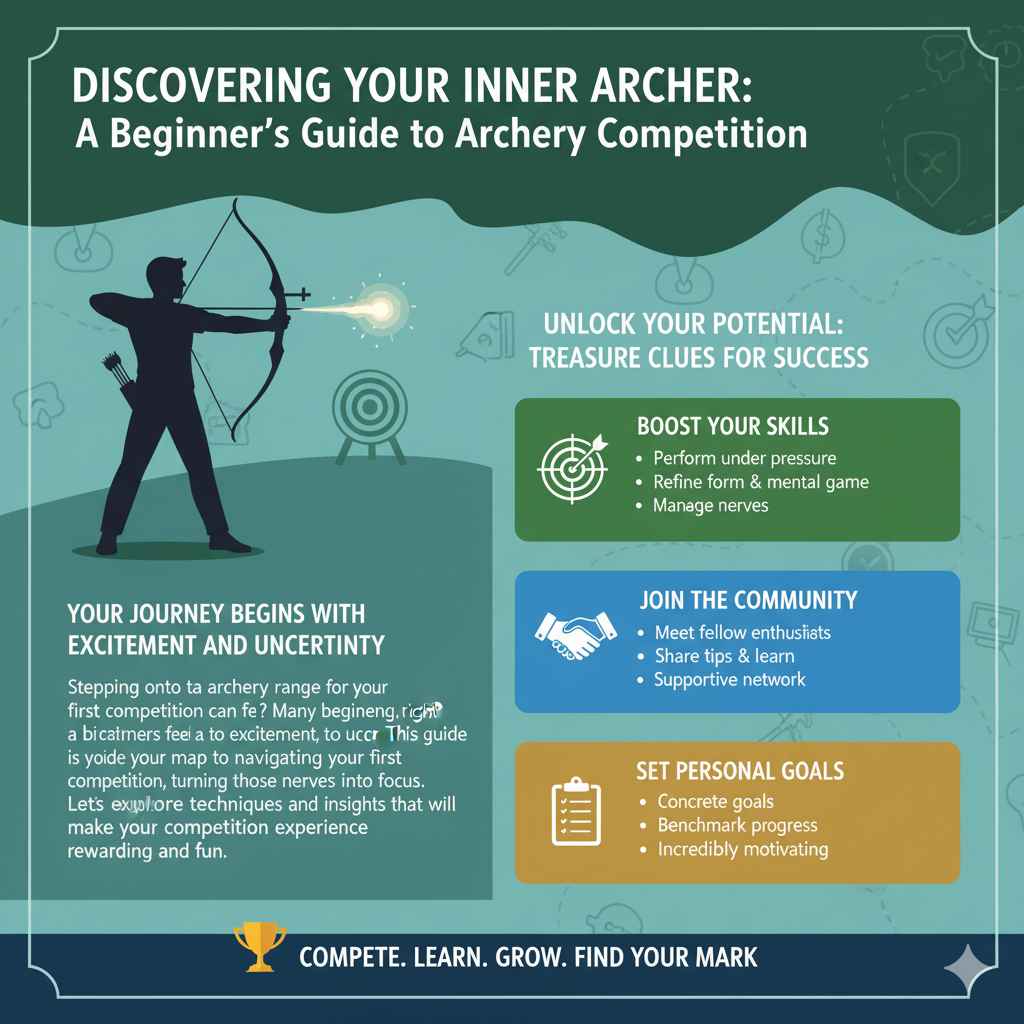
Discovering Your Inner Archer: A Beginner’s Guide to Archery Competition
Stepping onto the archery range for your first competition can feel a bit daunting, right? You’ve practiced, you’ve gotten the hang of drawing the bow, and now you’re wondering, “What’s next?” Many beginners feel the same mix of excitement and uncertainty. The thought of competing, where every shot counts, can seem like a big leap. But don’t worry! Archery competitions are more about personal growth and enjoying the sport than just winning. With the right preparation and a few “treasure clues,” you’ll find your rhythm and confidence. This guide is your map to navigating your first archery competition, turning those nerves into focus. Let’s explore the techniques and insights that will make your competition experience rewarding and fun.
Think of archery competition not as a test, but as a chance to showcase your skills and learn from others. It’s a community of enthusiasts who share a passion for precision and focus. By understanding the basics and approaching it with a positive mindset, you’ll discover that archery competition is an exhilarating and accessible part of the sport. Get ready to find your mark!
The Archer’s Toolkit: What You’ll Need
Before you can compete, you need to make sure you have the right gear. For beginners, it’s often best to start with the basics. You don’t need the most expensive setup to compete, but the right equipment will make learning and performing much easier.
Essential Archery Gear for Competition
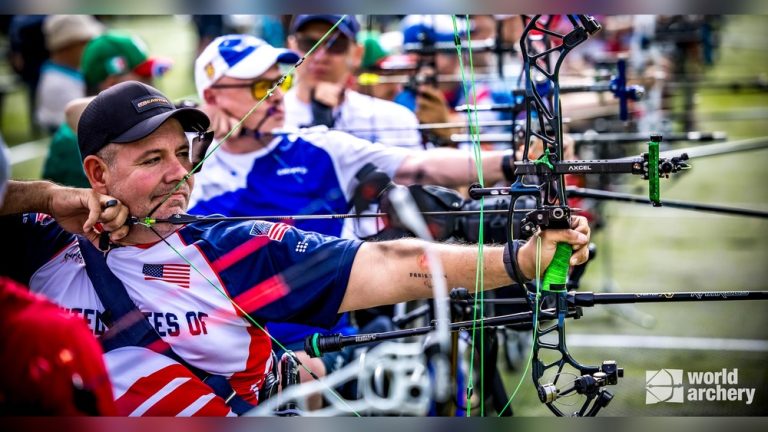
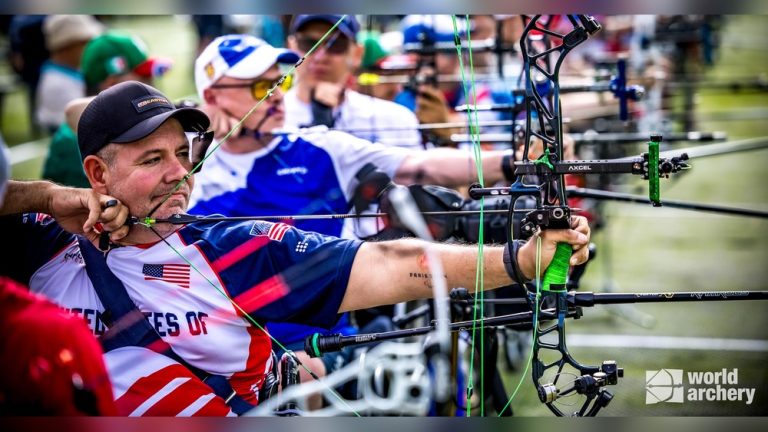
Bow: This could be a recurve bow (often used in Olympic-style archery) or a compound bow (popular for target archery). Many beginners start with a recurve because it’s simpler. Ensure it’s the right draw weight for you – one that you can draw smoothly without strain.
Arrows: Your arrows need to match your bow. They come in different lengths, stiffness (called “spine”), and materials like carbon or aluminum. It’s wise to get advice on matching arrows to your bow for optimal performance.
Bowstring: Essential for launching your arrow! Make sure it’s in good condition.
Arrow Rest: This is a small device on the bow that supports the arrow before it’s shot.
Sight: Helps you aim. Some competitions have rules about what kind of sights are allowed, especially for beginners.
Stabilizer: A rod attached to the bow that helps reduce vibration and balance the bow.
Release Aid (Optional): For compound bows, a release aid can help with a consistent trigger pull. Many recurve archers shoot “barebow” or using fingers.
Quiver: To hold your arrows conveniently.
Armguard: Protects your forearm from the bowstring.
Finger Tab or Glove: Protects your fingers when drawing the string, especially for recurve archers.
Bow Square: Used to make sure your bow is set up correctly.
Bow Stringer: A tool to safely string and unstring your bow.
Where to Find Your Gear
Many local archery shops can help you find beginner-friendly equipment. They often sell starter packages that include most of the essentials. You can also look at reputable online retailers, but it’s always best to try equipment in person if possible. Organizations like the USA Archery offer resources and guides that can help you understand equipment choices.
The Foundation: Mastering the Archery Shot
A competition is just a series of individual shots. To do well, you need a consistent, reliable shot process. This is where your practice really pays off. Focus on these fundamental steps every time you draw your bow.
The Eight Steps to a Solid Shot
These steps are crucial for consistency, whether you’re practicing at home or competing. Think of them as your personal “treasure map” to each accurate shot.
1. Stance: Stand with your feet shoulder-width apart. If you’re right-handed, your left shoulder should point towards the target. If you’re left-handed, your right shoulder points. Keep your weight balanced and feel grounded.
2. Nocking the Arrow: Place the arrow on the arrow rest and hook it onto the bowstring. You’ll feel a small click when it’s secure.
3. Grip: Hold the bow with a relaxed grip. Don’t squeeze it tightly. Your knuckles should be at about a 45-degree angle. A tight grip can cause the bow to torque, throwing your shot off.
4. Set-up / Pre-draw: Bring the bow arm up towards the target. Your shooting arm should be at a slight angle.
5. Draw: Smoothly and steadily pull the bowstring back using the muscles in your back and shoulders, not just your arm. Keep your eyes on the target.
6. Anchor: Bring the bowstring to a consistent anchor point on your face. This could be the corner of your mouth or under your chin. The key is that it’s the exact same spot every time.
7. Aim: Align your sight (or aim point if shooting instinctively) with the target. Take a breath and hold it steady.
8. Release and Follow-Through: Smoothly let the string go. Don’t punch the string; allow your fingers to relax and the string to roll off. Immediately after releasing, hold your position, letting the bow arm come naturally forward. This is called the follow-through and it’s vital for consistency.
Practice Makes Perfect (or at Least Better!)
Consistent practice is the single biggest “treasure clue” for success in archery competition. Aim to shoot regularly, focusing on performing these steps each time. It’s better to shoot fewer arrows with perfect form than many arrows with sloppy technique.
Understanding the Competition Landscape
Archery competitions come in various forms, each with its own rules and scoring. As a beginner, it’s helpful to understand what to expect.
Common Archery Competition Formats for Beginners
Target Archery: This is the most common style for beginners. Archers shoot at a stationary target at a set distance. Targets have concentric rings of differing point values.
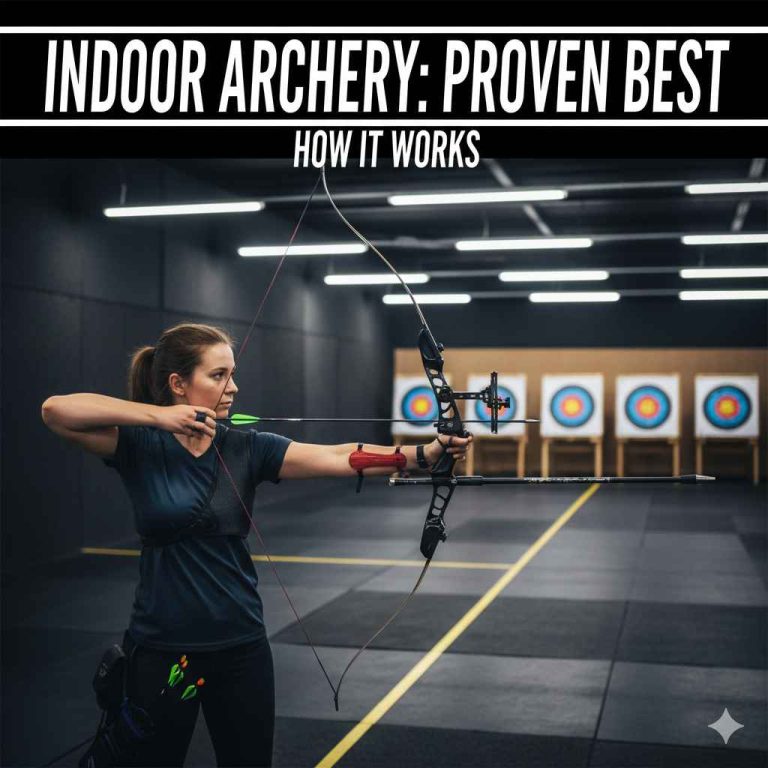
Indoor Target Archery: Usually shot at shorter distances (18 or 25 yards) on smaller targets.
Outdoor Target Archery: Shot at longer distances (up to 90 meters on a large face). Beginners typically start at shorter distances like 30 or 50 yards.
Field Archery: Archers move through a course that simulates hunting conditions, shooting at targets at varied distances and elevations, often in woodland settings. Distances are often marked or unmarked.
3D Archery: Archers shoot at life-sized animal targets, often made of foam. Distances are usually unmarked, requiring archers to judge the range.
Indoor Archery Competitions (National or Club Level): These are excellent starting points. The controlled environment minimizes most external factors like wind. You’ll often shoot at a standard target face from a fixed distance.
Scoring – The Treasure Chest Points
Scoring is straightforward: the closer your arrow is to the center of the target (the “bullseye” or “X”), the more points you get.
Target Faces: Standard target faces have different colored rings.
Gold rings (inner): 10 or 9 points
Red rings: 8 or 7 points
Blue rings: 6 or 5 points
Black rings: 4 or 3 points
White rings: 2 or 1 point
The very center is often marked with an “X” and usually counts as a 10-point score for tie-breaking purposes.
Scoring Cards: You’ll typically mark down the score for each arrow. It’s important to be honest and accurate with your scoring.
Competitions will have specific rules about how many arrows you shoot per end (a set of arrows fired consecutively), how long you have, and how you score. Always listen carefully to the organizer’s briefing.
Navigating the Competition Day: Your Treasure Map to Success
Competition day is where your practice comes to life. Here’s how to approach it like a seasoned pro, even if it’s your first time.
Before You Shoot: Preparation is Key
Arrive Early: Give yourself plenty of time to set up your equipment, find your assigned shooting line, and get comfortable. Rushing can lead to mistakes.
Check Your Gear: Make sure your bow is in good working order. Check your arrows for damage. Ensure you have all your accessories.
Walk the Range (if applicable): If it’s a field or 3D course, familiarize yourself with the layout if possible. Understand the distances and terrain.
Warm-up Shots: Most competitions allow a practice end or two. Use this time to get a feel for the conditions (wind, light) and to shake off any pre-competition jitters. Focus on your shot process.
During the Competition: Stay Focused
Listen to Commands: Pay close attention to the commands given by the range officer or marshal (e.g., “Shooters ready,” “Stand clear,” “Begin shooting”).
Focus on Your Shot Process: Forget what others are scoring or how fast they are shooting. Concentrate solely on executing your steps: stance, nocking, grip, set-up, draw, anchor, aim, release, follow-through.
Manage Your Time: Be aware of the time limit for shooting, but don’t rush. Shoot at your own pace.
Deal With Misses Gracefully: Everyone misses. If an arrow goes astray, don’t dwell on it. Analyze what might have happened (without getting frustrated) and then let it go. Focus on the next shot.
Respect Other Archers: Be quiet and still when others are shooting. Don’t distract them.
After You Shoot: Review and Re-Calibrate
Scoring: Accurately record your scores. Double-check before submitting your card.
Collect Your Arrows: Wait for the command to retrieve your arrows.
Post-Competition Review: Think about what went well and what could be improved. Was your anchor consistent? Did you rush your release? This reflection is a valuable part of your journey.
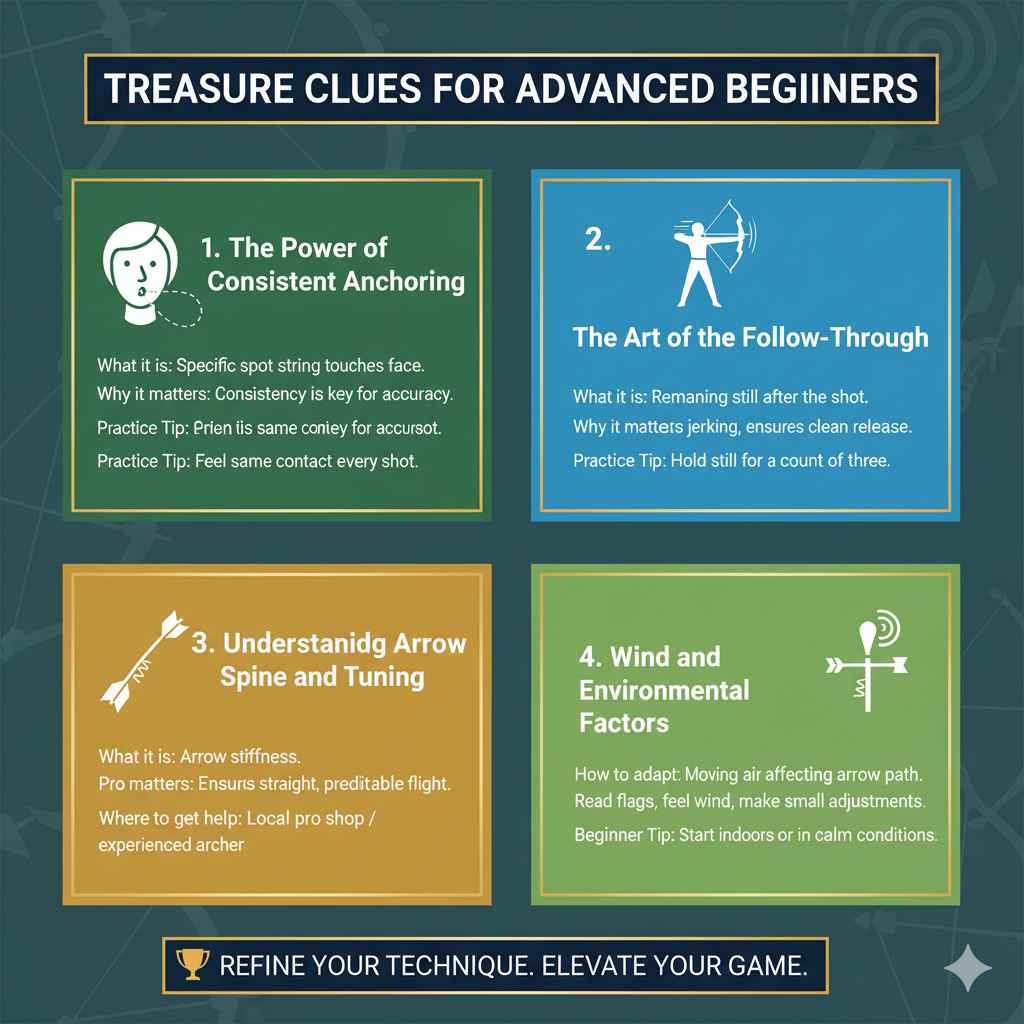
“Treasure Clues” for Advanced Beginners
As you get more comfortable, these insights will help you refine your technique and elevate your game.
1. The Power of Consistent Anchoring
Your anchor point is critical. It’s where the bowstring consistently meets your face.
What it is: A specific spot on your face (like the corner of your mouth, or under your chin) where you draw the string back to.
Why it matters: If your anchor point moves even slightly, your arrow will go to a different spot. Imagine trying to aim a rifle without putting the buttstock in the same place on your shoulder every time.
Practice Tip: Focus on feeling the same contact with your face every single shot.
2. The Art of the Follow-Through
This is often overlooked by beginners, but it’s a “treasure clue” to smooth consistency.
What it is: Remaining in your shooting position for a moment after the arrow has left the bow.
Why it matters: It ensures you don’t “jerk” or “flinch” as the arrow is released. It allows the bow to do its job without interference.
Practice Tip: Imagine you’re holding the bow still for a count of three after the shot.
3. Understanding Arrow Spine and Tuning
Your arrows need to be the right stiffness (“spine”) for your bow.
What it is: “Spine” refers to the stiffness of an arrow shaft. An arrow that is too stiff or too weak for your bow’s draw weight and arrow length will fly erratically.
Why it matters: Properly spined and “tuned” arrows fly straight and predictable. If your arrows look like they’re fishtailing or wobbling significantly, they might not be spined correctly for your bow.
Where to get help: This is where your local pro shop or an experienced archer becomes invaluable. They can help you choose the right spines and “tune” your bow, ensuring your arrows leave the string cleanly. Organizations like the Archery GB Equipment Guide can provide deeper technical details on this.
4. Wind and Environmental Factors
Especially in outdoor archery, the wind is a major consideration.
What it is: The force of moving air.
Why it matters: Wind can push your arrow off course. Even a slight breeze can affect your shot.
How to adapt: Learn to read the wind. This often involves observing flags or grass, and feeling the wind on your face. You’ll learn to make small adjustments to your aim or hold slightly longer to let the wind settle. For beginners, it’s often best to shoot during calmer conditions or focus on indoor events until you’re more comfortable.
Common Beginner Archery Competition Questions
Here are some questions many new archers have when thinking about competition.
Q1: How difficult is it for a beginner to compete?
A1: Honestly, incredibly accessible! Most clubs and organizations have beginner divisions or categories. The focus is on participation and personal improvement. You’ll be shooting alongside people who were once exactly where you are now.
Q2: What kind of score should I expect in my first competition?
A2: Don’t worry about scores initially. Your first competition is about learning the process, getting used to the atmosphere, and applying your practice. Focus on executing your shot process consistently rather than aiming for a specific score. Scores will come with practice and experience.
Q3: Do I need a fancy bow to compete?
A3: Absolutely not! While high-end equipment can offer advantages, it’s more important to have equipment that is properly set up, fits you, and is within your capabilities. A good starter recurve or compound bow is perfectly adequate for beginner competitions.
Q4: What happens if I miss the target completely?
A4: It happens to everyone, even experienced archers! If you miss the target, don’t panic. It simply scores zero points. The important thing is to reset your mind and focus on executing a good shot for your next arrow.
Q5: How much time do I have to shoot each arrow?
A5: This varies by competition format and organization. Typically, you will have a set amount of time for an “end” (a group of arrows, usually 3 or 6). You’ll be given commands to start and stop shooting. It’s crucial to listen to the range officer.
Q6: What is an “X” on the target, and why is it important?
A6: The “X” marks the very center of the 10-point ring. It’s primarily used as a tie-breaker. If two archers have the same total score, the archer with more “X”s wins. It’s great for aiming, but don’t stress over hitting it every time as a beginner.
Q7: Can I use my phone to help with judging distance?
A7: In most formal target archery competitions, using any electronic device, including rangefinders or apps, is strictly prohibited. Archery is about skill, not technology. Field and 3D archery may have different rules, but always confirm beforehand. For your first competition, stick to what the organizers allow.
Conclusion: Your Archery Adventure Awaits!
Embarking on your archery competition journey is an exciting step! You’ve learned about the essential gear, the fundamental steps of a good shot, the different types of competitions, and how to approach your competition day with confidence. Remember, every single shot is an opportunity to practice your skills and connect with the sport. Don’t get discouraged by a wobbly arrow or a lower score than you hoped for. Instead, view each competition as valuable “treasure” – a learning experience that enriches your understanding of archery and yourself.
The true prize isn’t just the score; it’s the discipline, focus, and joy you gain along the way. So, gather your gear, embrace the process, and enjoy the thrilling adventure of archery competition. Your consistent practice and positive attitude are your most valuable treasures on this path. Happy shooting!