How Much Does Field Archery Event Cost Proven Best Data
A local field archery event typically costs between $20 to $50 for the entry fee. However, your total cost per event, including gear, travel, and food, can range from $75 for a simple local shoot to over $500 for a multi-day regional competition. This guide breaks down every expense you can expect.
Thinking about entering your first field archery event? That’s fantastic! It’s one of the best ways to test your skills, meet fellow archers, and enjoy the outdoors. But one question always comes up first: How much is this actually going to cost? It can feel a little confusing trying to figure out all the different fees and expenses.
Don’t worry, I’ve got you covered. Many new archers feel overwhelmed by the potential costs, but it’s much more manageable than you think. We’re going to walk through everything step-by-step, from the basic entry fees to the “hidden” costs like travel and food. By the end of this guide, you’ll have a crystal-clear picture of how to budget for your first event so you can focus on what matters most—having fun and shooting straight.
The total cost of a field archery event is more than just the price on the registration form. It’s a mix of fixed fees, gear expenses, and travel logistics. Let’s break it down into simple, easy-to-understand categories so you know exactly where your money is going.
Core Costs: Fees and Memberships

These are the costs you’ll almost always have to pay to participate in an organized event. They cover the administration, course setup, and insurance needed to run a safe and fun shoot.
Event Entry Fees
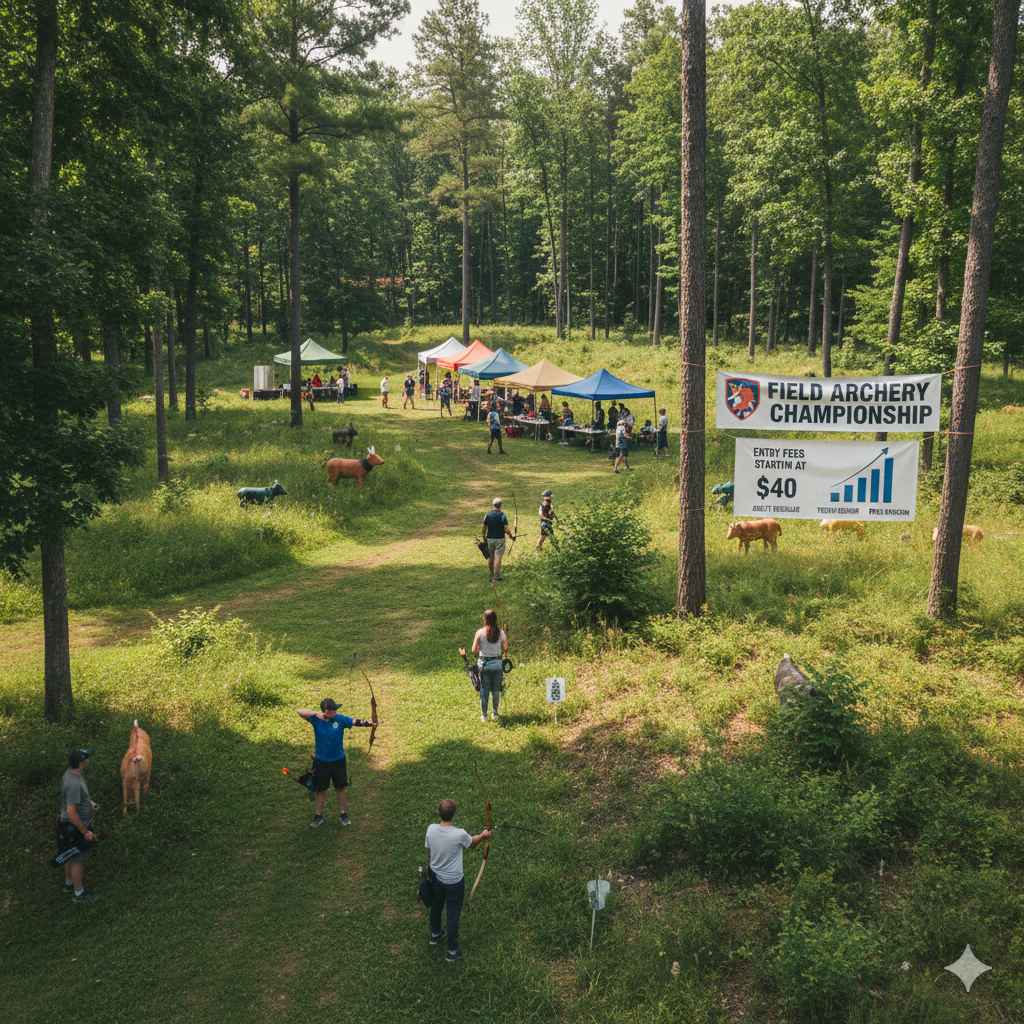
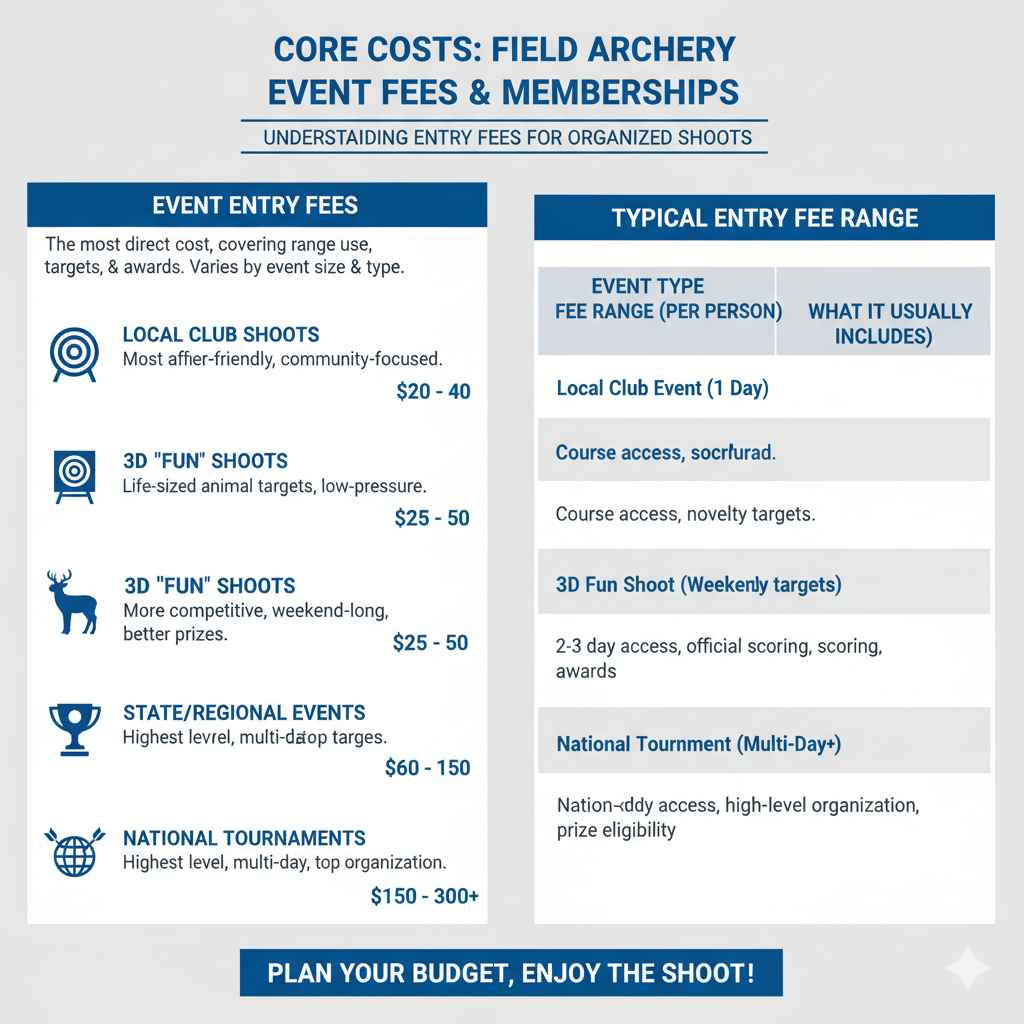
The entry fee is the most direct cost. It pays for the use of the range, targets, scoring materials, and sometimes even a small award for the winners. The price varies widely depending on the size and type of the event.
- Local Club Shoots: These are the most affordable and beginner-friendly. They are often casual and focused on community and practice.
- State or Regional Events: These are more competitive, often lasting a full weekend. The fees are higher to cover more complex logistics and better prizes.
- National Tournaments: These are the biggest events, attracting archers from all over the country. They have the highest entry fees but also offer the highest level of competition.
- 3D “Fun” Shoots: These popular events feature life-sized animal targets. Fees are usually similar to local club shoots and are a great, low-pressure way to start.
Here’s a table showing what you can typically expect to pay for entry fees:
| Event Type | Typical Entry Fee Range (Per Person) | What It Usually Includes |
|---|---|---|
| Local Club Event (One Day) | $20 – $40 | Access to the course, scorecard. |
| 3D Fun Shoot (One Day) | $25 – $50 | Course access, often with novelty targets. |
| State/Regional Championship (Weekend) | $60 – $150 | Access for 2-3 days, official scoring, awards/medals. |
| National Tournament (Multi-Day) | $150 – $300+ | Multi-day access, high-level organization, prize eligibility. |
Association and Club Memberships
To compete in most sanctioned events (anything beyond a very casual club shoot), you’ll likely need a membership with a national governing body. In the United States, the two main organizations are USA Archery and the National Field Archery Association (NFAA). An annual membership with one of these is a must for official competitions.
- USA Archery Membership: Around $60 per year for an adult.
- NFAA Membership: Around $70-$80 per year for an adult (includes state association fees).
- Local Archery Club Dues: Ranges from $50 to $200+ per year. This gives you access to the club’s ranges for practice and often includes discounts on their local events.
While this is an annual cost, remember to factor it into your overall archery budget for the year. You can’t participate in many events without it!
Gear Costs: Your Shooting Setup
This is where the biggest initial investment lies, but the good news is that once you have your gear, it can last for years. For your first few events, you don’t need the most expensive equipment. A reliable, well-tuned setup is far more important.
One-Time Equipment Investments
If you’re just starting, you’ll need to purchase a basic set of equipment. You can find excellent beginner packages that won’t break the bank. As you advance, you might choose to upgrade, but a starter kit is more than enough for local and regional events.
| Equipment Item | Beginner Budget Range | Intermediate Budget Range | Notes for Beginners |
|---|---|---|---|
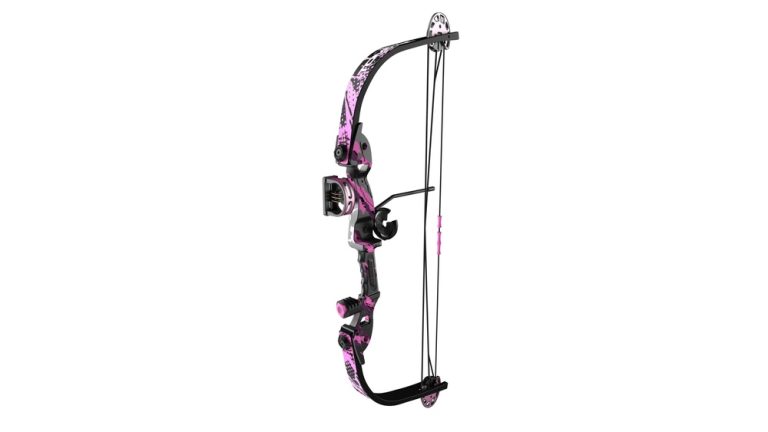
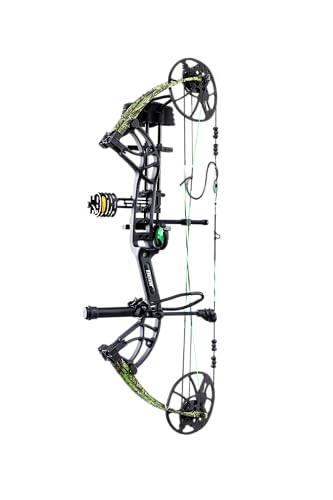
| Bow (Recurve or Compound) | $250 – $500 | $600 – $1,200+ | Beginner packages often include a sight, rest, and quiver. |
| Arrows (per dozen) | $60 – $100 | $120 – $250 | Start with durable carbon arrows. You will lose or break them! |
| Quiver | $25 – $50 | $60 – $150 | A simple hip quiver is all you need to start. |
| Release Aid (for compound) | $40 – $80 | $100 – $250 | A basic wrist-strap release is perfect for learning. |
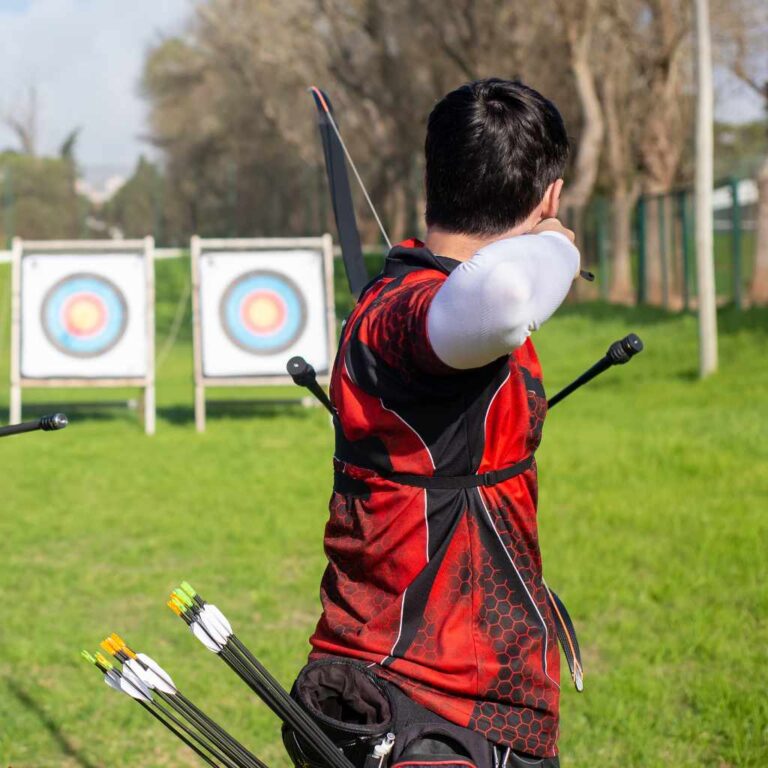
| Finger Tab/Glove (for recurve) | $15 – $30 | $40 – $80 | Essential for protecting your fingers. |
| Armguard | $10 – $25 | $25 – $50 | A non-negotiable safety item. |
| Bow Case or Bag | $40 – $80 | $100 – $300 | Protects your investment during travel. |
| Total Estimated Setup Cost | $440 – $865 | $1,045 – $2,330+ | Focus on the beginner budget. You can be competitive with this gear. |
Ongoing and Consumable Costs
Archery isn’t just a one-time purchase. Over time, you’ll need to replace items that wear out or get lost. This is a smaller but consistent part of your event budget.
- Arrows: This is your biggest consumable. In field archery, you walk a course through woods and fields. It’s common to lose an arrow in the brush or break one on a rock. Always bring more arrows than you think you’ll need. Plan on replacing 3-4 arrows per season as a beginner.
- Nocks and Fletchings: These small parts on the end of your arrow can break on impact. Learning to repair them yourself is a great way to save money. A starter fletching kit costs around $50-$70.
- Bowstring Wax: A small tube costs about $10 and will last you a very long time. Waxing your string regularly prevents fraying and extends its life.
- Practice Targets: To get ready for an event, you need to practice! A good foam block target for your backyard can cost between $50 and $150.
Travel and Logistics: The “Hidden” Costs
This is the category that often catches new competitors by surprise. The entry fee might be $30, but if the event is two hours away, your total cost will be much higher. Always plan for these expenses.
Transportation and Fuel
Unless the event is at your home club, you’ll be driving. Calculate the round-trip mileage and estimate your fuel cost. If you’re traveling with friends, carpooling is an excellent way to split this expense.
A simple formula: (Total Miles / Your Car’s MPG) x Price per Gallon = Fuel Cost
Accommodation
For multi-day events that are too far to commute to each day, you’ll need a place to stay.
- Camping: Many archery clubs have on-site camping or are located near state parks. This is often the cheapest option, costing $20-$40 per night.
- Budget Hotels: A budget-friendly hotel room can range from $80 to $150 per night. Booking in advance or with a group can help reduce costs.
- Staying with Friends: The archery community is very friendly! If you know other archers in the area, you might be able to stay with them.
Food and Drinks
Shooting all day burns a lot of energy. You’ll need to stay hydrated and well-fed to perform your best.
- Pack Your Own: The most affordable strategy is to pack a cooler with water, sports drinks, sandwiches, and snacks. This might cost you $15-$20 for the day.
- Buy On-Site: Most events have a concession stand selling burgers, hot dogs, and drinks. This is more convenient but more expensive. Expect to spend $30-$50 per day on food and drinks if you buy everything there.
Putting It All Together: Sample Event Budgets
Let’s look at two real-world examples to see how these costs add up. We’ll assume you already own your basic archery equipment.
Example 1: A Local, One-Day Field Archery Event
This event is at a club 45 minutes from your home.
| Expense Category | Estimated Cost | Notes |
|---|---|---|
| Event Entry Fee | $30 | Standard for a local shoot. |
| Fuel (50 miles round-trip) | $10 | Assuming 25 MPG and $5/gallon gas. |
| Food and Drinks | $15 | You packed a lunch and some snacks. |
| Consumables (Misc.) | $5 | A small budget in case you lose a nock or an arrow point. |
| Total Event Cost | $60 | A very affordable day of competitive fun! |
Example 2: A Regional, Two-Day Championship
This event is a three-hour drive away, requiring an overnight stay.
| Expense Category | Estimated Cost | Notes |
|---|---|---|
| Event Entry Fee | $100 | Typical for a two-day championship. |
| Fuel (300 miles round-trip) | $60 | Assuming 25 MPG and $5/gallon gas. |
| Accommodation (1 Night) | $120 | Shared a hotel room with a friend ($240 total). |
| Food and Drinks (2 Days) | $80 | A mix of packed snacks and buying meals. |
| Consumables (Lost/Broken Arrows) | $20 | Budgeting for replacing two arrows. |
| Total Event Cost | $380 | A significant but manageable cost for a major event. |
Smart Ways to Save Money
Love archery but need to stick to a budget? No problem! Here are some proven tips to keep costs down without sacrificing the fun.
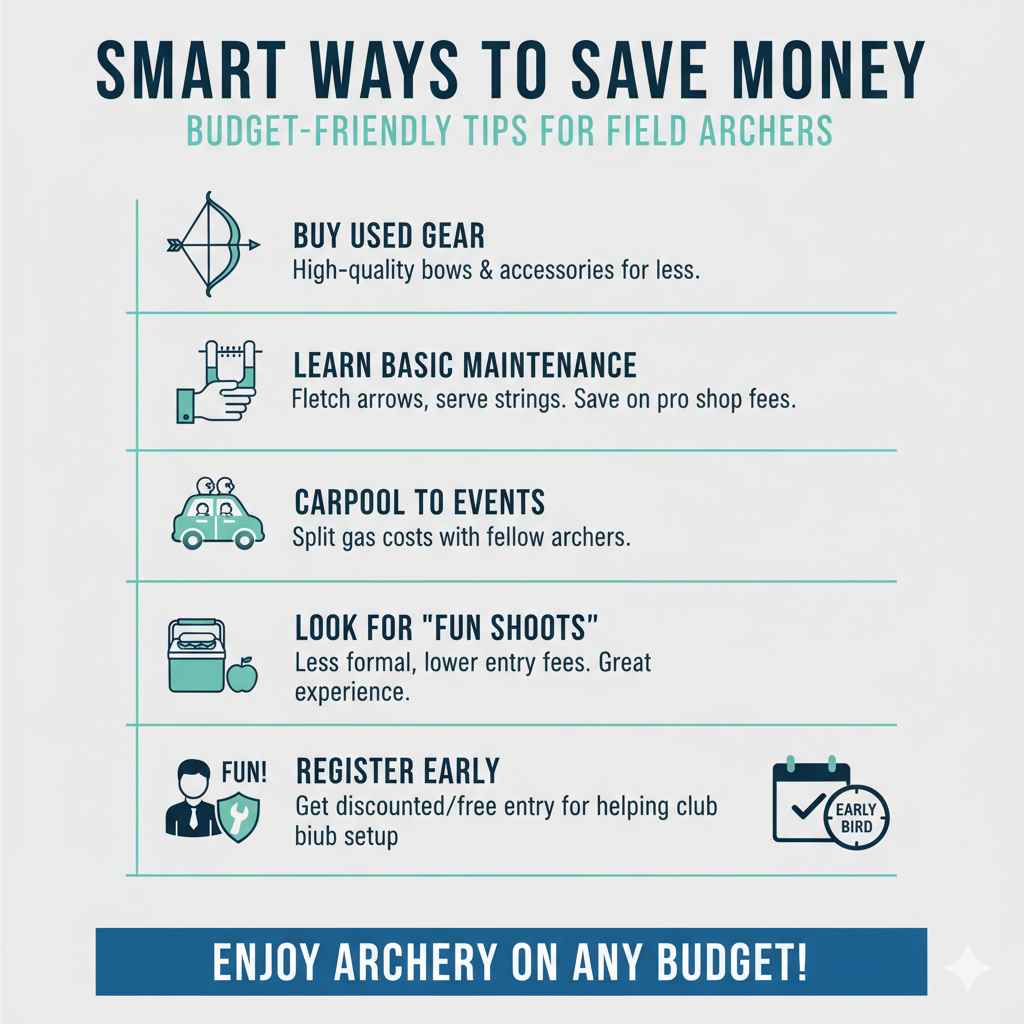
- Buy Used Gear: Check archery forums and local pro shops for high-quality used bows and accessories. You can often get excellent gear for a fraction of the original price.
- Learn Basic Maintenance: Learning how to fletch your own arrows, serve a string, and make minor adjustments will save you a lot of money on pro shop fees.
- Carpool to Events: Find other archers from your club who are going to the same event and drive together. Splitting the cost of gas makes a huge difference.
- Pack Your Food: This is one of the easiest ways to save. A cooler full of sandwiches, fruit, and water is much cheaper than buying from food trucks or restaurants.
- Look for “Fun Shoots”: These events are less formal than championships and usually have lower entry fees. They are a great way to gain experience.
- Volunteer: Some clubs offer a discount or free entry for members who volunteer to help set up or take down the course. It’s a great way to give back and save money.
- Register Early: Many larger tournaments offer “early bird” discounts for signing up well in advance.
Frequently Asked Questions (FAQ)
1. Can I rent equipment at a field archery event?
Unfortunately, it’s very rare for event organizers to offer rental equipment. You are expected to bring your own gear. Some local clubs might have beginner equipment you can borrow for their specific club-level shoots if you arrange it in advance, but you shouldn’t count on it for a competition.
2. Do I need to be a member of a national association to compete?
For casual, local club “fun shoots,” you usually don’t need a national membership. However, for any event that is officially sanctioned or serves as a state/regional/national championship, you will almost certainly need a current membership with an organization like USA Archery or the NFAA.
3. What’s the difference in cost between a 3D event and a field archery event?
The entry fees are often very similar, typically in the $25-$50 range for a one-day shoot. The main cost difference can come from arrows. 3D targets are made of dense foam that can be hard on arrows, but field archery courses can have long shots over rough terrain where losing an arrow in the woods is more common.
4. How long does a typical field archery event last?
A local one-day event usually starts in the morning (around 8 or 9 AM) and finishes in the mid-afternoon (around 2 or 3 PM), including registration, shooting, and scoring. Championship events can span a full weekend, with shooting taking up 5-6 hours each day.
5. Are there extra costs for different bow types (e.g., compound vs. recurve)?
The entry fee for an event is the same regardless of what type of bow you shoot. The cost difference comes from the equipment itself. A competitive compound bow setup with sights, stabilizers, and a release aid is generally more expensive than a competitive barebow recurve setup. However, an Olympic recurve setup can be just as, if not more, expensive than a compound.
6. What should I bring to my first event besides my archery gear?
Great question! Be sure to bring comfortable, sturdy shoes for walking on uneven terrain. Also pack water, snacks, sunscreen, bug spray, a small toolkit for bow adjustments (like Allen wrenches), and a pen for scoring. Binoculars are also very helpful for seeing where your arrows landed at longer distances.
7. Is field archery more expensive than target archery?
The initial equipment costs are very similar. The primary difference is in the ongoing costs. In field archery, you have a higher chance of losing or breaking arrows on the course, which can make it slightly more expensive over a full season. However, entry fees for local events are comparable for both disciplines.
Is the Cost Worth the Experience?
When you add everything up, the cost of participating in field archery events can seem like a lot. But it’s important to see it as an investment in a rewarding hobby. The money you spend pays for more than just a day of shooting arrows. It pays for the thrill of competition, the peace of walking a beautiful course in the woods, and the incredible friendships you’ll build with people who share your passion.
Start small with a local club event. Use the budget-saving tips we talked about. You’ll quickly find that the value you get back in skill, confidence, and community is worth every penny. So, get your gear ready, sign up for that first shoot, and I’ll see you out on the range!