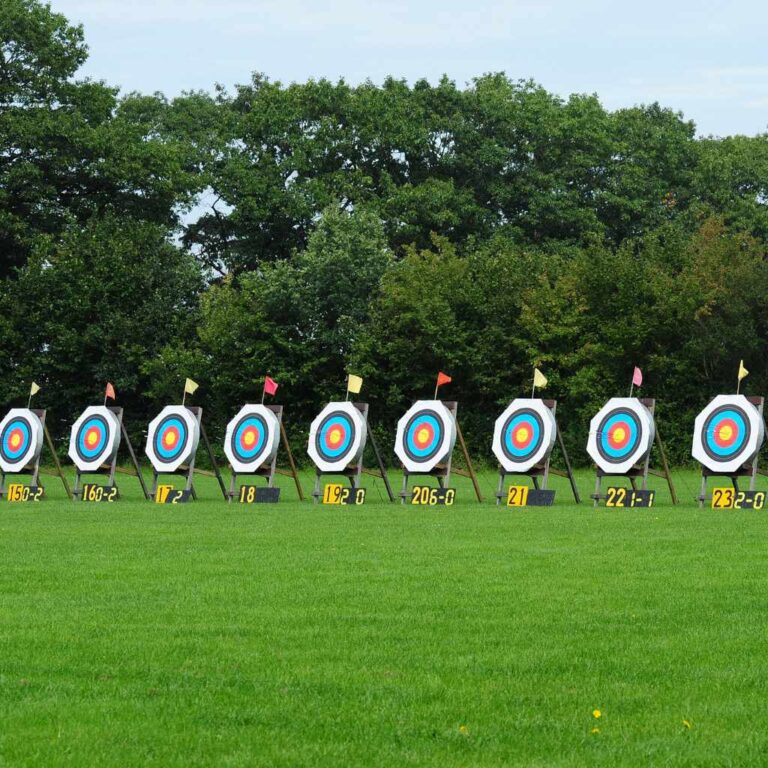
How Big Is An Olympic Recurve Target 10 Ring? Essential Reveal
The Olympic recurve target 10 ring is precisely 12.2 centimeters (about 4.8 inches) in diameter. This critical measurement determines where you aim for the highest score in international competitions. Understanding this size is key to improving your focus and accuracy on the range.
For a closely related bow or archery topic, Are Longbows and Recurve Bows Better: Essential gives readers a useful next step.
For a closely related bow or archery topic, Ramcat vs Ramcat Crossbow: Essential Difference gives readers a useful next step.
For a closely related bow or archery topic, Apex Legends Longbow Vs Scout Dmg: Essential gives readers a useful next step.
For a closely related bow or archery topic, Different Crossbow Bolt Tips: Essential Medieval Secrets gives readers a useful next step.
Welcome, archers! If you’ve started your journey with a recurve bow, aiming at the target can sometimes feel like trying to hit a moving cloud. We all start somewhere, and one of the most common questions we hear is about the size of that magical center ring. Knowing exactly “how big is an Olympic recurve target 10 ring” is more than just trivia; it’s the blueprint for your sight picture.
It can be frustrating when your arrows land close but never quite hit that small, perfect spot. Don’t worry! Every great archer started by wondering the same thing. In this guide, I’ll break down the target face sizes—especially that vital 10 ring—using simple terms. We will look at how these measurements relate from different distances, making your practice sessions much more effective. Let’s demystify the target so you can focus on shooting your best!
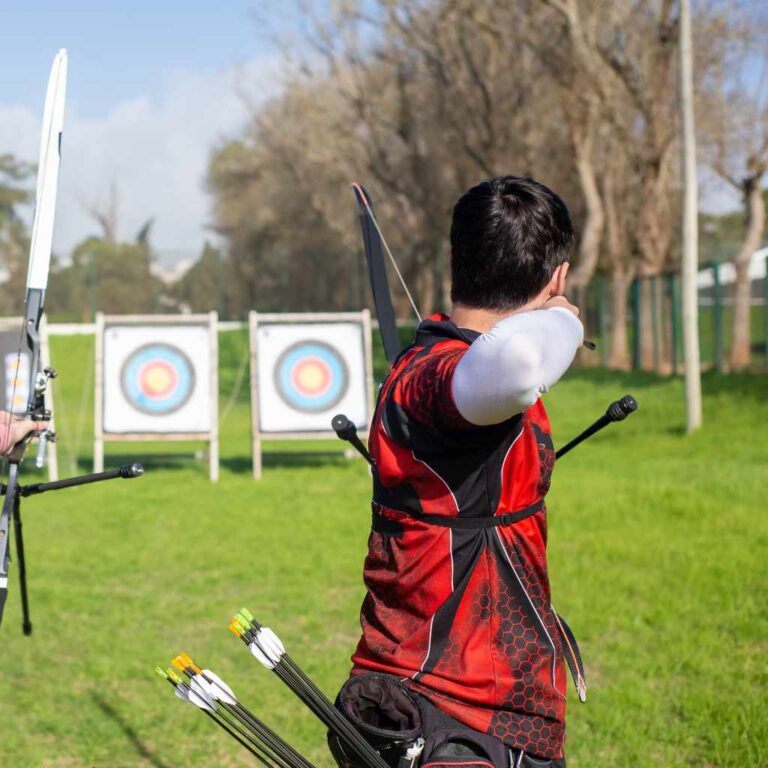
When you look at an Olympic recurve target from a distance, it seems simple: a big circle with rings. But for competitive work, these rings are defined by precise, incredibly accurate measurements. As an archer using a recurve bow in recognized competitions (like the Olympics or World Cups), you are shooting at a standardized target face.
The Golden Rule: Target Distance Matters
The first very important thing to know is that the size of the scoring zones changes depending on how far away you are standing. This is a crucial point often missed by beginners.
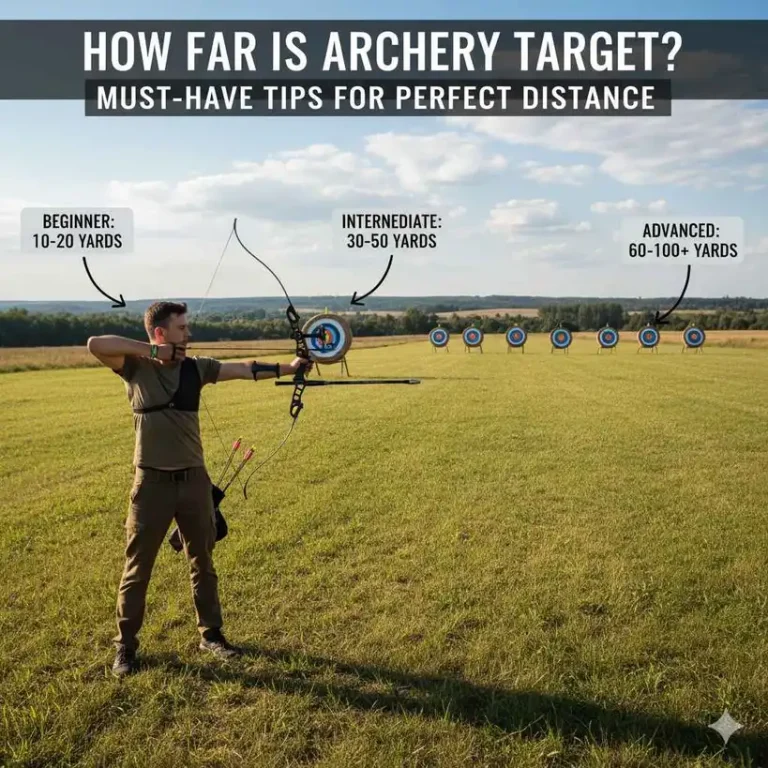
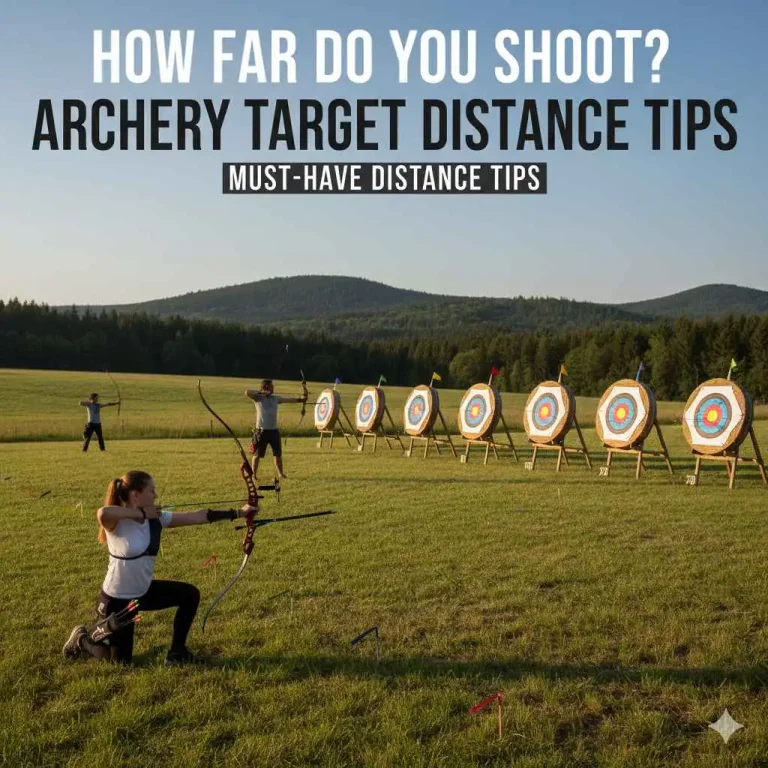
In Olympic recurve competition, archers shoot at two primary distances:
1. 70 Meters (Outdoor): This is the standard distance for nearly all international field rounds and eliminates any confusion: the 10 ring is always the same size at 70m.
2. 18 Meters (Indoor): Indoor target faces are significantly smaller than outdoor ones, meaning the 10 ring is also smaller to compensate for the shorter distance.
This article will primarily focus on the standard outdoor competition target size, as that is what most beginners associate with “Olympic Archery.”
The Exact Size of the Olympic Recurve Target 10 Ring (70m Distance)
This is the moment of truth! Let’s discuss the exact dimensions you are aiming for when shooting at the standard 70-meter distance.
The 10 Ring Measurement
The best way to understand the size is through the official documentation used by World Archery, the global governing body for the sport.
For the 70-meter target face:
The 10 Ring (the inner-most scoring zone) has a diameter of exactly 12.2 centimeters (cm).
To help those still adjusting to metric measurements, converting a few standard measurements can be very helpful for gauging size:
12.2 cm is approximately 4.8 inches.
This is a small target area! To put it in perspective, 4.8 inches is just slightly wider than a standard tennis ball. Hitting that consistently requires focus and excellent form.
What About the 9 Ring?
While the 10 ring is your goal, the 9 ring shares the same physical space as the 10 ring on many modern target faces because they often overlap or are defined by the same outer line in older scoring systems. However, in modern World Archery rules:
The 10 ring is the innermost circle.
The 9 ring is the band immediately surrounding the 10 ring.
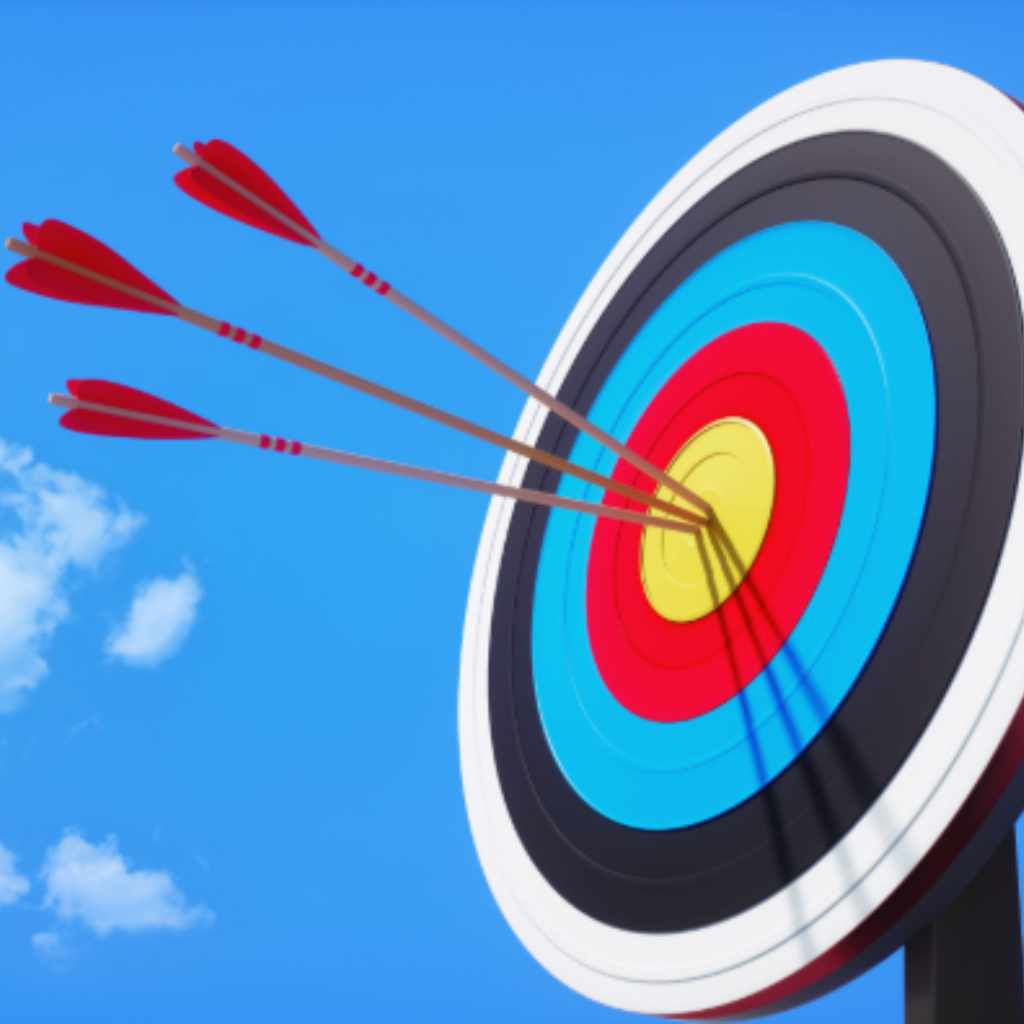
The official target face for 70m has a total diameter of 122 cm (about 48 inches). The scoring rings run from the center out to the edge.
Target Face Breakdown: Ring by Ring (70m Outdoor)
To fully appreciate the size of the 10 ring, you need context. Here is a quick look at the official size breakdown for the standard 122cm outdoor face used in major recurve events. All measurements listed below are the diameter of the scoring zone circle.
| Scoring Ring | Diameter (Centimeters) | Diameter (Inches – Approximate) | Color Zone |
|---|---|---|---|
| 10 & X-Ring (Center) | 12.2 cm | 4.8 inches | Yellow |
| 9 Ring (Outer Yellow) | 24.4 cm | 9.6 inches | Yellow |
| 8 Ring | 36.6 cm | 14.4 inches | Red |
| 7 Ring | 48.8 cm | 19.2 inches | Red |
| 6 Ring | 61.0 cm | 24.0 inches | Blue |
| 5 Ring | 73.2 cm | 28.8 inches | Blue |
| 4 Ring | 85.4 cm | 33.6 inches | Black |
| 3 Ring | 97.6 cm | 38.4 inches | Black |
| 2 Ring | 109.8 cm | 43.2 inches | White |
| 1 Ring | 122.0 cm | 48.0 inches | White |
Notice a pattern? Each ring band going outwards is exactly 12.2 cm wide! This makes the math simple once you know the center number: 10 ring diameter (12.2 cm) results in a total 10/9 scoring area diameter of 24.4 cm.
Understanding the X-Ring
In high-level competitions, especially at 70 meters, you will often hear about the “X-Ring.”
The X-Ring is the absolute center point inside the 10 ring. While the 10 ring is 12.2 cm, the X-ring is significantly smaller, only 6.1 cm in diameter (exactly half the size of the 10 ring).
For beginners, hitting the 10 ring is the goal. For advanced archers, the X-ring is the tie-breaker. It demands pinpoint stability and control!
Indoor vs. Outdoor: A Critical Size Difference
If you move your practice indoors during bad weather, you absolutely must change your aiming strategy because the target face shrinks dramatically. Indoor archery is often shot at 18 meters.
For uniformity and ease of transition, the scoring rings on the 18m face are scaled down so that the ratio of the rings stays the same, but the physical size shrinks.
The 18 Meter (Indoor) Target
The 18-meter target is often called a “missing center” target because it uses only the 10, 9, 8, and 7 rings, eliminating the outer white, black, and blue zones for faster scoring and greater focus.
The key difference here is the center measurement:
18m Target 10 Ring Diameter: 3.05 cm (about 1.2 inches).
Compare that to the 70m target’s 12.2 cm 10 ring. That’s nearly four times smaller! It shows how precise you need to be when shooting indoors. If you accidentally use a 70m sight setting for an 18m target, you will likely shoot right through the target!
Why Does the 10 Ring Size Matter to Me?
As a beginner or hobbyist, you might be shooting at a 40cm or 60cm club target. Why should you care about the precise 12.2cm Olympic specification?
1. Setting Realistic Goals
Understanding the actual size gives you a tangible goal. When you hear “You need to hit the 10 ring,” you now know you are aiming for a spot roughly the size of a softball. This helps you calibrate your initial expectations. If you are missing the entire yellow center, you know you need to work on broad alignment first. If you are clipping the edge, you know you are very close to mastering that fine motor control.
2. Sight Calibration and Adjustments
Once you start using a proper Olympic-style sight (especially one with elevation adjustments), you must remember the distances are fixed. If you practice at 30 meters but want to prepare for a 70-meter competition, you need to dial your sight based on the known target geometry. Competitors use complex calculations based on the known size difference and distance ratio between practice yardages and competition distances.
3. Consistency is King
Archery success relies on doing the same thing perfectly every single time. Knowing the precise dimensions of the scoring area enforces a mentality of absolute precision. You aren’t just aiming vaguely center; you are aiming for a specific, calibrated space.
Essential Bow Setup Checks for Hitting the Center
Aiming at a 12.2cm center is extremely difficult if your equipment isn’t set up correctly. Before blaming your form for missing the 10, run through this setup checklist.
1. Ensure Proper Draw Length
Your draw length must match your body. If it’s too long, your anchor point shifts, ruining consistency. If it’s too short, you lose power and stability.
Action Step: Have an experienced coach measure your wingspan and calculate your draw length, or use the simple “finger-tip to sternum” measurement method initially. Official organizations often use specific draw-length gauges for recurves.
2. Check Your Arrow Spine (Consistency Check)
Arrows that are too stiff or too weak for your bow’s draw weight will flex incorrectly upon release, leading to horizontal misses. This wobble is called “archer’s paradox.”
Resource Tip: You can check recommended arrow spines using charts provided by major arrow manufacturers. For instance, the Gold Tip spine selection chart offers detailed guidance based on weight and distance. Always ensure your arrows are rated for your bow’s draw weight!
3. Stabilizer Setup
For recurve archers, stabilizers help dampen vibration and keep the bow held steady at full draw.
Long Rod: Extends forward to keep the bow from dropping or twisting upon release.
Side Rods (V-Bar): Balance the bow laterally, preventing torque.
A properly balanced bow is much easier to hold still while you aim for that tiny 10 ring.
4. Sight Pin Placement
Beginners often accidentally bump their sights between practice sessions. Always check that your sight housing is securely fastened to the riser before you shoot an official round.
If you are shooting a consistent distance (e.g., 30 meters practice), ensure your sight tape or dial is reading accurately for that distance before moving to the 70m measurement mindset.
Simple Steps to Improve Your 10 Ring Grouping
Now that you know the size of the bullseye, how do we train our bodies to routinely hit it? It starts with breaking the shot process down into manageable, repeatable steps.
Step 1: Establish a Bulletproof Anchor Point
The anchor point is where your drawing hand consistently touches your face or neck. For most recurve shooters, this involves the index finger tucked firmly under the jawbone or the string touching the tip of the nose.
Goal: If your hand lands in a different place by even a millimeter, your sight picture will change, and you will miss the 10 ring. Touch the same spot, every time.
Step 2: Perfect the Sight Picture
This is where the 12.2cm measurement comes into play.
1. Establish Tension: Draw back until your back muscles (rhomboids) are engaged, not just your arm muscles.
2. Place the Pin: Float your sight pin slightly below the center of the 10 ring (this is a common competitive technique called “aiming slightly low”) or place it dead center if you are just starting.
3. Hold Steady: Once the pin is placed, you must hold that tension without wavering while you execute the shot release. The pin should appear “frozen” on the target.
4. Monitor the Ring Boundary: Pay conscious attention that the pin head (or the center of your sight housing if not using a pin) is perfectly centered on the 10/9 line.
Step 3: Executing the Release (The Surprise Factor)
The release is not a flick of the fingers; it’s a relaxation of the drawing muscles.
When your back muscles decide it’s time (often dictated by subtle movement or increased tension), your drawing fingers must simply fall away without pulling the bowstring sideways.
A good release feels like a surprise—you don’t know exactly when the arrow will leave your fingers, but you know it will be clean. This surprise is key to preventing you from tensing up and ruining the aim just before the shot breaks.
Step 4: Follow Through Completely
This is perhaps the most overlooked step by beginners trying to hit the 10 ring. Do not drop your bow arm or peek at the target immediately after the shot.
Keep your bow arm up and pointed toward the target until the arrow hits the target and the sound registers. Your follow-through dictates where the arrow ends up, not just the moment it leaves the string.
Distance Calculation Example: Scaling Down the Target
For those who want to practice indoors or at shorter ranges, understanding the scaling ratio helps translate the 70m experience to your local range.
The distance factor is linear. If you move from 70 meters to 35 meters (exactly half the distance), the target size that will look visually the same should be half the size.
However, since we use a standardized 18m indoor target, the scaling isn’t perfectly linear for all practice ranges, but this table gives you a rough idea of how small the target appears as you get closer.
| Distance (Meters) | Visual “Smallness” Factor (Relative to 70m) | Approximate 10 Ring Visual Size Analogy |
|---|---|---|
| 70 m | 1.0 | Tennis Ball (4.8 inches) |
| 50 m | 1.4 | A Large Grapefruit |
| 30 m | 2.33 | A Small Coffee Mug Bottom |
| 18 m (Indoor Standard) | 3.88 | A Coin (1.2 inches) |
This comparison reinforces why shooting at 70 meters feels so much harder—you are aiming at a target that appears nearly four times smaller relative to the distance compared to an 18m shot!
Tools and Resources for Measuring and Practice
To truly master your aim, you need tools to verify your setup and hold you accountable.
Essential Tools
Here are a few items that can help you transition from casual shooting to precise targeting:
Tape Measure (Metric Preferred): Vital for confirming you have mounted your target boss (the foam stand holding the target face) at the correct height and that your practice targets match standard sizing. You can verify the diameter of the 10 ring itself if you are ever unsure about a questionable target face.
Archery Ball Launcher/Bow Press (For safety checks): While not for measuring the target, ensuring your bow is within safe tolerances, especially after major maintenance, is crucial before aiming at precision rings. Always follow manufacturer guidelines for bow maintenance, which you can often find on sites like the U.S. Archery Association safety manuals.
* Spotting Scope or Binoculars: At 70 meters, you cannot see where your arrows land after they hit the bag. A good spotting scope allows you to see if you are clipping the 9 ring line or truly centered on the 10. Seeing where the arrow sits relative to the line is the fastest feedback you can get.
The Role of Aiming Systems
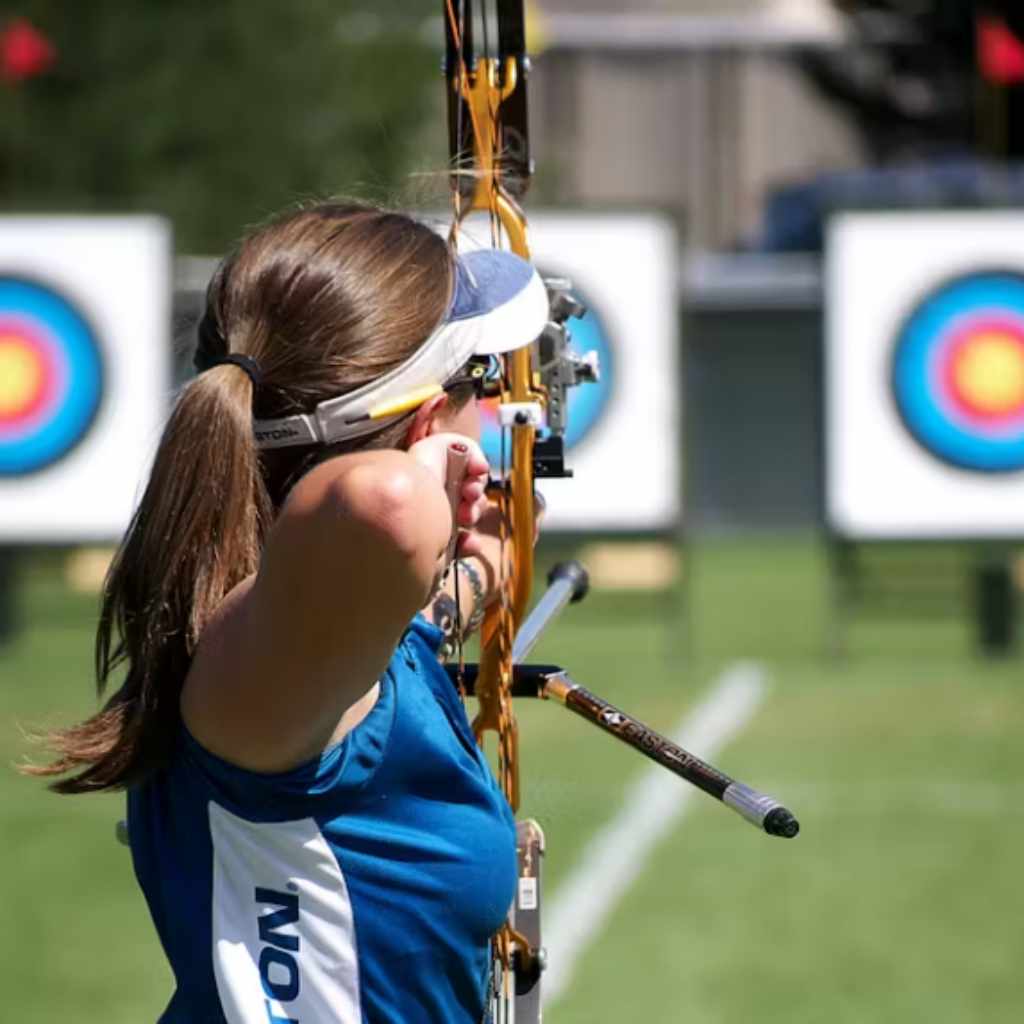
Recurve archers rely heavily on their sights. Most Olympic-style sights use a horizontal adjustment (windage) and a vertical adjustment (elevation). The sight pin should sit perfectly centered in the aperture (the sight housing ring) when aiming at the 10 ring at your desired distance. If your pin is floating too far toward the 9 ring, it means your elevation is off, or your practice distance is wrong for your sight setting on that 12.2cm bullseye.
Beginner FAQ: Quick Answers on Targets and Scoring
Here are some common questions new archers have about scoring and target rings.
Q1: Is the 10 ring always the best score?
Yes, in standard FITA/World Archery target formats, the 10 ring (which includes the smaller X-Ring) is the highest possible score you can achieve per arrow.