Does Burlap Make A Good Archery Target Cover? Essential
Burlap is a practical, affordable, and readily available material that works surprisingly well as a beginner archery target cover. It catches arrows effectively and is easy to replace. However, note that it wears out faster than specialty covers, requiring more frequent checks for safety and stopping power.
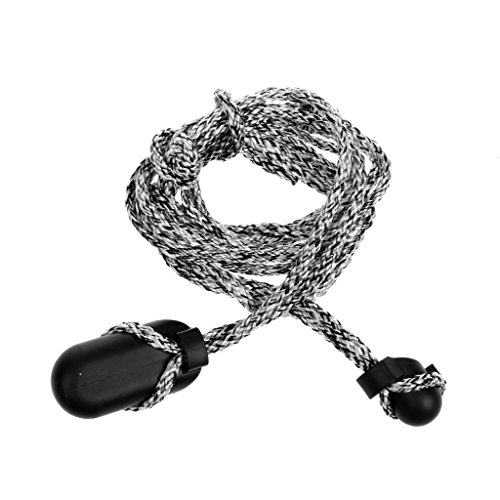
KESHES
KESHES Archery Recurve Bow Stringer Tool -…
- 【Simple-Easy-Quick】 The Keshes stringer tool simplifies stringing recurve, long, or traditional bows with Dacron string. This stri…
- 【Secure and Safe】 The Keshes stringer tool provides a safe way to string your takedown recurve, long bow, or traditional bow. It p…
- 【Effortless Setup】 The Keshes stringer tool has a tip-to-tip pull design, which makes it easier to string your bow with less effor…
As an Amazon Associate I earn from qualifying purchases.
Welcome to the range! As a beginner archer, setting up a safe and reliable target setup is crucial. You need something that stops arrows without making retrieval a wrestling match. Often, archers wonder about using common materials, like burlap, for target blankets or covers. It seems simple and cheap, right? If you’ve looked at those big, expensive target faces, you might think, “Why can’t I just use some old sack material?” That frustration is common when starting out and trying to keep costs low while maintaining safety.
Well, I’m here to cut through the confusion and give you a straight, simple answer based on real-world use. This guide will walk you through exactly how burlap performs, what its benefits are, and the simple steps to use it safely on your home target butt. Let’s dive into making your practice sessions effective and fun, starting with a look at this humble fabric.
Understanding Archery Target Covers: More Than Just a Face
When we talk about an archery target cover, we are usually talking about two things: the outer stopping layer (the actual target butt material) and the very outer wrap or bag—the part that holds everything together and gives you a surface to place your paper target face on. For beginners, using burlap primarily as a reusable wrapping or an outer sleeve for a DIY target offers several distinct advantages, especially when dealing with stopping power and arrow removal.
Why We Need a Target Cover Material
A high-quality target isn’t just a stack of straw; it needs layers designed for specific jobs. The cover material has a big job to do:
- Arrow Friction: It must slow the arrow down enough so it doesn’t pass completely through. This friction is what saves your arrow point and prevents damage to anything behind the target.
- Arrow Removal: The material should grip the arrow just enough to stop it but release it without tearing the fletching or requiring excessive force to pull out.
- Weather Resistance (Minor): It helps keep the core material dry and protected from wind and sun, extending the life of the main stopping block.
- Visual Target Area: It provides a large, easily replaceable surface for taping or stapling your paper target faces on.

The Burlap Deep Dive: Pros and Cons for the Beginner Archer
Burlap, often called hessian cloth, is made from jute or sisal fibers. It’s rough, porous, and cheap. But does that roughness translate to good stopping power? Let’s look closely at how burlap stacks up against dedicated archery fabrics
The Good News: Benefits of Using Burlap
For the budget-conscious beginner setting up a target in the backyard, burlap offers some excellent upsides:
- Incredible Affordability: You can often buy large rolls or pre-cut sheets of burlap very cheaply at craft stores or gardening centers. It is one of the cheapest ways to wrap a target core.
- Excellent Arrow Friction (Especially for Lower Poundage): Because burlap is loosely woven and fibrous, the individual strands grab the arrow shaft and fletching, generating significant friction that helps stop lighter arrows effectively.
- Easy to Replace: When burlap tears (and it will), you simply cut it off and staple a new piece on. There is no guilt over tossing expensive, specialized material.
- Good Visual Contrast: The natural, light brown color of burlap contrasts well against most arrow colors, making it easy to see missed shots or tears in the material.
The Drawbacks: Where Burlap Falls Short
While it’s budget-friendly, burlap isn’t perfect, especially as your skills (and bow poundage) increase. Here are the limitations you must be aware of for safety:
- Durability Issues: Burlap is known to fray quickly, especially when exposed to moisture or strong sunlight. It breaks down faster than professional target material.
- Poundage Limitation: For archers shooting bows over 40 lbs, or those using high-speed modern compound bows, standard burlap might not provide enough stopping power, leading to pass-throughs if the core underneath isn’t substantial.
- Fletching Wear: The rough texture can sometimes be abrasive to expensive plastic vanes or real feathers, causing them to wear down faster during repeated impacts than they would on smooth vinyl or canvas.
- Inconsistent Stopping: Since the weave can vary by manufacturer, the stopping performance isn’t always consistent across the target surface.
Burlap Performance Comparison Table
To give you a clearer picture, here is a simple comparison summarizing how burlap generally performs against two other common DIY or budget options:
| Feature | Burlap (Jute) | Heavy Canvas Drop Cloth | Used Carpet Padding |
|---|---|---|---|
| Initial Cost | Very Low | Medium | Low to Medium (often free/recycled) |
| Arrow Removal Ease | Good (if not overly wet) | Very Good | Excellent (very slick surface) |
| Stopping Performance (Under 40 Lbs) | Good | Good | Fair (needs thick layers) |
| Weather Resistance | Poor (rots easily) | Fair to Good | Fair (can hold moisture) |
| Durability | Low | Medium | High |
How to Use Burlap as an Archery Target Cover Safely (The Step-by-Step Method)
If you decide burlap is the right fit for your current practice level, using it correctly is key to safety. Remember, the cover is only as good as the core material it holds together. Never rely solely on burlap to stop an arrow.
Step 1: Selecting the Right Core Material
Before touching the burlap, you need a solid stopping core. For beginners, two great DIY options are:
- Layered Cardboard: Stack sturdy moving boxes (double or triple-walled if possible) tightly in a square or round shape. This is ultra-cheap but requires thick layers.
- Bag of Rags/Plastic Bags: Fill a sturdy old feed or grain sack tightly with clean, dry plastic grocery bags or old clothing scraps. Pack it snugly so it feels dense.
Safety Note: Always ensure your core material is dry. Wet material stops arrows poorly and can encourage mold growth.
Step 2: Sizing the Burlap Wrap
You need enough burlap to wrap completely around the core and overlap significantly on one side to secure it. Think of wrapping a present, but much tighter.
- Measure the perimeter (circumference) of your target core.
- Add at least 6 inches for overlap.
- Measure the height of your core. Add at least 10 inches for wrapping over the top and bottom edges.
Step 3: Wrapping and Securing the Burlap
This step is what turns your core block into a functional target surface.
- Lay the burlap flat on the ground. Place your core material directly in the center.
- Begin wrapping tightly. Aim for a smooth surface on what will be your primary shooting side.
- As you wrap the sides, pull the excess material taut over the top and bottom edges. You want to eliminate sagging, as loose material catches fletching and makes target removal messy.
- Secure all overlaps and edges using a heavy-duty staple gun. Use staples every 2 or 3 inches for robust holding power. For extra longevity, some archers use thin strips of salvaged tire inner tube rubber stretched over the burlap and secured with screws to act as straps, but heavy staples usually suffice for beginners.
Step 4: Applying the Target Face
Once the burlap is wrapped tightly, you create the actual aiming surface:
- Use standard paper target faces printed from the internet or purchased faces.
- Attach them using masking tape or simple adhesive spray. Avoid using numerous staples on the main shooting surface, as the small metal heads can sometimes deflect arrows unexpectedly if struck near the center.
Step 5: Routine Inspection and Maintenance
Since burlap degrades, checking your target often is not optional—it is a safety requirement.
- After Every Session: Check the edges and high-impact areas. Look for tears where the core material is exposed.
- If Pass-Throughs Occur: Immediately stop shooting. This means the burlap has failed or the core is packed too loosely. You must stop and reinforce or replace the core before continuing.
- Weather Alert: If the target gets soaked by rain, let it dry completely before shooting at it again. Wet burlap loses much of its stopping capability and can start to decompose.
For further understanding on safe target setup and material integrity, resources from organizations promoting archery safety, such as those found through state wildlife agencies or national archery associations, often provide excellent guidelines on required stopping distances and materials. For example, ensuring your setup meets basic safety standards is similar to looking at recommended clearances, like those discussed concerning safe backstops.
When to Upgrade: Knowing When Burlap Isn’t Enough
Burlap is a fantastic starting point. It lets you learn form, track misses, and practice without breaking the bank. However, as your skill improves, your equipment must keep up, especially your stopping system.
Signs You Need a Specialty Target Cover
Pay attention to these signs; they indicate that your burlap setup is reaching its limit:
- Arrow Penetration Depth: If arrows start consistently sticking out more than 3 to 4 inches from the cover material, your stopping power is insufficient.
- Fletching/Shaft Damage: If your vanes are visibly tearing off or if the arrow shaft is getting stuck badly in the burlap itself, it’s time for a cleaner surface.
- Bow Poundage Increase: If you move from an entry-level 20-lb recurve to a 45-lb compound, the energy transfer increases significantly, demanding more robust material that resists tearing better than jute.
- Outdoor Exposure: If your target stays outside permanently, burlap will degrade too quickly and become unsafe within a single season.
Moving Beyond Burlap
When you are ready to upgrade, look for dedicated target covers made of high-density foam, layered vinyl (often called “self-healing” material), or tightly packed, high-density foam blocks wrapped in strong synthetic canvas. These materials offer many more shots before replacement is needed and provide superior stopping power for higher energy bows.
Essential Archery Safety Practices for Home Setups
No matter what cover material you choose—burlap or commercial—safety around the range is paramount. As your friendly guide, I stress this: Safety always comes before cheap materials.
The Critical Checklist for Every Shooting Session:
- Backstop First: Always place your target in front of a massive, safe backstop (like a large hay bale stack or dense earthen bank) that can stop any arrow that sails over or through the primary target. Never shoot toward buildings, roads, or neighbors’ properties.
- Clear Shooting Lane: Ensure your entire line of sight, from where you stand to the target, is clear of people, pets, obstacles, and anything that could cause a ricochet or deflection.
- Arrow Inspection: Before every session, and definitely after every session, check your arrows. Look for cracks in the shaft (especially near the nock or tip) or bent tips. Damaged arrows can break in flight, which is extremely dangerous.
- Safe Retrieval: When retrieving arrows, approach the target carefully. Always scan your surroundings before stepping up to the target butt in case someone else is on the range or a pet wanders near.
A good resource for range management and safety protocols can often be found through certified coaching materials, which emphasize setting up a clear safety perimeter around your shooting area—typically at least 10–15 feet on either side of the target.
Frequently Asked Questions (FAQ) about Burlap Archery Covers
Q1: Can I use burlap for my bag target, even if I shoot a compound bow?
A: Only if your compound bow is very low-powered (under 35 lbs) AND the burlap is wrapped extremely tightly over a dense core like layered foam blocks. For modern compound energy, burlap alone is not a safe stopping surface.
Q2: Will wet burlap stop arrows better than dry burlap?
A: No, dried-out, stiff burlap stops arrows reasonably well due to friction. If burlap gets soaked and shrinks, it can become too hard and deflect the arrow, or if it becomes soggy, it loses its structure, leading to poor stopping power.
Q3: How do I keep my burlap target cover from rotting outdoors?
A: Burlap is natural jute fiber and will rot when constantly wet. To slow this, keep the target covered by a tarp when not in use, and ensure good airflow so it dries out quickly after rain. Treat it with exterior wood sealant is not recommended as it makes the material too stiff for arrow removal.
Q4: Is it okay if the burlap wrinkles when wrapping the target core?
A: Wrinkles are not ideal but generally acceptable for a beginner setup. The main goal is tightness. Excessive wrinkling on the primary shooting face might cause slight inconsistencies in where the arrow hits the core material, but it’s better than having loose material that catches your fletching.
Q5: What is the best way to staple burlap onto a wooden frame or box?
A: Use a heavy-duty staple gun with galvanized or rust-resistant staples (like 3/8-inch or 1/2-inch crown staples). Pull the burlap as taut as possible before sinking the staple. Many archers staple the sides first, then cinch down the top and bottom.
Q6: Does burlap work well with broadheads?
A: Generally, no. Burlap is very abrasive and can snag and destroy broadhead blades quickly upon impact. Broadheads require much tougher, smoother materials like block foam or specialized heavy rubber matting to stop without damage.
Q7: What is the simplest DIY core material that pairs well with burlap?
A: The simplest and most effective budget pairing is tightly packed, clean, dry plastic grocery bags stuffed inside a robust, heavy-duty sack (like an old outdoor furniture cover or heavy canvas bag), then wrapped externally with burlap for surface finishing.
Conclusion: Your Friendly Coach’s Final Word on Burlap
So, does burlap make a good archery target cover? For the archer starting out, maintaining a low budget, and shooting lower-poundage equipment (think youth bows, traditional recurves under 35 lbs, or soft shooting with 20-yard practice), the answer is a confident yes**. Burlap is a superb, easily sourced, cost-effective material to wrap your initial DIY core. It provides the necessary friction to slow your arrows down while keeping your investment low.
However, you must treat it as a temporary, high-maintenance skin for your target. Always be proactive with your safety checks. If you notice it fraying, tearing, or if your arrows start sailing through with too little resistance, it’s time to retire that burlap wrap and either tighten your existing core or invest in a more durable covering.
Remember the goal: consistent, safe practice leads to better accuracy and more enjoyment. Use burlap as your stepping stone. Get out there, enjoy the process of building and practicing with your gear, and focus on hitting that gold center. Happy shooting!
Related pick: Check today's price on Amazon