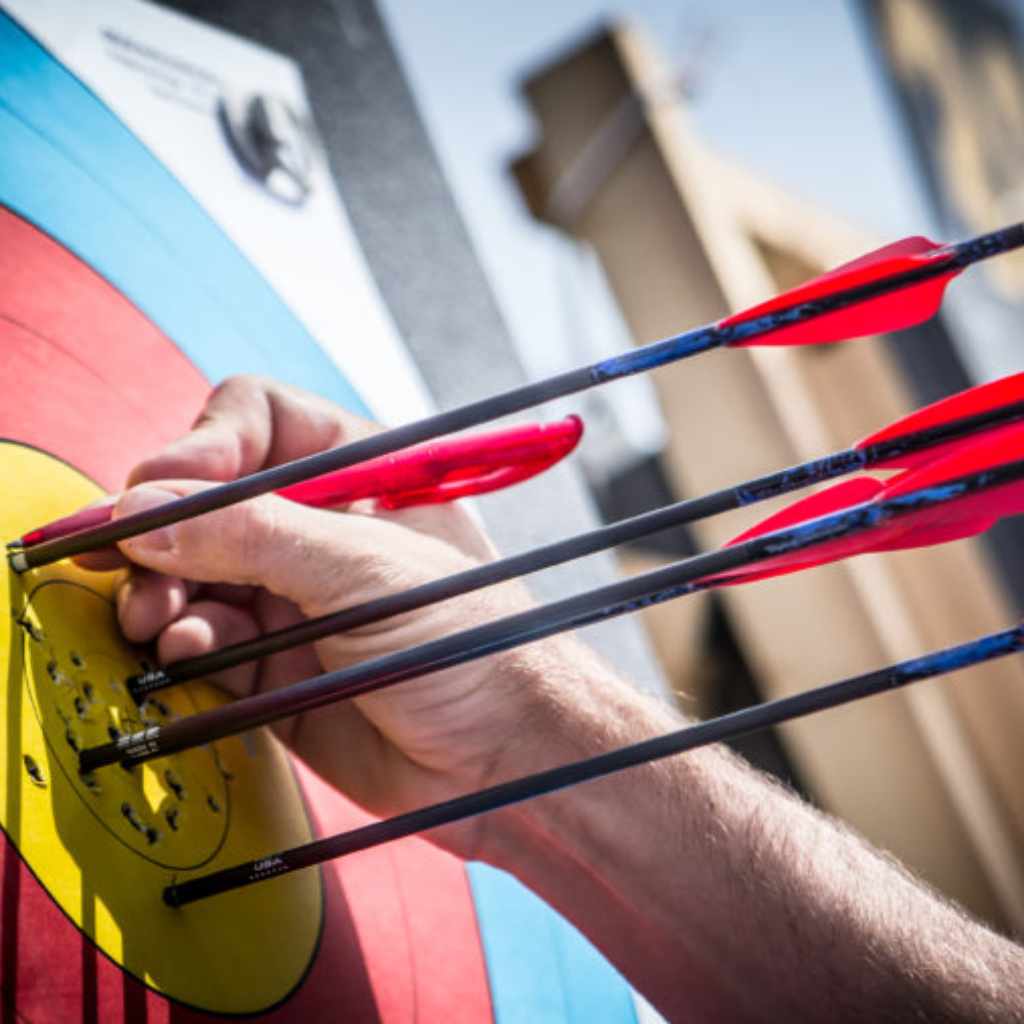
How are Carbon Fiber Arrows Made: Ultimate Guide to Precision Crafting
Have you ever wondered what makes carbon fiber arrows so strong and accurate? If you’re serious about archery, understanding how these arrows are made can give you a real edge.

MS Jumpper
MS Jumpper Archery Carbon Arrows, High Percentage…
- Hunting and targeting practice carbon arrows for traditional bow,compound bow recurve bow and longbow.
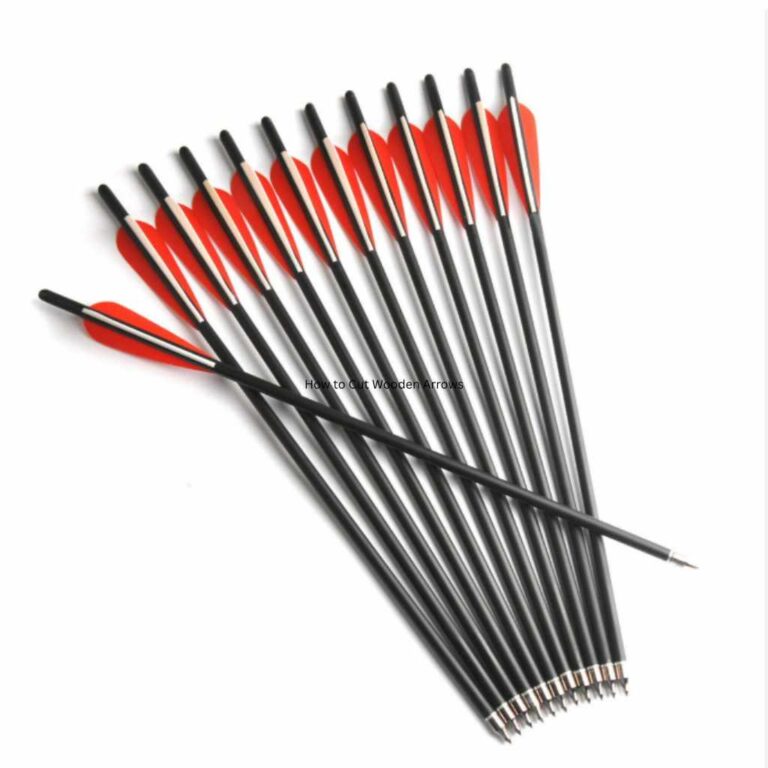
- Length:28-31",Shaft diameter:7.4mm .Fletching with 2 Black 1 Red 4'' peltate shape real feathers.
- Spine:400,For draw weight of up to 65 pounds bows
As an Amazon Associate I earn from qualifying purchases.
For a related arrow setup, How Carbon Arrows Are Made: Essential gives readers another detail to check before shooting.
For a related arrow setup, 4mm Arrows: Your Essential gives readers another detail to check before shooting.
For a related arrow setup, How Fiberglass Arrows are Made: to Precision Crafting gives readers another detail to check before shooting.
For a related arrow setup, How To Get Inserts Out Of Carbon Arrows gives readers another detail to check before shooting.
For a related arrow setup, How To Index Broadheads On Carbon Fiber Arrows: Genius Tip gives readers another detail to check before shooting.
Knowing the process behind their creation helps you appreciate their precision and durability. You’ll discover the step-by-step craft behind carbon fiber arrows and why they outperform traditional ones. Stick with me, and you’ll learn exactly what goes into making these high-performance arrows perfect for your next shot.
Materials For Carbon Arrows
Carbon fiber arrows rely on specific materials to achieve strength and precision. Each part plays a key role in the arrow’s performance. Understanding these materials helps appreciate the quality of the arrows.
Carbon Fiber Properties
Carbon fiber is light but very strong. It resists bending and breaking during use. Its stiffness helps maintain the arrow’s flight path. Carbon fibers also absorb vibrations, giving a smooth shot. These fibers are made from thin strands of carbon atoms.
The fibers are woven or aligned in a specific pattern. This pattern increases durability and flexibility. The quality of carbon fiber affects the arrow’s weight and strength. High-quality carbon fibers lead to better accuracy and speed.
Resin And Epoxy Selection
Resin or epoxy binds the carbon fibers together. It holds the fibers in place and shapes the arrow shaft. The resin must be strong and resistant to heat. It keeps the arrow rigid during flight and impact.
Epoxy resins are common because they offer good bonding and durability. The choice of resin impacts the arrow’s overall strength. Some resins also improve resistance to moisture and chemicals. This ensures the arrow lasts longer in different conditions.
Additional Components
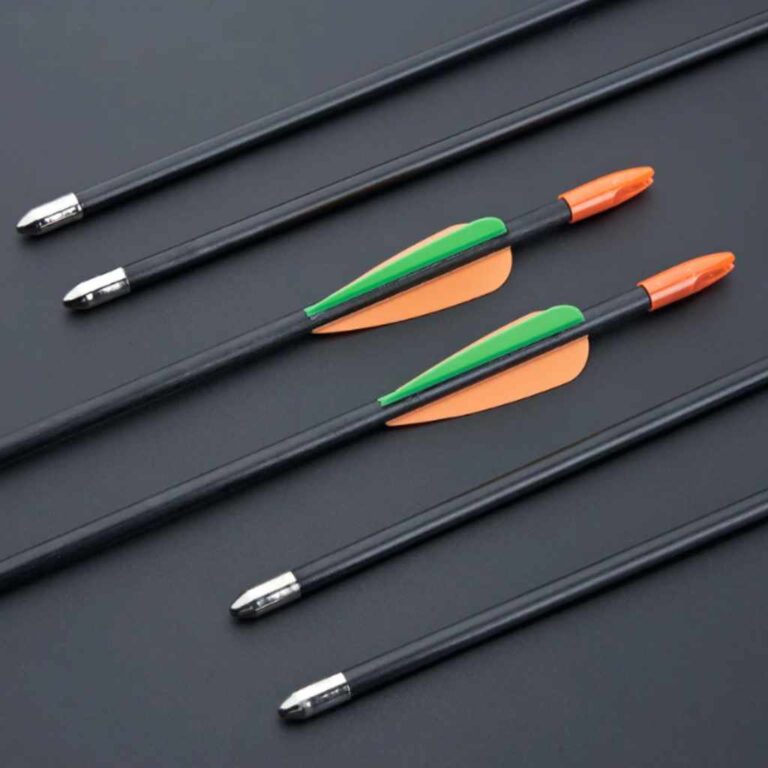
Carbon arrows include parts like the tip, fletching, and nock. Tips are usually made of metal for impact and penetration. Fletching, often made from plastic or feathers, stabilizes the arrow in flight. Nocks secure the arrow to the bowstring.
Each component must fit perfectly with the carbon shaft. Quality parts improve arrow balance and accuracy. Proper assembly ensures the arrow performs well every time it is shot.
Manufacturing Process
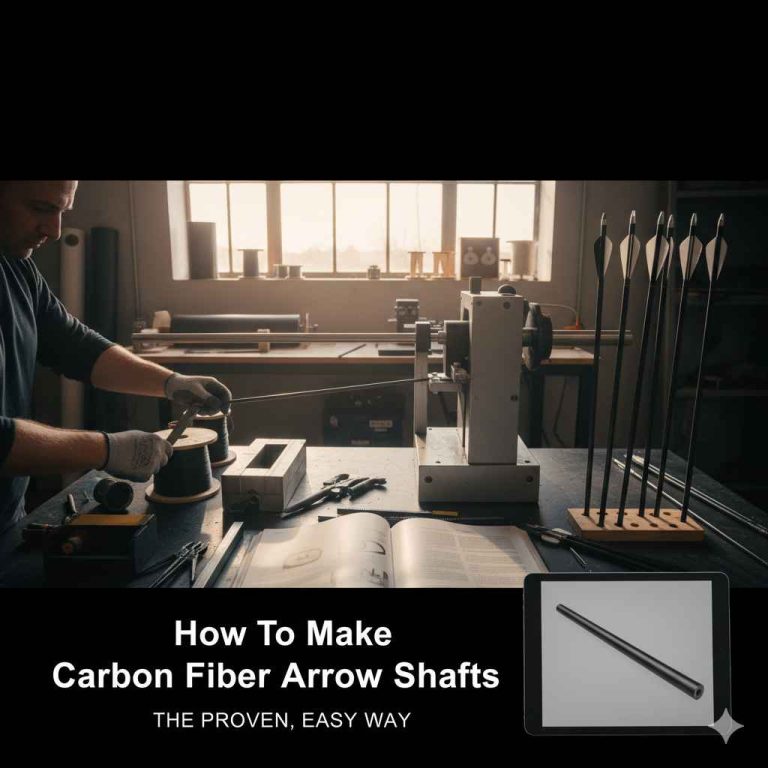
The manufacturing process of carbon fiber arrows is a precise and careful operation. Each step builds on the previous one to create a strong, light arrow. This process ensures the arrows perform well and last long. It involves several stages, including weaving, layering, and curing.
Carbon Fiber Weaving
The process starts with carbon fiber weaving. Thin strands of carbon are woven into sheets. These sheets give the arrow its strength and flexibility. The weave pattern affects the arrow’s stiffness and weight. Weaving must be exact to avoid weak spots in the arrow shaft.
Layering And Rolling
After weaving, the carbon fiber sheets are layered. Layers are stacked to reach the desired thickness. Each layer adds strength and controls the arrow’s stiffness. The stacked layers are then rolled around a mandrel. This forms the hollow shape of the arrow shaft. Rolling must be smooth to keep the shape even.
Curing And Hardening
The rolled layers need to harden to hold their shape. This happens during the curing process. The arrow shaft is heated in an oven at a set temperature. Heat causes the resin to harden and bind the carbon fibers. Curing makes the arrow stiff and durable. After curing, the arrow is ready for finishing touches like cutting and adding fletching.
Shaping And Sizing
The shaping and sizing of carbon fiber arrows are key steps in making them ready for archery. These processes ensure the arrows fly straight, feel balanced, and perform well. Each arrow must match the archer’s needs for length, weight, and diameter. This part of the production requires careful handling and precise work.
Cutting To Length
The first step is cutting the arrow shaft to the right length. Machines or skilled workers cut the carbon tubes. They measure carefully to match the arrow size needed. Even a small mistake can affect the arrow’s flight. Accurate cutting helps maintain consistency in each batch.
Straightening Techniques
After cutting, the arrows may bend slightly. Straightening makes sure each shaft is perfectly straight. Specialized tools gently bend the arrows back into shape. This step helps the arrow fly true and avoid wobbling. Straight arrows improve accuracy and safety.
Diameter And Weight Adjustments
The arrow’s diameter affects its speed and stability. Manufacturers choose the right size based on the arrow type. Weight adjustments happen by adding or removing materials. These changes help balance the arrow for better control. Correct diameter and weight ensure the arrow suits different bows and shooting styles.
Adding Precision Features
Adding precision features to carbon fiber arrows improves their flight and accuracy. These features ensure the arrow flies straight and hits the target consistently. Each step requires careful attention and precise work.
Fletching Application
Fletching is the process of attaching small vanes or feathers to the arrow shaft. These vanes stabilize the arrow during flight. Technicians use special glue to attach the fletching in a spiral or straight pattern. Proper alignment is crucial for balanced flight and control.
Nock Installation
The nock is the small notch at the back of the arrow. It holds the arrow on the bowstring. Technicians press or glue the nock firmly onto the shaft end. A secure nock prevents the arrow from slipping during release. It also helps with consistent shooting.
Tip Attachment
The arrow tip is attached to the front of the shaft. Tips vary by use, including target points or broadheads for hunting. The tip is inserted and secured with strong adhesive or threaded fittings. A well-attached tip ensures durability and precision on impact.
Quality Control Measures
Quality control measures are vital in making carbon fiber arrows. They ensure each arrow performs well and lasts long. These checks help catch defects early. Only the best arrows reach the archers.
Strength And Flexibility Testing
Arrows must be strong and flexible. Testing involves bending and stress tests. This shows if the arrow can handle impact without breaking. It also checks if the arrow bends but returns to shape. This balance is key for accuracy and durability.
Straightness Inspection
Straight arrows fly truer and straighter. Each arrow is carefully checked for straightness. Machines measure tiny bends or twists. Arrows that do not pass are discarded or fixed. Straightness affects how the arrow flies through the air.
Weight Consistency Checks
Weight affects arrow speed and flight path. Each arrow must weigh nearly the same as others. Scales measure every arrow’s weight precisely. Consistent weight helps archers shoot with confidence. Weight checks avoid surprises during shooting.

Customization Options
Carbon fiber arrows offer many ways to fit your shooting style. Customization helps archers get the best feel and performance. These options let you choose colors, sizes, and markings. Each choice shapes how the arrow flies and looks.
Color And Finish Choices
Arrows come in many colors and finishes. You can pick bright or dark shades. Matte or glossy finishes are popular. These choices help arrows stand out or blend in. Color also helps find arrows after shooting. Some finishes add extra grip or shine.
Spine And Length Variations
Spine means arrow stiffness. Different spines fit different bows and draw weights. A stiff arrow flies straighter with strong bows. Softer spine suits lighter bows. Length matters too. Longer arrows offer more stability. Shorter arrows are faster but less stable. Choosing the right spine and length improves accuracy.
Branding And Markings
Many archers add logos or names on arrows. Custom branding makes arrows easy to identify. Markings show arrow specs like spine or length. Some use colored bands for quick recognition. This helps during competitions or group shoots. Clear markings keep arrows organized and ready.
Benefits Of Carbon Fiber Arrows
Carbon fiber arrows offer many benefits for archers of all levels. They combine strength and lightness in a way few other materials can match. These arrows provide a reliable and consistent shooting experience. Understanding their advantages helps explain their growing popularity.
Durability And Performance
Carbon fiber arrows resist bending and breaking better than wood or aluminum. They keep their shape even after many shots. This durability means fewer arrow replacements and less worry about damage. Strong arrows also improve overall shooting performance by maintaining stability in flight.
Weight And Speed Advantages
Carbon fiber arrows are lighter than most traditional arrows. This low weight allows them to travel faster through the air. Faster arrows hit targets quicker and with more energy. This speed can improve penetration and reduce the effects of wind on the arrow’s path.
Precision And Accuracy
Carbon fiber arrows are made with precise manufacturing techniques. This results in consistent weight and straightness for each arrow. Consistency helps archers shoot more accurately and confidently. The arrows fly true, making it easier to hit the bullseye repeatedly.

Frequently Asked Questions
What Materials Are Used To Make Carbon Fiber Arrows?
Carbon fiber arrows use high-strength carbon fibers woven into sheets. These sheets are coated with resin and wrapped around a mandrel to form the shaft. The combination ensures lightweight, durable, and stiff arrows ideal for precision and speed.
How Is The Carbon Fiber Shaft Manufactured?
The shaft is made by layering carbon fiber sheets with resin around a mandrel. It is then cured under heat and pressure to harden. This process creates a strong, lightweight, and straight shaft that maintains consistency in flight.
Why Are Carbon Fiber Arrows Preferred By Archers?
Carbon fiber arrows offer superior strength, lightness, and straightness compared to other materials. They provide faster speeds, better accuracy, and resistance to warping or breaking. This makes them a top choice for both target shooting and hunting.
What Role Does Resin Play In Arrow Production?
Resin binds the carbon fibers together and hardens the shaft. It ensures the arrow maintains its shape and strength under stress. The resin also adds durability and protects the fibers from moisture and damage.
Conclusion
Carbon fiber arrows combine strength and lightness for better shots. The making process uses special fibers and careful layering. Each step ensures arrows stay straight and fly fast. This makes them popular for many archers. Knowing how they are made helps you appreciate their quality.
Choose carbon fiber arrows for a reliable archery experience. Simple materials, smart design, and skill create these arrows. They show how science and craft work together well.
Related pick: Check today's price on Amazon