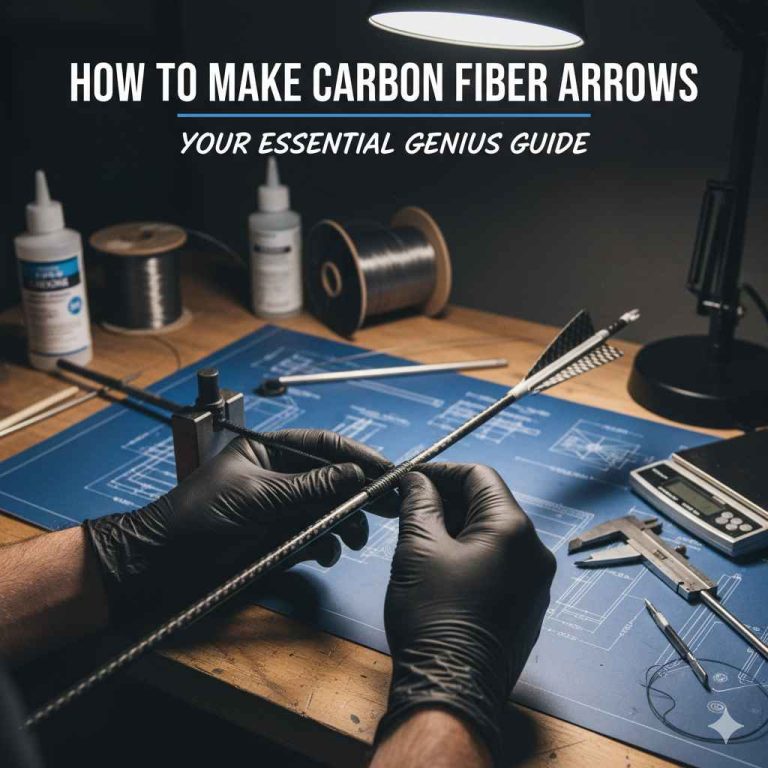
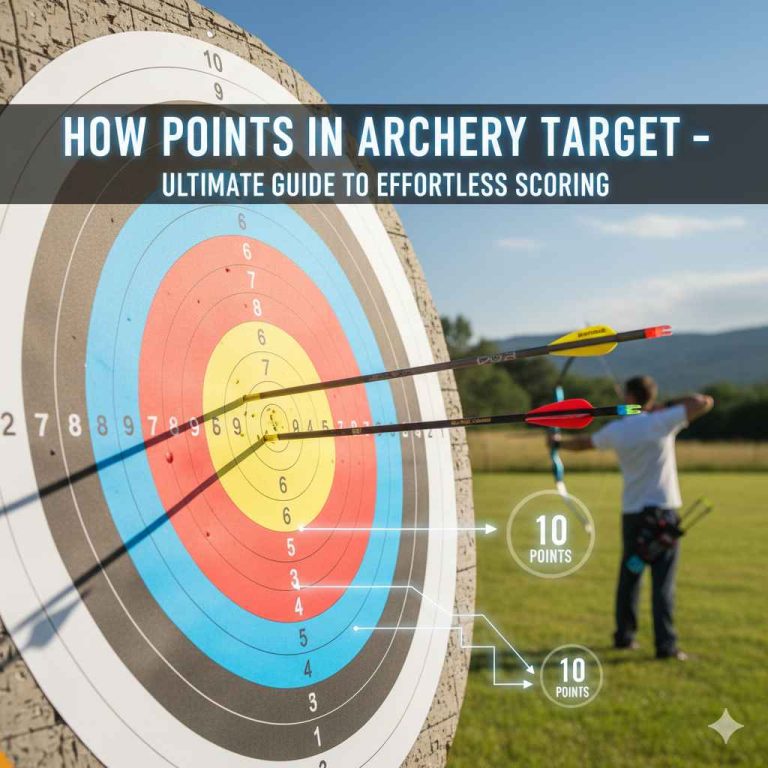
How Much Carbon Is in Carbon Fiber Arrows? Explained
Carbon fiber arrows contain over 90% pure carbon atoms by element in their shaft, with the fibers themselves being nearly 100% carbon reinforced in epoxy resin for strength and lightness.
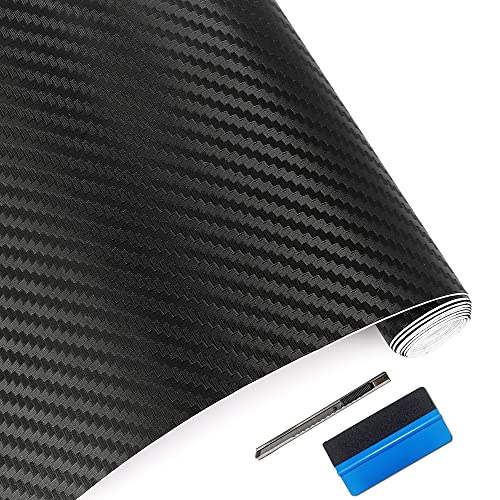
LZLRUN
LZLRUN 3D Black Carbon Fiber Car Vinyl…
- High Quality - Automotive grade premium high quality vinyl designed for wrapping vehicles and many other uses.
- Air Channels - Built-in air channels on the adhesive side for bubble-free installation.
- Ease of Installation - Repositionable during installation. Conforms well to most contours andshapes. Grid pattern on paper backing…
As an Amazon Associate I earn from qualifying purchases.
Hey there, fellow archer! If you’re new to archery or just curious about your gear, you might wonder what “carbon fiber arrows” really mean. Are they solid carbon? How much actual carbon is inside? It’s a common question, especially when choosing arrows for better performance.
Don’t worry—carbon fiber arrows are super popular for good reasons. They’re lightweight, straight, and fly true. In this guide, I’ll break it down simply and show why they’re a great choice for beginners like you. We’ll cover the basics, pros and cons, and tips to get started safely. Let’s dive in—you’ve got this!
What Are Carbon Fiber Arrows Made Of?
Carbon fiber arrows get their name from the main material in the shaft: carbon fibers. These are tiny strands of mostly carbon atoms, bonded together in a strong crystal structure.
The shaft is a composite—carbon fibers embedded in a plastic resin (usually epoxy). The fibers provide incredible strength and stiffness, while the resin holds everything together and adds durability.
In high-quality archery arrows, the carbon fibers are over 93-95% carbon by element. Some premium ones reach 99% carbon in the fibers. The rest is trace elements for better performance. The resin makes up 30-40% of the shaft’s weight, so overall, the shaft is about 60-70% carbon atoms by weight.
Many brands, like Easton and Victory, call their shafts “100% carbon fiber construction.” This means the shaft is all carbon composite—no aluminum core or other materials (except for hybrid types).
According to Victory Archery, the fibers are “incredibly strong, thin strands of carbon atoms” in a resin matrix. Easton describes their process as seamless carbon winding for consistency.

Why So Much Carbon? The Science Made Simple
Carbon atoms link up in long chains, making the fibers super strong yet light. One carbon fiber strand is thinner than human hair but stronger than steel pound-for-pound.
In arrows, thousands of these fibers align mostly lengthwise for stiffness (spine) and bend recovery. Some wrap at angles for torsion strength.
This high carbon content makes the arrows:
- Lightweight: Easier to shoot faster and farther.
- Straight: High straightness tolerances (like ±0.001 inches in top models).
- Durable: Resist bending (unlike aluminum).
Beginners love them because they forgive small form errors and group tightly with practice.
Types of Carbon Arrows: Pure Carbon vs. Hybrids
Not all “carbon” arrows are the same. Here’s a quick breakdown:
| Type | Composition | Best For | Pros | Cons |
|---|---|---|---|---|
| Pure Carbon | 100% carbon fiber + resin shaft | Most hunting and target shooting | Light, fast, consistent | Can splinter if damaged |
| Aluminum/Carbon (A/C) | Thin aluminum core wrapped in carbon | Target archery, long distance | Very straight, wind-resistant | Heavier, more expensive |
| Carbon/Aluminum Hybrid (e.g., FMJ) | Carbon core with aluminum jacket | Hunting penetration | Bone-crushing strength | Heavier than pure carbon |
For beginners, start with pure carbon arrows—they’re forgiving and widely available.
How Carbon Arrows Compare to Other Materials
Let’s see how carbon stacks up against classics like aluminum and wood.
| Material | Carbon Content | Weight | Durability | Cost | Best Use |
|---|---|---|---|---|---|
| Carbon Fiber | High (60-70% by weight) | Light | Doesn’t bend; breaks clean if failed | Medium to High | Hunting, 3D, target |
| Aluminum | None | Medium to Heavy | Bends easily but straightenable | Low to Medium | Indoor target, beginners |
| Wood | Mostly carbon-based (cellulose) | Heavy | Breaks or splinters | Low | Traditional, recurve |
Carbon wins for modern archery—lighter and faster than aluminum, more consistent than wood. As Easton Archery notes, carbon became popular as bows got faster.
Step-by-Step: How to Inspect Carbon Arrows for Safety
Safety first! Carbon arrows are safe when undamaged, but a cracked one can splinter. Always check before shooting.
- Look closely: Run your fingers along the shaft for cracks, dents, or gouges.
- Flex test: Hold ends and gently bend (away from face/people). Listen for creaks or cracks.
- Twist test: Twist ends opposite ways while looking for splinters.
- Tap test: Tap shaft on hard surface—should sound solid, not dull.
- Check components: Ensure nocks, inserts, and fletching are secure.
If any doubt, retire the arrow. Better safe than sorry!
Pros and Cons of Carbon Fiber Arrows
Pros:
- Lightweight for flatter trajectory.
- Straight and consistent grouping.
- Don’t bend permanently.
- Quiet flight, less wind drift.
- Great for compound or recurve bows.
Cons:
- More expensive than aluminum.
- Can splinter if severely damaged (always inspect).
- Harder to detect internal damage.
Tips for Choosing Your First Carbon Arrows
Match spine to your bow’s draw weight and your draw length. Use a chart from manufacturers like Easton or Victory.
Start with standard diameter (.245″) for forgiveness. Go micro-diameter later for hunting penetration.
Buy from reputable brands—cheap ones may have lower carbon quality or poor consistency.
Practice safe handling: Wear eye protection when inspecting or building arrows.

Frequently Asked Questions
Are carbon fiber arrows really made of 100% carbon?
No—the fibers are nearly pure carbon, but the shaft is a composite with resin. Brands say “100% carbon construction” meaning no metal core.
Is there actual carbon like charcoal in arrows?
Nope! It’s advanced carbon fibers—high-tech, not barbecue carbon.
Why do some arrows say “high percentage carbon”?
Cheaper ones mix in fiberglass. Premium are pure high-modulus carbon for better performance.
Can carbon arrows splinter and hurt you?
Only if shot while damaged. Always inspect—flex and look before every session.
Are carbon arrows better than aluminum for beginners?
Yes! They’re lighter, straighter, and more forgiving on form errors.
How long do carbon arrows last?
Years with proper care. Inspect regularly and replace damaged ones.
What’s the difference between carbon and A/C arrows?
A/C have aluminum core for extra straightness—great for target, but heavier.
Carbon fiber arrows pack a ton of carbon—over 90% in the fibers—for that perfect mix of light weight and tough strength. Now you know exactly what’s in your quiver and why they’re a favorite for so many archers.
Start with good inspection habits, pick the right spine, and you’ll build confidence fast. Archery is all about practice, safety, and fun—grab those arrows and hit the range. You’ve got the knowledge; now go enjoy tight groups and great shots!
Keep shooting straight,
Related pick: Check today's price on Amazon