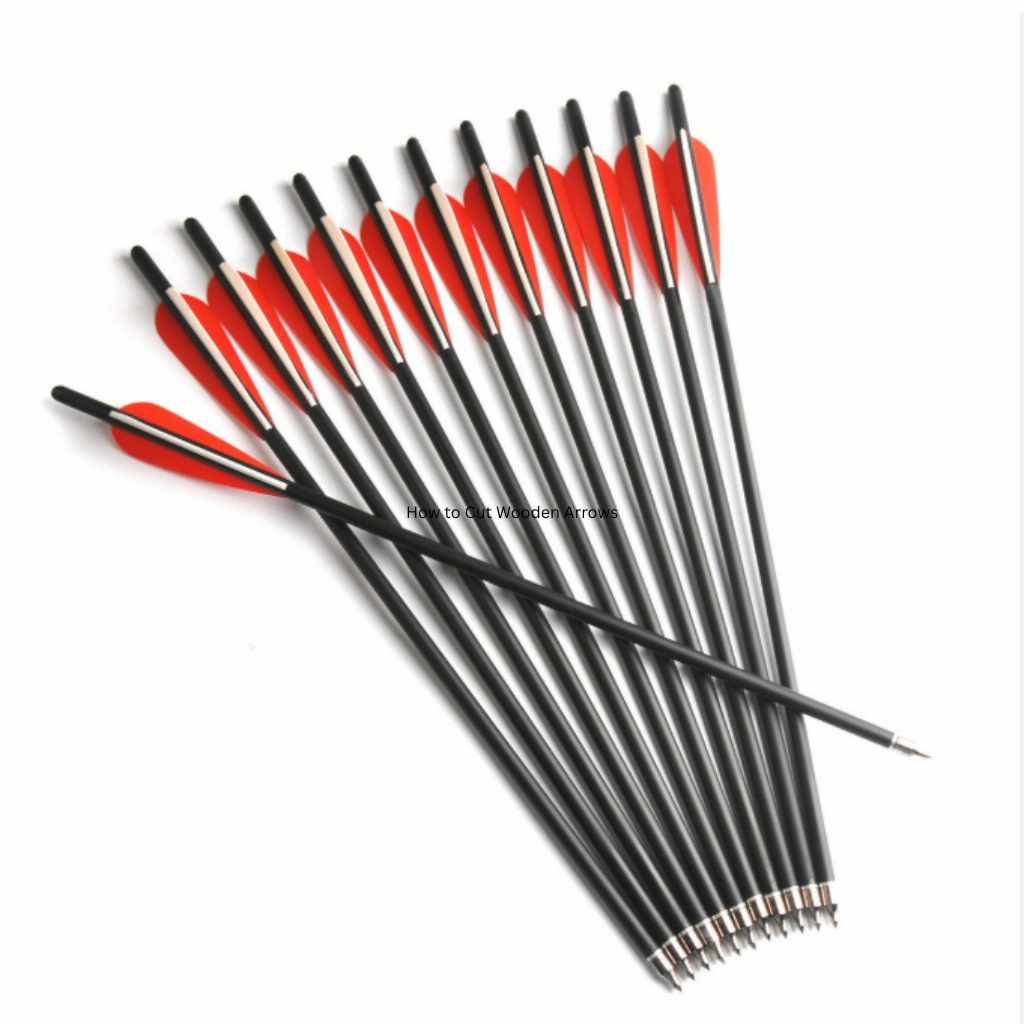
Are Fiberglass Arrows Safe: Expert Insights You Need to Know
Are you considering using fiberglass arrows but wondering if they are safe for you and those around you? Safety is the top priority when it comes to archery, and choosing the right type of arrow can make all the difference.
You’ll discover the facts about fiberglass arrows—how they perform, their risks, and what you need to know before you shoot. Keep reading to make sure your next archery experience is both fun and safe.
Fiberglass Arrow Basics
Fiberglass arrows are a popular choice for beginners and casual archers. They offer a good balance of durability and affordability. Understanding their basics helps you know what to expect in terms of safety and performance.
These arrows differ from traditional wooden or modern carbon arrows. Their unique features make them suitable for different uses and skill levels.
Material Composition
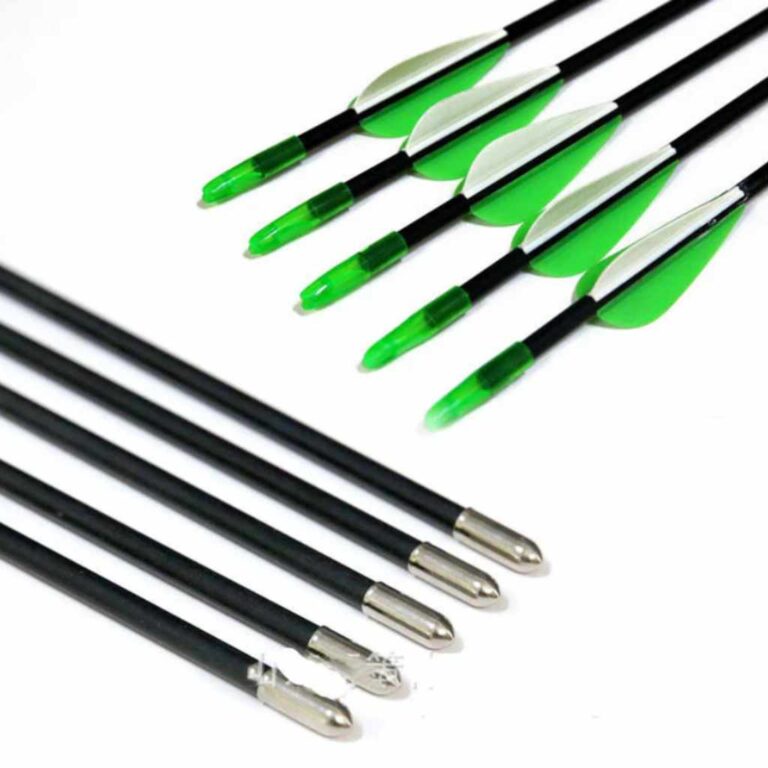
Fiberglass arrows are made of glass fibers woven together. These fibers are coated with resin to create a strong shaft. The result is a flexible, yet sturdy arrow. This material resists bending and breaking easily. It also handles rough use better than wood.
Common Uses
Many beginners prefer fiberglass arrows for target practice. They work well with basic bows and crossbows. Their weight and strength make them less likely to break on impact. Archery clubs and schools often choose them for training. They are not ideal for hunting due to weight and flight speed.
Safety Features Of Fiberglass Arrows
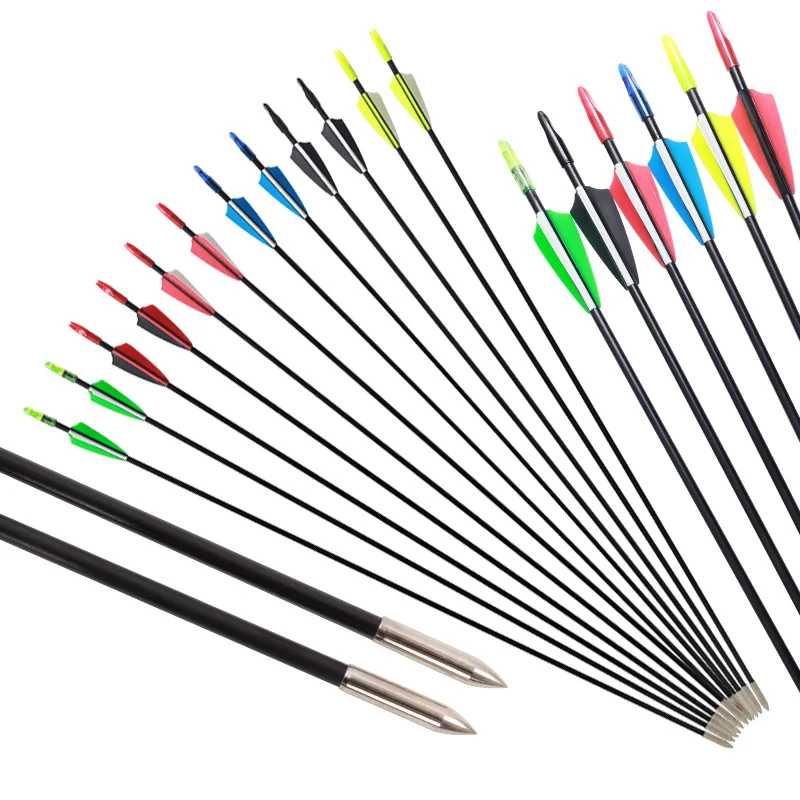
Fiberglass arrows offer several safety features that make them a popular choice for archers. Their design focuses on reducing risks during practice and competition. Understanding these safety aspects helps archers feel confident and secure while shooting.
Durability And Flexibility
Fiberglass arrows are built to last. The material bends instead of breaking under pressure. This flexibility helps prevent sharp splinters that can cause injuries. Even after multiple uses, the arrows keep their shape and strength. This durability makes them safer for beginners and casual archers.
Impact Resistance
These arrows absorb impact well. They do not shatter easily upon hitting hard surfaces. This reduces the chance of dangerous fragments flying off. The strong construction helps protect both the archer and bystanders. Impact resistance also means the arrows stay reliable over time, adding to overall safety.
Potential Risks With Fiberglass Arrows
Fiberglass arrows are popular for their durability and affordability. Still, they come with some risks that every archer should know. Understanding these risks helps keep you safe and protects your gear.
Splintering And Breakage
Fiberglass arrows can splinter or break on impact. This happens especially if they hit hard surfaces like rocks or metal. Splinters can cause cuts or eye injuries. Broken arrows can fly unpredictably, posing danger to people nearby. Always check arrows for cracks before use. Replace damaged arrows immediately to avoid accidents.
Handling And Storage Hazards
Improper handling can cause damage to fiberglass arrows. Dropping or bending them weakens their structure. Store arrows in a dry, cool place to prevent warping. Avoid stacking heavy items on top of arrows. Use a proper quiver or case for transport. Safe handling and storage extend arrow life and reduce injury risks.
Comparing Fiberglass To Other Arrow Materials
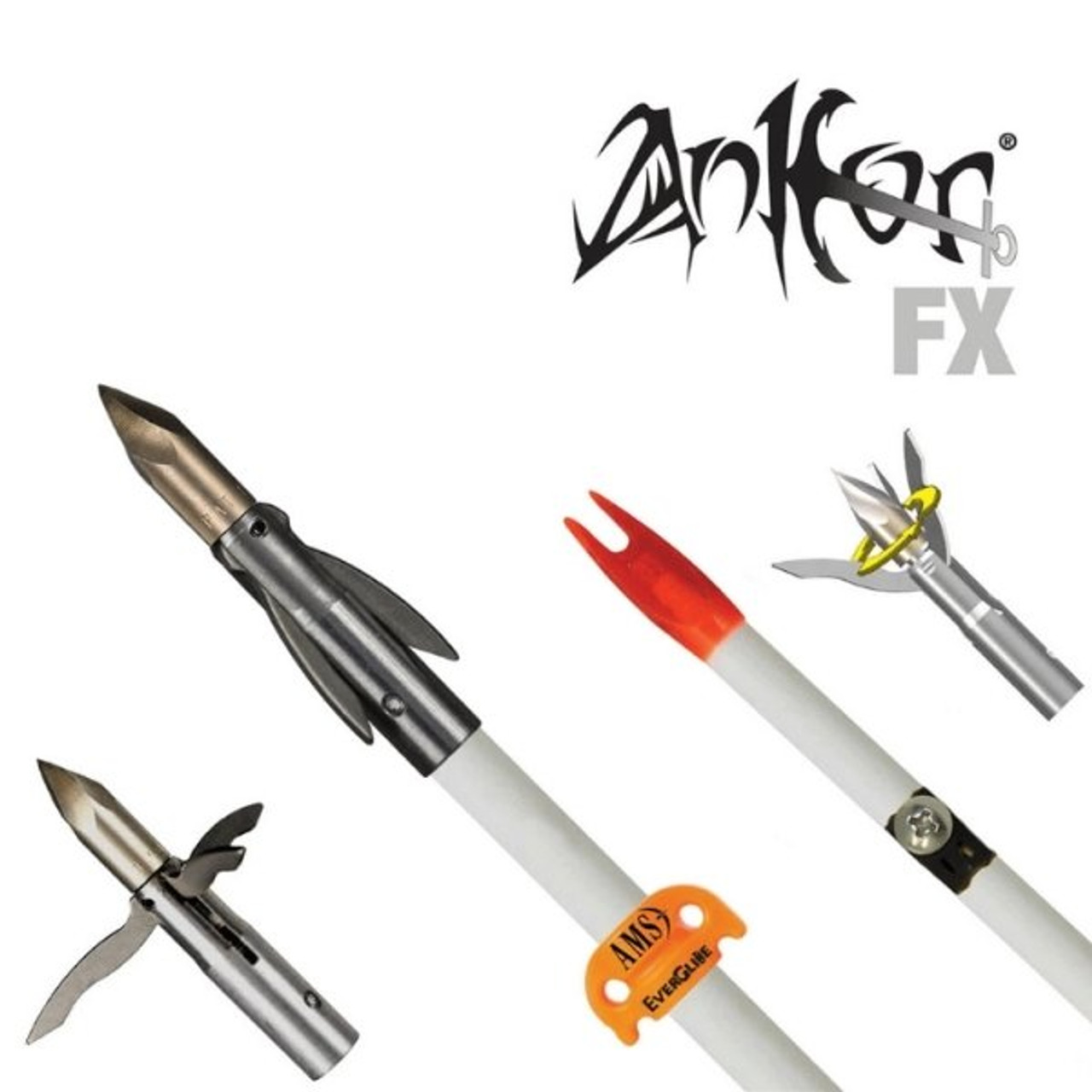
Choosing the right arrow material affects safety, performance, and cost. Fiberglass arrows are popular for beginners and casual archers. Comparing fiberglass with wood and carbon helps understand their strengths and weaknesses. This guide breaks down key differences to help you decide.
Wood Vs. Fiberglass
Wood arrows have a classic feel and natural look. They are lightweight but can break easily on impact or over time. Fiberglass arrows are stronger and more durable than wood. They resist warping in wet or humid conditions. Fiberglass is heavier, which may affect shooting speed and distance. Wood arrows offer a traditional experience but need careful handling. Fiberglass provides safety with less chance of splintering or bending.
Carbon Vs. Fiberglass
Carbon arrows are lighter and faster than fiberglass. They offer high precision and better flight stability. Fiberglass arrows are less expensive and more forgiving for beginners. Carbon can break suddenly and sharply, which may cause injuries if not handled properly. Fiberglass tends to bend before breaking, making it safer in some cases. Carbon is preferred by advanced archers for performance. Fiberglass suits those learning archery or practicing casually.
Expert Tips For Safe Use
Using fiberglass arrows safely is very important for every archer. Following expert tips helps prevent accidents and injuries. These tips focus on checking arrows, shooting correctly, and caring for your equipment. Simple steps make your practice safe and enjoyable.
Inspecting Arrows Before Use
Always check arrows before shooting. Look for cracks or bends in the fiberglass shaft. Make sure the fletching is secure and not damaged. Check the arrow tips for tightness and sharpness. Using damaged arrows can cause breaks and accidents.
Proper Shooting Techniques
Hold the bow firmly but not too tight. Stand with feet shoulder-width apart for balance. Aim carefully and release the string smoothly. Avoid dry firing, which means shooting without an arrow. It can damage the bow and cause injury.
Maintenance And Care
Store arrows in a cool, dry place to prevent warping. Clean arrows after use to remove dirt and moisture. Replace worn or damaged parts immediately. Regular care keeps arrows reliable and safe for every shot.
Safety Gear And Precautions
Using fiberglass arrows requires careful attention to safety gear and precautions. These arrows can be strong and fast, so protection is essential. Safety gear helps reduce injury risks during shooting. Following safety rules keeps everyone safe and makes archery more fun. Understanding the right equipment and safe environments is key.
Protective Equipment Recommendations
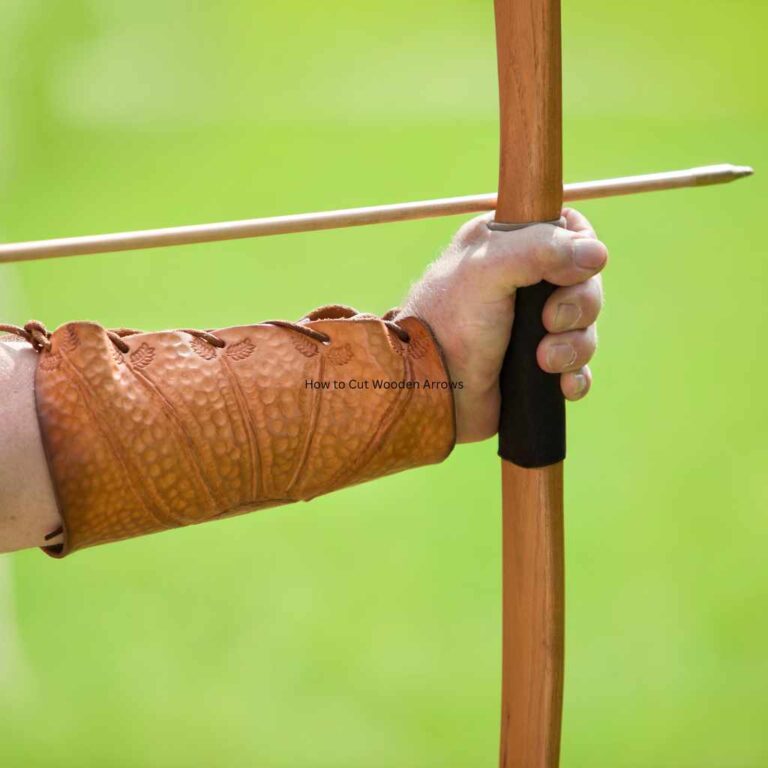
Wear an arm guard to protect your forearm from the bowstring. A finger tab or glove shields your fingers while drawing the string. Safety glasses prevent eye injuries from broken arrows or debris. Closed-toe shoes protect your feet from stray arrows. Use a quiver to hold arrows safely when walking or shooting.
Safe Shooting Environments
Choose a clear area free of people, pets, and obstacles. Use a proper backstop to catch missed arrows. Avoid shooting near roads, windows, or buildings. Set up targets at safe distances for your skill level. Always check your surroundings before shooting to prevent accidents.

Frequently Asked Questions
Are Fiberglass Arrows Safe For Beginners?
Yes, fiberglass arrows are safe for beginners. They are durable, flexible, and less likely to break on impact, reducing injury risks. Their consistent performance helps new archers learn proper shooting techniques confidently.
Can Fiberglass Arrows Cause Injuries?
Fiberglass arrows can cause injuries if misused or shot improperly. Always wear protective gear and follow safety guidelines to minimize risks. Proper handling and shooting practices ensure safer use of fiberglass arrows.
How Do Fiberglass Arrows Compare To Carbon Arrows?
Fiberglass arrows are heavier and less expensive than carbon arrows. They offer good durability but lack the speed and precision of carbon arrows. Fiberglass is ideal for beginners, while carbon suits advanced archers.
Are Fiberglass Arrows Suitable For Target Practice?
Yes, fiberglass arrows are excellent for target practice. Their durability withstands repeated impacts, making them cost-effective. They provide consistent flight paths, helping archers improve accuracy and shooting skills.
Conclusion
Fiberglass arrows offer good durability and consistent performance. They work well for beginners and casual archers. Always check arrows for cracks or damage before use. Proper care helps keep them safe and reliable. Use arrows that fit your bow and skill level.
Remember, safety gear and good practice protect you and others. Fiberglass arrows can be safe with careful handling and regular checks. Choose the right arrow to enjoy archery safely and confidently.