Best Archery Arm Guard: Top Picks for String-Slap Protection
The best archery arm guard offers a snug fit, durable material, and adjustable straps for reliable protection against string slap, ensuring a safe and more comfortable archery experience for beginners and experienced archers alike.
So, you’re getting into archery? That’s fantastic! Few things are as satisfying as drawing your bow and sending an arrow flying true. But as you learn, you might have noticed your bowstring sometimes “slaps” your arm. It stings, right? Don’t worry, it happens to almost everyone starting out. This is where a simple piece of gear becomes your best friend: the archery arm guard. It’s not just about preventing a little ouch; it’s about building confidence and allowing you to focus on your aim, not on potential discomfort. We’ll walk through exactly what makes a great arm guard and how to pick the perfect one for you.
Why is an Archery Arm Guard So Important?
Shooting a bow involves a dynamic sequence of movements. When you draw the bowstring back, it rests close to your arm. As you release the string, it moves forward with incredible speed. If your arm isn’t positioned correctly or if there’s a slight miscalculation in your release, the string can make contact with your forearm. This phenomenon is commonly known as “string slap,” and it can be quite painful. An arm guard acts as a protective barrier between your skin and the fast-moving bowstring.
Beyond preventing bruising and stinging, an arm guard serves several crucial roles for archers of all levels:
- Injury Prevention: The most obvious benefit is guarding against the sharp sting or even potential injury from string slap. Repeated impacts can lead to significant bruising.
- Confidence Building: Knowing you’re protected allows you to focus more on your shot execution, grip, and aiming, rather than worrying about potential pain. This confidence is vital for learning and improvement.
- Consistency: A good arm guard can help maintain a consistent arm position by providing a physical reminder of where your arm should or shouldn’t be.
- Comfort: Even without a direct string slap, the pressure of the bowstring during the draw can be uncomfortable. An arm guard distributes this pressure more evenly.
- Protecting Your Clothing: In some cases, especially with heavier draw weight bows, the string could potentially snag or damage your clothing. An arm guard adds a layer of protection here too.
Think of it like wearing a seatbelt in a car. You hope you never need it for a major incident, but it’s an essential safety feature that provides peace of mind and protection when you do. The arm guard is that essential safety gear for your shooting arm.

Types of Archery Arm Guards
Just like there are different types of bows and shooting styles, there are various arm guards designed to meet specific needs. Understanding these differences can help you make the best choice for your archery journey. Most arm guards fall into a few broad categories based on their material and design.
Leather Arm Guards
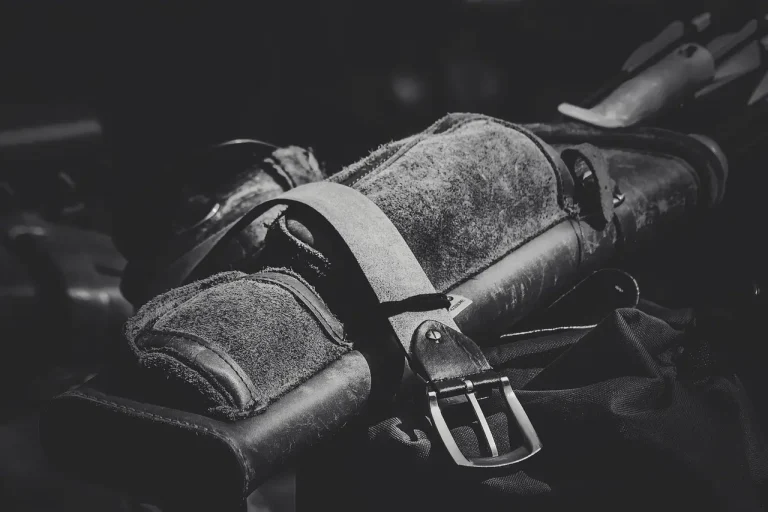
Leather is a classic and popular choice for archery arm guards. It offers a great balance of durability, flexibility, and protection. Genuine leather is tough and can withstand the impact of a bowstring for a long time. It also tends to mold to your arm over time, offering a more personalized and comfortable fit.
- Pros:
- Durable and long-lasting.
- Flexible and comfortable, often becoming more so with use.
- Aesthetically classic and appealing to many archers.
- Provides good protection against string slap.
- Cons:
- Can be heavier than synthetic materials.
- May require occasional conditioning to maintain suppleness.
- Can be more expensive than basic plastic guards.
- May absorb moisture, though some treated leathers resist this.
Leather arm guards are often available as full-gore designs (covering a larger portion of the forearm) or simpler strap-on styles.
Synthetic and Plastic Arm Guards
These guards are typically made from materials like nylon, neoprene, or various plastics. They are often lighter, more affordable, and easier to clean than leather. Many modern, beginner-friendly arm guards fall into this category due to their practicality and cost-effectiveness.
- Pros:
- Lightweight and often very breathable.
- Generally more affordable.
- Easy to clean and maintain.
- Water-resistant or quick-drying properties.
- Available in a wide range of colors and designs.
- Cons:
- May not be as durable as high-quality leather over the very long term.
- Can sometimes feel less “premium” or stylish, depending on the design.
- Some cheaper plastics might feel stiff.
Synthetic guards are excellent for casual shooters, youth archers, or anyone looking for a practical, no-fuss option. They often feature simple buckle or Velcro closures.
Composite and Other Materials
You might also find arm guards made from advanced composite materials, carbon fiber, or even modern, high-strength plastics designed for maximum protection and minimal weight. These are often geared towards competitive or high-performance archers, but their principles of robust protection are universally beneficial.
Length and Coverage
Arm guards come in different lengths. A shorter guard typically covers the area from just below the elbow crease down to about mid-forearm. Longer guards, sometimes called “full arm guards” or “archer’s sleeves,” might extend almost to the wrist or even cover the bicep area. For most beginners, a standard mid-forearm guard is sufficient and comfortable.
How to Choose the Best Archery Arm Guard for You
Selecting the “best” arm guard is really about finding the one that best suits your needs, comfort, and shooting style. There’s no single perfect guard for everyone, but by considering a few key factors, you can make an informed decision.
Comfort is King
This is the most important factor. If your arm guard is uncomfortable, you won’t wear it, and then it offers no protection. When trying on an arm guard, it should feel snug but not constricting. You should be able to move your arm freely without it sliding down or digging into your skin.
Fit and Adjustability
Most arm guards use straps to secure them. Look for guards with adjustable straps (velcro, buckles, or elastic) that allow you to fine-tune the fit. This is especially important because arm sizes vary, and you might wear different clothing layers depending on the weather.
- Adjustable Straps: Ensure the straps allow for about an inch or two of adjustment to get that perfect, secure feel.
- No Bunching: The material shouldn’t bunch up or create awkward pressure points.
- Secure Fit: It needs to stay in place during your draw and release.
Material and Durability
As discussed, leather offers classic durability, while synthetics provide lightness and ease of care. Consider how you’ll be using your arm guard:
- Casual Shooting/Beginners: A synthetic guard is often an excellent, practical choice.
- Frequent/Intense Shooting: High-quality leather or a robust synthetic might offer better long-term durability.
- Weather Conditions: If you often shoot in damp conditions, a synthetic material that handles moisture well is preferable.
Size and Coverage Needs
For most beginners, a standard adult-sized arm guard that covers the forearm from just below the elbow crease to about the midpoint of the forearm is ideal. This area is most vulnerable to string slap. If you have a particularly long or short forearm, or if you’re using a very high draw weight bow that might have a wider string path, you might consider a slightly longer guard.
A good rule of thumb is to measure your forearm. A standard guard is typically between 6 to 8 inches long. If your forearm is significantly longer than that, you might benefit from a guard with more extended coverage.
Ease of Use
How easy is it to put on and take off? Simple Velcro straps are very quick and easy for getting ready to shoot. Buckles can be a bit more secure but take slightly longer. For frequent use, especially if you’re a beginner, simplicity is often best.
Budget
Archery arm guards can range from under $10 for basic plastic models to $50 or more for premium leather or specialized designs. For a beginner, a solid, well-fitting guard in the $15-$30 range is usually plenty. You can always upgrade later if your needs change.
How to Properly Wear an Archery Arm Guard
Wearing an arm guard correctly ensures it provides maximum protection and comfort. It’s a simple process, but a few tips can make all the difference.
Identify Your Shooting Arm
This might sound obvious, but it’s crucial. If you shoot right-handed, you’ll wear the arm guard on your left arm (the bow arm). If you shoot left-handed, you’ll wear it on your right arm.
Positioning on the Arm
The arm guard should be worn on your forearm, the part of your arm between your elbow and your wrist.
- Placement: Position the arm guard so its top edge is just below the bend of your elbow. The bottom edge should extend down your forearm, typically covering the area most likely to come into contact with the bowstring.
- Coverage Area: The guard is designed to protect the inner side of your forearm, the side closest to the bowstring.
Securing the Straps
Once positioned, strap the guard snugly onto your arm. The goal is a secure fit that won’t slip during your shot, but it shouldn’t be so tight that it cuts off circulation or restricts movement.
- Adjustability: Use the adjustable straps (Velcro, buckles, etc.) to tighten the guard.
- Snug, Not Tight: You should be able to slide a finger between the guard and your arm, but it shouldn’t move easily on its own.
- Check for Looseness: Before drawing the bow, give the guard a gentle pull to ensure it’s secure.
Making Sure It Stays Put
A guard that shifts or loosens during the draw is ineffective. After securing it, do a practice draw (without an arrow) to check its position. If it feels like it moved or is uncomfortable, adjust the straps and try again. Some materials, like certain leathers, may stretch slightly after use, so you might need to re-tighten them after the first few shooting sessions.
For archers using a full sleeve-style guard, ensure it’s pulled up fully and that the upper portion is comfortable and doesn’t interfere with your drawing motion or your release.
Top-Rated Archery Arm Guards for Beginners and Beyond
While trying on an arm guard in person is always best, here are a few highly-regarded options that often get good reviews for their comfort, durability, and value. These examples represent different styles and price points, giving you an idea of what’s out there.
| Arm Guard Type | Material | Key Features | Ideal For | Average Price Range |
|---|---|---|---|---|
| Adjustable Arm Guard | Synthetic (Neoprene/Nylon) | Lightweight, Velcro straps, breathable fabric, often available in various colors. | Beginners, casual shooters, youth, hot weather. | $10 – $25 |
| Classic Leather Arm Guard | Genuine Leather | Durable, molds to arm, traditional look, adjustable straps (buckle or tie). | Traditional archery, those preferring natural materials, moderate to heavy use. | $20 – $45 |
| Full Arm Guard / Sleeve | Neoprene or blend | Extended coverage (may go up the bicep), slip-on design or adjustable straps, offers maximum protection. | Archers prone to string slap, larger draw weights, those wanting extra security. | $15 – $35 |
| Youth Arm Guard | PU Leather or Synthetic | Smaller size, often brightly colored, simple adjustable straps. | Young archers, smaller forearms. | $8 – $20 |
When looking for these specific types, search terms like “beginner archery arm guard,” “adjustable archery protector,” or “leather arm guard for recurve bow” can help narrow your search. Always check customer reviews for insights into fit and durability.

Top Archery Arm Guard Picks
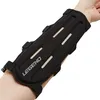
LEGEND XT Archery Arm Guard (EVA Forearm Protector)
A durable EVA-foam forearm guard from an established archery brand, built to reliably stop string slap.
- Best for: Archers who want a proven, purpose-built archery brand over a generic option
- Why we picked it: EVA foam absorbs string impact well and holds its shape longer than thin fabric guards
- Main drawback: Sized S/M/L, so check your forearm measurement before buying
Compare more options
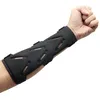 Option 1 lenpestia Adjustable Archery Arm Guard (9″)
| 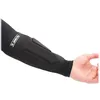 Option 2 Archery Arm Guard Bowstring Hit Prevention Bracer
| 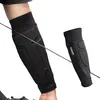 Option 3 Cooling Sleeve-Style Archery Arm Guard (Full Coverage)
|
As an Amazon Associate we earn from qualifying purchases.
Maintaining Your Archery Arm Guard
Taking care of your arm guard will ensure it lasts longer and continues to provide reliable protection. The maintenance required largely depends on the material.
Cleaning Synthetic Guards
Synthetic guards (nylon, neoprene, plastic) are usually the easiest to maintain.
- Wipe Down: After each shooting session, especially if you were in dusty or wet conditions, wipe down your guard with a damp cloth to remove dirt and sweat.
- Occasional Wash: If it gets particularly dirty, you can often hand wash it with mild soap and water. Rinse thoroughly and let it air dry completely.
- Avoid Harsh Chemicals: Do not use harsh solvents or abrasive cleaners, as they can damage the material.
Caring for Leather Guards
Leather requires a bit more specialized care to keep it supple and durable.
- Wipe Away Dirt: After use, wipe off any dust or dirt with a soft, dry or slightly damp cloth.
- Conditioning: Periodically (every few months, depending on use and climate), apply a leather conditioner or balm. This replenishes natural oils, preventing the leather from drying out, cracking, or becoming stiff. Use a conditioner specifically made for leather goods.
- Drying Wet Leather: If your leather guard gets wet, don’t dry it with direct heat (like a radiator or hair dryer), as this can cause it to stiffen and crack. Instead, let it air dry naturally at room temperature. Once dry, you may need to recondition it.
- Storage: Store your leather guard in a cool, dry place away from direct sunlight, which can fade and dry out the leather.
Strap Maintenance
Regardless of the guard material, check the straps regularly. Ensure Velcro is clean and still has good adhesion. If you have buckle straps, make sure they are not bent or damaged. Many straps are replaceable if they become worn out.
Proper care ensures your arm guard remains a comfortable and effective piece of safety equipment for years to come. For more detailed care instructions specific to materials, consult resources like the National Park Service’s guidance on preserving leather or manufacturer recommendations.
Frequently Asked Questions About Archery Arm Guards
Do I really need an arm guard if I’m just starting?
Yes, absolutely! Beginners are often the ones most susceptible to “string slap” because their form and release are still developing. An arm guard provides essential protection and builds confidence, making your learning experience much more enjoyable and safer.