How Carbon Fiber Arrows Are Made: Step-by-Step Process
Carbon fiber arrows are made through a precise process: wrapping resin-impregnated carbon fibers around a mandrel, applying tape, curing in an oven, removing the mandrel, cutting to length, grinding for smoothness, and testing for quality. This creates durable, lightweight arrows for better accuracy and fun in archery.

MS Jumpper
MS Jumpper Archery Carbon Arrows, High Percentage…
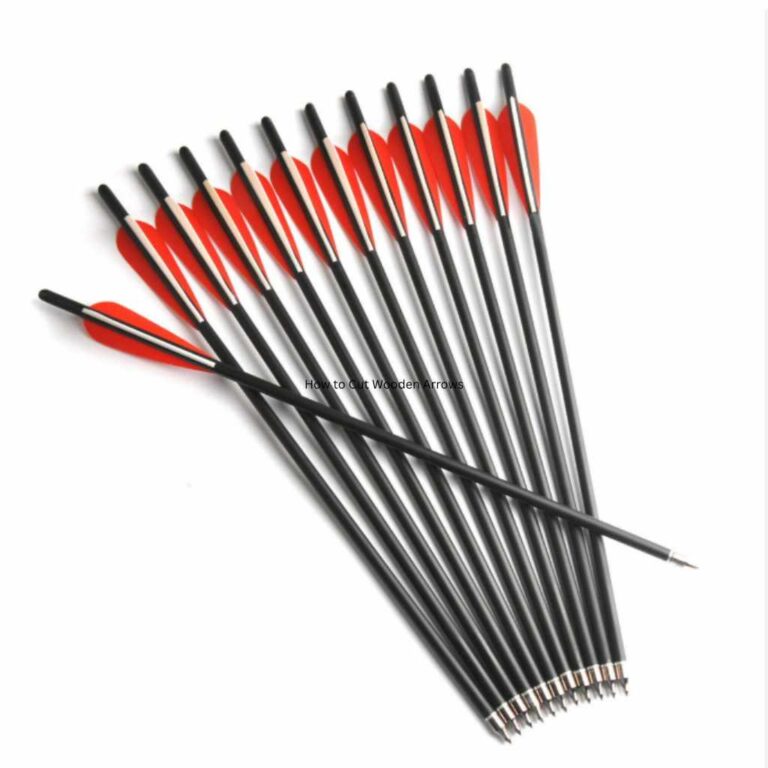
- Hunting and targeting practice carbon arrows for traditional bow,compound bow recurve bow and longbow.
- Length:28-31",Shaft diameter:7.4mm .Fletching with 2 Black 1 Red 4'' peltate shape real feathers.
- Spine:400,For draw weight of up to 65 pounds bows
As an Amazon Associate I earn from qualifying purchases.
Have you ever picked up a carbon fiber arrow and wondered how something so light and strong gets made? It’s a question many beginners ask when they start archery. The process might seem high-tech, but it’s built on simple steps that ensure every arrow flies true.
Don’t worry if manufacturing sounds complicated. As your friendly archery guide, I’ll break it down into easy parts. You’ll see how these arrows come together safely and reliably.
Stick with me, and by the end, you’ll appreciate your arrows even more. Next, let’s look at what carbon fiber is and why it’s great for arrows.
What Is Carbon Fiber?
Carbon fiber is a super-strong material made from thin strands of carbon. These strands are woven together and mixed with a special glue called resin. When heated, it hardens into a tough, lightweight form.
In archery, carbon fiber shines because it’s lighter than wood or aluminum but still very sturdy. This means your arrows can fly faster and straighter without bending or breaking easily.
Think of it like a spider’s web – tiny threads that are incredibly strong. That’s the magic of carbon fiber. It’s used in planes, cars, and now your bow setup.
For more on how carbon composites work, check out this resource from a leading industry site: CompositesWorld.
Why Choose Carbon Fiber Arrows?
Carbon fiber arrows are popular for good reasons. They’re light, which helps with speed and distance. This makes them perfect for beginners who want easy handling.
They also hold up well against impacts. Unlike wood arrows that can splinter, carbon ones stay intact longer. That means fewer replacements and more time shooting.
Plus, they have consistent “spine,” which is how much the arrow bends. Consistent spine leads to better accuracy, building your confidence with each shot.
Many pros use them, but they’re great for hobbyists too. They make archery more enjoyable without the frustration of wobbly flights.
Here’s a quick comparison to help you see the differences:
| Arrow Type | Weight | Durability | Cost | Best For |
|---|---|---|---|---|
| Carbon Fiber | Light | High | Medium | Accuracy and speed |
| Aluminum | Medium | Medium | Low | Beginners on a budget |
| Wood | Heavy | Low | Low | Traditional archery |
As you can see, carbon fiber strikes a nice balance. It’s why I recommend them for most new archers.
Materials Needed for Making Carbon Fiber Arrows
Creating these arrows starts with the right stuff. The main material is carbon fiber prepreg. That’s carbon sheets already soaked in resin, ready to use.
You’ll also need a mandrel – a steel rod that shapes the arrow tube. It’s coated with a release agent so the arrow slides off easily later.
Other items include shrink tape to hold everything tight, and tools for cutting and grinding. For the final touches, inserts, nocks, and fletchings are added.
Quality matters here. Top brands use fibers from places like Japan or the US for better strength. Let’s list them out clearly:
- Carbon fiber prepreg sheets (3K to 24K fibers)
- Epoxy resin for binding
- Steel mandrel with release agent
- Cellophane or shrink tape
- Abrasive cutters and grinders
- Inserts, nocks, points, and vanes
These materials ensure the arrows are safe and perform well. Always prioritize high-quality sources to avoid weak spots.
The Step-by-Step Process of Making Carbon Fiber Arrows
Now, the fun part – how they’re actually made. Most arrows use a method called roll-wrapping. Some companies, like Easton, use an advanced pultrusion process for even better consistency. I’ll focus on the common roll-wrapping steps, as it’s straightforward and widely used.
This process happens in factories with precise machines, but I’ll explain it simply. Safety is key – workers wear gloves and masks to handle resins.
Step 1: Preparing the Mandrel
First, a steel mandrel is cleaned and coated with a release agent. This prevents sticking. The mandrel’s size sets the arrow’s inner diameter, usually 2-10 mm.
It’s like prepping a baking tin with oil so the cake comes out easily. Precision here ensures straight arrows.
Mandrels are machined to tight tolerances, often ±0.001 inches. This step sets the foundation for quality.
Step 2: Cutting and Configuring Carbon Fiber Sheets
Next, carbon fiber prepreg is cut into patterns. These sheets are laid out at angles like 0°, 45°, or 90° for strength in all directions.
0° gives length-wise stiffness, while 45° adds twist resistance. It’s like layering plywood for durability.
Auto-cutting machines make this quick and accurate. Technicians choose patterns based on the arrow’s spine needs.
This layering is crucial for balanced arrows that don’t wobble in flight.
Step 3: Wrapping the Fibers Around the Mandrel
The cut sheets are rolled onto the mandrel by hand or machine. It’s wrapped tightly to form the tube shape.
Multiple layers build thickness, about 0.3-2 mm. This creates the hollow shaft.
In pultrusion, fibers are pulled through a resin bath and die instead. But for wrapping, it’s all about even pressure.
Workers check for bubbles or overlaps, which could weaken the arrow. Patience here pays off in performance.
Step 4: Applying Shrink Tape
Once wrapped, shrink tape is wound around the mandrel. This compresses the fibers for a smooth, uniform tube.
The tape shrinks when heated, squeezing out extra resin. It’s like vacuum-packing food to keep it fresh.
This step ensures no air pockets, making the arrow strong and consistent.
Step 5: Curing in the Oven
The wrapped mandrel goes into an oven for curing. Heat (120-180°C) hardens the resin, bonding the fibers.
It takes 30 minutes to 2 hours, with slow heating and cooling to avoid cracks. Think baking bread – right temperature is key.
Curing locks in the arrow’s shape and strength. Factories control this precisely for quality.
Step 6: Removing the Tape and Mandrel
After cooling, the tape is peeled off. Then, the mandrel is pulled out using a press.
This leaves a raw carbon tube, about 1.5-2 meters long. It’s inspected for defects.
Careful removal prevents damage. Now, the basic shaft is ready for finishing.
Step 7: Cutting to Length
The long tube is cut into arrow lengths, usually 500-900 mm. Diamond saws ensure clean cuts.
Each piece is deburred to smooth edges. This step customizes for different bows.
Accuracy here matters – even lengths help with balance.
Step 8: Grinding and Smoothing
Shafts are ground using centerless machines for smooth surfaces and exact specs.
This adjusts spine, weight, and diameter. Skilled workers fine-tune for tolerances like ±1 grain.
It’s like sanding wood for a perfect finish. Smooth arrows fly better and feel great.
Step 9: Quality Control and Testing
Every shaft is tested for straightness, spine, weight, and strength. Lasers and bends check specs.
Only the best pass – straightness under 0.001 inches, for example. Rejects are rare with good processes.
This ensures safety and reliability. No weak arrows make it to you.
Step 10: Finishing and Assembly
Finally, shafts get coatings, logos, and components. Inserts for points, nocks for strings, and fletchings for stability.
Printing uses silk screens or transfers. A final check, and they’re packed.
Now, they’re ready for your quiver. Easton’s process, for instance, skips some sorting thanks to their tech.
Advanced Methods: Pultrusion in Arrow Making
Some makers use pultrusion for top consistency. Fibers are pulled through resin and a die, curing continuously.
This creates seamless shafts with uniform spine. Easton’s Acu-Carbon is a great example, made in the USA.
It’s automated, reducing variations. For beginners, it means arrows that group tightly every time.
While roll-wrapping is common, pultrusion is gaining ground for precision archery.
Tools and Equipment in the Factory
Factories use high-tech gear. CNC wrappers for precision, ovens for curing, and testers for quality.
Here’s a table of key tools:
| Tool | Purpose | Why Important |
|---|---|---|
| Mandrel Wrapper | Rolls fibers | Even layering |
| Curing Oven | Hardens resin | Strength building |
| Centerless Grinder | Smooths shafts | Accurate specs |
| Laser Tester | Checks straightness | Quality assurance |
| Cutting Saw | Cuts lengths | Customization |
These tools make production safe and efficient. They help create arrows you can trust.
Common Mistakes in Manufacturing and How to Avoid Them
Even pros watch for errors. Uneven wrapping can cause weak spots – avoid by training workers well.
Overheating during curing warps shafts. Use controlled temps to prevent this.
Poor material quality leads to breaks. Stick to trusted suppliers like Toray or Mitsubishi.
Testing catches most issues. As a user, inspect your arrows before shooting for safety.
Safety Tips for Using Carbon Fiber Arrows
While making them is factory work, using them safely is up to you. Always check for cracks – carbon can splinter if damaged.
Use the right spine for your bow to avoid breaks. Wear eye protection at the range.
Store arrows flat to keep them straight. These tips keep archery fun and injury-free.
FAQ
What is carbon fiber made of?
Carbon fiber is thin strands of carbon woven into sheets and bound with resin. It’s strong yet light, ideal for arrows.
Why are carbon fiber arrows better than aluminum?
They’re lighter and more durable, offering better speed and less bending. Perfect for accurate shots.
Can I make carbon fiber arrows at home?
It’s possible but tricky and unsafe without proper gear. Best to buy from reputable makers for quality.
How long does the manufacturing process take?
From start to finish, a batch takes hours, including curing. Factories produce thousands daily.
What does “spine” mean in arrows?
Spine is how much the arrow flexes. Consistent spine ensures straight flight.
Are carbon arrows recyclable?
Parts can be, but it’s complex. Check local programs for eco-friendly disposal.
How do I choose the right carbon arrow for my bow?
Match the spine to your bow’s draw weight. Consult charts or a pro shop for help.
There you have it – the full scoop on how carbon fiber arrows come to life. It’s amazing how simple steps create such reliable gear. Whether you’re just starting or honing your skills, these arrows can make your shots more enjoyable.
Remember, practice safely and have fun. Grab your bow, head to the range, and see the difference quality arrows make. Keep shooting straight!
Related pick: Check today's price on Amazon