Are Fiberglass Arrows Safe to Shoot Compound Bow? Expert Insights
Are you wondering if fiberglass arrows are safe to shoot with your compound bow? Choosing the right arrows can make a big difference in your shooting experience.
Using the wrong type might not only affect your accuracy but could also put your safety at risk. You’ll discover the facts about fiberglass arrows and whether they are a smart choice for your compound bow. Keep reading to find out what you need to know before your next shot.
Fiberglass Arrows And Compound Bows
Fiberglass arrows and compound bows are two common elements in archery. Understanding their interaction helps ensure safe and effective shooting. Fiberglass arrows are often used for beginners because of their durability and cost. Compound bows, on the other hand, use a system of pulleys and cables to increase power and accuracy.
Using fiberglass arrows with a compound bow raises questions about safety and performance. It is important to know the properties of fiberglass arrows and how compound bows function. This knowledge aids in choosing the right arrow for your bow and shooting style.
Material Properties Of Fiberglass Arrows
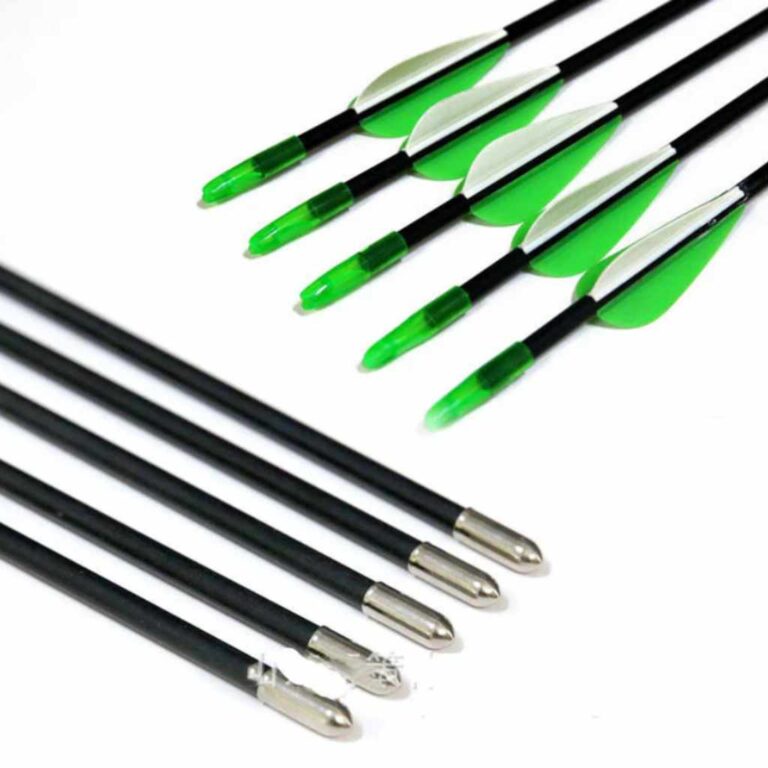
Fiberglass arrows are made from glass fibers woven into a plastic resin. This makes them strong and flexible. They resist bending and breaking easily, which is good for beginners. Fiberglass arrows are heavier than carbon or aluminum arrows. This weight affects the arrow’s speed and flight path. The shaft of a fiberglass arrow is usually thicker and less aerodynamic. This can reduce accuracy with more powerful bows. Fiberglass does not handle high energy well. It can splinter or break if shot from a very strong bow.
How Compound Bows Work
Compound bows use a system of pulleys and cables. This system helps store more energy in the bowstring. The energy is released when the string is let go, propelling the arrow forward. Compound bows are more powerful than traditional bows. They require arrows that can handle high speed and force. The draw weight of compound bows can be very high. This means the arrow must be strong and flexible to avoid damage. Using arrows that are too weak for a compound bow can cause accidents. The arrow can break or fly unpredictably, risking injury.
Safety Factors With Fiberglass Arrows
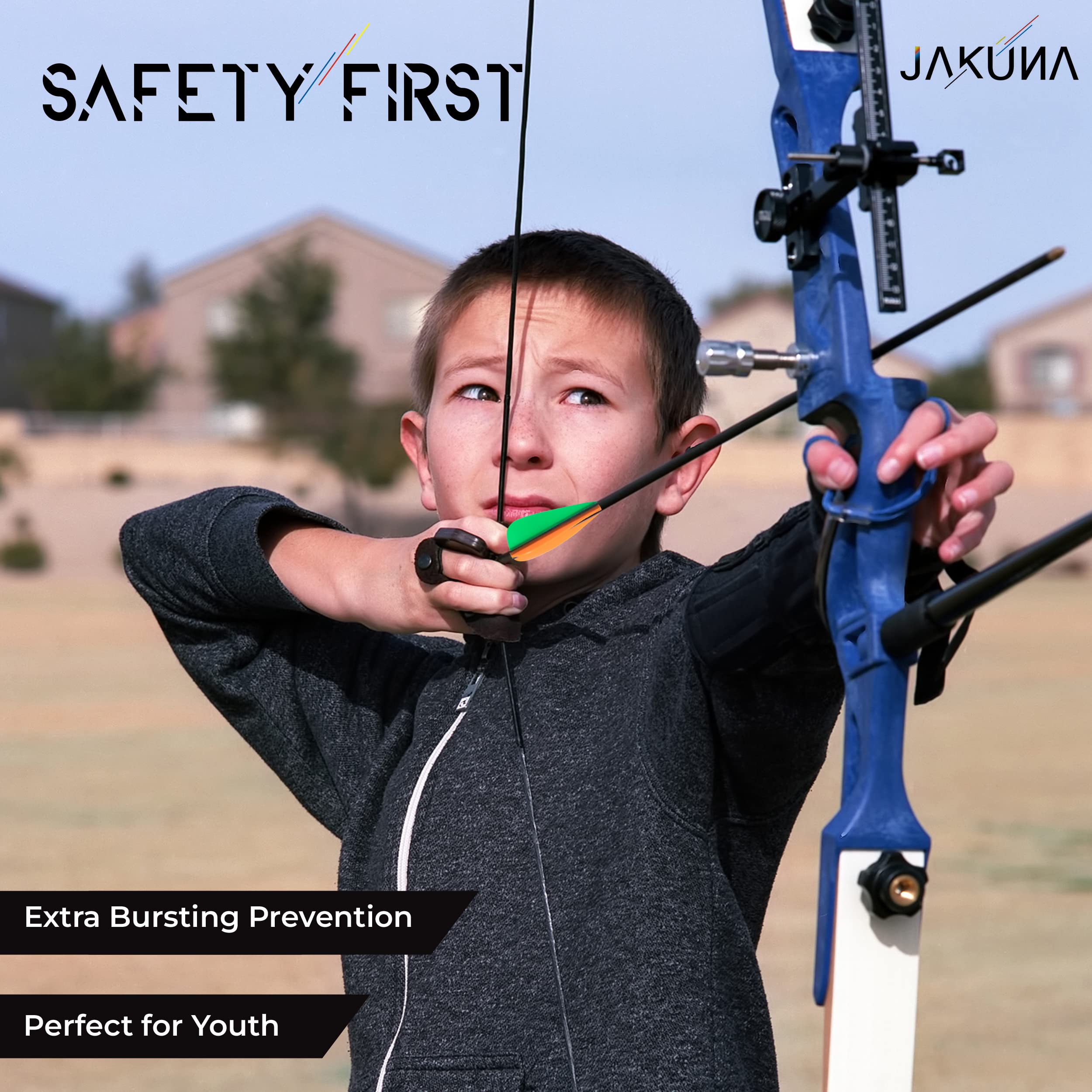
Safety is important when using fiberglass arrows with a compound bow. Understanding how these arrows behave helps avoid accidents. Fiberglass arrows have unique features that affect their safety. Knowing these features lets archers shoot more confidently and carefully.
Durability And Flexibility
Fiberglass arrows are strong and can handle impact well. They bend slightly instead of breaking easily. This flexibility reduces the chance of sudden breaks. Strong arrows last longer and stay safe during use. Their durability means fewer arrow failures in the field or range. Still, avoid using damaged arrows. Cracks or splinters can cause breaks and injury.
Potential Risks And Hazards
Fiberglass arrows can splinter on hard surfaces. Splinters may cause cuts or eye injuries. Never shoot at hard objects like rocks or metal. Old or worn arrows may break unexpectedly. Broken arrows can cause serious harm. Always inspect arrows before shooting. Replace any arrow with visible damage. Use proper safety gear like arm guards and safety glasses. Shoot in a safe area to protect others.
Performance Comparison
Performance is a key factor when choosing arrows for a compound bow. Different arrow materials affect how well you shoot. Fiberglass and carbon are popular choices. Each has unique strengths and weaknesses. Understanding these differences helps you pick the best arrow for your needs.
Fiberglass Vs Carbon Arrows
Fiberglass arrows are heavier and thicker. They are less expensive and more durable for beginners. Carbon arrows are lighter and thinner. They resist bending and break less often. Carbon arrows cost more but offer better performance. Fiberglass arrows can handle rough use but lack precision. Carbon arrows suit serious shooters aiming for accuracy.
Impact On Accuracy And Speed
Accuracy depends on arrow weight and stiffness. Carbon arrows fly faster due to their light weight. Faster speed means a flatter trajectory and tighter groups. Fiberglass arrows fly slower and drop more over distance. This can make aiming harder. Carbon arrows also resist wind better, improving shot consistency. Fiberglass arrows may cause less noise on impact but sacrifice precision.
Expert Opinions On Using Fiberglass
Experts give mixed opinions on using fiberglass arrows with compound bows. Safety and performance depend on several factors. It is important to consider the strength and flexibility of the arrows. Expert advice helps archers choose the right type for their bow.
Professional Archer Insights
Many professional archers avoid fiberglass arrows for compound bows. Fiberglass arrows are heavier and less flexible than carbon or aluminum. This can cause poor flight and damage to the bow. Some archers say fiberglass arrows are okay for beginners. They suggest using them only with low-poundage compound bows. Experienced archers prefer arrows made for modern compound bows for better accuracy and safety.
Manufacturer Recommendations
Most bow manufacturers do not recommend fiberglass arrows for compound bows. They warn that fiberglass may break easily under high tension. This breakage can cause injury or damage to the bow. Manufacturers suggest using carbon or aluminum arrows. These materials handle the power of compound bows better. Always check your bow’s manual for approved arrow types. Following these guidelines ensures safe and reliable shooting.
Maintenance And Handling Tips
Proper care and handling of fiberglass arrows ensure safety and performance. Neglecting maintenance can lead to accidents or poor shooting results. Regular checks and correct storage keep arrows reliable and long-lasting.
Inspecting Arrows For Damage
Check fiberglass arrows before every use. Look for cracks, bends, or splinters along the shaft. Damaged arrows may break during shooting, causing injury. Also, inspect the fletching and nocks for wear or looseness. Replace any parts that look weak or broken. Never shoot arrows with visible damage.
Proper Storage And Care
Store arrows in a dry, cool place away from sunlight. Excess heat or moisture can weaken fiberglass material. Use a quiver or arrow case to keep arrows straight and protected. Avoid stacking heavy items on arrows to prevent warping. Handle arrows gently to maintain their shape and strength.
When To Choose Fiberglass Arrows
Choosing the right arrow type affects your shooting experience. Fiberglass arrows suit specific needs and situations. Knowing when to pick fiberglass arrows helps archers make smart choices.
Fiberglass arrows offer durability and affordability. They work well for certain users and uses. Understanding these points guides you to safe and effective shooting.
Beginners And Practice Use
Beginners benefit from fiberglass arrows due to their strength. These arrows resist bending and breaking easily. They handle rough treatment during practice well.
Practice sessions often involve many shots. Fiberglass arrows keep costs low for frequent shooting. They allow beginners to focus on skill, not gear damage.
Using fiberglass arrows in practice builds confidence. They provide consistent flight for learning proper form. Safety remains high as these arrows endure mistakes.
Budget Considerations
Fiberglass arrows cost less than carbon or aluminum options. This makes them ideal for shooters with tight budgets. You get decent performance without high expenses.
Replacing arrows can be frequent for some archers. Fiberglass arrows reduce overall costs over time. They balance quality and price effectively.
Choosing fiberglass arrows helps manage gear expenses wisely. It allows archers to invest more in other bow parts. This approach supports long-term archery enjoyment.
Frequently Asked Questions
Are Fiberglass Arrows Safe For Compound Bow Shooting?
Yes, fiberglass arrows are generally safe for compound bow use. However, they are less durable and less accurate than carbon arrows. Always inspect arrows for cracks before shooting. Using proper draw weight and bow tuning improves safety and performance.
How Do Fiberglass Arrows Compare To Carbon Arrows?
Fiberglass arrows are heavier and less accurate than carbon arrows. They are also more prone to splintering on impact. Carbon arrows offer better speed, durability, and precision, making them more suitable for compound bows and serious archers.
Can Fiberglass Arrows Damage A Compound Bow?
Fiberglass arrows themselves do not damage compound bows. However, using arrows that are too heavy or too light can affect bow performance. Always match arrow spine and weight to your bow’s specifications to prevent wear or damage.
Are Fiberglass Arrows Suitable For Beginners?
Yes, fiberglass arrows are suitable for beginners due to their affordability and durability. They provide a good learning experience but may not offer the precision needed for advanced shooting. Beginners should practice proper handling to avoid arrow damage.
Conclusion
Fiberglass arrows can be safe for compound bows if chosen carefully. Always check the arrow’s spine and weight to match your bow’s power. Use good quality arrows and inspect them before each shot. Avoid damaged or old fiberglass arrows to prevent accidents.
Proper shooting form and regular maintenance keep you safe too. Safety matters most in archery. Choose arrows wisely and enjoy your shooting experience.