Are Fiberglass Arrows Safer Than Carbon? Expert Safety Insights
When it comes to choosing arrows, safety is probably at the top of your list. You might be wondering: Are fiberglass arrows safer than carbon ones?
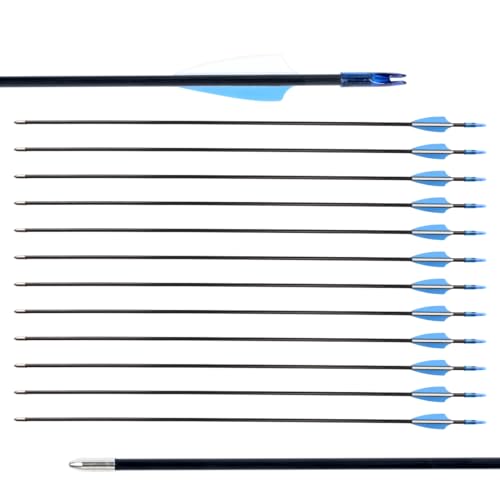
LWANO
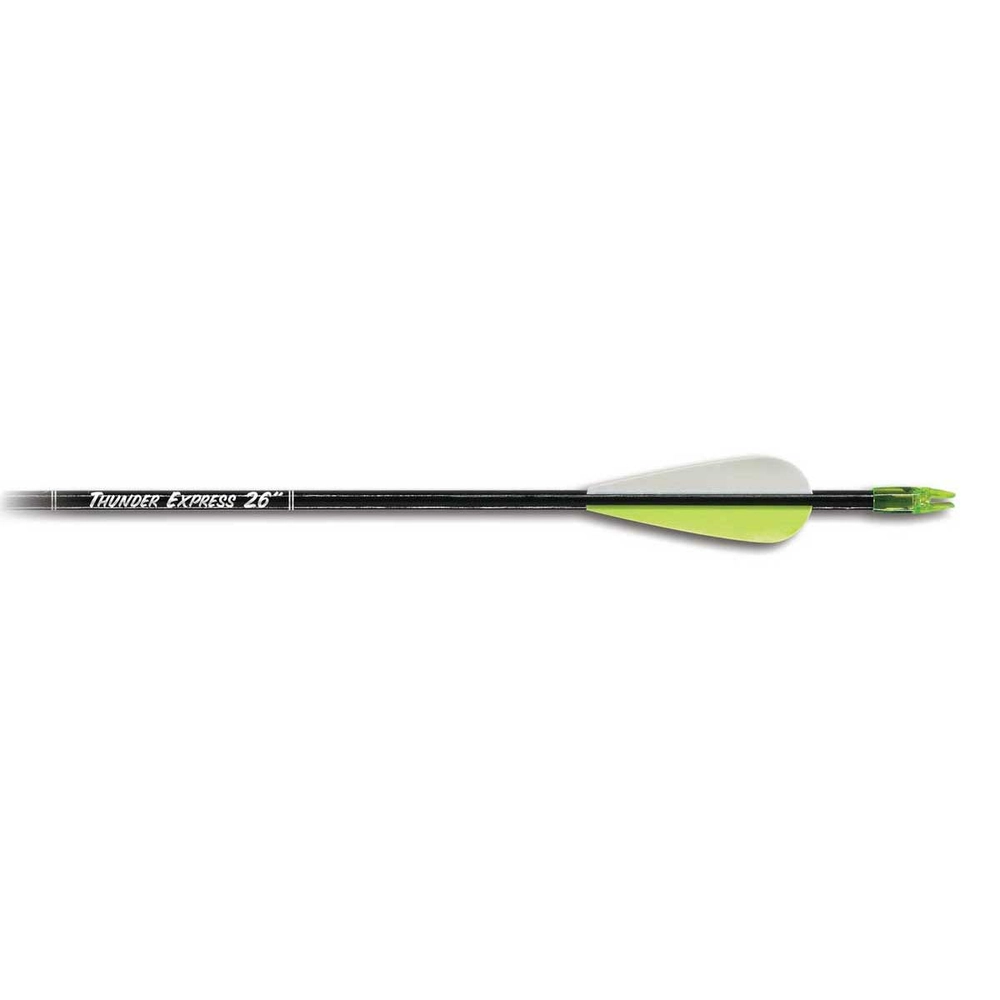
28" Fiberglass Arrows, Archery Practice Target Arrows…
- Safety Design: The archery arrow tips are blunt round and outsourced (less prone to bursting during archery), which will be more s…
- Durable Construction: The arrow shaft is made of durable fiberglass and the tip is stainless steel, which will extend the durabili…
- Accurate Flight Path: These practice arrows use high straight safety fiberglass, with 2.95 inch vanes, can keep a good balance and…
As an Amazon Associate I earn from qualifying purchases.
This question matters because the right arrow can protect you from injury and improve your shooting experience. You’ll discover the key differences between fiberglass and carbon arrows, and why one might be a better, safer choice for you. Keep reading to find out what you need to know before making your next purchase.
Fiberglass Arrows Basics
Fiberglass arrows have been a common choice for archers for many years. They offer a reliable and affordable option for beginners and casual shooters. Understanding the basics of fiberglass arrows helps in comparing their safety and performance to carbon arrows.
These arrows are made from glass fibers woven together and coated with resin. This construction gives them unique characteristics that affect how they fly and how safe they are to use.
Material Properties
Fiberglass arrows consist of fine glass fibers bound in a resin matrix. This makes them heavier than carbon arrows. They have a smooth surface and are less flexible. The weight helps with stability but can reduce speed. Fiberglass does not splinter easily, which can reduce injury risk if broken.
Common Uses
Many beginners choose fiberglass arrows for practice and target shooting. They are also popular in youth archery programs because of their low cost. Fiberglass arrows suit indoor and short-range outdoor use. They are less common in hunting due to their weight and lower speed.
Durability Factors
Fiberglass arrows are strong but can crack under heavy stress. They tolerate rough handling better than carbon arrows. Moisture and temperature changes do not affect them much. Over time, the resin may weaken, causing the arrow to become brittle. Regular inspection is important to ensure safety.

Carbon Arrows Essentials
Carbon arrows have become popular for many archers. They offer a unique mix of strength and lightness. These arrows suit various shooting styles and needs. Understanding their basics helps in choosing the right type for you.
Material Characteristics
Carbon arrows are made from thin carbon fibers. These fibers are tightly wrapped and bonded with resin. This process creates a strong and lightweight shaft. Carbon shafts resist bending and warping. They keep their shape even after many shots. The surface is smooth, which helps arrows fly straight.
Performance Benefits
Carbon arrows fly faster than many other types. Their light weight improves speed and accuracy. They absorb shock better, reducing hand vibrations. This makes shooting more comfortable. Carbon arrows also have consistent weight and spine. That means each arrow performs the same. This consistency helps archers hit targets more reliably.
Common Applications
Carbon arrows suit hunting and target shooting. Hunters prefer them for their speed and toughness. Target archers like their precision and balance. These arrows work well in both indoor and outdoor ranges. Beginners and experts use carbon arrows. They fit many bow types, including compound and recurve.
Safety Risks With Fiberglass
Fiberglass arrows are popular in archery but come with safety concerns. Understanding these risks helps archers stay safe and enjoy the sport. This section covers the main safety issues related to fiberglass arrows.
Potential Breakage Issues
Fiberglass arrows can break under stress or impact. When an arrow hits a hard surface, it might splinter or crack. Broken fiberglass pieces can be sharp and cause injury. The risk of breakage is higher than with carbon arrows. Archers must handle fiberglass arrows carefully to avoid accidents.
Impact On Shooter Safety
Broken fiberglass arrows can harm the shooter or others nearby. Splinters may cause cuts or eye injuries. Shooting a damaged arrow can lead to unpredictable flight paths. This increases the chance of missing the target or hitting unintended objects. Safety gear and caution reduce these risks.
Maintenance And Inspection
Regular inspection of fiberglass arrows is essential. Check for cracks, splinters, or bends before each use. Replace damaged arrows immediately to prevent accidents. Proper storage helps maintain arrow condition. Clean arrows after use to avoid wear and tear. Good maintenance extends arrow life and improves safety.

Safety Risks With Carbon
Carbon arrows are popular for their light weight and strength. Still, they come with safety risks that archers should know. These risks mostly relate to how carbon arrows break and how damage can hide inside them. Understanding these risks helps prevent accidents and injuries.
Fracture Patterns
Carbon arrows break differently than other arrows. They often splinter or shatter into many sharp pieces. This can cause cuts or eye injuries. Unlike fiberglass, carbon does not bend much before breaking. The sudden break can surprise the archer or bystanders.
Hidden Damage Concerns
Carbon arrows can look fine but have hidden cracks. These cracks weaken the arrow and may cause it to break later. It is hard to see this damage without special tools. Using a damaged arrow increases the risk of accidents.
Handling Precautions
Always check carbon arrows before use. Look for dents, cracks, or splinters. Avoid using arrows that show any damage signs. Handle broken arrows carefully to avoid cuts. Store arrows in a safe place away from heat and pressure.
Comparing Safety Profiles
Safety is a key factor when choosing arrows for archery. Fiberglass and carbon arrows each have unique safety features. Comparing their safety profiles helps archers pick the best option. Below, we explore their strength, damage visibility, and injury potential.
Strength And Flexibility
Fiberglass arrows are strong but less flexible. They can bend a little but may snap under heavy stress. Carbon arrows have high strength and greater flexibility. This flexibility helps them absorb impact better. A flexible arrow reduces the chance of breaking during use.
Visibility Of Damage
Fiberglass arrows show cracks and splinters clearly. This visibility makes it easy to spot damage before shooting. Carbon arrows may hide internal damage. Cracks inside carbon arrows can be hard to see. Hidden damage increases the risk of arrow failure while shooting.
Injury Potential
Broken fiberglass arrows can splinter and cause cuts. The splinters may be sharp and dangerous. Carbon arrows tend to break into fewer pieces. This reduces the chance of sharp fragments causing injury. Still, both types require careful inspection after each use.
Expert Recommendations
Experts share clear advice on arrow safety and performance. Choosing the right arrow depends on your skill level and type of bow. Proper care keeps arrows safe and reliable. Knowing when to replace arrows prevents accidents and maintains accuracy.
Choosing The Right Arrow
Fiberglass arrows suit beginners and casual archers well. They are less expensive and more flexible. Carbon arrows work better for experienced archers who need precision. Experts suggest matching arrow spine and length to your bow. This match improves safety and shooting comfort.
Proper Arrow Care
Store arrows in a dry, cool place to avoid damage. Check arrows for cracks or bends before each use. Damaged arrows can break and cause injury. Clean arrows regularly to remove dirt and debris. Use a protective case when transporting arrows to keep them safe.
When To Replace Arrows
Replace arrows after any hard impact, even if damage is not visible. Cracks or splinters reduce arrow strength and increase risk. Arrows that bend or lose straightness should be replaced. Experts warn against using old or worn arrows. Safety must always come first in archery.
Frequently Asked Questions
Are Fiberglass Arrows Safer Than Carbon Arrows?
Fiberglass arrows are generally safer for beginners due to their flexibility. They are less likely to splinter on impact, reducing injury risk. Carbon arrows are stronger but can break into sharp pieces. Safety depends on the user’s skill and arrow maintenance.
What Makes Fiberglass Arrows Safer For Archery?
Fiberglass arrows bend under stress, absorbing impact better. This reduces the chance of arrow breakage and sharp fragments. Their durability makes them ideal for practice and beginners. Proper use and inspection further enhance their safety during shooting.
Can Carbon Arrows Cause More Injuries Than Fiberglass?
Yes, carbon arrows can splinter sharply when damaged. This poses a higher injury risk compared to fiberglass. However, carbon arrows offer better performance and accuracy. Regular checks and careful handling reduce potential dangers.
Are Fiberglass Arrows Suitable For All Archery Levels?
Fiberglass arrows are best for beginners and casual archers. Their forgiving nature helps new users learn safely. Advanced archers may prefer carbon for performance but should consider safety trade-offs. Choosing depends on skill, purpose, and safety priorities.
Conclusion
Fiberglass arrows offer good durability and affordability. Carbon arrows provide better speed and precision. Safety depends on how you use and maintain them. Choose arrows based on your skill and needs. Both types need careful handling during practice. Always wear protective gear to stay safe.
Testing different arrows helps find what suits you best. Safety in archery comes from knowledge and caution. Use arrows responsibly for a safer experience. Keep learning to improve your archery skills safely.
Related pick: Check today's price on Amazon