How Fiberglass Arrows are Made: Expert Guide to Precision Crafting
Have you ever wondered what makes fiberglass arrows so popular among archers? Whether you’re new to archery or looking to upgrade your gear, understanding how these arrows are made can give you a real edge.
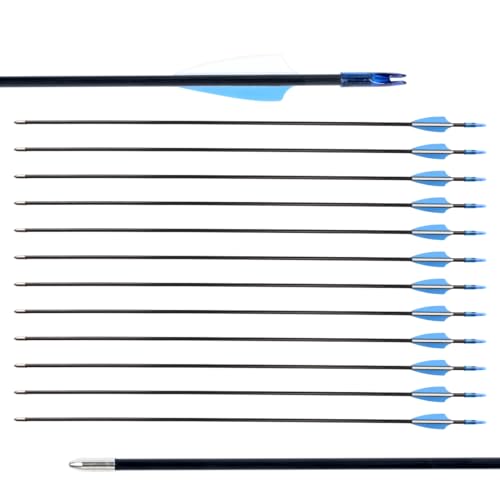
LWANO
28" Fiberglass Arrows, Archery Practice Target Arrows…
- Safety Design: The archery arrow tips are blunt round and outsourced (less prone to bursting during archery), which will be more s…
- Durable Construction: The arrow shaft is made of durable fiberglass and the tip is stainless steel, which will extend the durabili…
- Accurate Flight Path: These practice arrows use high straight safety fiberglass, with 2.95 inch vanes, can keep a good balance and…
As an Amazon Associate I earn from qualifying purchases.
You’ll discover the step-by-step process behind creating strong, reliable fiberglass arrows that can boost your accuracy and performance. Keep reading, and you’ll learn exactly what goes into each arrow—and why it matters for your next shot.
Materials Used In Fiberglass Arrows
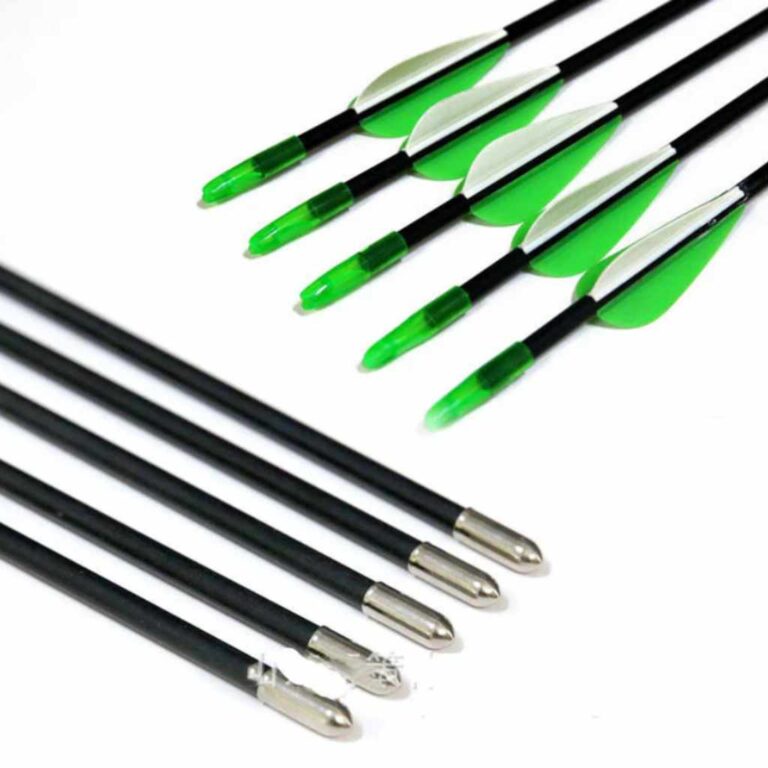
Fiberglass arrows are popular for their durability and consistent performance. The materials used in these arrows play a key role in how well they fly and how long they last. Understanding these materials helps archers choose the right arrow for their needs.
Types Of Fiberglass
Fiberglass used in arrows is made from fine glass fibers woven into sheets. These sheets are coated with resin to hold their shape. Different types of fiberglass vary in thickness and strength. Thicker fiberglass shafts offer more durability but may be heavier. Thin fiberglass shafts fly faster but need more care.
Shaft Components
The shaft is the main body of the arrow. It is usually a hollow tube made from fiberglass layers wrapped around a core. Some shafts have a foam or plastic core to reduce weight. The outer layer protects the arrow and keeps it straight during flight. Quality shafts have smooth finishes for less air resistance.
Fletching Materials
Fletching stabilizes the arrow during flight. It can be made from plastic or feathers. Plastic fletching lasts longer and resists weather well. Feather fletching is lighter and helps arrows spin better. The size and shape of fletching affect arrow speed and accuracy.
Arrowheads And Inserts
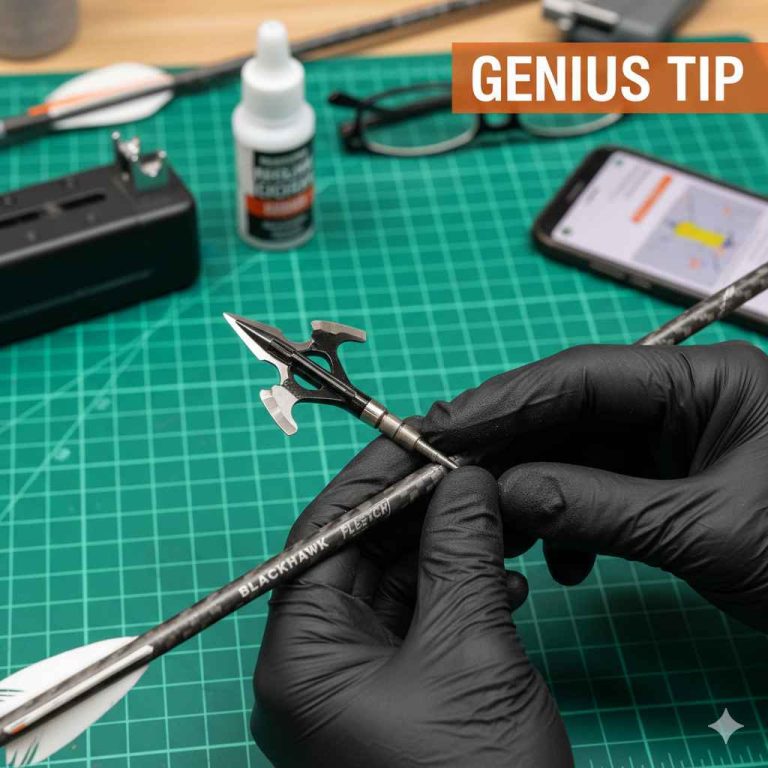
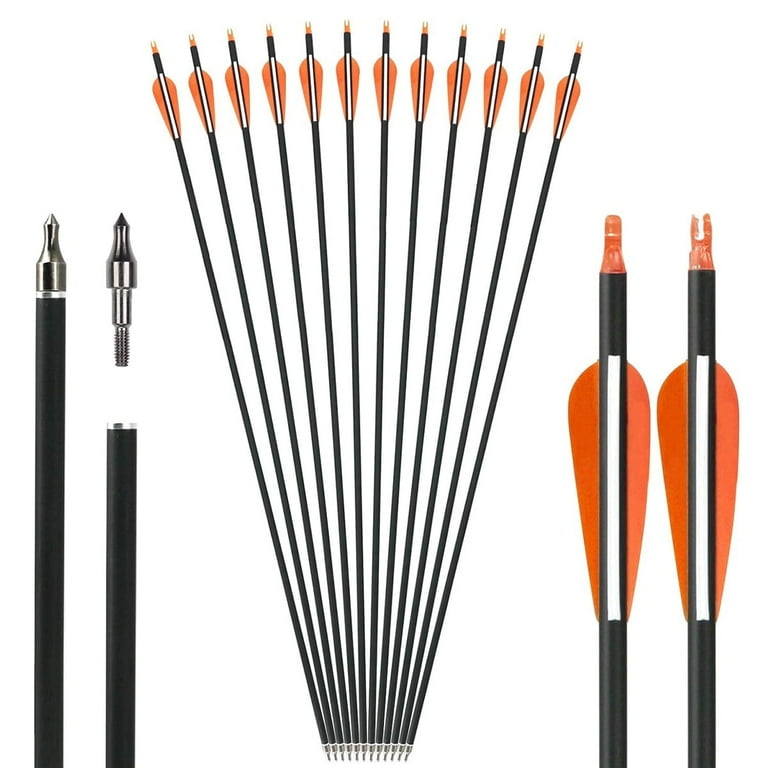
Arrowheads attach to the front of the shaft. They come in many shapes for different uses, like target practice or hunting. Inserts connect the arrowhead to the shaft securely. They are usually made from metal or strong plastic. Good inserts keep the arrowhead straight and stable during shots.
Manufacturing Process
The manufacturing process of fiberglass arrows is precise and detailed. It involves several steps that ensure the arrows are strong, straight, and reliable. Each step plays a vital role in producing arrows suitable for archery practice or hunting. Understanding this process helps appreciate the craftsmanship behind every arrow.
Fiberglass Shaft Formation
The process starts with forming the fiberglass shaft. Thin strands of glass fibers are combined with resin. This mixture creates a strong, lightweight tube. The tube is then molded into a long, straight shaft. Heat and pressure harden the material for durability.
Cutting And Shaping Shafts
After forming, the shafts are cut to the desired length. Precision tools ensure each shaft is the same size. The ends are shaped smoothly to fit other parts. This step improves balance and flight performance.
Applying Fletching
Fletching helps stabilize the arrow during flight. Small feathers or plastic vanes are glued near the back of the shaft. The placement and angle affect arrow accuracy. Each fletch is carefully attached for consistent results.
Attaching Arrowheads
The final step is attaching the arrowhead. Different types of tips serve various purposes. Arrowheads are screwed or glued onto the front of the shaft. Secure attachment ensures the arrow flies true and hits the target.
Quality Control Measures
Quality control is a crucial part of making fiberglass arrows. Every arrow must meet high standards. This ensures safety and accuracy. Careful checks happen at many stages. These measures guarantee the best product for archers.
Straightness Testing
Each fiberglass shaft is checked for straightness. A straight arrow flies better and hits the target more accurately. Machines measure the shaft’s bend or curve. Arrows that are not straight are removed from the batch. This step keeps the quality consistent.
Weight Consistency
Arrows need to have the same weight for steady shooting. Each arrow is weighed on precise scales. Small weight differences affect the arrow’s flight path. Only arrows with weight within a strict range pass this test. This helps archers trust their equipment.
Durability Checks
Fiberglass arrows must be strong and durable. They undergo stress tests to check their resistance. Tests include bending, impact, and pressure. Arrows that break easily are discarded. This ensures the arrows last longer and perform well.
Customization Options
Fiberglass arrows come with many ways to customize them. These options help archers get the best fit for their needs. Customizing arrows improves accuracy and comfort. Every part of the arrow can be chosen carefully.
Length And Spine Selection
Length is vital for a good shot. Arrows come in many lengths. Archers pick one that matches their bow and height. Spine means how stiff the arrow shaft is. A proper spine helps the arrow fly straight. Choosing the right spine avoids bending or wobbling.
Fletching Styles And Colors
Fletching guides the arrow during flight. Different styles change the arrow’s spin and speed. Archers select shapes like shield, parabolic, or straight. Colors can be bright or dark. Color choice helps archers see arrows clearly. Personal style also plays a part in color selection.
Point Types And Weights
Arrow points affect how the arrow hits the target. There are many types, such as field points, broadheads, and target points. Weight varies by type and use. Heavier points add power but slow the arrow. Lighter points fly faster but may have less impact. Choosing the right point improves performance.
Advantages Of Fiberglass Arrows
Fiberglass arrows offer many benefits that make them popular among archers. They blend strength and flexibility well. Their unique design helps archers shoot with more confidence. These arrows suit beginners and casual shooters because of their reliability and ease of use.
Durability And Flexibility
Fiberglass arrows are strong and can handle rough use. They bend without breaking, which helps them last longer. This flexibility prevents damage from accidental drops or hits. They keep their shape after many shots, making them dependable for practice and play.
Cost-effectiveness
Fiberglass arrows cost less than many other types. They provide good value for beginners and those on a budget. Because they last long, replacements are less frequent. This saves money over time, making them a smart choice for casual archers.
Performance In Different Conditions
Fiberglass arrows work well in many weather conditions. They do not absorb water, so rain does not affect their flight. Their weight and balance stay consistent, offering steady shots. This reliability helps archers stay focused no matter the environment.

Frequently Asked Questions
What Materials Are Used To Make Fiberglass Arrows?
Fiberglass arrows are made using fiberglass rods coated with epoxy resin. The materials ensure durability and flexibility for consistent shooting performance. Additional components include plastic vanes, aluminum or plastic nocks, and steel or carbon arrow tips.
How Is The Fiberglass Arrow Shaft Manufactured?
The shaft is created by winding fiberglass strands around a mandrel and then coating them with resin. After curing, the shaft is smoothed and cut to size. This process produces a strong, lightweight, and flexible arrow shaft.
Why Choose Fiberglass Arrows Over Wooden Ones?
Fiberglass arrows are more durable and weather-resistant than wooden arrows. They maintain straightness and performance under various conditions. Fiberglass arrows also provide consistent shooting accuracy, making them popular for beginners and recreational archers.
How Are Vanes Attached To Fiberglass Arrows?
Vanes are glued onto the shaft using specialized adhesives for a secure fit. Proper vane alignment ensures stable flight and improved accuracy. Vanes can be made from plastic or feathers, depending on the arrow’s purpose.
Conclusion
Fiberglass arrows combine strength, flexibility, and durability. Their making involves careful layering and precise shaping. This process ensures arrows perform well and last long. Understanding how they are made helps appreciate their quality. Whether for practice or competition, fiberglass arrows remain popular.
Choosing the right arrow means knowing its construction. Now you see why these arrows suit many archers. Simple materials create a reliable and strong product. The craft behind them reflects skill and attention. This knowledge helps you make better archery choices.
Related pick: Check today's price on Amazon