How Much Are Wood Arrows? Pricing Breakdown by Type
Wood arrows typically cost between $5 to $20 per arrow for a set of six, though custom or premium options can range from $30 to $50 each. Factors like wood type, spine, fletching, and point significantly influence the price. For beginners, investing in affordable sets is often the most practical starting point.
How Much Are Wood Arrows? Your Essential Beginner’s Guide
As you get into archery, choosing your first arrows might seem a bit tricky. You might be wondering, “How much is an arrow made of wood?” It’s a common question, and the answer isn’t just a single number. Prices can vary quite a bit, and that’s perfectly normal! Don’t let the numbers overwhelm you. This guide is here to break it all down so you can find the right arrows for your budget and your archery journey. We’ll look at what goes into the price and help you understand where your money is best spent. Let’s get shooting!
Understanding the Cost of Wood Arrows: More Than Just Wood
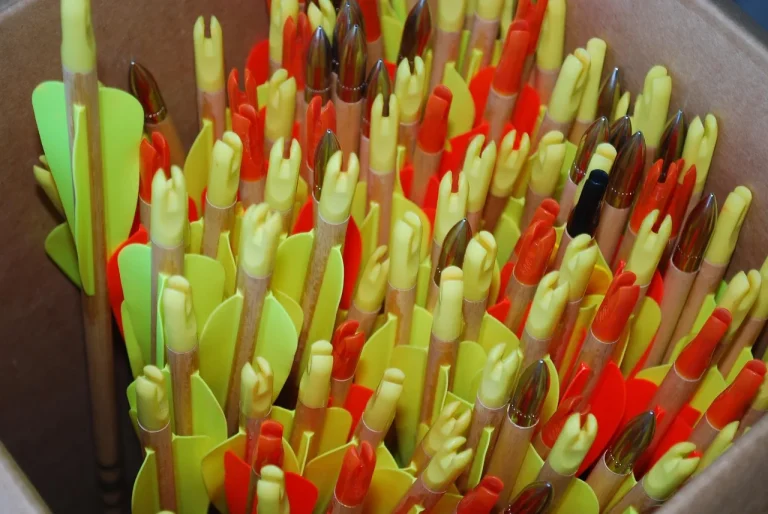
When we talk about the price of wood arrows, it’s important to remember that several elements contribute to the final cost. Think of it like building a great sandwich – the bread is important, but the fillings, sauces, and even how it’s cut all add to the experience and its value. For wood arrows, these “ingredients” are the wood itself, how strong it is (spine), the feathers or vanes for stabilization (fletching), and the tip (point).
These components aren’t just for show; they directly impact how your arrow flies, how accurately it hits your target, and how durable it is. For beginners, understanding these basics helps you appreciate why some arrows cost more than others and make smarter choices without getting lost in technical terms.
Key Factors Influencing Wood Arrow Prices
Let’s dive into what makes one wood arrow cost more than another:
- Wood Type: Not all wood is created equal! Different types offer varying levels of strength, straightness, and weight. For example, premium woods like Port Orford Cedar are highly sought after for their performance and straightness, often leading to a higher price tag compared to more common woods like pine or fir, which are often used in entry-level arrows.
- Straightness and Consistency: Archery demands precision. Arrows that are exceptionally straight and have consistent weight and spine are more expensive to produce. Manufacturers spend more time selecting and processing wood to meet these high standards.
- Spine: This refers to the arrow’s stiffness. Choosing the correct spine for your bow’s draw weight and your draw length is crucial for accuracy. Arrows with a tighter spine tolerance (meaning they are very consistent in stiffness) are generally more expensive.
- Fletching: These are the fins at the back of the arrow that help it fly straight. Natural feathers are traditional and perform well, especially in windy conditions. The type, size, and quality of the feathers, as well as how precisely they are attached, can influence cost. Some arrows might use specialized vanes, which can also affect the price.
- Points (Arrowheads): The tip of the arrow. Target points are usually basic and inexpensive. Hunting points vary in price depending on their design, material, and sharpness. Many starter arrows come with removable points, allowing you to switch between target and hunting tips.
- Shaft Durability and Finish: The overall quality of the wood, how smoothly it’s finished, and any added protective coatings can also influence the price. Well-made, durable shafts that are less prone to splitting or breaking will naturally command a higher price.
- Brand and Craftsmanship: Well-known brands with a reputation for quality often charge a premium. Custom-made arrows or those from artisan bowyers will also be more expensive due to the individual attention and skill involved.

Typical Price Ranges for Wood Arrows
Here’s a general breakdown of what you can expect to pay. Remember, these are averages, and you might find deals or premium options outside these ranges.
| Arrow Type | Typical Price Range (Per Arrow) | Typical Price Range (Dozen) | Best For |
|---|---|---|---|
| Beginner/Youth Arrows | $4 – $8 | $48 – $96 | First-time archers, casual shooting, learning basics. Often made from less expensive wood types, with more forgiving spines. |
| Standard Target Arrows | $8 – $15 | $96 – $180 | Intermediate archers, target practice, local competitions. Made from better quality wood, with more consistent spine and fletching. |
| Premium/Competition Arrows | $15 – $30+ | $180 – $360+ | Serious archers, serious competitions, those seeking top performance. Often made from premium woods like Port Orford Cedar, with very strict tolerances for straightness and spine. |
| Custom-Made/Artisan Arrows | $30 – $50+ | $360 – $600+ | Specialty needs, historical reenactment, collectors, or those wanting a truly unique arrow. Crafted by hand, often with unique materials or finishes. |
Why Wood Arrows are a Great Choice for Beginners
You might see carbon or aluminum arrows and wonder why you’d choose wood. For many starting out, wood arrows offer a fantastic blend of tradition, feel, and affordability, which is why many coaches and experienced archers still recommend them for learners. They provide excellent feedback, helping you understand your shot.
When a wood arrow hits something, like another arrow or even a sturdy target butt, it’s more likely to break or splinter than its carbon or aluminum counterparts. While this sounds like a downside, it’s actually a great safety feature for beginners. It means you’re less likely to have shrapnel flying back at you or your equipment. Plus, the visual feedback of how a wood arrow flies is often easier for new archers to interpret. You can see them wobble or curve, giving you clues on how to adjust your technique.
The Benefits of Starting with Wood Arrows:
- Cost-Effective Learning: You can get a decent set of wood arrows without breaking the bank, allowing you to focus your budget on lessons, range time, or a better bow.
- Traditional Feel and Aesthetics: There’s a certain satisfaction in shooting an arrow made from natural materials. They look and feel classic, connecting you to the long history of archery.
- Excellent Feedback: Wood arrows are less forgiving than modern materials. If your shot is off slightly, you’ll see it in the arrow’s flight or how it lands. This direct feedback is invaluable for honing your accuracy.
- Softer Impact: Wood shafts tend to absorb impact better than other materials, which can be gentler on your bow and your hand if you’re new to the sport and still developing consistent form.
- Safety in Breakage: As mentioned, wood arrows are more prone to breaking upon impact, but this breakage tends to be cleaner and less dangerous than the shattering of other materials, reducing the risk of injury.
How to Choose Your First Wood Arrows
Now that you know the price factors, let’s talk about picking the right arrows for you. The most important thing is to match your arrows to your bow. Using arrows that are too weak (wrong spine) or too heavy can be inaccurate and even dangerous.
Steps to Selecting Your Wood Arrows:
- Know Your Bow’s Draw Weight: This is usually printed on the bow itself. It’s measured in pounds (lbs).
- Measure Your Draw Length: This is the distance from your bow’s grip to your anchor point when you’re at full draw. Many archery shops can help you measure this accurately.
- Consult an Arrow Spine Chart: This is where an external link to a reputable archery resource could be helpful! For instance, organizations like the USA Archery website or reputable archery equipment retailers often provide free spine charts. These charts will tell you what spine of arrow you need based on your bow’s draw weight and your draw length. For example, a chart might suggest a 40-45 lb spine for a 45 lb bow with a 28-inch draw length.
- Consider Arrow Length: The arrow needs to be longer than your draw length to avoid the arrow rest or your hand when shot. Again, an archery professional or a guide can help determine the correct length.
- Start Simple: For your first set, opt for a standard target arrow. They are generally well-made and suitable for practice. Look for common woods like pine or fir if you’re on a tighter budget, or if your budget allows, try a cedar set for better performance.
- Check Fletching and Points: Most beginner wood arrows come with standard 3- or 4-fletchings (usually grey goose feathers) and field points. This is a good starting setup.
- Buy a Dozen: It’s usually more cost-effective to buy a dozen arrows rather than just a few. You’ll inevitably lose or break some, especially when you’re learning.
Where to Buy Wood Arrows
You have a few great options for purchasing wood arrows:
- Local Archery Shops: These are your best bet for personalized advice. The staff can help you select the right spine, length, and arrows that match your bow perfectly. They often have a good selection of beginner-friendly wood arrows.
- Online Archery Retailers: Many reputable online stores offer a wide variety of wood arrows. Just be sure you’ve done your research on spine and length before ordering. Websites like Lancaster Archery Supply or 3Rivers Archery are excellent resources.
- Sporting Goods Stores: Larger sporting goods chains sometimes carry basic wood arrows, though selection might be limited.
When buying online, always check the product descriptions carefully for specifications like spine, length, wood type, and fletching. For your very first purchase, a local shop is often ideal for ensuring you get the perfect fit.
Maintaining Your Wood Arrows for Longevity
Wood arrows require a little more care than their modern counterparts, but with proper maintenance, they can last a long time and perform reliably.
Essential Care Tips:
- Keep Them Dry: Wood and water don’t mix well! Always store your arrows in a dry environment. Never leave them out in the rain or damp conditions, and don’t store them in a wet quiver. If they get wet, dry them off immediately with a soft cloth.
- Use a Proper Arrow Case or Quiver: A good arrow case or quiver protects your arrows from damage, bending, and moisture. It keeps them organized and prevents them from getting crushed. For transport, a hard-shell arrow tube is excellent.
- Inspect Before Every Shot: This is crucial for safety! Before you shoot, check each arrow for any signs of damage. Look for cracks, splinters, or warps in the shaft, and ensure the nock (the part that attaches to the bowstring) and the point are securely in place. Discard any arrow that shows signs of damage. A damaged arrow can shatter upon release, posing a serious safety risk.
- Check Fletching: Make sure the feathers or vanes are smooth and undamaged. Lightly comb or smooth out ruffled feathers if needed.
- Store Them Correctly: Store arrows vertically or horizontally in a cool, dry place away from direct sunlight. Avoid extreme temperatures, which can warp the wood.
Following these simple steps will help ensure your wood arrows fly true and keep you safe for many shooting sessions to come. For more detailed information on arrow maintenance, you might find resources from organizations like the World Archery Federation helpful after you’ve established some basics.

Frequently Asked Questions (FAQ) About Wood Arrows
Q1: Are wood arrows good for beginners?
Yes, absolutely! Wood arrows are often recommended for beginners because they offer great feedback on shooting form, are generally affordable, and have a traditional feel. They’re also more likely to break cleanly if they hit another arrow or hard object, which can be a safety benefit.
Q2: How many wood arrows should a beginner buy?
It’s usually best for beginners to buy a dozen (12) wood arrows. You’re likely to lose or damage a few as you learn, so having extras means you won’t be out of ammunition after just a few practice sessions. Buying in a dozen is also typically more cost-effective per arrow.
Q3: What’s the difference between wood arrow spine and weight?
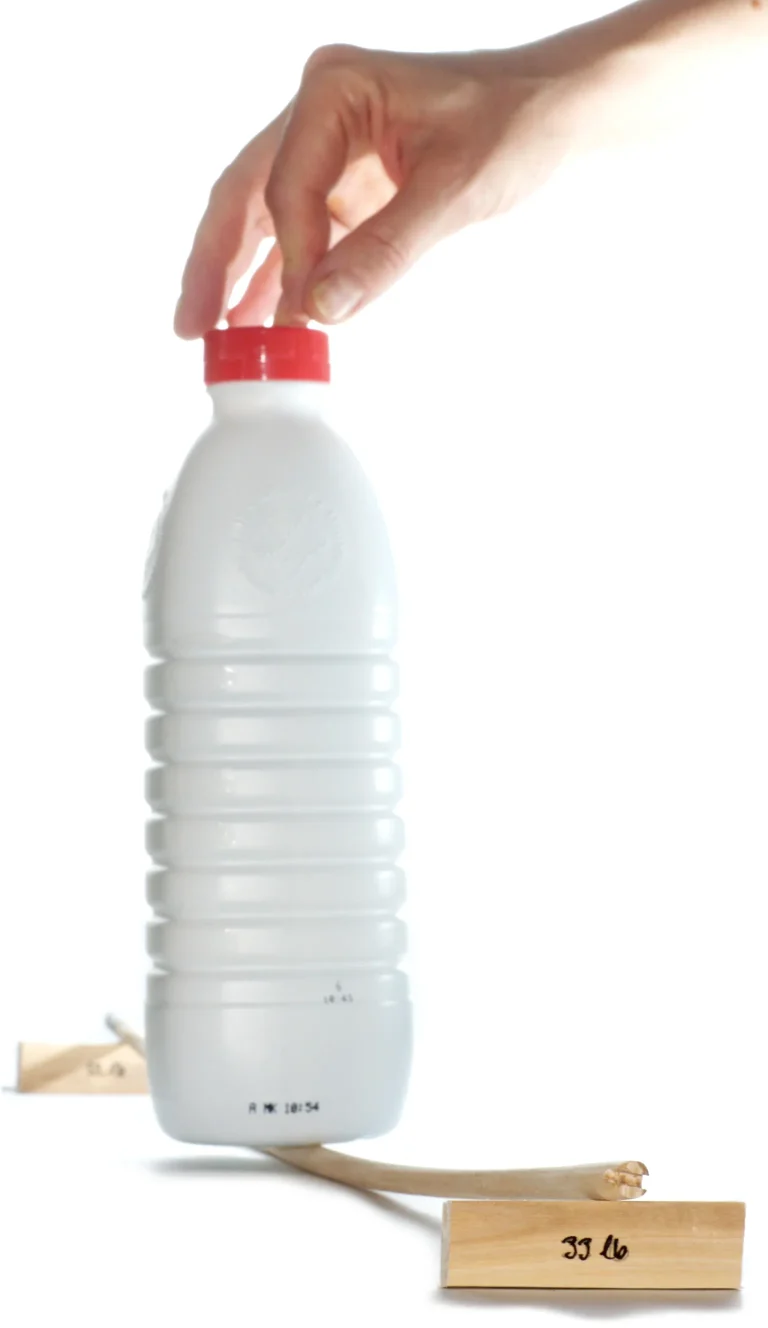
Spine refers to the stiffness of the arrow shaft – how much it bends when pressure is applied. The correct spine is crucial for accurate flight and must match your bow’s draw weight and your draw length. Weight refers to how heavy the arrow is, usually measured in grains per inch. Lighter arrows fly faster, while heavier arrows retain more momentum. Both spine and weight are important for arrow performance.
Q4: Can I use wood arrows for hunting?
Yes, wood arrows can be used for hunting, especially for traditional archery or historical reenactment. However, they must be spined correctly for your bow and use appropriate hunting points (broadheads). For modern hunting, carbon arrows are often preferred due to their durability and straightness retention. Ensure your wood arrows are in perfect condition and spined correctly for ethical hunting.
Q5: How long do wood arrows typically last?
The lifespan of wood arrows varies greatly depending on use, maintenance, and the quality of the arrow. Arrows used for frequent target practice can last anywhere from a few months to a couple of years if well-cared for. However, any arrow showing signs of damage, such as cracks, splinters, or significant warping, should be retired immediately for safety reasons, regardless of age.
Q6: What is the best wood for arrows?
The most highly regarded wood for arrows is Port Orford Cedar (POC). It is known for its straightness, consistency, light weight, and durability, making it a premium choice. Other good woods include pine, fir, and birch, which are often used for more budget-friendly or entry-level arrows. Each has its own characteristics in terms of strength, weight, and how much it might warp.
Q7: Should I buy pre-fletched wood arrows or build my own?
For beginners, buying pre-fletched wood arrows is highly recommended. They are ready to shoot right out of the box and are assembled by professionals. Building your own arrows requires specialized tools and knowledge, and it can be a more advanced archery pursuit.