How Archery Targets Are Made: Materials and Process
Archery targets are primarily made by layering dense, compressed straw, foam blocks, or specialized vulcanized rubber sheets that stop arrows safely. The construction focuses on material density, allowing the target face to be easily pinned while ensuring arrows penetrate just enough to stop without passing through.
Welcome, fellow archer! Have you ever wondered what happens behind the scenes to make that trusty target stop your arrows dead in their tracks, session after session? It’s not magic; it’s clever engineering! For many beginners, seeing a target reliably stop a fast-moving arrow seems complex. You need a target that is safe, durable, and lets you pull your arrows out without a struggle.
Don’t worry; understanding the essentials of how archery targets are made helps you pick the right gear. We will walk through the materials and simple construction methods used for everything from backyard practice butts to competition bosses. Get ready to see what makes a great target truly great!
The Essential Role of the Archery Target
Before we dive into the “how,” let’s quickly appreciate the “why.” Your archery target is more than just a place to aim; it’s a crucial piece of safety equipment. A good target absorbs the kinetic energy of your projectile efficiently. If a target is too hard, your arrows might bounce back, which is dangerous. If it’s too soft, the arrows will pass clean through, leading to lost arrows and potential risks downrange. The construction must balance stopping power with easy arrow retrieval. This balance is the core challenge in target manufacturing.
The Three Main Types of Archery Targets
Not all targets are created equal. The materials and construction methods change based on what the target is designed to do. As a beginner, knowing these categories will vastly improve your buying decision. I use three common categories when training newcomers:
- Bag Targets: These are fabric-covered sacks filled with loose material that catches the arrow by friction.
- Block Targets: Usually rectangular and made of high-density foam or layered materials compressed firmly together.
- 3D Targets: Sculpted foam shapes (like animals) designed for field archery or hunting practice.
While 3D targets are often single-cast foam, the construction of bag and block targets illustrates the core principles of stopping power best. We will focus on the materials that make these vital targets effective.

Proven Essentials: Materials Used in Target Making
The secret sauce of any great archery target lies entirely in its filler material. This material needs high internal friction and excellent rebound resistance. Think about catching a baseball—you want the glove to absorb the impact gently, not bounce the ball back at you.
1. The Traditional Workhorse: Compressed Straw or Hay Bales
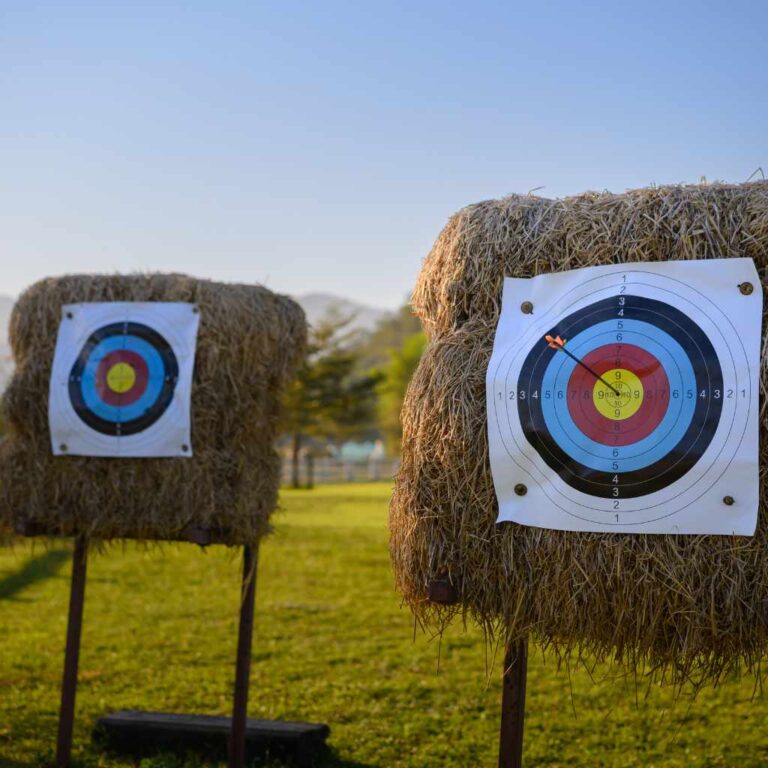
This is the oldest method, still popular for large range practice because it’s cost-effective and traditional. It involves tightly binding bales of straw or hay together.
- Pros: Very affordable, easily replaceable, excellent stopping power for lower poundage bows.
- Cons: Heavy, deteriorates quickly in the rain, difficult arrow removal (often requiring significant force), and tends to leave chaff residue on arrows.
To make these, the straw must be bundled using industrial balers, often achieving pressures over 1,000 PSI (Pounds per Square Inch) to ensure the stalks lock together and create dense resistance.
2. The Modern Standard: High-Density Foam Blocks
Today, most commercial block targets use specially formulated foams, often referred to as layered foam or solid foam structures. These materials are engineered for arrow stopping.
Polyethylene or Polypropylene Foam
These are synthetic plastics that can be molded or layered. The key is controlling the density. Manufacturers use heat and immense pressure during the curing process to create very tight cellular structures within the foam.
- Layering Technique: Many top brands layer different densities of foam. A softer layer faces outward for easy arrow entry, and a denser core layer provides the final stop.
- Cross-Contour Design: Some manufacturers cut the foam blocks at angles (like facets on a gem) rather than straight across. This design forces the arrow shaft to rub against more material as it travels inward, dissipating energy faster and stabilizing the arrow before it hits the back layer.
3. Stopping Power Redefined: Open-Cell Rubber and Textile Fills
This category includes the popular bag targets and some premium block targets. They rely on friction from many small pieces rather than solid compression.
Woven or Shredded Textile Fill
In bag targets, the “stuffing” is often shredded fabric scraps, usually synthetic materials, or sometimes even specific types of non-woven synthetic batting. The fabric is stuffed tightly into a heavy-duty vinyl or canvas bag.
- Friction is Key: When the arrow enters, the thousands of individual fabric strands grip the shaft, slowing it down gradually until it stops.
- Easy Removal: Because there is no hard “wall,” the arrow doesn’t plug itself; it simply rests between the material, allowing for relatively easy, low-effort arrow pull-outs.
For detailed information on material science and engineering related to impact absorption, resources like those provided by university engineering departments, such as those found at institutions like Engineering.com (a reputable industry resource), often discuss polymers and composites relevant to impact materials.
How Block Targets Are Assembled: A Step-by-Step Look
Block targets are perhaps the most common target for home practice. Their construction process is highly optimized for mass production while maintaining quality. Here is a simplified run-through of how a high-quality foam block target is created in a factory setting.
Step 1: Material Sourcing and Preparation
Specialized foam sheets are ordered. These sheets often come in large rolls or dense slabs pre-cut to the target’s final width. Consistency in thickness is critical here.
Step 2: Cutting the Layers
If the target uses a layered design (different densities), the sheets are precisely cut to size. Some modern manufacturers use computer-numerical control (CNC) cutting machines to ensure every layer is identical, which prevents weak spots.
Step 3: Applying Adhesive and Stacking
Workers—or increasingly, precise robotic arms—apply industrial-strength, flexible adhesive between each layer. The layers are stacked one on top of the other precisely. This stacking must be perfectly aligned so that an arrow hitting one side has to contend with the full stopping power of all layers aligned behind it.
Step 4: Curing and Compression
This is where the magic happens. The stacked block must be cured under extreme pressure. Large hydraulic presses clamp the block together, often for several days or weeks, depending on the adhesive and foam type. This compression fuses the layers into one solid, resilient mass. Think of it like making plywood, but with specialized, flexible glue.
Step 5: Shaping and Outfitting
Once cured, the massive block is cut down to the final dimensions (e.g., 24″ x 24″ x 12″). Handles or attachment points are added, and the target face (the paper graphic) is stapled or pinned onto the front surface. The face itself is usually heavy-duty paper or weatherproof vinyl designed to be easily replaced.
Construction Comparison: Bag vs. Block Targets
The method of construction dictates how you use and maintain the target. Understanding this helps you choose what’s best for your available space and draw weight.
| Feature | Layered Foam Block Target | Shredded Fill Bag Target |
|---|---|---|
| Stopping Material | Solid, highly compressed synthetic foam sheets. | Loose, tightly packed fabric scraps or proprietary fill. |
| Arrow Removal | Moderate effort; relies on sliding past compressed foam. | Easy; friction releases the arrow easily. |
| Durability (General) | Excellent, longer lifespan if kept dry. | Very high; fill can redistribute but doesn’t “wear out” the same way. |
| Weather Resistance | Moderate; foam can absorb water and degrade if left wet. | Excellent (if the outer bag is waterproof vinyl). |
| Best For | Competitive practice, higher draw weights (up to regulated limits). | Backyard practice, variable draw weights, ease of use. |
Making a Simple DIY Target for Beginners
If you’re just starting and want to dip your toe in without a huge investment, building a basic target can be a fun weekend project. This method focuses on using readily available materials to mimic the concept of a bag target.
Required Tools and Supplies
You don’t need heavy machinery, just basic household tools and materials sourced perhaps from a local hardware or textile store.
- Outer Shell: One heavy-duty, large canvas or vinyl laundry bag, or a zippered duffel bag (must be strong!).
- Filler Material: Old, clean carpet scraps, shredded cotton rags, or old jeans cut into small pieces (about 1-2 inches square). Avoid anything too bulky like thick towels. The goal is dense friction.
- Tools: Sharp scissors, heavy-duty duct tape, and strong twine or rope.
DIY Target Construction Steps
This process relies on packing material tightly to create friction, much like a commercial bag target, but less scientifically controlled.
- Prepare the Filler: Cut your old textiles (jeans, t-shirts, etc.) into small, manageable pieces. The smaller the pieces, the better they will pack together and create resistance.
- Start Filling: Place the first handful of filler into the bottom of your chosen bag or duffel. Pack it down firmly with your fist or a blunt stick.
- Layer and Pack: Continue adding filler material layer by layer. After every few handfuls, compress the material as tightly as possible. You are substituting industrial compression with manual effort here. The bag should feel extremely dense to the touch.
- Achieving Density: Keep packing until the bag is rock hard and cannot hold any more material without straining the seams. If you can easily squeeze the material inside, it’s too loose and will let arrows zip through.
- Seal Securely: If using a zippered bag, zip it shut, and then use several long strips of heavy-duty duct tape across the zipper line to prevent accidental opening if the zipper fails under impact. If using a drawstring bag, pull the string extremely tight and tie it off with heavy rope, wrapping it several times.
- Test Cautiously: When testing, start with your lowest poundage bow from a very close distance (5 yards). If arrows penetrate more than halfway through, you need to empty it out and pack it denser.
Remember, DIY targets work best for lighter bows (under 30 lbs) and short ranges. For higher-powered equipment, standardized block targets designed with engineering specifications are always the safer and more reliable choice. Always prioritize safe stopping over ease of construction.
The Science of Wear and Target Maintenance
Even the best-made targets break down over time. Understanding how they wear helps you maintain them and extends their useful life. This information is often overlooked by beginners, but mastering maintenance is key to long-term archery enjoyment.
Target Degradation Factors
Degradation happens in two primary ways:
- Material Fatigue: The foam loses its elasticity, or the fibers in a bag loosen up. Once the material can no longer dynamically absorb energy, it begins to crack or simply allows the arrow to pass through.
- Environmental Damage: Sun (UV radiation) breaks down plastics and foam, causing them to become brittle. Water ingress causes many foams to become heavy, rot (if natural materials are used), or freeze, making them shatter on impact.
Maintenance Tips to Maximize Target Life
- Rotate Regularly: Arrows create “holes” or weak spots. Rotate your target 90 degrees every few sessions to force arrows into different, unused areas of the material. This distributes the wear evenly.
- Keep It Dry: Store all foam and non-waterproof targets indoors or under cover when not in use. If a foam target gets soaked, stand it on its edge and allow it to air dry completely before use.
- Replace Faces Often: Always replace the paper target face when the scoring rings are severely damaged or when staples/pins start bending due to worn material underneath.
- Manage Punctures: For large, expensive foam targets, some archers lightly spray the area around deep arrow holes with a rubber rejuvenator spray (often available at automotive stores) to help keep the surrounding plastic pliable, though many manufacturers advise against chemical use.
For those using professional-grade targets, some companies offer replacement cores. These cores are the internally manufactured, compressed blocks that slide into an outer protective shell. Buying a replacement core is often far cheaper and easier than buying a whole new target.
Safety Checks: Why Target Construction Matters Most
When you look at how archery targets are made, you are looking at a safety system. An incorrectly constructed target is a safety risk. Here are the essential safety checks related to target integrity:
Never shoot at a target if:
- The casing or bag is ripped, exposing the filler material completely.
- The target is leaning or wobbling significantly after a shot (indicating an unstable core or poor assembly).
- You notice shafts passing clean through the material, even with arrows shot at lower speeds.
- The target has been left out in heavy, sustained rain and feels soggy or overly soft.
The USA Archery Association strongly mandates that all target equipment must be regularly inspected for integrity to ensure the safety of the archer and bystanders. A well-made target adheres to these safety standards inherently.
FAQ: Beginner Questions About Archery Targets
Understanding the materials can raise a few common questions for newcomers. Here are quick, straightforward answers to help you navigate equipment choices.
| Question | Simple Answer |
|---|---|
| Q: Can I use regular cardboard boxes as a target? | A: Yes, for very light bows (under 20 lbs) at close range. Cardboard degrades quickly and bullets can pass through easily if not layered very thickly. Not recommended for regular practice. |
| Q: How do I know if my target is too hard? | A: If your arrows bend slightly upon impact, or if you have to yank very hard to remove them, the target is likely too hard and could damage your arrow shafts or tips. |
| Q: Should I shoot broadheads at my practice target? | A: Generally, no. Broadheads (hunting tips) are designed to cut, not punch. They shred foam and fabric targets, ruining them quickly. Always use field points for practice. |
| Q: Why are 3D targets so expensive compared to blocks? | A: 3D targets require complex molding processes using specialized, self-healing foam (often poly-density foam) to maintain their shape after being repeatedly shot. |
| Q: Do I need a specific bag target for a 50 lb bow? | A: Yes. Always check the manufacturer’s recommended maximum draw weight. A target made for 30 lbs will likely stop a 50 lb arrow, but it might stop it permanently, making extraction impossible or damaging the target core instantly. |
| Q: How long should a good quality block target last? | A: With regular rotation and protection from weather, a high-quality, layered foam block target used a few times a week can easily last a year or more before needing core replacement. |
Conclusion: Practice Smarter, Not Harder
Learning how archery targets are made demystifies the equipment we rely on every time we step to the line. Whether constructed from tightly bound straw bales, technologically advanced layered foams, or friction-creating textile fills, their essential purpose remains the same: to safely absorb kinetic energy and protect both your equipment and yourself.
As an archer, your investment in a quality target is an investment in your safety and your progress. By understanding the materials—the density of the foam, the friction of the fill—you can appreciate why one target costs more than another and how to care for it.
Always rotate your target, keep it dry, and match the target’s stopping capability to your bow’s draw weight. Now that you know the essentials behind target construction, you can choose your gear with confidence and get back to what matters most: enjoying the satisfying thud of a well-placed arrow hitting the center!