Is Olympic Archery Easy? What Beginners Should Know
No, Olympic archery is not easy. It is an incredibly demanding sport requiring thousands of hours of practice to master. Athletes must develop elite physical strength to draw the bow, unshakable mental focus to perform under pressure, and near-perfect precision to hit a target 70 meters away. For more on this, see our guide on What Type of Arrows for Youth Archery.
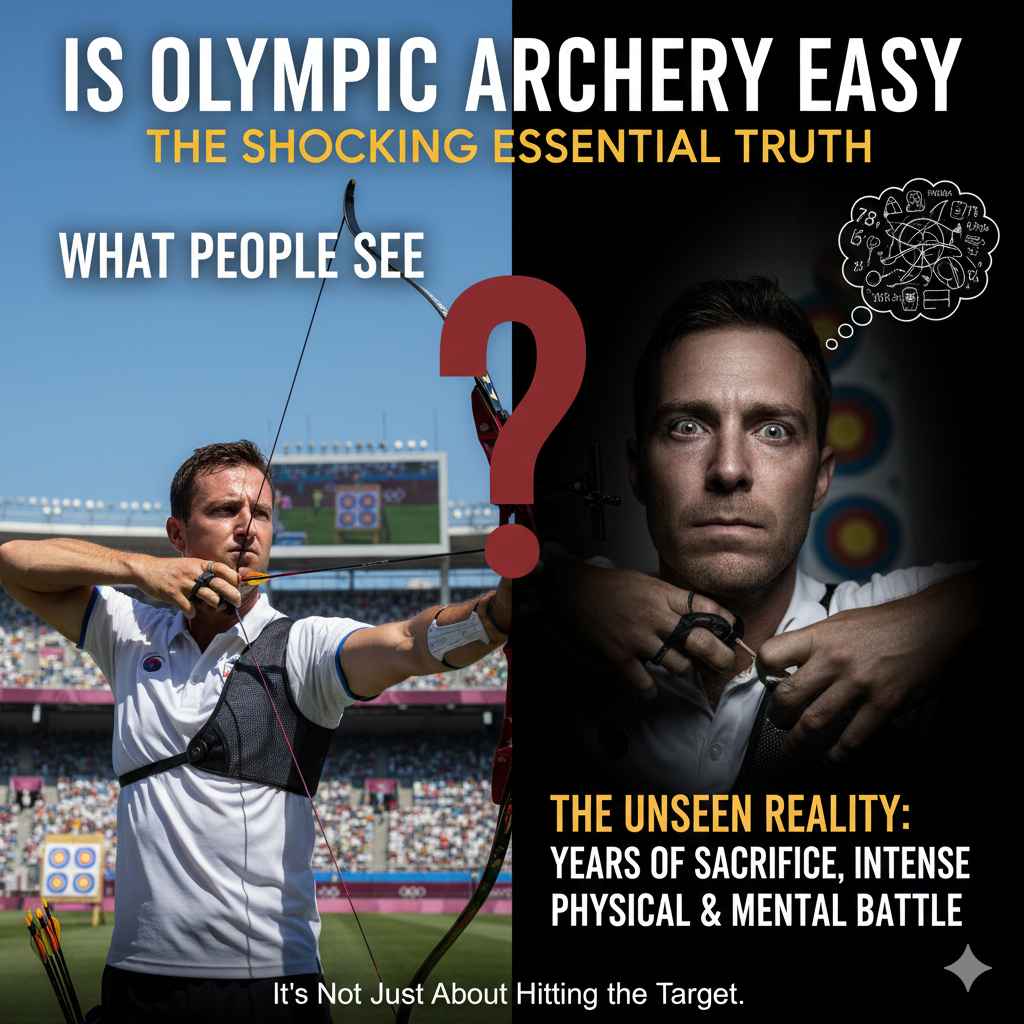
Have you ever watched the Olympics and seen an archer stand perfectly still, draw their bow with grace, and send an arrow flying into a tiny yellow circle? It looks so smooth, so calm, so… easy. You might think, “I could do that!” It’s a common thought, and it’s what makes archery so appealing.
But there is a huge difference between how simple it looks and how hard it truly is. The truth is, Olympic archery is one of the most difficult precision sports in the world. But don’t let that scare you! Understanding what makes it challenging is the first step to appreciating the sport and starting your own fun and rewarding archery journey. Let’s break down the reality behind that effortless-looking shot.
What Makes Olympic Archery Look So Effortless?
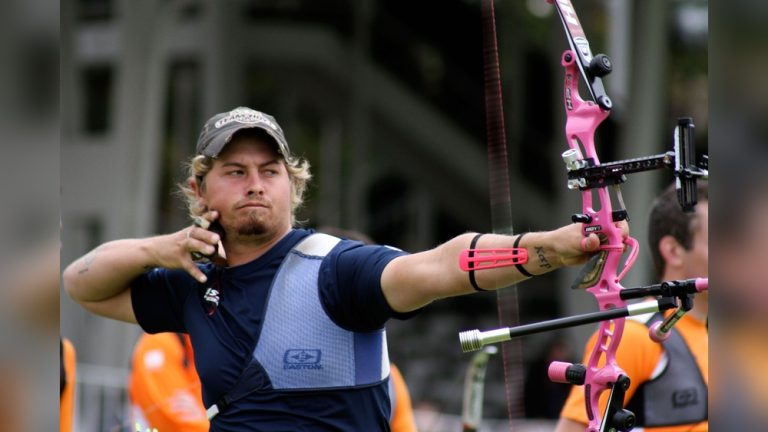
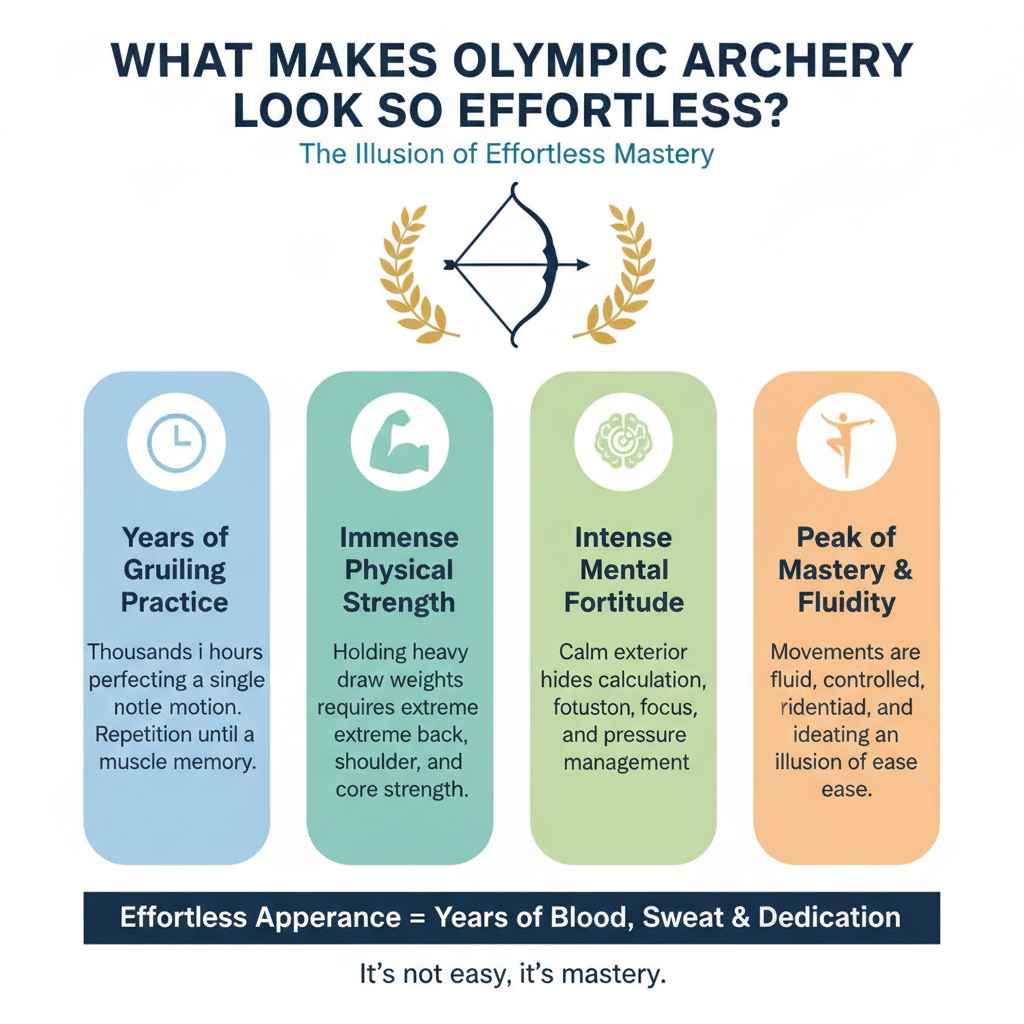
The top archers in the world make it look like a dance. Every movement is fluid, controlled, and repeated exactly the same way, every single time. This is what we see on television: a calm athlete, a steady hand, and a perfect result. This illusion of ease is a testament to their incredible skill, which has been honed over many years.
Think of it like watching a professional ballet dancer or a master musician. Their performance seems to flow without any effort, but it’s built on a foundation of countless hours of grueling practice. The archer’s calm exterior hides a storm of physical tension and mental calculation. Their smooth draw and release are the product of perfecting one single motion, thousands upon thousands of times, until it becomes muscle memory. What you’re seeing isn’t a lack of difficulty; it’s the peak of mastery.
The Reality Check: Why Olympic Archery is Deceptively Hard
Once you step onto the archery range yourself, the reality of the sport becomes clear. The challenges are immense and are divided into three key areas: the mental game, the physical demands, and the incredible level of precision required.
The Mental Game: Unseen Pressure and Laser Focus
Archery is often called a mental sport more than a physical one, and for good reason. Imagine standing on the world stage with millions watching. Your heart is pounding, but you have to keep it under control because a high heart rate can cause your aim to shake. You must block out every distraction—the crowd, the wind, the importance of the shot—and focus only on your process.
An Olympic archer must execute a complex sequence of mental and physical steps, known as the shot process, identically every single time. Any tiny variation, a fleeting thought of doubt, or a moment of lost focus can send the arrow wide of the mark. This requires a level of mental discipline that is almost meditative. They train their minds as much as their bodies to stay calm, confident, and completely in the moment.
The Physical Demands: It’s More Than Just Pulling a String
While it may not look as exhausting as running a marathon, Olympic archery is incredibly physically demanding. The bows used in competition have a significant draw weight, which is the amount of force needed to pull the string back.
- Draw Weight: Elite male archers typically pull between 45 and 55 pounds. Elite female archers pull between 35 and 45 pounds. Now, imagine holding that much weight at full draw, perfectly still, for several seconds while you aim.
- Endurance: A single competition can last for hours, and archers may shoot over a hundred arrows in a day. This requires immense muscular endurance, particularly in the back, shoulders, and core.
- Stabilizing Muscles: The strength isn’t just in the arms. Archers use their large back muscles (like the rhomboids and trapezius) to pull the string. Their core muscles must be rock-solid to provide a stable platform for the shot.
This is not brute strength; it’s controlled, specific power. An archer’s conditioning routine often includes weight training, cardio, and exercises designed to build stability and prevent injury.
The Precision Problem: Hitting a Tiny Target from Far Away
This is where the sheer difficulty of Olympic archery becomes staggering. Let’s put the numbers into perspective:
- The Distance: Olympic archers shoot from 70 meters away. That’s about 77 yards, or most of the length of a football field.
- The Target: The overall target face is 122 centimeters (about 48 inches) in diameter.
- The 10-Ring: The center ring, worth the maximum 10 points, is only 12.2 centimeters (about 4.8 inches) wide. That’s roughly the size of a grapefruit or a CD.
Now, try to picture that. You are standing at one end of a football field, trying to hit a grapefruit at the other end. And you have to do it again and again, while accounting for wind, rain, and the immense pressure of competition. Even a tiny, millimeter-sized mistake in your form can cause the arrow to miss the 10-ring completely. This level of precision is what separates the good from the great.
A Closer Look at Olympic Recurve Equipment
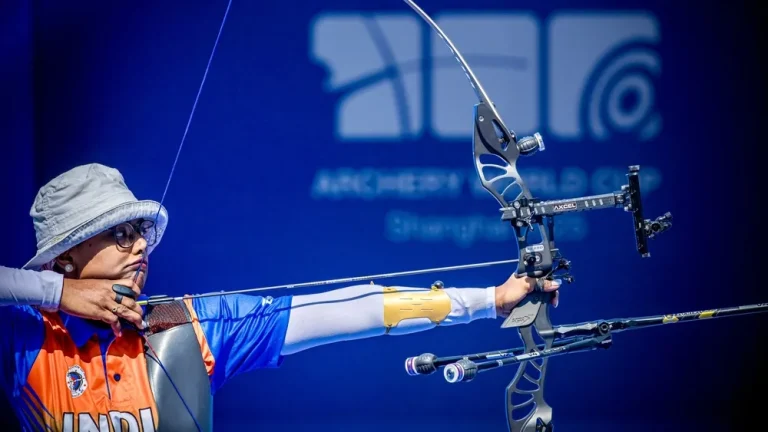
A beginner’s bow is simple and forgiving. An Olympic recurve bow is a highly specialized piece of engineering. Each component is designed to maximize accuracy and consistency, but it also adds a layer of complexity that the archer must master.
The complex equipment is a tool, not a crutch. An unskilled archer with an expensive Olympic bow will still be an unskilled archer. Mastery of the equipment is just one more mountain that an Olympic hopeful must climb.
| Feature | Typical Beginner Bow | Olympic Recurve Bow |
|---|---|---|
| Riser | Often made of wood or simple molded plastic. | Precisely machined from aluminum or carbon fiber for rigidity and balance. |
| Sights | May have no sight or a very simple pin sight. | A micro-adjustable sight for precise aiming at different distances. |
| Stabilizers | None. | A long front rod and two side rods (V-bar) to absorb vibration and stabilize the bow. |
| Clicker | None. | A small device that clicks when the arrow is drawn to the exact same length every time, ensuring consistency. |
| Draw Weight | Low and manageable (15-25 lbs). | High and physically demanding (35-55 lbs). |
The Path to Mastery: What Does it Take?
Reaching the Olympic level is a full-time job that requires a decade or more of total dedication. The journey is long, expensive, and demands enormous sacrifice.
The Training Regimen of an Elite Archer
A typical week for an aspiring Olympian is intense. It is far more than just shooting arrows.
- Shooting Practice: Archers shoot hundreds of arrows per day, 5-6 days a week. This isn’t just mindless repetition; every shot is analyzed for form and consistency.
- Strength and Conditioning: 3-5 days a week in the gym, focusing on back strength, core stability, and overall fitness.
- Mental Training: Daily practice of visualization, meditation, and other techniques with a sports psychologist to build mental resilience.
- Coaching and Analysis: Constant work with coaches, using video analysis to break down and refine every aspect of their technique.
- Nutrition and Rest: A strict diet to fuel performance and a focus on proper sleep and recovery to prevent burnout and injury.
This is a lifestyle, not a hobby. According to World Archery, the international governing body for the sport, athletes at this level have structured their entire lives around training and competition.
The Financial and Time Commitment
The path is also expensive. High-quality Olympic setups can cost thousands of dollars. Add to that the costs of coaching, range fees, tournament entry fees, and travel for competitions, and it quickly becomes a significant financial investment. Most Olympic athletes rely on sponsorships, national funding, or family support to pursue their dream.
But Can YOU Still Enjoy Archery? Absolutely!
After reading all this, you might be feeling a bit discouraged. But here is the most important truth: you don’t have to be an Olympian to fall in love with archery.
The beauty of archery is that it’s scalable. The sport is for everyone, regardless of age, size, or physical ability. The core joy of archery—the satisfying thud of an arrow hitting the target, the peaceful focus it requires, and the feeling of personal improvement—is accessible to all.
The goals of a hobbyist archer are completely different from those of an Olympian, and that’s perfectly okay! Your goal might be to hit the target consistently from 20 yards, to enjoy a relaxing afternoon at the range, or to join a local league for some friendly competition.
| Aspect | Olympic Archer | Hobbyist / Beginner |
|---|---|---|
| Primary Goal | Winning medals on the world stage. | Personal improvement, relaxation, and fun. |
| Equipment Focus | Maximizing precision and performance with top-tier gear. | Finding comfortable, forgiving, and affordable gear. |
| Pressure Level | Extremely high, performing for results. | Low, focused on the enjoyment of the process. |
| Success Metric | Scores, rankings, and competitive victories. | Hitting personal bests, feeling more consistent, having a good time. |
Getting Started: Your First Steps into the World of Archery
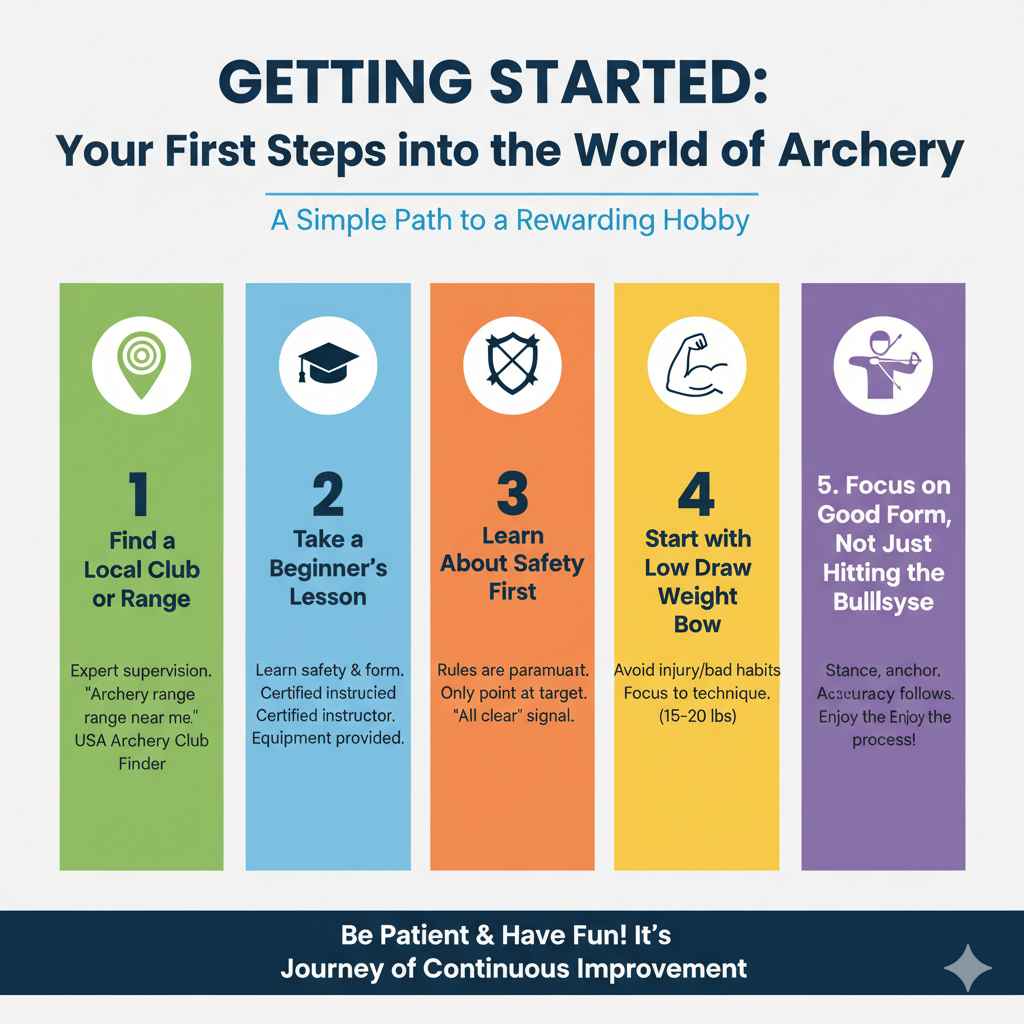
Feeling inspired to pick up a bow? Excellent! Starting your archery journey is easy and incredibly rewarding. Here’s a simple path to follow:
- Find a Local Club or Range: The safest and best way to start is under expert supervision. A quick search online for “archery range near me” is a great first step. Organizations like the USA Archery Club Finder are fantastic resources for locating certified coaches and clubs in your area.
- Take a Beginner’s Lesson: Almost all clubs offer introductory classes. Here, you’ll learn the absolute basics of safety and shooting form from a certified instructor. They will provide all the necessary equipment, so you don’t need to buy anything yet.
- Learn About Safety First: Archery is a very safe sport when rules are followed. Your instructor will teach you the most important rules, such as only pointing an arrow at the target and waiting for the “all clear” signal before retrieving arrows. Safety is always the number one priority.
- Start with a Low Draw Weight Bow: One of the biggest mistakes beginners make is starting with a bow that is too heavy to pull. This leads to bad habits and potential injury. A coach will fit you with a light bow (usually 15-20 pounds) so you can focus entirely on learning proper technique.
- Focus on Good Form, Not Just Hitting the Bullseye: In the beginning, where your arrow lands is less important than how you shot it. Concentrate on learning the steps of a good shot: proper stance, a consistent anchor point, and a smooth release. Accuracy will come naturally as your form improves.
- Be Patient and Have Fun! Archery is a journey of continuous improvement. Some days you’ll shoot great, and other days you won’t. The key is to enjoy the process, celebrate small victories, and not put too much pressure on yourself.
FAQs: Your Olympic Archery Questions Answered
How far do Olympic archers shoot?
Olympic archers shoot from a distance of 70 meters (approximately 77 yards). This is the standard distance for all outdoor Olympic recurve competitions.
What kind of bow is used in the Olympics?
They use a recurve bow. Specifically, it’s a modern takedown recurve bow, which means the limbs can be detached from the riser. These bows are equipped with sights, stabilizers, and other accessories designed for maximum precision, but they do not have magnifying lenses or mechanical release aids.
How strong do you have to be for Olympic archery?
You need specific, well-developed strength, particularly in your back, shoulders, and core. Elite male archers pull draw weights of 45-55 pounds, while elite females pull 35-45 pounds. They must be able to hold this weight steady while aiming. This strength is built over years of specialized training.
Can I learn Olympic-style archery as a hobby?
Absolutely! Many people enjoy shooting Olympic-style recurve bows recreationally. You can join a club, participate in local tournaments, and enjoy the challenge and precision of this style without the intense pressure of elite competition. It’s a fantastic way to improve your skills and discipline.
How much does an Olympic bow cost?
A full professional Olympic recurve setup can be very expensive. A riser, limbs, sight, stabilizers, arrows, and other accessories can easily cost between $2,000 and $4,000 or more. However, excellent intermediate-level setups are available for a fraction of that price, and beginners can start with rental equipment at a club.
What is the hardest part of Olympic archery?
Most elite archers would agree that the mental game is the hardest part. The ability to repeat a shot perfectly under immense pressure, blocking out all distractions and doubts, is what truly separates the champions from the rest of the field.
How long does it take to get good at archery?
You can learn the basics and start hitting the target with reasonable consistency within a few lessons. To become “good” (e.g., proficient enough to join a local league) might take a few months of regular practice. Reaching an elite or Olympic level, however, is a journey that typically takes 8-10 years or more of dedicated, full-time training.
The Final Arrow: It’s a Journey, Not a Shortcut
So, is Olympic archery easy? The shocking truth is that it’s anything but. It is a sport that demands the highest levels of physical conditioning, mental fortitude, and technical perfection. The grace and calm you see on TV are a mask for the incredible power, focus, and years of relentless dedication hidden beneath.
But that difficulty is what makes it so beautiful and inspiring. And the best part is that you can be a part of this amazing world. You don’t need to stand on an Olympic podium to experience the joy of watching your arrow fly true. Start small, find a local club, and focus on your own personal progress. Whether your goal is to win a gold medal or just to spend a relaxing Sunday afternoon at the range, the path begins with a single arrow. Now go have some fun!