How To Adjust Draw Weight On A Golden Eagle Bow: Easy
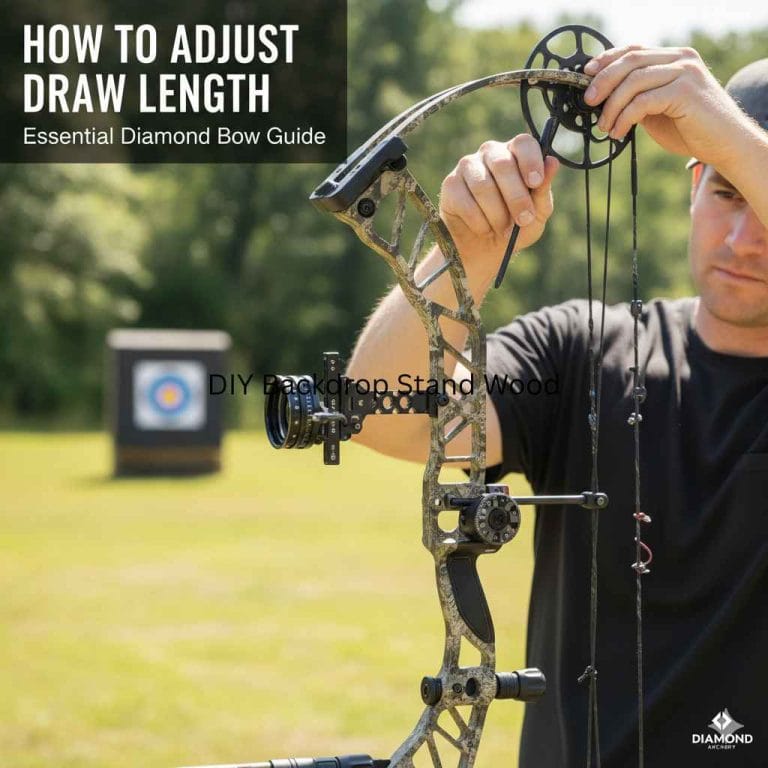
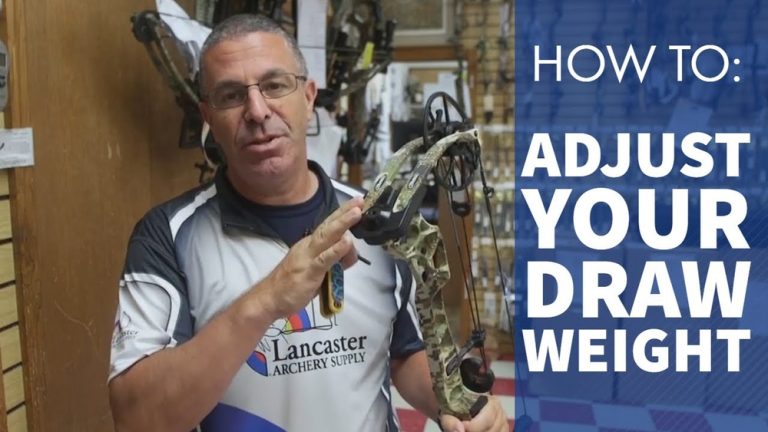
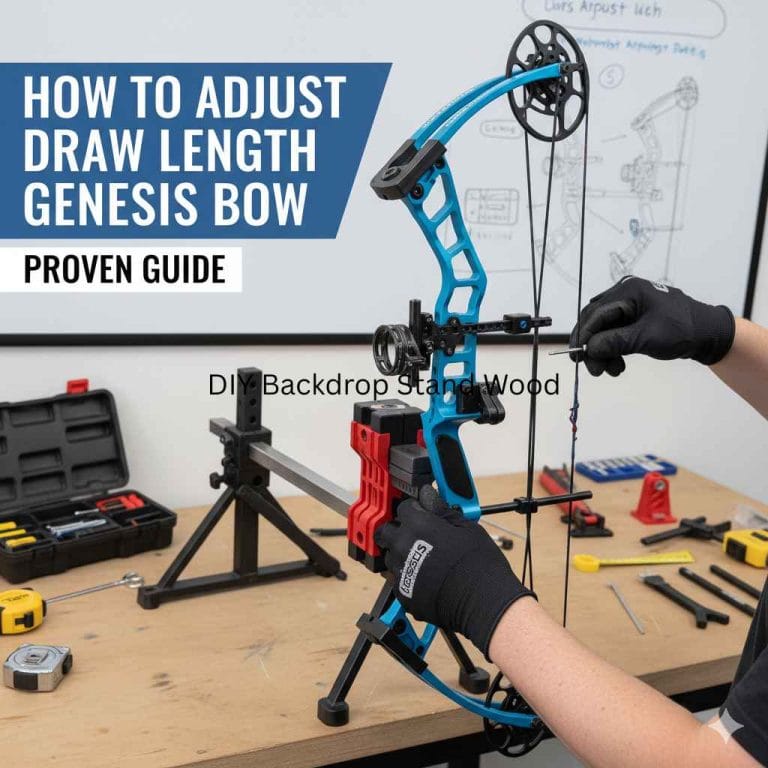
To adjust the draw weight on your Golden Eagle bow, use a correctly sized Allen wrench to turn the limb bolts. Turn them counter-clockwise to decrease the weight or clockwise to increase it. Always make equal, small adjustments to both the top and bottom bolts, typically one full turn at a time, and never loosen them beyond the manufacturer’s recommended limit. For more on this, see our guide on How To Bow Fish Carp. For more on this, see our guide on How To Attach Bow Fish Reel To Genesis.

KYEESE
KYEESE Dog Hoodie for Small Dogs Soft…
- About Size: Please don't choose the size based on your usual size, measure your pet's chest girth in priority, and back length, ge…
- Warm and Breathable:Made of special air layer structure material, the fabric is soft and silky, which can effectively lock in body…
- Long-lasting and Elastic: Highly wear-resistant, not prone to wrinkling or deformation, excellent elasticity, easy for your dog to…
As an Amazon Associate I earn from qualifying purchases.
Hello, archers! I’m Salman Arfeen, and I’m here to help you get the most out of your time with your bow. One of the first hurdles for many new shooters is figuring out the draw weight. If pulling the string back feels like a struggle, your accuracy and enjoyment will suffer. It might even feel a little intimidating to start turning bolts on your equipment.
Don’t worry! Adjusting the draw weight on a classic bow like a Golden Eagle is one of the easiest and most important skills you can learn. It’s a simple mechanical adjustment that makes a huge difference in your comfort and control. In this guide, I’ll walk you through every step, making sure you feel safe and confident. Let’s get your bow perfectly tuned for you.
Why Should You Adjust Your Bow’s Draw Weight?
Think of draw weight as the amount of force you need to pull the bowstring back to its full draw position. It’s measured in pounds (#). For a beginner, starting with a draw weight that is too high is a common mistake. It’s like trying to lift a weight in the gym that’s too heavy—you risk injury and develop bad habits.
Here’s why finding the right draw weight is so important:
- Prevents Injury: Trying to pull too much weight can strain your shoulder, back, and arm muscles. Starting low and building up your strength is the safest path forward.
- Develops Good Form: When the weight is comfortable, you can focus on your stance, grip, and release. If you’re struggling just to pull the string, your form will break down, leading to inconsistent shots.
- Reduces Fatigue: Archery should be fun! If you’re exhausted after just a few shots, you won’t want to practice. A lower draw weight lets you shoot for longer periods, building muscle memory correctly.
- Improves Accuracy: A shaky arm from a heavy draw makes it nearly impossible to aim steadily. When you can hold the bow at full draw without trembling, your groups will get tighter and your confidence will soar.
The goal is to find a weight that feels challenging but manageable. You should be able to pull the string back smoothly and hold your aim for a few seconds without shaking uncontrollably.

Understanding the Key Parts of Your Golden Eagle Bow
Before we start turning screws, let’s quickly identify the parts we’ll be working with. Golden Eagle bows are known for their straightforward design, which is great for learning. You only need to know a few key components for this job.
- The Riser: This is the central, non-bending part of the bow that you hold. It’s the foundation that the limbs, sight, and arrow rest attach to.
- The Limbs: These are the flexible planks at the top and bottom of the riser. They store the energy when you draw the bow and transfer it to the arrow upon release.
- The Limb Pockets: These are the cups or fittings on the riser where the limbs are attached.
- The Limb Bolts: This is the magic ingredient! These are the large bolts that pass through the riser and secure the limbs in the pockets. By tightening or loosening them, you change the angle and tension of the limbs, which in turn adjusts the draw weight. On most Golden Eagle bows, you’ll find one at the top and one at the bottom.
That’s it! Our entire focus will be on those two limb bolts. They are the key to customizing your bow’s power to fit your strength level.
Gathering Your Tools: What You’ll Need
You don’t need a full workshop for this task. The tool list is short and simple, but having the right ones makes all the difference.
- An Allen Wrench Set (Hex Keys): This is your primary tool. Most compound bows, including Golden Eagles, use standard (imperial) sized Allen wrenches. You’ll need to find the specific size that fits snugly into your limb bolts. A set is better than a single wrench, as you can test a few to find the perfect fit.
- A Bow Scale: While you can adjust the bow by “feel,” a handheld digital or spring bow scale is the only way to know the exact draw weight. It removes the guesswork and ensures you are shooting at a weight that is safe and effective for you.
- Safety Glasses: This is non-negotiable. Anytime you work on a bow, you should protect your eyes. It’s a simple precaution that prevents serious injury.
- Your Bow’s Owner’s Manual (Optional but Recommended): If you happen to have the original manual for your Golden Eagle, it will tell you the bow’s draw weight range and the maximum number of turns you can back out the limb bolts. If not, don’t worry—we’ll follow general safety rules.
Safety First: Non-Negotiable Rules Before You Start
Your safety and the integrity of your bow are the top priorities. Please read and follow these rules carefully before you begin. The energy stored in a compound bow is significant, and it must be respected.
- NEVER Adjust a Drawn Bow: Do not attempt to turn the limb bolts while the bow is drawn or even partially drawn. All adjustments must be made when the bow is at rest.
- Always Wear Safety Glasses: Protect your eyes from any potential slips or unexpected releases of pressure.
- Point the Bow in a Safe Direction: Even without an arrow, treat the bow as if it could fire. Keep it pointed away from people, pets, and fragile objects.
- Do NOT Over-Loosen the Limb Bolts: This is the most critical rule. If you back the limb bolts out too far, the limbs can detach from the riser under pressure, causing catastrophic failure of the bow and a serious risk of injury. A general rule of thumb is to never make more than 4-5 full rotations from the fully tightened position, but some bows allow less. Listen for creaks or look for gaps—if the bolt feels loose, you’ve gone too far.
- Work in a Clear, Well-Lit Area: Make sure you have plenty of space and can see exactly what you are doing.
According to safety guidelines from organizations like the Archery Trade Association, proper equipment maintenance is a cornerstone of preventing accidents. Taking these precautions seriously is part of being a responsible archer.
Step-by-Step: How to Adjust Draw Weight on a Golden Eagle Bow
Alright, let’s get to it! Follow these steps in order, and you’ll find the process is quick and easy. We’ll go slow and steady.
- Determine Your Goal: First, decide what you want to achieve. Do you need to decrease the draw weight to make it easier to pull, or are you feeling stronger and ready to increase it? Knowing your target helps you know which way to turn the bolts.
- Select the Correct Allen Wrench: Go through your Allen wrench set and find the one that fits perfectly into the head of the limb bolts. It should slide in completely and have very little wiggle room. Using the wrong size can strip the bolt head, creating a much bigger problem.
- Start with the Top Limb Bolt: Insert the Allen wrench into the top limb bolt.
- To decrease the draw weight, turn the wrench counter-clockwise (to the left, as if you’re loosening a screw).
- To increase the draw weight, turn the wrench clockwise (to the right, as if you’re tightening a screw).
Start by making one full 360-degree turn. Don’t do more than that to start.
- Adjust the Bottom Limb Bolt Equally: Now, move to the bottom limb bolt. Make the exact same adjustment. If you turned the top bolt one full turn counter-clockwise, you must turn the bottom bolt one full turn counter-clockwise. This is crucial for keeping the bow’s “tiller” balanced, which affects how it shoots.
- Repeat in Small Increments: Continue adjusting both bolts in equal, one-turn increments. Turn the top bolt once, then the bottom bolt once. Repeat until you think you are close to your desired weight. Avoid making four or five turns all at once. Small, even steps are the key.
- Check the Draw Weight with a Bow Scale: This step is where you confirm your adjustments. Hook your bow scale onto the D-loop of your bowstring. Pull the string back smoothly just as you would when shooting. The scale will read the peak weight as you draw. Note the measurement. Is it where you want it to be?
- Make Final Adjustments: If the weight is still too high or too low, repeat the process with smaller, half-turn adjustments on both bolts until you hit your target weight. Always adjust the top and bottom bolts equally.
How Much Can You Adjust the Draw Weight?
Most compound bows, including many Golden Eagle models, have a peak draw weight (the maximum weight when the limb bolts are fully tightened) and an adjustment range, typically 10 to 15 pounds below that peak. For example, a 60-pound bow can often be safely adjusted down to 45 or 50 pounds.
The number of turns on the limb bolts corresponds roughly to a certain poundage change. While this varies between bows, the table below gives a general idea.
| Turns Out (Counter-Clockwise from Max) | Approximate Poundage Reduction |
|---|---|
| 1 Full Turn | 2 to 4 pounds |
| 2 Full Turns | 4 to 8 pounds |
| 3 Full Turns | 6 to 12 pounds |
| 4 Full Turns | 8 to 15 pounds (Often near the maximum safe limit) |
Important: This table is an estimate. Always pay attention to your bow. If the bolts become loose or you hear any strange noises, stop immediately and tighten them back a turn. Never force a bolt that feels too tight or too loose.
Common Mistakes Beginners Make (And How to Avoid Them)
Learning a new skill always comes with a few bumps in the road. Here are some common mistakes to watch out for when you adjust your Golden Eagle bow’s draw weight.
- Uneven Adjustments: The most frequent error is adjusting one limb bolt more than the other. This throws off the bow’s tiller, which can negatively impact arrow flight and accuracy. The Fix: Always count your turns and do the exact same thing to both the top and bottom bolts.
- Over-Loosening the Bolts: As mentioned in the safety section, this is dangerous. Backing the bolts out past their safe limit can cause the limbs to pop out of the pockets. The Fix: Stick to a maximum of 4-5 turns from the fully tightened position unless your manual specifies otherwise. If a bolt ever feels wobbly, you’ve gone too far. Tighten it back immediately.
- Guessing the Draw Weight: Adjusting without a scale means you’re only guessing. You might still be pulling more weight than is comfortable or safe for your level of experience. The Fix: Invest in an inexpensive bow scale. It’s an essential tool for any serious archer.
- Forgetting to Check Other Tune Settings: Changing the draw weight can sometimes slightly affect your nocking point or peep sight alignment. The Fix: After you’ve set your new draw weight, take a few practice shots at a close target to see if everything still feels and looks right. Minor sight adjustments may be needed.

What If My Bow Feels Different After Adjusting? Troubleshooting Tips
Sometimes, even after following the steps perfectly, the bow might feel or sound a little different. Here’s a quick troubleshooting guide for common issues.
| Problem | Possible Cause | Solution |
|---|---|---|
| The bow makes a creaking or popping noise when drawn. | The limb bolts may be slightly loose in their threads, or the limb pocket needs lubrication. | Ensure the bolts are snug (not over-tightened). You can also apply a small amount of string wax or lithium grease to the bolt threads and the limb pocket where the limb makes contact. |
| My arrows are suddenly hitting high or low. | Changing the draw weight alters the arrow’s speed. A lower weight means a slower arrow, which will hit lower, and vice versa. | This is normal. You will need to re-sight your bow. Adjust your sight pins up or down to match the new trajectory of your arrow. |
| The bow feels “spongy” or unstable at full draw. | The limb bolts are dangerously loose. | STOP SHOOTING IMMEDIATELY. Tighten the limb bolts (clockwise) at least one or two full turns on both top and bottom before attempting to draw the bow again. |
FAQ: Your Golden Eagle Bow Adjustment Questions Answered
How do I know what my bow’s max draw weight is?
The maximum draw weight and other specifications are usually printed on a sticker located on the inside of the bottom limb of the bow. Look for numbers like “50-60#” or “60#,” which indicates the peak weight.
Can I adjust the draw weight without a bow scale?
You can, but it’s not recommended for beginners. Without a scale, you are only guessing the weight based on feel. A scale provides precise, factual information that helps you track your progress and ensure you are shooting a weight that is appropriate for your strength and form.
How often should I check my draw weight?
You should check it anytime you make an adjustment. Otherwise, checking it once or twice a year is good practice to ensure nothing has shifted. If you take your bow to a pro shop for a new string or other maintenance, they will usually check it for you.
Will changing the draw weight affect my sight pins?
Yes, absolutely. Decreasing the draw weight will make your arrow fly slower and hit lower, so you will need to move your sight pins down. Increasing the draw weight will make your arrow fly faster and hit higher, so you will need to move your sight pins up. Always re-sight your bow after a draw weight adjustment.
What happens if I turn the limb bolts unevenly?
Turning the limb bolts unevenly throws off the bow’s tiller, which is the synchronization of the top and bottom limbs. This can lead to poor arrow flight, increased noise, and inconsistent accuracy. It’s one of the most important things to avoid, so always make equal adjustments.
Is it safe to adjust a very old Golden Eagle bow?
For a vintage bow, it’s wise to first have it inspected by a professional at an archery pro shop. They can check for stress fractures in the limbs or riser that might make it unsafe to shoot or adjust. Safety should always be your first consideration with older equipment.
Where are the limb bolts located on a Golden Eagle bow?
You will find one limb bolt where the top limb connects to the riser and another where the bottom limb connects to the riser. They are large bolts, usually with a hex-head (Allen wrench) socket, and they are responsible for holding the limbs in place.
Conclusion: You’re Ready to Shoot with Confidence
There you have it! Adjusting the draw weight on your Golden Eagle bow isn’t black magic; it’s a simple, empowering skill that puts you in control of your equipment. By following these steps safely and methodically, you’ve tuned your bow to be a perfect match for your current strength and skill level.
Remember the key takeaways: always prioritize safety, make small and equal adjustments to both limb bolts, and use a bow scale to verify your work. This one adjustment can transform your entire archery experience, turning frustration into fun and inconsistency into accuracy.
Now, you can focus on what really matters: building good form, enjoying the quiet focus of the range, and watching your arrows fly true. You’ve taken a huge step toward becoming a more knowledgeable and confident archer. Happy and safe shooting!
Related pick: Check today's price on Amazon