What Archery Tournaments Are Coming Up? Where to Find Them
Finding upcoming archery tournaments is easy when you know where to look. Major organizations like USA Archery, the NFAA, ASA, and IBO host events year-round. Check their official websites for national and state schedules. For local shoots, connect with nearby archery clubs or pro shops, as they host many beginner-friendly competitions not always listed online.
Hello, archers! Salman here. Have you ever felt that spark of excitement after a great practice session and thought, “I wonder if I could do this in a competition?” It’s a natural next step! But then comes the hard part: trying to figure out what archery tournaments are coming up. It can feel like searching for a hidden target in a dense forest.
Many new archers get stuck here. They don’t know which websites to check or what kind of tournament is right for them. It can be discouraging. But don’t worry! This guide is here to help. We are going to walk through exactly where to find tournaments, what the different types are, and how to prepare for your very first one. Let’s turn that confusion into confidence and get you on the shooting line!
Why Compete? The Big Wins Beyond the Trophy
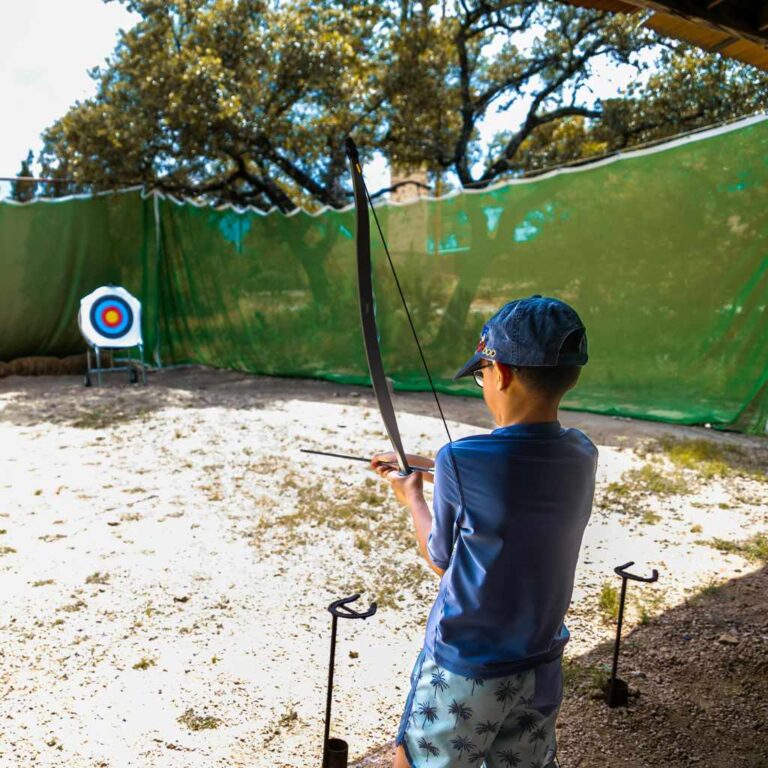
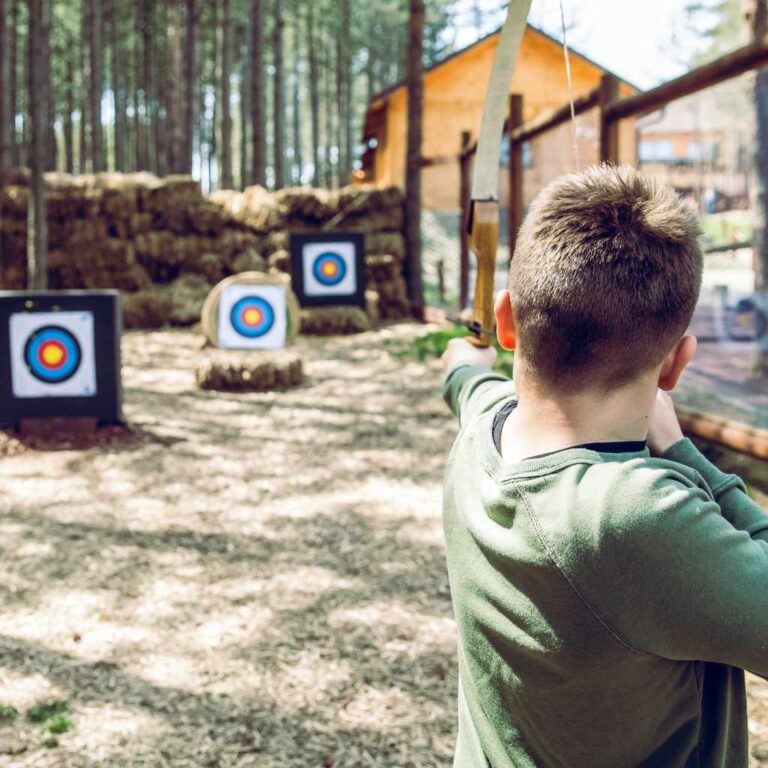
Stepping onto the competition field for the first time can feel a little intimidating, but the rewards are incredible, and most of them have nothing to do with winning. Think of your first tournament as a fun learning experience, not a high-stakes championship.
Here’s why you should give it a shot:
- Measure Your Progress: Shooting in your backyard is great, but a tournament gives you a clear benchmark. It shows you what’s working and what you need to practice. It’s the best way to see how far you’ve come.
- Learn Under Pressure: A little bit of friendly pressure helps you grow. You’ll learn to control your breathing, focus your mind, and execute your shot sequence, even with butterflies in your stomach. These are skills that make you a better archer everywhere.
- Join the Community: The archery community is one of the most welcoming groups you’ll ever meet. At a tournament, you are surrounded by people who share your passion. You’ll make new friends, get helpful tips from seasoned archers, and feel a real sense of belonging.
- Discover New Things: You’ll see different types of equipment, shooting styles, and techniques. It’s a fantastic way to learn more about the sport and get ideas for your own archery journey.
Remember, the goal of your first tournament is to have fun, learn something new, and shoot your best. That’s it! Everyone starts somewhere, and the archery community is always excited to welcome a new competitor.

Understanding the Different Types of Tournaments
Before you start searching for events, it helps to know what kind of archery you want to try. Tournaments come in a few main flavors, each offering a unique challenge. Here are the most common ones you’ll see.
Target Archery (Indoor and Outdoor)
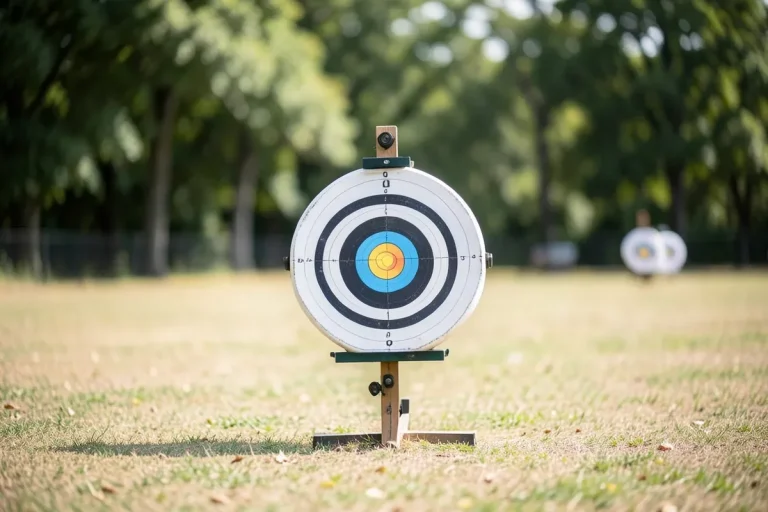
This is the classic style you probably picture when you think of archery competitions, especially the kind you see in the Olympics. Archers shoot at stationary, circular targets at known distances.
- Indoor Target: Usually shot during the winter months. Distances are short (typically 18 meters or 20 yards). It’s a great environment to focus purely on your form and consistency without worrying about wind or weather.
- Outdoor Target: Held in warmer weather. Distances are much longer, ranging from 30 to 90 meters depending on the event and your skill level. You’ll have to learn to manage wind and other environmental factors.
3D Archery
If you love the idea of shooting in a more natural setting, 3D archery is for you. Instead of paper targets, you shoot at life-sized foam animal targets set up along a course that winds through woods or fields. The distances are usually unmarked, so you have to learn to judge the distance to the target, which adds a fun and challenging element.
Field Archery
Field archery is a mix of target and 3D archery. You walk a course, much like in golf, and shoot at paper targets from various distances and angles. Some targets will be at marked distances, while others are unmarked. You might be shooting uphill, downhill, or across a valley, making it a true test of all-around archery skill.
For beginners, an indoor target tournament or a local 3D shoot is often the best place to start. The controlled environment and friendly atmosphere make them perfect for your first competition experience.
The Big Players: Where to Find National and State Tournament Schedules
The easiest way to find major, well-organized events is to go straight to the source: the official archery organizations. These groups sanction competitions across the country, ensuring they are run safely and fairly. Here are the main ones to follow.
1. USA Archery
As the National Governing Body for the U.S. Olympic and Paralympic Teams, USA Archery is the top resource for target archery events. They host everything from local qualifiers to national championships.
- What to Look For: Their website has a comprehensive event calendar that you can filter by state, discipline (indoor, outdoor), and event level.
- Beginner Focus: Look for “State Championships” or local club-hosted events. They also run the Junior Olympic Archery Development (JOAD) program, which is fantastic for young archers.
- Bow Types: They have divisions for Olympic Recurve, Barebow, and Compound bows.
2. National Field Archery Association (NFAA)
The NFAA is a huge organization focused on all styles of archery, with a special emphasis on field and indoor formats. They are known for their iconic blue-and-white single-spot and five-spot targets.
- What to Look For: Visit the NFAA website for their national and sectional tournament schedules. The “Vegas Shoot” is their most famous event, drawing thousands of archers from around the world.
- Beginner Focus: Many local clubs are NFAA-affiliated and host regular leagues and tournaments. These are perfect for getting started. Their scoring system and shooting styles can be different from USA Archery, so be sure to read the rules.
- Bow Types: They welcome a wide variety of styles, including Freestyle (Compound), Bowhunter, Barebow, and Traditional.
3. Archery Shooters Association (ASA)
If 3D archery excites you, the ASA is a name you need to know. They run a very popular Pro/Am (Professional/Amateur) tour across the country. ASA events are known for their friendly atmosphere and challenging courses.
- What to Look For: The ASA tournament schedule is on their main website. They host major qualifying events as well as state championships.
- Beginner Focus: Don’t be intimidated by the “Pro/Am” name! ASA events have numerous amateur classes based on skill and equipment. You’ll be competing against others at a similar level.
- Key Feature: ASA uses a unique scoring system (12, 10, 8, 5, 0 rings) and sets maximum arrow speeds for safety and fairness.
4. International Bowhunting Organization (IBO)
The IBO is the other major force in 3D archery. Their events also travel around the country and culminate in a World Championship. The rules and scoring are slightly different from the ASA, offering a different flavor of competition.
- What to Look For: You can find their schedule of national and world events on the IBO website.
- Beginner Focus: Like the ASA, IBO events have many classes for amateurs. Local clubs often host IBO-rules shoots, which are a great way to test the waters.
- Key Feature: IBO scoring is slightly different (11, 10, 8, 5, 0), and their events often have a strong connection to the bowhunting community.
Your Archery Season at a Glance
Wondering when different types of tournaments happen? While schedules can vary by region, there is a general seasonal flow to the archery world. This can help you plan your year.
| Season | Primary Tournament Type | What to Expect |
|---|---|---|
| Winter (December – March) | Indoor Target Archery | A great time to focus on form at short, controlled distances. This is the peak season for NFAA and USA Archery indoor events. |
| Spring (April – June) | Outdoor Target & 3D Archery | As the weather warms up, competitions move outside. The ASA and IBO 3D seasons are in full swing, and outdoor target events begin. |
| Summer (July – September) | Outdoor Target, Field, & 3D Championships | This is championship season! National championships for USA Archery, NFAA, ASA, and IBO are often held during these months. |
| Fall (October – November) | Local 3D Shoots & Bowhunter Tune-ups | A quieter time for major national events. You’ll find many local clubs hosting fun shoots and events geared toward bowhunters preparing for their season. |
How to Find Local Tournaments (The Real Secret for Beginners)
National events are exciting, but for your first few competitions, staying local is the way to go. Local tournaments are less crowded, more relaxed, and much easier on your wallet. But they can be harder to find. Here’s how to uncover the hidden gems in your area.
- Visit Your Local Archery Pro Shop: This is your #1 resource. The staff at your local shop are deeply connected to the archery scene. They’ll have flyers for upcoming shoots on a bulletin board and can tell you which clubs are active and beginner-friendly.
- Find and Join a Local Archery Club: Use a search engine to look for “archery clubs near me.” Most clubs have a website or a Facebook page with their event calendar. Joining a club is the best way to stay in the loop and practice with fellow archers.
- Use Social Media: Search on Facebook for groups like “[Your State] Archery” or “[Your State] 3D Archery.” These groups are filled with local archers who are always posting about upcoming events.
- Check State-Level Organization Websites: Go to the national websites (USA Archery, NFAA, etc.) and look for a link to their state-level affiliates. These state organizations will have a calendar focused specifically on events in your area.
Preparing for Your First Tournament: A Step-by-Step Guide
Okay, you’ve found a tournament! Now what? A little preparation will help you feel calm, confident, and ready to have fun. Follow these simple steps.
Step 1: Read the Rules and Register
Go to the event website and find the rulebook. You don’t need to memorize it, but you should understand the basics: How is the target scored? How much time do you have to shoot your arrows? What is the dress code? Then, register early. Many tournaments have a deadline, and some fill up fast.
Step 2: Do a Thorough Gear Check
The week before the tournament, inspect all of your equipment. Make sure nothing is loose, worn, or broken. This is not the time to make major changes to your setup! Stick with the gear you know and trust.
Step 3: Practice for the Format
If you’re going to an indoor shoot, practice at that distance. If it’s a 3D shoot, practice judging distances in your backyard or at a local range. Try to simulate the tournament’s timing. For example, practice shooting three arrows in two minutes. This will make the real thing feel familiar.
Step 4: Pack Your Bag the Night Before
Use a checklist to make sure you have everything you need. Rushing around the morning of the tournament is a recipe for stress. Pack your bow, arrows, and all your accessories. Don’t forget essentials like water, snacks, sunscreen, a hat, and a portable chair.

Best Pick for Your Gear Bag
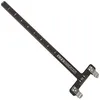
Easton T-Bow Square Archery Tuning Tool
Part of the ‘basic tool kit’ this guide’s own gear checklist recommends packing for tournament-day equipment checks.
- Best for: confirming your setup before the equipment inspection line
- Why we picked it: checks nock point and brace height quickly between ends
- Main drawback: an extra item, but small enough for any gear bag
Compare more options
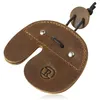 Option 1 Ringsun Leather Archery Finger Tab
| 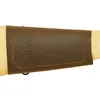 Option 2 SAS Traditional Leather Arm Guard
| 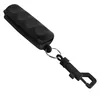 Option 3 Dirvcp Arrow Puller with Belt Clip
|
As an Amazon Associate we earn from qualifying purchases.
Essential Tournament Gear Checklist
Here’s a handy table to help you pack. You probably won’t need everything on the “Good to Have” list for your first local shoot, but the essentials are a must!
| Essential Gear (Must-Haves) | Helpful Gear (Good to Have) |
|---|---|
| Your Bow (Recurve, Compound, etc.) | Binoculars or a Spotting Scope |
| At Least 6 Arrows (12 is better) | Portable Chair or Stool |
| Quiver | Arrow Puller |
| Release Aid or Finger Tab/Glove | Bow Stand |
| Armguard | Basic Tool Kit (Allen wrenches, etc.) |
| Bow Sight (if you use one) | Rain Gear and a Towel |
| Water and Snacks | Sunscreen and Bug Spray |
| Tournament Registration/ID | Clipboard and Pen for Scoring |
On Tournament Day – Relax and Have Fun!
Arrive early to check in, find your spot, and set up your gear without rushing. Remember to be a good sport—cheer on your fellow archers and be respectful of everyone on the line. Most importantly, focus on your own shot process, not your score. Your goal is to learn and enjoy the experience. Talk to the people in your group, ask questions, and soak it all in. This is the fun part!
Frequently Asked Questions (FAQ)
What is the best type of tournament for a beginner?
A local indoor tournament or a fun 3D shoot hosted by a local club is often the best start. The atmosphere is typically very relaxed and welcoming, and you won’t have the pressure of a large, high-stakes event. They are a great way to learn the ropes.
Do I need expensive equipment to compete?
Absolutely not! For your first tournament, the bow you already have and practice with is perfect. As long as your gear is safe and functional, you are good to go. You will see every kind of equipment on the line, from basic beginner bows to top-of-the-line setups.
How do I know which division or class to sign up for?
The event flyer or website will list the different classes. They are usually based on your equipment (e.g., Bowhunter, Barebow, Olympic Recurve), your age, and sometimes your skill level. If you are unsure, contact the tournament organizer or ask someone at your local archery shop. They will be happy to help you choose the right one.
How is a 3D archery tournament scored?
It varies by organization, but generally, you score points based on where your arrow hits the foam animal. The highest scoring area is usually a small ring in the vital area (heart/lung). For example, the ASA uses 12, 10, 8, 5, or 0 points. The IBO uses 11, 10, 8, 5, or 0. A hit anywhere else on the body is typically the lowest point value, and a miss is zero.
How long does an archery tournament usually last?
This can vary a lot. A small local indoor shoot might only take 2-3 hours. A larger outdoor target tournament or a 3D shoot can take half a day or more, sometimes from morning until mid-afternoon. The event schedule should give you a good estimate.
Is it okay to go to a tournament by myself?
Yes, definitely! You will be placed in a group with other archers, so you won’t be shooting alone. The archery community is incredibly friendly. Just introduce yourself to your group, and you’ll likely make new friends before the day is over.
What is the most important rule of tournament etiquette?
Safety first, always. Never point your bow, with or without an arrow, at anything you don’t intend to shoot. Only nock an arrow when you are on the shooting line and the signal to shoot has been given. Beyond that, be quiet and still when others are shooting, and don’t touch anyone else’s equipment without permission.
Your Next Adventure Awaits
Finding and shooting in your first archery tournament is a huge step in your journey. It’s a chance to challenge yourself, meet amazing people, and fall even more in love with this incredible sport. It’s not about winning; it’s about participating. Every archer you see at a competition was once a beginner stepping onto the line for the very first time, feeling the exact same mix of nerves and excitement you are.
So use this guide to explore the event calendars. Find a small, local shoot that looks fun and sign up. Prepare your gear, practice your shots, and go with an open mind. I promise you’ll come away with new friends, valuable experience, and a huge sense of accomplishment. Now go find a tournament and let your arrows fly!