Which of the Following are Bowed String Techniques Glissando Explained
Bowed string instruments like the violin, viola, cello, and double bass have a rich world of techniques. These techniques help musicians create expressive sounds, special effects, and unique musical phrases. One term often discussed is glissando, a sliding movement between notes. But is glissando a bowed string technique? Or is it something broader? Musicians, students, and music lovers often ask which bowed string techniques include glissando, and how glissando compares to other methods.
This article explores the answer in depth. You’ll learn what glissando is, how it works on bowed strings, and which other techniques are closely related. We’ll compare glissando to similar effects, explain its role in classical and popular music, and show practical examples.
Whether you’re a beginner or an experienced player, you’ll get clear explanations, useful tables, and fresh insights you might not find elsewhere. Let’s dive in and discover which of the following are bowed string techniques, glissando included.
Understanding Bowed String Techniques
Bowed string techniques refer to the methods and ways musicians use the bow and fingers to produce different sounds on instruments such as the violin, viola, cello, and double bass. These techniques shape the tone, color, and expressiveness of the music. Some techniques are common and basic, while others are advanced and used for special effects.
Common Bowed String Techniques
Here are some of the most widely used bowed string techniques:
- Legato, Playing notes smoothly, connecting each note with the bow.
- Staccato, Short, detached notes, often played with a quick bow movement.
- Spiccato, Bouncing the bow lightly on the string for crisp, separated notes.
- Pizzicato, Plucking the string with a finger, not using the bow.
- Vibrato, Slightly rocking the finger back and forth to create a wavering pitch.
- Glissando, Sliding the finger along the string while bowing, creating a continuous pitch change.
- Sul ponticello, Bowing near the bridge for a bright, glassy sound.
- Sul tasto, Bowing near the fingerboard for a soft, muffled sound.
- Col legno, Striking the string with the wood of the bow, not the hair.
Many of these techniques are used in both classical and modern music. Each has its own sound and emotional effect.
What Is Glissando?
The glissando is a technique where the player slides their finger smoothly along the string while the bow keeps moving. The pitch changes continuously from one note to another, rather than jumping. The word comes from the Italian “glissare,” meaning “to glide.” Glissando can be fast or slow, subtle or dramatic, depending on the music.
Glissando is used in solos, orchestral pieces, jazz, pop, and even film scores. It creates a feeling of movement, excitement, or longing. The technique is easy to recognize but hard to master, making the slide smooth, accurate, and expressive takes practice.
The Role Of Glissando In Bowed String Instruments
The glissando is a signature effect in bowed strings. But is it only a bowed string technique? Or does it appear in other instruments too?
Glissando In Bowed Strings
On violin, viola, cello, and bass, glissando works like this: the player starts on one note, then slides the finger up or down the string while continuing to bow. The pitch moves smoothly between the two notes. The speed, length, and pressure of the slide affect the sound.
In orchestral music, glissando is often written for expressive moments. For example, Tchaikovsky’s Violin Concerto has glissandi that add drama. In jazz, players use glissando for bluesy effects. In pop, glissando can mimic the sound of a voice or a guitar bend.
Glissando Across Instruments
Glissando is not limited to bowed strings. Piano, harp, trombone, and even voice can produce glissando effects. However, the way glissando is done on bowed strings is unique because the slide happens on a single string, with continuous bowing.
When a composer writes “glissando” for a violin, they expect the player to slide the finger along the string while bowing. For a piano, glissando means running a finger up or down the keys quickly.
Pro Tip: On bowed strings, glissando is more expressive because the player controls both pitch and tone during the slide.
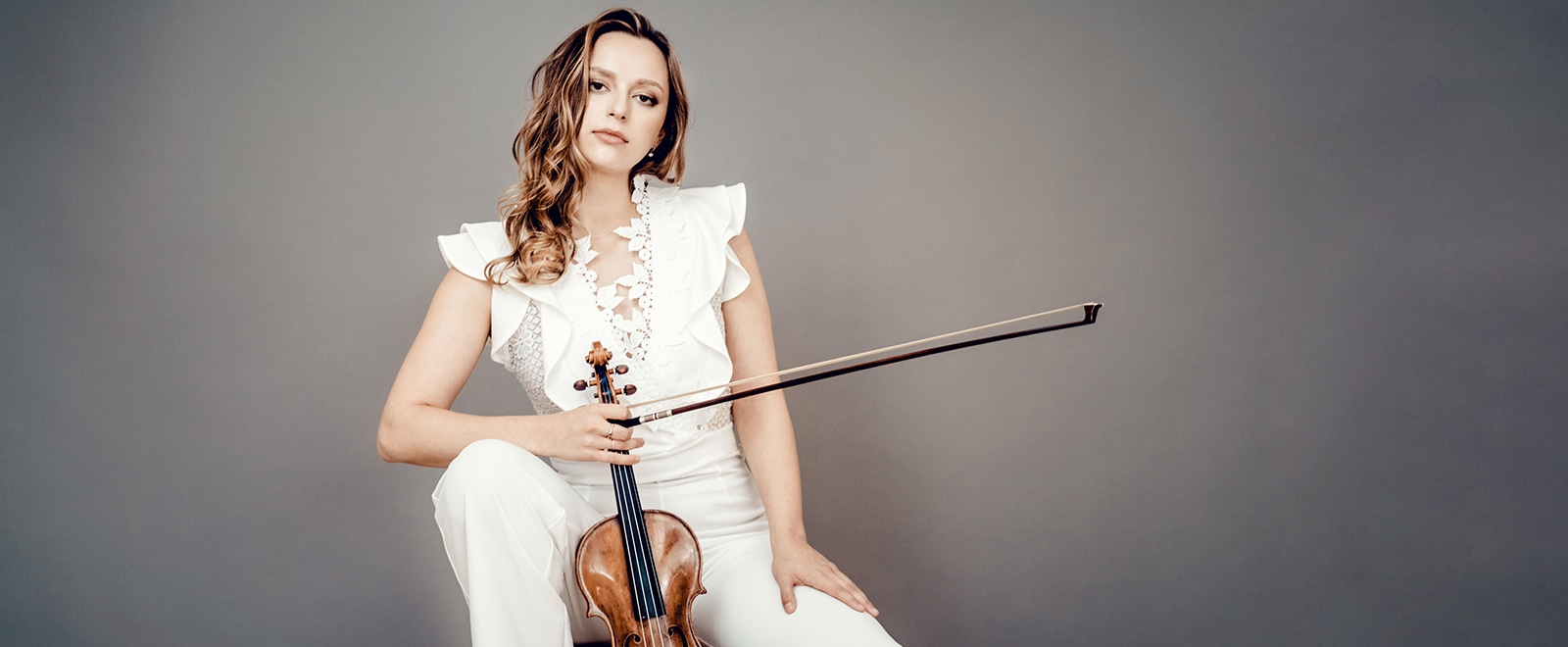
Credit: www.opus3artists.com
Glissando Compared To Other Bowed String Techniques
To understand where glissando fits, let’s compare it to other bowed string techniques. Here’s a simple comparison:
| Technique | Main Action | Sound Effect |
|---|---|---|
| Legato | Smooth bow, connected notes | Flowing, continuous |
| Staccato | Short bow, detached notes | Sharp, separated |
| Spiccato | Bouncing bow | Crisp, light |
| Glissando | Sliding finger with bow | Continuous pitch change |
| Vibrato | Rocking finger, steady bow | Wavering pitch |
Glissando stands out as the only technique where the pitch moves smoothly between notes in one bow stroke. Others focus on how the bow moves or how the notes are played, but not sliding pitch.
Similar Techniques And Common Confusion
Some techniques are confused with glissando:
- Portamento: Also a slide between notes, but usually shorter and more subtle. Portamento is often used in vocal music and string solos. It is sometimes called a “mini-glissando.”
- Vibrato: Changes pitch rapidly, but only within a small range. Vibrato adds warmth, not a full slide.
- Bending: In jazz or pop, players bend the pitch by pushing the string sideways. This is not glissando, but can sound similar.
In my experience, beginners often mix up glissando and portamento. The main difference is the length and speed of the slide, glissando covers a wider pitch range, portamento is smaller.
How To Perform Glissando On Bowed Strings
Learning glissando takes practice. The technique is simple to describe, but tricky to do well.
Step-by-step Glissando Guide
- Choose your starting note, Place your finger firmly on the string.
- Start bowing, Begin a steady, smooth bow stroke.
- Slide your finger, Move your finger up or down the string, keeping pressure.
- Control speed, Decide how fast or slow the slide should be, based on the music.
- End on the target note, Stop the slide exactly on the final note.
Example: On violin, start on A (first finger on G string), slide up to D (fourth finger), keeping the bow moving. The sound glides from A to D without stopping.
Tips For Smooth Glissando
- Keep finger pressure consistent so the slide is clear and not scratchy.
- Listen for a clean start and end, don’t let the slide go too far or stop short.
- Practice slow slides first, then speed up as you gain confidence.
- Use the bow evenly, don’t speed up or slow down the bow during the slide.
Warning: If you don’t keep steady finger pressure, the glissando can sound rough or uneven.
Credit: www.soundsonline.com
When Glissando Is Used In Music
Glissando is common in many styles. Musicians use it for different reasons:
- Classical music: For expressive, emotional moments. Composers like Ravel and Debussy use glissando for dreamy effects.
- Jazz: For bluesy slides and improvisation.
- Pop and rock: To mimic singing or guitar bends.
- Film scores: Glissando creates tension or drama.
Famous Examples
- Ravel’s “Boléro”: The strings use glissando for dramatic rises and falls.
- Tchaikovsky’s Violin Concerto: Violin solos include glissando for excitement.
- John Williams’ film scores: Glissando in strings creates suspense and movement.
Glissando is not just for solos, sometimes whole sections of the orchestra play glissando together.
Glissando Notation And Interpretation
Composers write glissando in sheet music using lines or the word “gliss. ” Players must interpret the direction, speed, and style.
How Glissando Is Written
- A straight line between two notes means glissando.
- The word “gliss.” may appear above the notes.
- Arrows or wavy lines can show the direction.
Players decide how big or small the slide is, based on the context. Sometimes the composer gives detailed instructions, sometimes not.
| Notation | Player’s Action | Common Use |
|---|---|---|
| Line between notes | Full slide | Orchestral effects |
| “gliss.” label | Player’s choice | Solo passages |
| Wavy arrow | Fast slide | Modern music |
Advanced Glissando Techniques
Once the basic glissando is mastered, players can try advanced versions.
Multiple Glissandi
Some pieces ask for glissandi on more than one string at once. This is challenging and creates rich effects.
Harmonic Glissando
Sliding the finger lightly, producing harmonics instead of regular notes. The sound is airy and bright.
Double Stops With Glissando
Playing two notes at once (double stop), and sliding both fingers together. Used in advanced violin solos.
Example: In Paganini’s works, double stop glissandi show off technical skill.
Glissando In Modern And World Music
Glissando appears in many cultures and modern genres.
Modern Music
Electronic music sometimes samples string glissandi for unique sound effects. Pop bands use glissando in string arrangements.
World Music
Indian classical music uses sliding notes (meend), similar to glissando. Chinese erhu players use glissando for emotion.
Pro Tip: Understanding glissando helps players adapt to many musical styles.
Which Techniques Are Bowed String Techniques (including Glissando)?
The main bowed string techniques are those that use the bow (not fingers alone) to create effects. Glissando is one, but let’s clarify which others are true bowed techniques.
| Technique | Uses Bow? | Is Glissando? |
|---|---|---|
| Glissando | Yes | Yes |
| Legato | Yes | No |
| Spiccato | Yes | No |
| Pizzicato | No | No |
| Vibrato | Yes | No |
| Portamento | Yes | No (related) |
| Col legno | Yes | No |
From this, glissando is clearly a bowed string technique. Others, like pizzicato, do not use the bow.
Non-obvious Insights About Glissando
Many beginners miss these points:
- Glissando can start or end on a harmonic, Not just regular notes, but also airy, overtone notes.
- Glissando changes tone color as well as pitch, The sound can become brighter or darker as you slide.
- Glissando is easier on higher strings, On violin, the E string slides smoothly, while the G string can be harder.
- Glissando can be used in ensemble, not just solo, Whole string sections can play glissando together for dramatic effects.
In my experience, mastering glissando adds confidence to your playing and opens up new musical possibilities.
Common Mistakes When Learning Glissando
Avoid these errors:
- Sliding too fast or too slow for the music.
- Not keeping steady finger pressure, leads to uneven sound.
- Ending the slide off-pitch, practice landing exactly on the target note.
- Using too much bow pressure, can cause a scratchy sound.
- Overusing glissando, makes the music sound exaggerated.
Pro Tip: Record yourself playing glissando and listen for smoothness and accuracy.
Practical Applications And Learning Strategies
If you want to improve your glissando, try these steps:
- Practice slow glissandi between two notes, using a metronome.
- Try glissando on different strings, notice the change in tone.
- Use glissando in scales, slide between each note.
- Listen to recordings of famous players and try to imitate their style.
- Work with a teacher to correct finger and bow technique.
Glissando is not just a trick, it adds real emotion and character to music.
Comparison: Glissando Vs Portamento Vs Vibrato
These three are often mixed up. Here’s a clear comparison:
| Technique | Pitch Change | Length | Typical Use |
|---|---|---|---|
| Glissando | <