Where to Hit a Deer With a Bow Archery Tournament Tips
Bow archery tournaments that focus on deer targets require a unique combination of skill, knowledge, and precision. Many archers approach these tournaments with hunting experience, but the competition environment is different. Instead of tracking a live animal, you face life-size deer targets, often with scoring zones that simulate ethical shot placement.
Success comes not just from hitting the target, but from hitting the right spot, the area that would lead to a quick, humane kill in a real hunting scenario. Understanding where and how to hit a deer target in a bow archery tournament can elevate your score, build your confidence, and help you develop habits that translate to ethical hunting in the field.
This article explores everything you need to know about where to hit a deer with a bow during an archery tournament. We’ll look at anatomy-based scoring, techniques for consistent accuracy, tournament rules, and little-known tips that set top archers apart.
Whether you’re new to archery competitions or looking to refine your skills, you’ll find practical, clear advice to help you succeed.
Understanding Deer Anatomy For Archery Tournaments
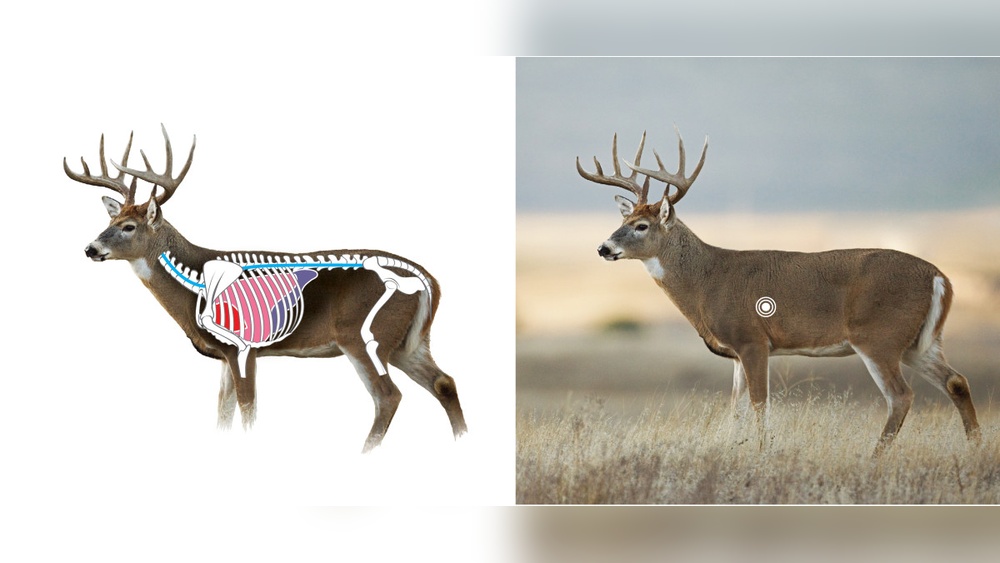
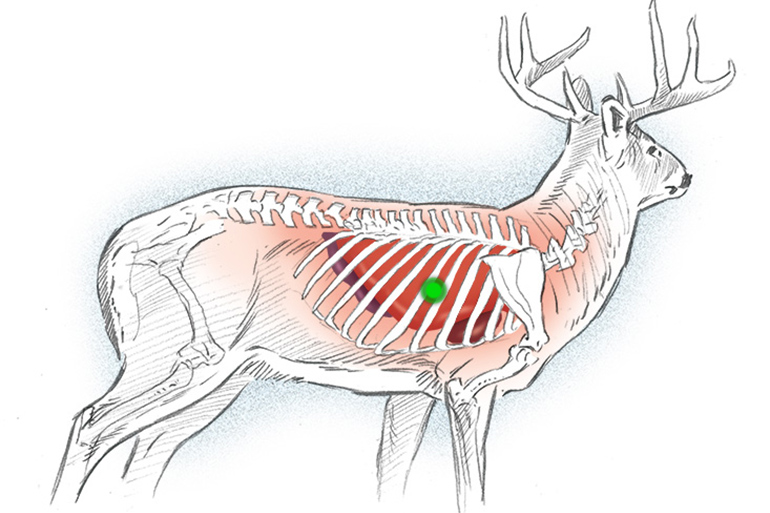
Before you can consistently score well in a deer archery tournament, you need a solid understanding of deer anatomy. Tournament targets are designed to mimic the vital zones of a real deer, focusing on the heart and lungs. Knowing where these organs are located on the target, and how they relate to the scoring system, is essential.
The vital zone is typically located just behind the front shoulder of the deer. This area is crucial because a shot here, in a real hunting scenario, leads to rapid blood loss and a quick, humane end. Tournament targets often have visible or slightly raised rings to indicate this zone, but in some competitions, you may need to rely on your anatomical knowledge.
Key Vital Areas
- Heart: Located low and slightly forward in the chest, just above the front leg joint.
- Lungs: Larger than the heart, the lungs sit above and behind the heart, filling most of the chest cavity.
- Shoulder/Scapula: The solid bone of the shoulder should be avoided because arrows can deflect or fail to penetrate deeply.
Pro Tip: In tournaments, always aim for the center of the lung area for the most forgiving margin of error. The heart is a smaller target, so unless you are extremely confident, prioritize the lungs.
Tournament Scoring Zones And Target Types
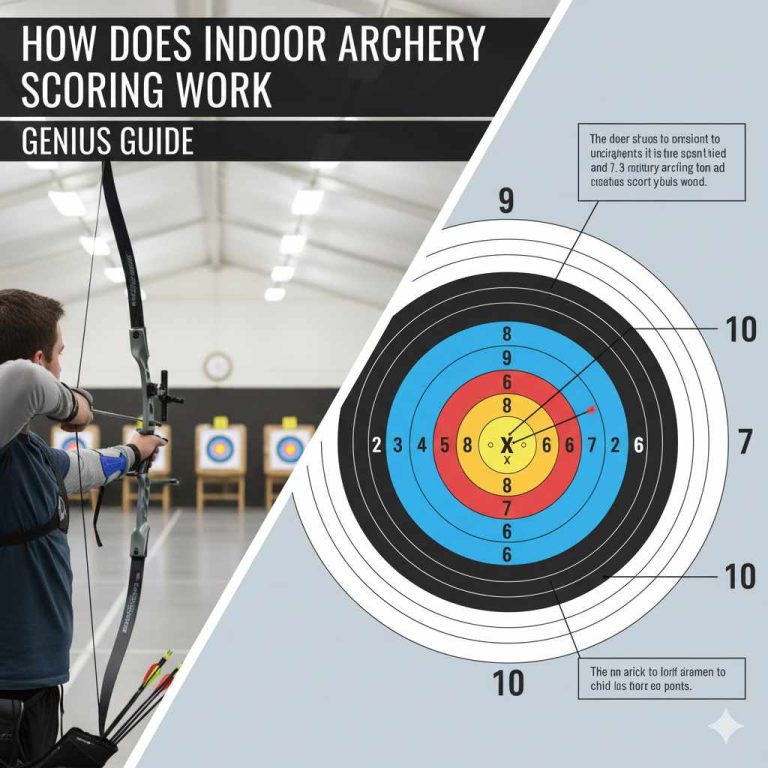
Different tournaments use varying scoring systems, but most follow similar principles. A typical 3D deer target will have concentric scoring rings:
- 10-ring: Centered over the vital zone (heart/lungs)
- 8-ring: Surrounds the 10-ring, still within the lungs
- 5-ring: Anywhere else on the body
Some tournaments offer a 12-ring or even a 14-ring, which are smaller spots within the 10-ring, designed for expert-level accuracy. The location of these rings can vary by brand and event.
Here’s a quick comparison of common 3D target scoring zones:
| Ring | Point Value | Location | Difficulty |
|---|---|---|---|
| 12-ring | 12 | Small spot in the heart/lung area | Very High |
| 10-ring | 10 | Vital zone (lungs/heart) | High |
| 8-ring | 8 | Outer lung area | Medium |
| 5-ring | 5 | Anywhere else on the body | Low |
Knowing the exact location of these zones on your tournament’s target is crucial. Some archers bring a photo of the target or practice on the same model to memorize the scoring areas.
The Best Shot Placement In Tournaments
Consistent high scores come from targeting the center of the vital zone. In most tournaments, this means aiming for the center of the 10-ring or, if you’re confident, the 12-ring. However, shot placement depends on several factors:
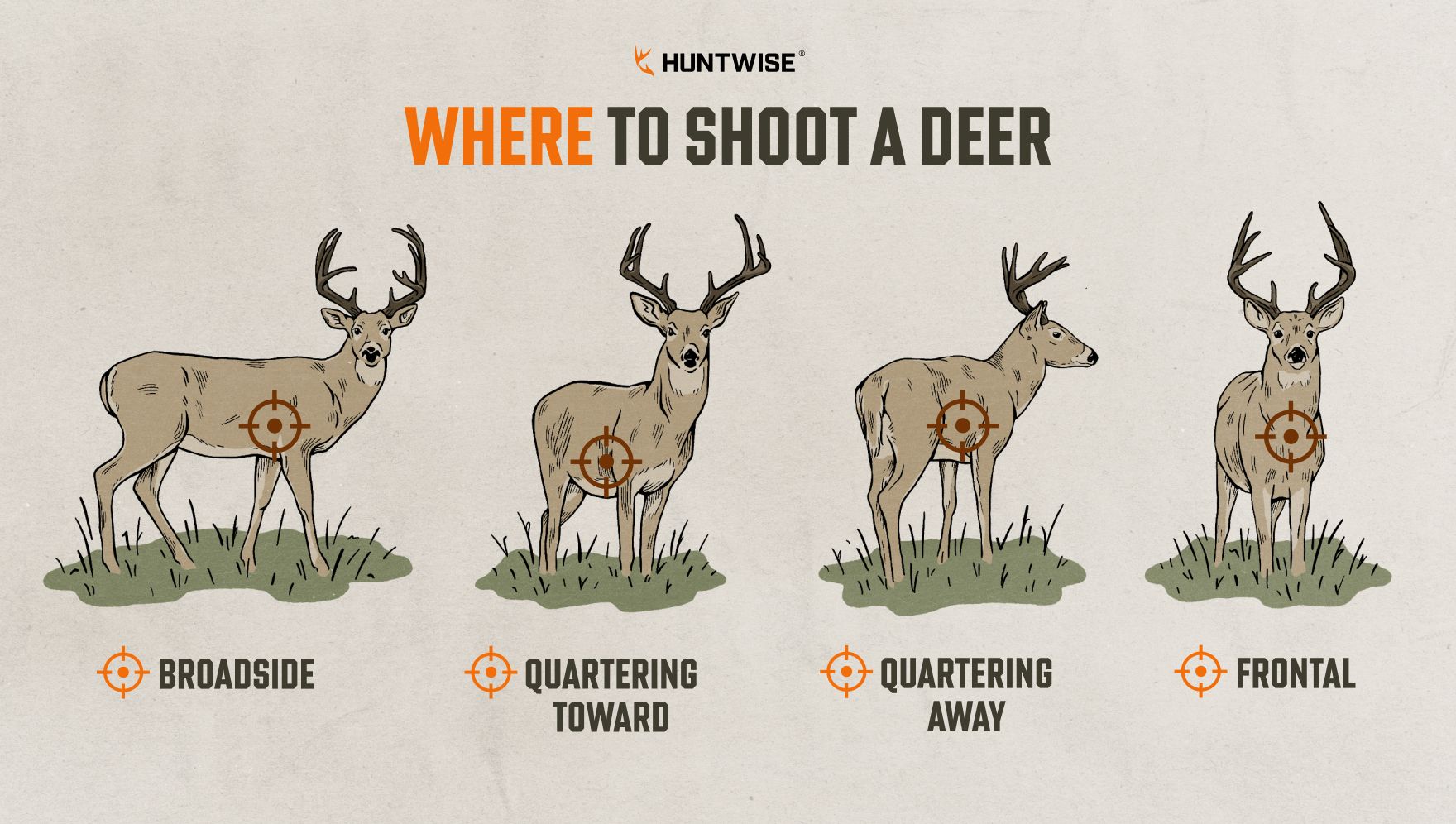
- Angle of the target: Is the deer broadside, quartering away, or quartering toward?
- Distance: How far are you shooting?
- Height: Are you shooting from an elevated platform?
For a typical broadside shot (the deer’s side faces you), the best spot is slightly behind the front shoulder, about one-third up from the bottom of the chest. This spot gives you the largest margin for error and hits both lungs.
Adjusting For Angled Shots
Not every shot in a tournament is broadside. Sometimes, targets are placed at angles to simulate real hunting conditions.
- Quartering away: Aim slightly farther back, so the arrow passes through both lungs.
- Quartering toward: These are often less common in tournaments, but if present, aim just in front of the near-side shoulder, so the arrow exits through the far-side lung.
Pro Tip: Many beginners forget to adjust for angle, leading to lower scores. Visualize the path of the arrow through the target, not just the entry point.
Common Mistakes When Aiming At Deer Targets
Even experienced archers make errors that can cost them points. Recognizing and avoiding these mistakes will help you improve your performance.
- Aiming Too Low or Too High: Stress and excitement can cause you to drop or raise your bow arm, missing the vital zone.
- Not Adjusting for Distance: Misjudging the range leads to arrows landing too far forward or back.
- Ignoring the Angle: As discussed, failing to compensate for a quartering target often results in poor placement.
- Target Panic: Rushing the shot due to nerves causes bad form and poor accuracy.
Example: In my experience, even after years of hunting, my first tournament saw me consistently hitting too far back on quartering-away targets. After reviewing my shots, I realized I was using my hunting habits, not tournament scoring strategies.
Techniques For Consistent Accuracy
To consistently hit the right spot on a deer target, focus on the following techniques:
- Anchor Point Consistency: Always draw to the same anchor point on your face. This is the foundation of repeatable accuracy.
- Proper Sight Picture: Align your peep sight and front sight with the target’s vital zone, not just the body outline.
- Smooth Release: Avoid jerking the release or “punching” the trigger. A smooth, controlled release improves arrow flight.
- Follow Through: Keep your bow arm up and steady after the shot. Dropping it too soon can alter arrow trajectory.
Training with realistic deer targets at varied distances and angles will reinforce these habits. Many top archers also use video analysis to spot flaws in their form.
Understanding Tournament Rules And Ethics
Each archery tournament has its own set of rules about scoring, shot distance, equipment, and conduct. It’s important to review these rules before competing to avoid penalties and disqualification.
Key Rules To Know
- Scoring: Arrows must clearly touch or break the scoring ring to earn higher points.
- Time Limits: Many tournaments limit the time you have to shoot, adding pressure.
- Arrow Type: Some events have restrictions on broadheads or arrow diameter.
- Conduct: Unsportsmanlike behavior, such as distracting other shooters, is penalized.
Ethics also matter. In hunting-focused tournaments, consistently targeting the vital zone reflects respect for the animal, even when shooting at a foam target. It’s good practice for real-life hunting scenarios.
Credit: www.bowhunter.com
Practicing For Tournament Success
Preparation is key to performing well in deer archery tournaments. Practice sessions should mimic tournament conditions as closely as possible.
Building Effective Practice Routines
- Use 3D Deer Targets: Practice on life-size models with marked scoring rings.
- Vary Shooting Angles and Distances: Don’t always shoot from the same spot.
- Simulate Pressure: Time your shots or shoot with friends to add competition stress.
- Review Your Groups: Track where your arrows land. Adjust your aim and anchor point as needed.
| Practice Element | How to Implement | Benefit |
|---|---|---|
| Distance Variation | Shoot from 20, 30, 40 yards | Improves range estimation |
| Angle Simulation | Move targets to different positions | Prepares for real tournament setups |
| Timed Shots | Set a timer for each shot | Trains for competition pressure |
| Scoring Review | Mark and analyze each shot | Identifies consistent errors |
Choosing The Right Equipment For Deer Archery Tournaments
Your bow setup can impact your ability to hit the vital zone consistently. While most tournaments allow a range of equipment, some features can give you an edge.
Important Equipment Considerations
- Bow Type: Compound bows are most common due to their accuracy and speed, but recurve and traditional bows are also used.
- Arrow Selection: Choose arrows that fly true and group tightly. Heavier arrows may offer better penetration, but lighter arrows can be faster.
- Sight Quality: A clear, adjustable sight helps you pinpoint the vital zone at different distances.
- Release Aid: Mechanical releases reduce human error and improve consistency.
Pro Tip: Test your equipment before the event. Changes in temperature or humidity can affect arrow flight. In one tournament, I found my sight was off by two clicks due to a sudden temperature drop.
Little-known Insights For Tournament Success
Most guides focus on basics, but a few advanced tips can make a big difference:
- Memorize Target Models: Different brands place the scoring rings in slightly different spots. Study the target used in your tournament.
- Visualize the Arrow Path: Always imagine where the arrow will exit, not just where it enters.
- Check for Wind: Even in outdoor tournaments, a light breeze can move your arrow. Watch grass or flags to judge wind direction.
Many beginners overlook the importance of mental preparation. Visualizing successful shots and staying calm under pressure are as important as physical skill.
Comparing Tournament And Real-life Hunting Shots
While the skills are similar, shooting at a target deer in a tournament differs from shooting a live animal. Tournament targets don’t move, and there’s no ethical risk if you miss the vital zone.
| Aspect | Tournament | Real Hunting |
|---|---|---|
| Target Movement | Stationary | Moving/Alert |
| Pressure | Peer/judges | Personal/Ethical |
| Consequence of Miss | Lower score | Wounded animal |
| Shot Placement | Scoring zone | Vital zone (ethics) |
Understanding these differences helps you adjust your mindset and approach for each scenario.
Maintaining Focus And Confidence During Competition
Mental strength is a major factor in tournament archery. The ability to block out distractions, handle pressure, and trust your training can make the difference between a winning shot and a missed opportunity.
Confidence-building Tips
- Stick to Your Routine: Develop a pre-shot routine and use it every time.
- Breathe Deeply: Deep breaths calm nerves and steady your hands.
- Visualize Success: Picture the arrow hitting the center of the scoring ring before you shoot.
- Learn from Each Shot: Don’t dwell on mistakes; make corrections and move on.
Example: I once saw an archer miss his first shot, take a moment to reset, then shoot a perfect round. The ability to recover quickly is a skill in itself.
Frequently Asked Questions
What If My Arrow Lands On The Edge Of A Scoring Ring?
Most tournaments use the “line breaker” rule: if your arrow touches or breaks the line of a higher scoring ring, you get the higher score. Always check with judges if you are unsure, as lighting and angle can make it hard to see. Carry a small magnifier to check your arrows after each shot for official scoring.
Can I Use Hunting Broadheads In A Tournament?
Most competitions require field points, not broadheads, because broadheads damage targets and are less accurate for repeated shots. Check tournament rules before bringing your arrows. Some specialty events may allow broadheads, but they are rare.
Credit: huntwise.com
How Do I Estimate Distance If Rangefinders Are Not Allowed?
Practice judging distance by eye. Use objects near the target (like trees or posts) as reference points. Some archers use the size of the target’s body parts compared to their sight picture. Training with known distances at home helps build accuracy in judging unknown ranges.
Is There A Difference Between Aiming Points For Left- And Right-handed Shooters?
The aiming point on the deer’s body is the same, but left-handed shooters may have a slightly different view of the target’s angles. Pay attention to your body alignment and ensure your stance allows you to see the full vital zone, especially on angled targets.
Credit: www.themeateater.com
How Can I Practice For Tournament Nerves At Home?
Simulate pressure by shooting in front of friends or family, timing your shots, or creating small competitions. Record your shots on video for later review. The more you practice under pressure, the more comfortable you’ll feel in real tournaments.
Success in deer archery tournaments is about more than hitting a foam animal, it’s about understanding anatomy, mastering shot placement, and maintaining composure under pressure. By focusing on the vital zone, practicing realistic scenarios, and paying attention to tournament rules, you can improve your scores and build skills that translate into ethical hunting.
Remember, every shot is a chance to learn and improve, whether you’re on the range or in the field. For more on bowh