When Did People Start to Compete in Archery Competitions?
Archery is one of the world’s oldest skills. For thousands of years, people used bows and arrows for hunting and war. But when did people start to compete in archery competitions, aiming not for survival, but for honor, prizes, or simply the love of the sport?
The journey from battlefield to tournament field is full of fascinating shifts, some surprising even to experienced archers. This article explores the origins and development of archery as a competitive activity, tracing its path from ancient rituals to the modern Olympic stage.
The Ancient Roots Of Archery Competitions
Archery’s story begins long before written history. Early humans painted images of archers on cave walls, but these scenes usually show hunting or battle, not organized competition. The shift from survival to sport happened slowly, and differently across regions.
Early Examples In Asia And The Middle East
The oldest known organized archery events come from ancient China. Records show that by the time of the Western Zhou Dynasty (around 1046, 771 BCE), archery was part of court ceremonies and military training. These events were more than simple contests, they blended ritual, music, and strict rules. Archers shot at targets while musicians played, and their accuracy was considered a sign of virtue and leadership.
In ancient Egypt, archery contests were sometimes held as demonstrations of skill, especially for pharaohs. The famous Ramses II, for example, was praised for his archery prowess in battle, but there are also accounts of competitions to select the best archers for his army.
The Middle East also has a deep history with archery competitions. Persian texts from the Achaemenid Empire (550, 330 BCE) describe archery contests at royal banquets. These were not open tournaments, but they set the stage for later sporting traditions.
Europe’s Medieval Tournaments
Archery competitions in Europe took off during the Middle Ages. In England, the longbow became a symbol of national power. Laws required men to practice archery, and competitions, called “butts”, were held in villages and cities.
By the 14th century, annual archery tournaments became common. Winners received prizes like money, livestock, or even silver arrows. These events were both serious training and festive gatherings. Some local competitions, such as the Ancient Scorton Arrow in Yorkshire, have been held almost every year since 1673, making them among the oldest continuous sporting events in the world.
Archery And Ritual In Other Cultures
In Japan, archery competitions have a spiritual side. The ritualized practice of kyudo (the “way of the bow”) developed from the samurai’s martial training. By the 16th century, the famous Toshiya contest began at Sanjusangendo Temple in Kyoto. Archers tried to shoot as many arrows as possible along a long hall, sometimes thousands in one day. This was not just sport, but a test of endurance, technique, and spirit.
Korean archery, gungdo, also has deep roots. By the Joseon Dynasty (1392, 1897), formal competitions were held, often attended by royalty.
The Transition To Modern Archery Competitions
As archery’s military role faded, its place as a sport grew. The 18th and 19th centuries marked a turning point, especially in Europe.
The Birth Of Modern Rules
By the late 1700s, archery societies formed across England and Scotland. The Royal Toxophilite Society, founded in London in 1781, set many of the rules still used in target archery today. Competitions became more standardized, with clear distances, target sizes, and scoring systems.
These societies also encouraged social gatherings, with archery often followed by dinners or dances. Women began to join archery clubs in the 1800s, one of the few sports open to them at the time.
The First International Competitions
The rise of international travel and communication led to the first cross-border contests. The Grand National Archery Meeting in England (first held in 1844) brought together top archers from across the country. By the late 1800s, similar events took place in France, Belgium, and the United States.
The United States saw the formation of the National Archery Association in 1879, which helped organize national tournaments and set rules. These events drew hundreds of archers, both amateur and professional.
Example: Comparing Ancient And Modern Competitions
To see how archery contests have changed, look at this comparison:
| Era | Purpose | Participants | Style |
|---|---|---|---|
| Ancient China (Zhou) | Ritual, military training | Nobles, soldiers | Formal, ceremonial |
| Medieval England | Practice, local honor | Common men, knights | Public, festive |
| Victorian Britain | Sport, social event | Men and women | Club, competitive |
| Modern Olympics | International sport | Both genders, all nations | Highly regulated |
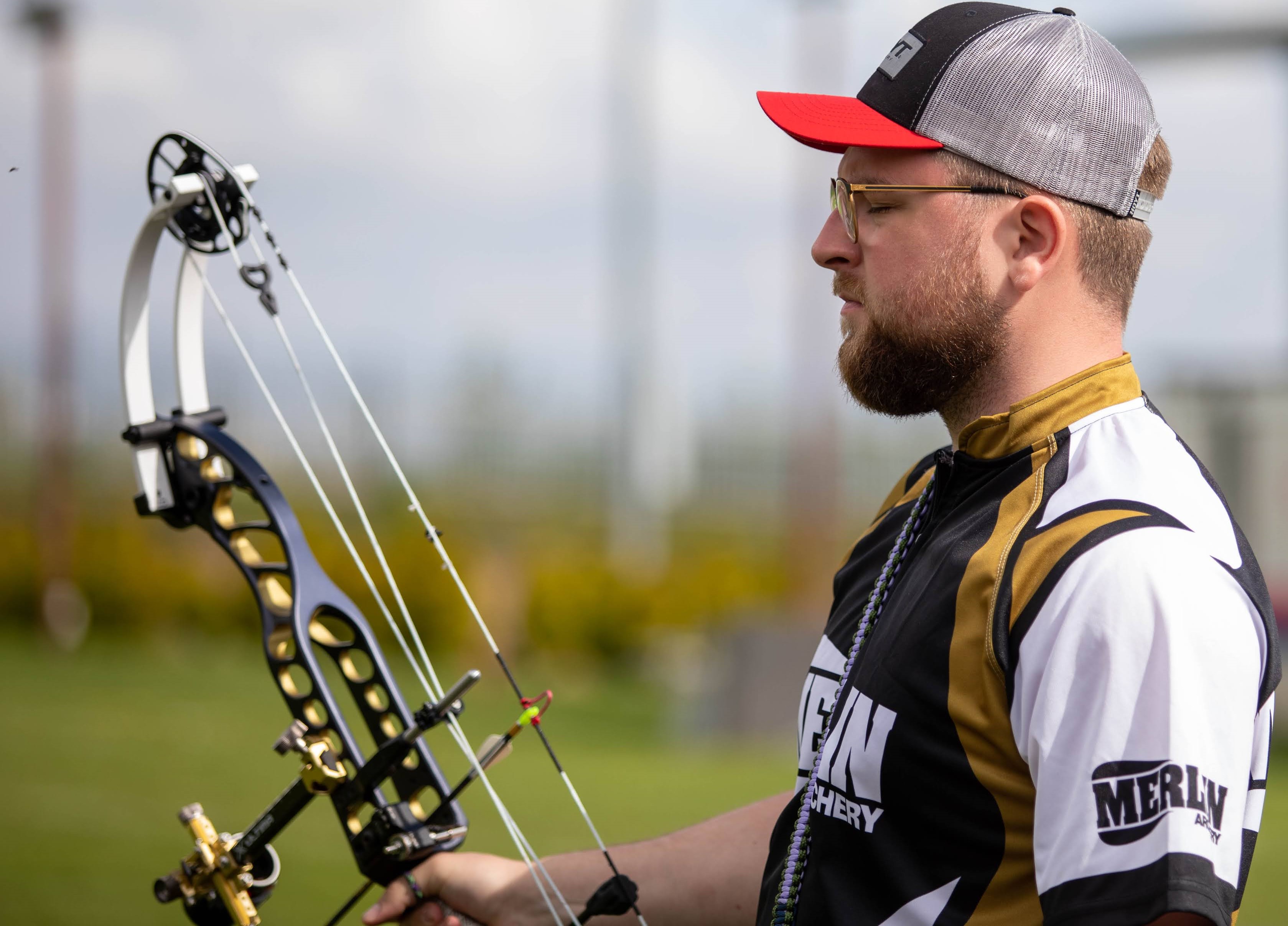
Credit: startarchery.co.uk
Archery In The Modern Olympic Games
Archery’s biggest step onto the world stage came with the Olympic Games. The first modern Olympics in 1896 did not include archery, but by 1900, it was added to the Paris Games.
Early Olympic Archery
Archery appeared in several early Olympics (1900, 1904, 1908, 1920). However, the rules varied widely from one country to another, and there was little international agreement. For example, in 1904, only American archers competed, making it a very local event.
After 1920, archery disappeared from the Olympics for more than 50 years. The main reason: a lack of standardized, international rules. It took the founding of the Fédération Internationale de Tir à l’Arc (FITA) in 1931 to create a true world archery federation.
Return And Growth
Archery returned to the Olympics in 1972, now with unified rules and global participation. Since then, both men’s and women’s events have grown in popularity. New formats like team events and mixed pairs have been added.
Today, more than 140 countries are members of World Archery (the new name for FITA). Olympic archery uses recurve bows, but other styles, like compound and traditional, are popular in world competitions.
Example: Olympic Archery Timeline
| Year | Event | Key Change |
|---|---|---|
| 1900 | Paris Olympics | Archery’s Olympic debut |
| 1920 | Antwerp Olympics | Last Olympic archery event for 52 years |
| 1931 | FITA founded | First world archery federation |
| 1972 | Munich Olympics | Archery returns, unified rules |
Different Types Of Archery Competitions Around The World
Archery is not just one sport. Different cultures and clubs have created their own forms of competition. Understanding these variations helps explain why archery is so popular and diverse.
Target Archery
This is the most common form, especially at the international level. Archers shoot at round targets from set distances, usually between 18 and 70 meters. Points are scored based on accuracy.
- Used in the Olympics and most world championships
- Both indoor and outdoor formats
Field Archery
Archers move through a course, shooting at targets set at different, often unknown, distances. This simulates hunting in the woods.
- Popular in Europe and the US
- Courses can be in forests or open fields
Traditional And Historical Styles
Many countries keep their old traditions alive. For example:
- Japanese kyudo: Focuses on form and spiritual discipline
- Turkish flight archery: Shoots for maximum distance, sometimes over 800 meters
- English clout shooting: Aims at a flag set far away, not a normal target
Archery For All Ages And Abilities
Modern competitions include categories for youth, seniors, and parasport athletes. The Paralympic Games have featured archery since 1960, using adapted equipment and rules.
Comparing Competition Types
To understand how different competitions compare, see this overview:
| Type | Main Goal | Common Distance | Popularity |
|---|---|---|---|
| Target | Accuracy at fixed range | 18, 70 meters | Global, Olympic |
| Field | Varied terrain, unknown range | Varies (10, 60 meters) | Europe, US |
| Traditional | Cultural, historical | Varies widely | Asia, Europe |
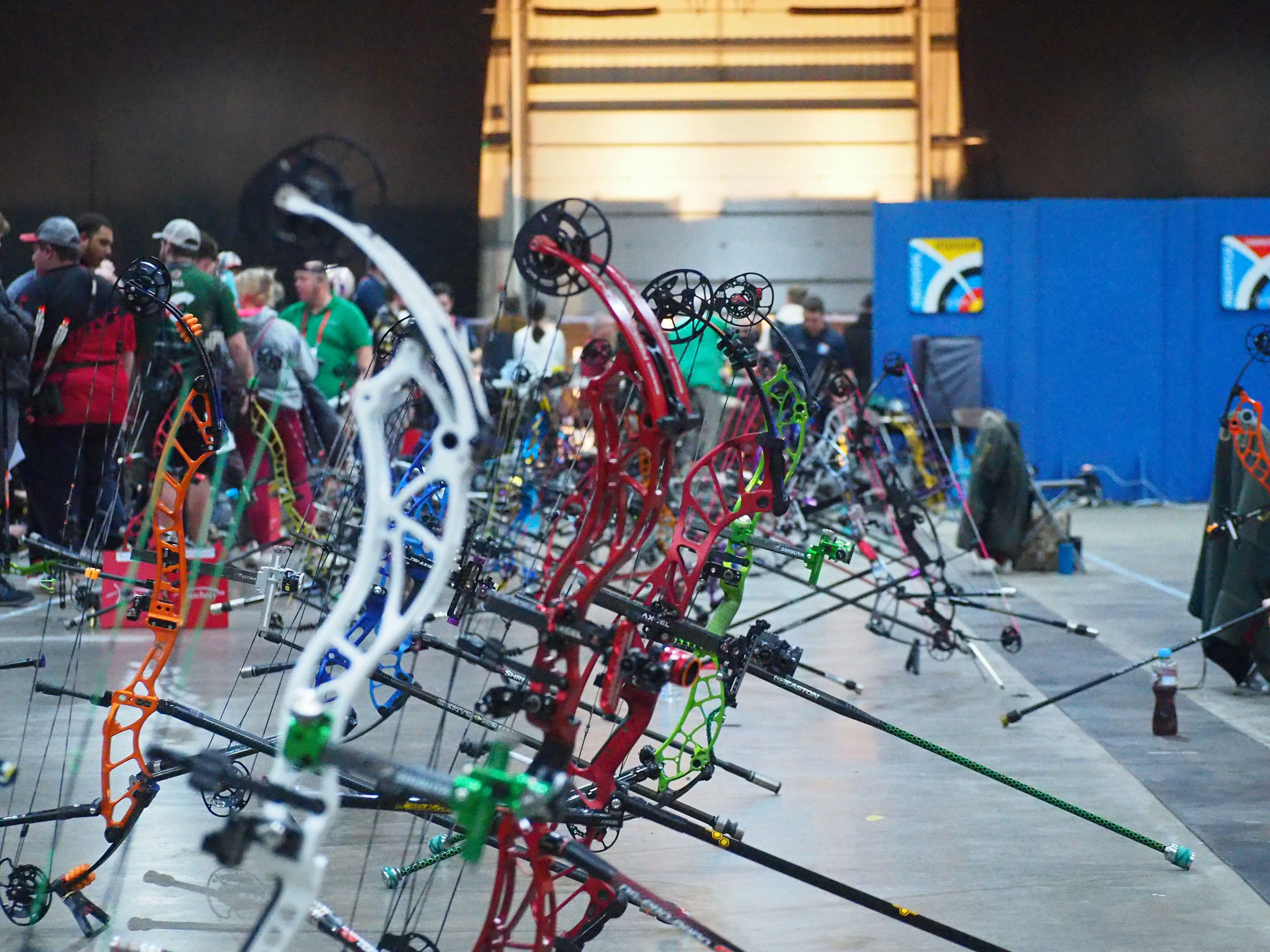
Credit: startarchery.co.uk
Key Insights Beginners Often Miss
Moving from history to practice, there are a few important insights that even some experienced archers overlook.
- Archery competitions began as rituals, not simple sports. Many early events were tied to religion, social rank, or military training, not just fun or prizes.
- Standard rules are a recent development. For most of history, each region or even each event had its own rules. Only in the last 150 years did international standards emerge.
- Women’s participation is not new. In many 19th-century societies, archery was one of the first sports where women competed publicly.
- Equipment has changed dramatically. Early competitions used wooden bows and arrows. Today’s Olympic bows are made from carbon fiber, aluminum, and advanced composites, giving modern archers far more consistency.
- Archery is both an individual and a team sport. Many competitions now include mixed team events, which require different strategies and communication.
Why Archery Competitions Endure
Archery’s appeal is both ancient and modern. It combines focus, tradition, and the thrill of competition. Even as technology advances, the basic challenge, hitting a distant target, remains the same.
The Social Side Of Archery
For many, archery competitions are about more than winning. They are a chance to meet friends, share knowledge, and celebrate culture. Some festivals, such as the Japanese Toshiya or English Scorton Arrow, are as much about tradition as sport.
The Challenge Of Mastery
Archery rewards patience and practice. In my experience, even after years of shooting, there is always something new to learn, whether it’s adjusting to wind, changing equipment, or staying calm under pressure. Competitions test not just skill, but character.
Pro Tip:
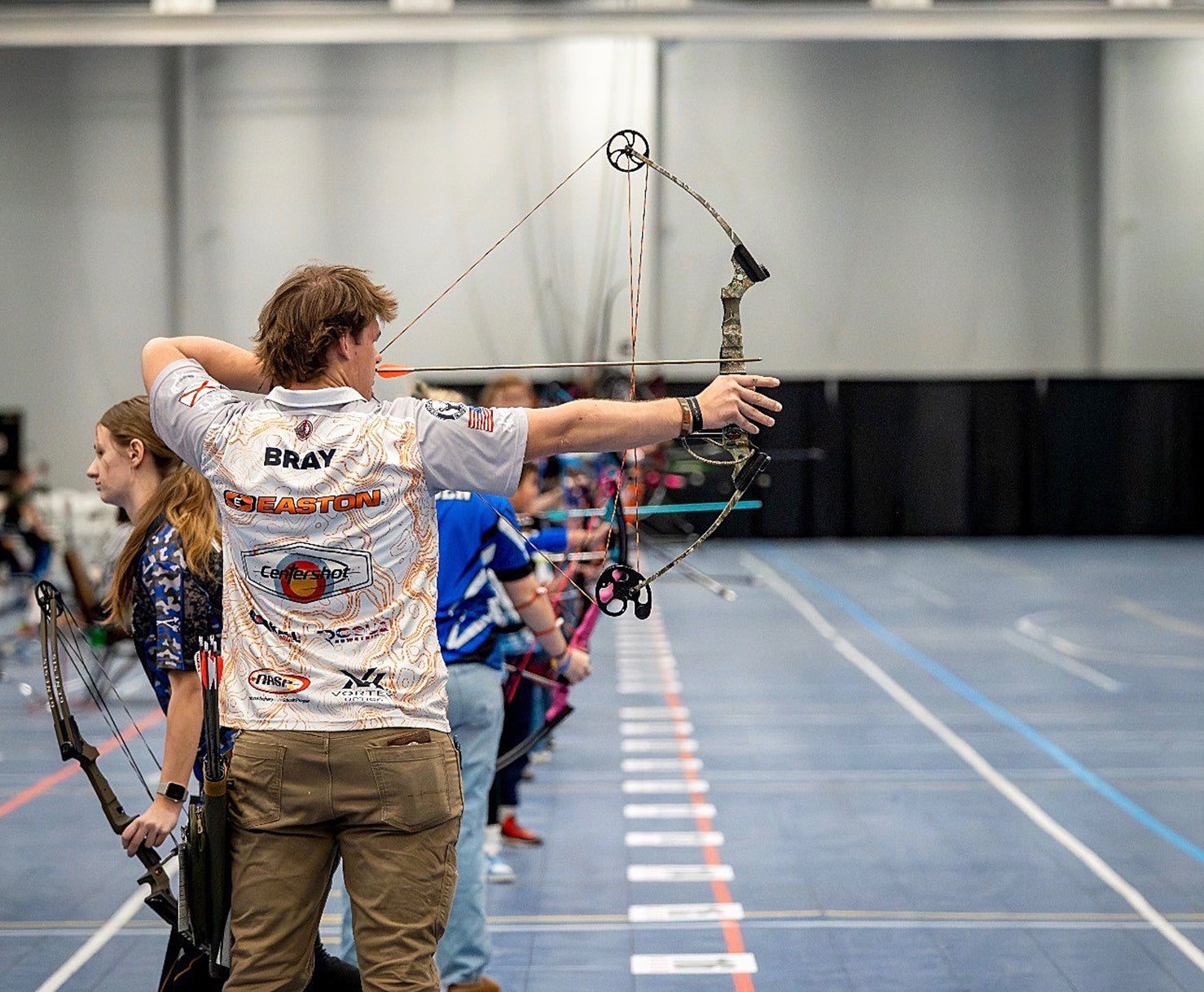
If you want to start competing, visit a local club first. Watch how tournaments are run, talk to experienced archers, and ask about beginner-friendly events. Many people wait too long, thinking they need to be perfect before entering a competition. In reality, starting early helps you learn faster and enjoy the sport more.
Credit: www.outdooralabama.com
The Future Of Archery Competitions
Archery is still evolving. New formats, like mixed reality competitions and online “postal matches” where scores are submitted remotely, are growing. TV coverage, better equipment, and youth programs are attracting a new generation.
World Archery continues to add new events, including more for women and para-archers. Technology is making judging and scoring faster and fairer. But the heart of the sport remains the same: the simple, ancient joy of drawing a bow and aiming for a target.
For more detail about the history and rules of archery competitions, you can visit the Wikipedia Archery page.
Frequently Asked Questions
When Did The First Recorded Archery Competition Take Place?
The oldest well-documented archery competition is from China’s Western Zhou Dynasty (around 1046, 771 BCE), where archery contests were part of royal ceremonies. However, informal contests likely happened even earlier in different cultures.
How Did Archery Competitions Become Part Of The Olympics?
Archery was first included in the 1900 Paris Olympics. After some years of inconsistent participation, it returned in 1972 with unified global rules set by the world federation. The sport now features individual, team, and mixed events.
Are There Different Rules For Traditional Archery Competitions?
Yes. Traditional events often use local rules and equipment, sometimes different from modern target archery. For example, Japanese kyudo has unique scoring and ritual, while Turkish flight archery focuses on distance rather than accuracy.
Is Archery Suitable For Children And Seniors?
Absolutely. Archery is one of the few sports that can be safely practiced by people of all ages. Many clubs offer classes and competitions for children, teens, and seniors, with age-appropriate distances and equipment.
How Can Someone Start Competing In Archery?
The best way to start is to join a local archery club. Most clubs welcome beginners, offer lessons, and have regular practice sessions. You don’t need expensive equipment to start; most clubs can provide loaner bows and arrows for newcomers.
Archery competitions have a rich and varied history. Whether you’re drawn by tradition, challenge, or the social side, there’s a place for you on the range. The story of archery as a sport is still being written, and anyone can be part of it.