How Do You Play Archery
Archery is a sport that has captivated humanity for thousands of years, blending precision, focus, and physical skill. From its origins as a vital hunting and warfare tool to its modern status as a popular competitive sport and recreational activity, archery offers a unique blend of mental and physical challenge.
Whether you’re inspired by the Olympic Games, fascinated by the rich history of archery, or simply looking for a new outdoor pursuit, learning how to play archery can be deeply rewarding.
Getting started in archery may seem daunting, but the fundamentals are accessible to all ages and abilities. With the right guidance, equipment, and practice, anyone can experience the satisfaction of hitting the bullseye. This comprehensive guide will cover everything from understanding equipment and rules to safety tips, training techniques, and competitive formats, ensuring you have the authoritative information needed to begin your archery journey with confidence.
Key Takeaways
- Archery combines physical skill, mental focus, and strategic thinking, making it suitable for a wide range of participants.
- The sport requires specific equipment including bows, arrows, protective gear, and targets, each with distinct features.
- Safety and proper technique are crucial for enjoying archery and preventing injuries.
- There are various archery formats, from target and field to 3D and traditional archery, each with unique rules and scoring.
- Consistent training and practice are essential for skill development and progression.
- Real-world examples and expert insights provide valuable context for mastering the sport.
The Fundamentals Of Archery
Understanding the basics is essential before stepping onto the archery range. This section covers the foundational elements that every archer should know.
The History And Evolution Of Archery
Archery dates back over 10,000 years, with evidence found in ancient civilizations across Africa, Asia, and Europe. Initially used for hunting and warfare, archery evolved into a sport and cultural practice. The English longbow was decisive in medieval battles, while the Mongols and Native Americans developed distinctive techniques suited to their environments. Today, archery enjoys global popularity, with modern advancements in equipment and international competitions like the Olympics.
Core Principles Of Archery
At its core, archery is about launching an arrow from a bow to hit a target with accuracy. The fundamental elements include:
- Stance: How you position your body for balance and consistency.
- Draw: Pulling the string back smoothly to store energy in the bow.
- Aim: Focusing on the target, often using sights or instinctive techniques.
- Release: Letting go of the string, sending the arrow toward the target.
- Follow-through: Maintaining posture after release for consistency.
Understanding and practicing these principles form the backbone of effective archery.
Physical And Mental Benefits
Archery offers a full-body workout, engaging muscles in the arms, back, shoulders, and core. It also sharpens hand-eye coordination, focus, and patience. According to a study by the British Journal of Sports Medicine, archery can improve mental well-being by reducing stress and enhancing concentration. The inclusive nature of the sport means it can be adapted for various ages and abilities, making it accessible to a broad audience.

Credit: www.youtube.com
Types Of Archery And Competitive Formats
Archery encompasses several distinct disciplines, each with specific rules, equipment, and competitive standards.
Target Archery
Target archery is the most widely practiced form, particularly at the Olympic level. Archers shoot a set number of arrows at a circular target from a fixed distance. Targets are typically marked with 10 concentric rings, with scores decreasing as you move outward from the center.
Olympic target distances:
- Outdoor: 70 meters (for recurve bows)
- Indoor: 18 meters
This discipline emphasizes precision, consistency, and control.
Field Archery
Field archery simulates hunting scenarios by having archers shoot at targets of varying sizes and distances, often in wooded or rugged terrain. Courses are set up with 24 or 48 targets, and distances can be marked or unmarked, challenging the archer’s ability to judge range and adapt to natural obstacles.
3d Archery
In 3D archery, competitors shoot at life-sized foam animal targets set at varying distances. Popular with bowhunters and outdoor enthusiasts, this format tests both accuracy and the ability to estimate distance, simulating real-world hunting conditions.
Traditional And Historical Archery
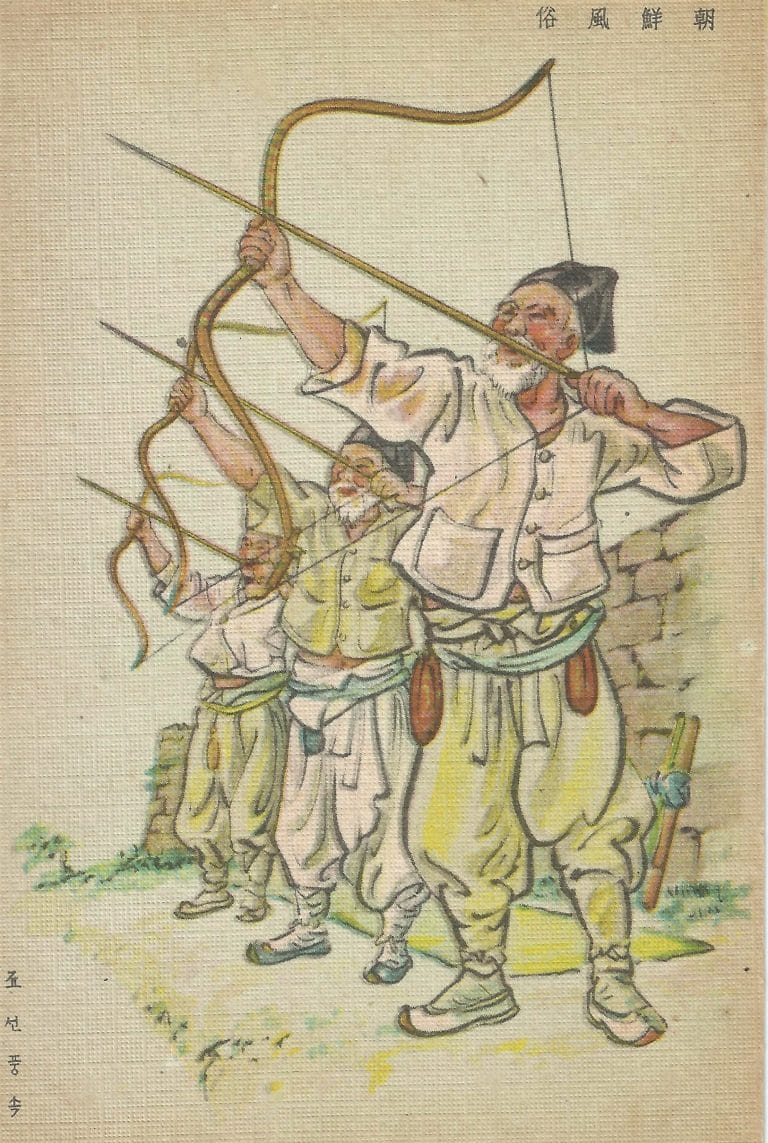
This style celebrates historic bows like the longbow, flatbow, or horsebow. Traditional archery usually avoids modern sights and stabilizers, relying on instinctive shooting. Events may include reenactments or demonstrations of historical techniques, connecting participants to the cultural heritage of archery.
Comparison Table: Archery Disciplines
| Discipline | Typical Bow Types | Target Type | Main Challenge | Example Competition |
|---|---|---|---|---|
| Target Archery | Recurve, Compound | Standard circular rings | Precision at fixed distances | Olympic Games |
| Field Archery | Recurve, Compound, Barebow | Varied size paper/foam targets | Adapting to terrain & distances | World Archery Field Championships |
| 3D Archery | Compound, Traditional | Foam animal replicas | Estimating distance outdoors | ASA Pro/Am Tour |
| Traditional Archery | Longbow, Flatbow, Horsebow | Varied/historic targets | Instinctive shooting | Traditional Bowhunter World Championship |

Credit: www.youtube.com
Essential Archery Equipment
Selecting the right gear is crucial for safety, accuracy, and enjoyment. This section details the primary equipment and its features.
The Bow: Types And Features
There are several main types of bows used in modern archery:
- Recurve Bow: Characterized by limbs that curve away from the archer at the ends, providing more power and efficiency. Used in the Olympics.
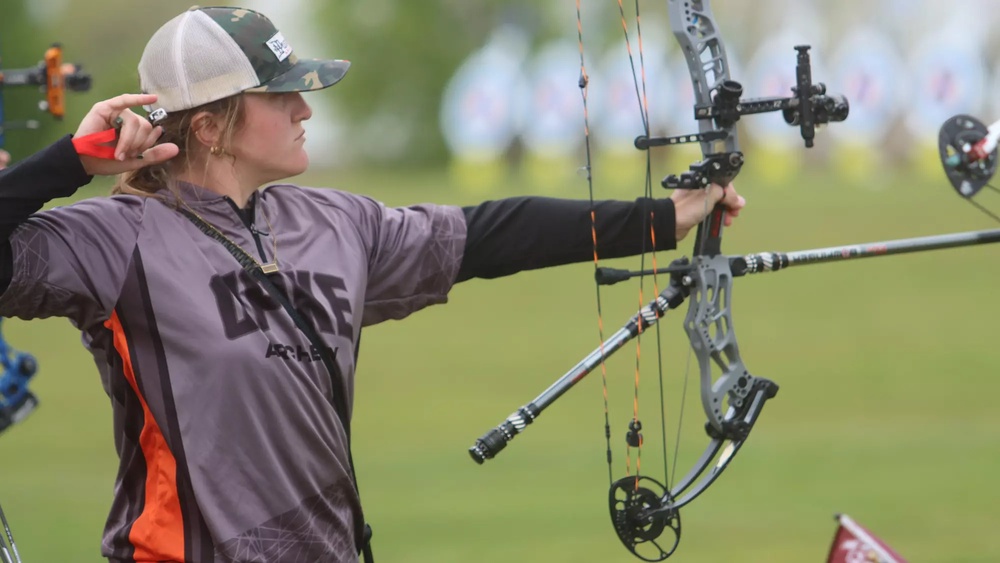
- Compound Bow: Uses a system of pulleys (cams) for greater accuracy, speed, and let-off (reduced holding weight at full draw).
- Longbow: Traditional design with a simple, straight limb and no sights.
- Barebow: Recurve or longbow shot without sights or stabilizers, emphasizing instinctive aiming.
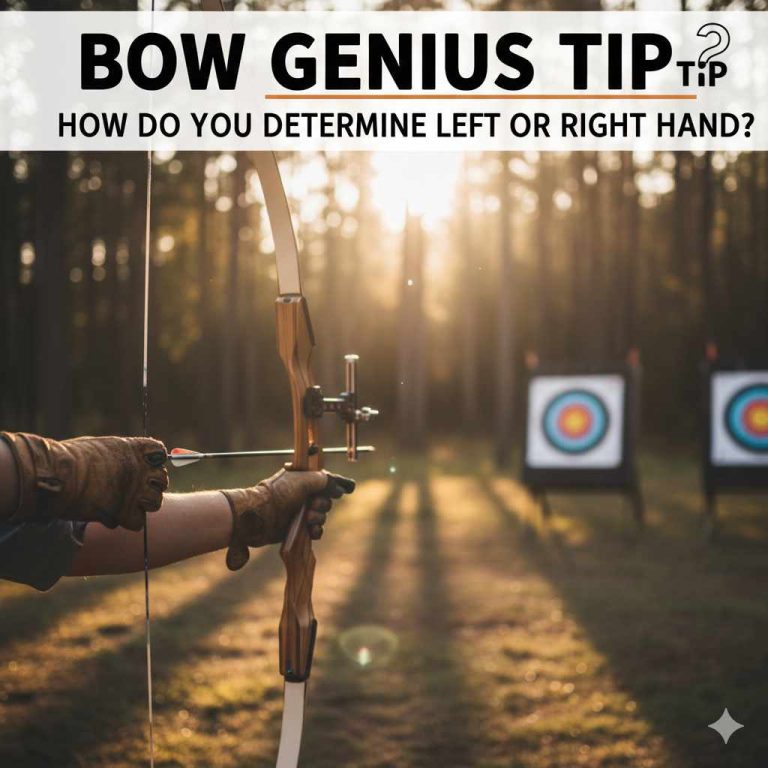
When choosing a bow, consider draw weight (the force required to pull the string), bow length, and handedness (right or left).
Arrows: Materials And Specifications
Arrows are typically made from aluminum, carbon, or a combination. Key factors include:
- Shaft length and stiffness (spine)
- Fletching (vanes or feathers for stability)
- Nocks (the notch that fits on the string)
- Points/tips (field points, target points, or broadheads)
The right arrow should match your bow’s draw weight, draw length, and intended use.
Protective Gear
Proper protection minimizes injury risk and maximizes comfort:
- Armguard: Worn on the forearm to prevent string slap.
- Finger tab or glove: Shields fingers from repeated string contact.
- Chest guard: Keeps clothing out of the way and reduces string interference.
Targets And Ranges
Targets vary by discipline. Standard target faces are made of paper or synthetic materials and mounted on foam or straw bosses. Home archers may use portable foam targets, while clubs typically provide robust, layered targets for repeated use.
Equipment Comparison: Recurve Vs. Compound Bow
| Feature | Recurve Bow | Compound Bow |
|---|---|---|
| Main Use | Olympics, Target, Field | Hunting, 3D, Target |
| Draw Weight | Increases with draw | Let-off at full draw (reduced effort) |
| Complexity | Simpler design | Complex (cams, cables) |
| Accessories | Limited (sights, stabilizers) | Many options (scopes, releases) |
| Maintenance | Low | Moderate to high |
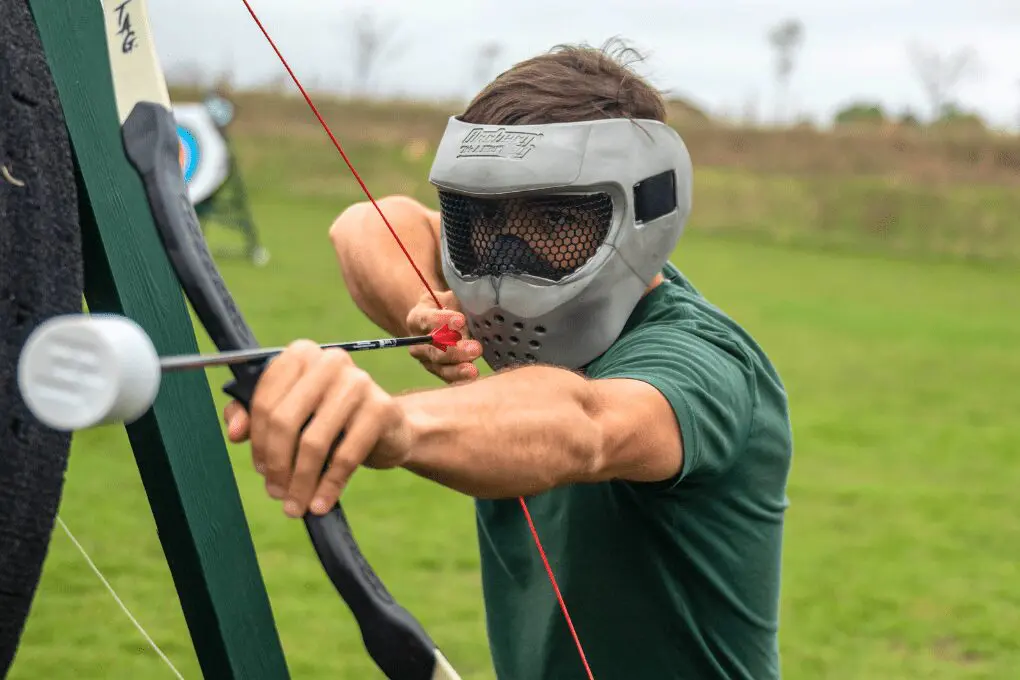
Credit: peelcompton.org
Learning The Basics: Stance, Technique, And Execution
Mastering the fundamental skills is key to developing as an archer. This section details each step of the shot process.
Establishing The Correct Stance
The foundation of every shot is the stance. The most common is the square stance:
- Stand with feet shoulder-width apart, perpendicular to the target.
- Distribute weight evenly on both feet.
- Align hips and shoulders with the shooting line.
Alternate stances include open (lead foot slightly back) for more stability, or closed (lead foot forward) for specific shooting styles.
Nocking The Arrow And Setting The Grip
- Place the arrow on the arrow rest, with the odd-colored vane (index fletch) facing away from the bow.
- Snap the nock onto the string below the nocking point.
- Grip the bow lightly with the non-dominant hand, ensuring the knuckles form a 45-degree angle.
Drawing, Anchoring, And Aiming
- Draw the string smoothly using back and shoulder muscles, not just the arms.
- Anchor the string at a consistent spot on your face, commonly the corner of the mouth, chin, or jaw.
- Focus on the target using the bow sight (or instinctively if shooting barebow).
Consistency in anchor point and draw length is crucial for accuracy.
Release And Follow-through
- Relax your fingers or use a mechanical release aid to let the string slip away cleanly.
- Maintain your form and focus after the shot, this is the follow-through.
- Evaluate your shot and adjust as needed.
Pro Tip: Consistent follow-through is often what separates beginners from advanced archers.
Archery Safety And Range Etiquette
Safety is paramount in archery. This section outlines best practices and the etiquette essential for a safe, enjoyable experience.
Personal Safety Rules
- Always point the bow and arrow downrange, even when not shooting.
- Never draw or shoot an arrow when anyone is ahead of the shooting line.
- Use arrows that are the correct length for your draw; too-short arrows can be dangerous.
- Wear protective gear (armguard, finger tab, chest guard).
Range Safety Protocols
Archery ranges use a system of signals:
- Whistle commands: 2 blasts (approach the line), 1 blast (shoot), 3 blasts (retrieve arrows), continuous (emergency/stop).
- Wait for the all-clear before retrieving arrows.
- Only nock an arrow when on the shooting line.
Equipment Checks
- Inspect bows and arrows for damage before each session.
- Ensure nocks are secure, fletching is intact, and bowstrings are not frayed.
- Loose clothing, jewelry, and long hair should be secured.
Respecting Others
- Keep conversation to a minimum while others are shooting.
- Do not distract or walk behind someone at full draw.
- Help with setup and cleanup at club ranges.
Example: At my local club, one member’s distraction caused a missed shot, highlighting the importance of range etiquette for everyone’s safety and enjoyment.
Training Methods And Skill Development
Progress in archery depends on structured practice, regular feedback, and goal setting. This section explores effective training strategies.
Starting With A Coach Or Club
Beginners benefit from professional instruction. Certified coaches provide:
- Personalized feedback on technique and form.
- Safety guidance.
- Access to club equipment and facilities.
Local clubs are excellent for building community and learning from experienced archers. The USA Archery website lists accredited clubs and coaching programs nationwide.
Drills For Consistency
- Blank bale shooting: Shooting at a blank target to focus on form without worrying about accuracy.
- Group shooting: Aiming for tight arrow groups to develop consistency.
- Scoring rounds: Practicing under competition conditions.
Tracking progress helps set achievable goals and maintain motivation.
Physical Conditioning
Archery requires strength and endurance, especially in the upper body and core. Key exercises include:
- Resistance band pulls (simulate the draw)
- Planks and core work for stability
- Stretching routines to prevent injury
Mental Training
Focus and visualization are as important as physical skills. Common mental techniques:
- Visualization: Mentally rehearsing successful shots.
- Breathing exercises: Reducing anxiety and improving focus.
- Routine development: Establishing a consistent shot sequence for reliability.
Tracking And Analyzing Performance
Utilize scoring sheets, mobile apps, or coaching feedback to monitor progress. Reviewing patterns helps identify areas for improvement and adjust training plans accordingly.
Scoring, Rules, And Competition Structure
Understanding how archery is scored and structured enables you to participate in events or track your development effectively.
Basic Scoring Systems
Target archery uses multi-ringed targets with point values:
- Center gold ring: 10 points
- Next ring out: 9 points
- Outermost ring: 1 point
A round typically consists of a set number of arrows (e. g. , 6 ends of 6 arrows each).
Field archery and 3D archery have varied scoring zones, often 11, 10, 8, 5, and 0 points, depending on target placement.
Rules And Penalties
- No arrow may be shot after the time limit.
- Dropped arrows beyond the shooting line cannot be retrieved until the end of the round.
- In competition, only arrows that stick in the target face count.
- Breaking range rules can result in warnings, point deductions, or disqualification.
Tournament Formats
- Elimination rounds: Head-to-head matches.
- Ranking rounds: Aggregate scores determine seeding.
- Team events: Combined scores of three archers.
Official rules are governed by organizations like World Archery Federation and USA Archery.
Case Study: Olympic Format
In the Olympic Games, archers shoot 72 arrows at 70 meters in a ranking round. Top scorers proceed to head-to-head elimination matches. The structure balances consistency with the pressure of direct competition, showcasing both technical skill and mental fortitude.
Real-world Examples And Community Insights
Learning from real experiences can provide valuable perspective for beginners and enthusiasts alike.
Example: Community Club Success
At the Seattle Archery Club, a group of novice archers began training with recurve bows. With structured coaching, most improved their scores by 25% within six months. The club’s focus on group drills and feedback fostered rapid development and camaraderie.
Example: Adaptive Archery
Archery is highly inclusive. At the Invictus Games, wounded veterans compete using modified equipment and adaptive techniques, demonstrating the sport’s accessibility and therapeutic value. Many archers with physical disabilities have reached elite levels thanks to specialized coaching and equipment.
Example: Archery In Schools
The National Archery in the Schools Program (NASP) has introduced millions of students to archery in the US, emphasizing safety, discipline, and personal growth. According to NASP, participants report improved focus and academic performance, highlighting archery’s broader benefits.
Data Table: Growth Of Archery Participation (usa, 2010, 2020)
| Year | Registered Archers | NASP Participants | Major National Events |
|---|---|---|---|
| 2010 | 85,000 | 1,300,000 | 12 |
| 2015 | 130,000 | 2,100,000 | 18 |
| 2020 | 175,000 | 2,700,000 | 25 |
Source:USA Archery
Tips For Getting Started And Progressing
Making the leap from interest to active participation is easier with the right approach.
Choosing The Right Equipment
- Start with a lightweight recurve or entry-level compound bow.
- Visit a pro shop for sizing and fitting.
- Rent or borrow equipment from a club before purchasing your own.
Finding A Local Club Or Instructor
- Search for certified coaches via USA Archery or local sporting goods stores.
- Attend beginner classes or open range sessions.
- Join online forums or social media groups to connect with the community.
Developing A Practice Routine
- Practice regularly, consistency matters more than session length.
- Alternate between technical drills and full scoring rounds.
- Set realistic, incremental goals (e.g., grouping arrows within a certain area).
Participating In Events
- Try club fun shoots or local tournaments for experience.
- Volunteer at events to learn about scoring and rules.
- Watch competitions in person or online for strategy and technique insights.
Pro Tip: In my experience, volunteering as a scorekeeper at tournaments provided invaluable understanding of rules and etiquette, plus, it was a great way to meet experienced archers.
Staying Motivated
- Track your progress with a journal or app.
- Celebrate milestones (personal bests, consistent groups).
- Mix solo practice with group sessions for variety.
Frequently Asked Questions
What Age Can You Start Learning Archery?
Children as young as six can begin learning archery, provided they have suitable equipment and proper supervision. Many clubs offer youth programs with bows scaled to a child’s strength and arm length. There is no upper age limit, making archery a lifelong sport.
Is Archery Safe For People With Physical Disabilities?
Yes, archery is highly adaptable. Many clubs and competitions offer para-archery divisions with specialized equipment and coaching. Adaptive devices like mouth tabs or wheelchair mounts make the sport accessible to a wide range of physical abilities.
How Do I Maintain And Care For My Archery Equipment?
Regular equipment maintenance includes checking bowstrings for fraying, inspecting limbs for cracks, and ensuring arrows are straight and undamaged. Store bows unstrung (if recurve or longbow) in a cool, dry place. Clean gear after outdoor use, and replace worn components promptly.
Can Archery Help With Focus And Mental Health?
Studies, such as those published in the British Journal of Sports Medicine, suggest that archery’s emphasis on focus and routine can help reduce stress and improve concentration. The rhythmic nature of shooting and goal setting offers a meditative, mindful experience for many participants.
Where Can I Find Reputable Resources To Learn More About Archery?
Reliable sources include USA Archery, World Archery Federation, and educational platforms like Wikipedia. Local clubs, certified coaches, and community centers often provide beginner-friendly classes and materials.
Archery is a sport that rewards patience, commitment, and attention to detail. Whether you seek the thrill of competition, the peace of focused practice, or the camaraderie of club events, the world of archery welcomes newcomers with open arms. With a thoughtful approach to learning and safety, you can experience the joy and challenge of sending arrows downrange, one shot at a time.