How Do I Know My Bow Draw Length? Wingspan ÷ 2.5
The fastest way to find your draw length: measure your wingspan (fingertip to fingertip, both arms out) and divide by 2.5. A 70-inch wingspan gives a 28-inch draw length, for example. This AMO-standard formula is accurate to about half an inch for most people. For a more precise result, use the full-draw measurement method described below.

Inracity
Archery Draw Board for Compound Bow, 130lbs…
- Upgraded Strap: Unlike most compound bow archery draw boards on the market, our archery draw board adopts an upgraded widened stra…
- Two-way Locking: It is a self-locking Archery Draw Board that pull and stop as needed, stopping wherever it is pulled. Pulling and…
- Excellent Performance: The archery draw board is equipped with heavy-duty metal hook, which reduce the wear and tear of the hooks…
As an Amazon Associate I earn from qualifying purchases.
Welcome, aspiring archers! Ever felt like your arrows aren’t quite going where you aim, or noticed some discomfort when you first started shooting your bow? A common culprit is often an incorrect bow draw length. Don’t worry; it’s a very typical issue for newcomers, and thankfully, it’s easy to figure out. Having the right draw length is like finding the perfect fit for your favorite glove – it makes everything feel natural and right. This guide will walk you through simple methods to accurately determine your draw length, so you can enjoy archery with confidence and precision. Let’s get started on making your archery journey smooth and successful!
Why Your Bow Draw Length Matters So Much
Imagine trying to swing a golf club that’s too short or too long. It just won’t feel right, and your swing will be off. The same is true for archery! Your draw length is the distance your bowstring travels from its resting position to the point where your nocking point rests against your string when you’re at full draw.
Getting this measurement right is foundational for several key reasons:
- Accuracy: When your draw length is correct, your anchor point (where you hold the string at the back of your draw) will be consistent. This consistency is a huge factor in shooting accurately. If your draw length is too long or too short, your anchor point will shift, leading to inconsistent arrow flight.
- Power and Efficiency: Bows are designed to deliver their full power at a specific draw length. Drawing the bow too far (overdrawing) can damage the bow and put unnecessary stress on your body. Not drawing it far enough means you won’t be using the bow’s full potential, resulting in less arrow speed and energy.
- Comfort and Safety: Shooting with an incorrect draw length can lead to strain on your muscles and joints, causing discomfort or even injury. It can also affect your release, making it harder to shoot smoothly and safely.
- Bow Performance: Different bows have different draw length ranges. Using a draw length outside a bow’s designed range can negatively impact its performance and possibly harm the equipment.
In essence, your draw length is the unique blueprint that connects you, your bow, and your arrows. It ensures a harmonious interaction, allowing you to shoot comfortably, powerfully, and accurately. Let’s explore how you can find your perfect match.

Understanding Different Bow Types and Draw Length
Before we dive into measuring, it’s good to know that draw length concepts can apply slightly differently depending on the type of bow you’re using. For beginners, you’ll likely encounter recurve or compound bows.
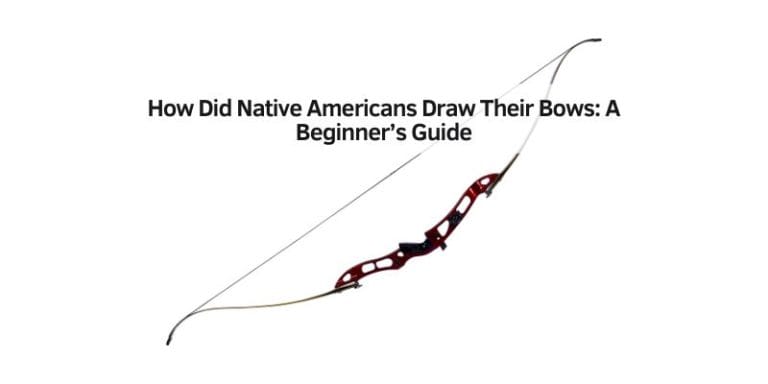
- Recurve Bows: These are the traditional-looking bows with limbs that curve away from the archer. For recurve bows, the draw length is a fixed measurement based on the archer’s physical dimensions.
- Draw Length Adjustable Compound Bows: Modern compound bows often feature adjustable draw length modules or interchangeable cams. This is fantastic because it means a single bow can often be adjusted to fit a wide range of archers, or even be adjusted as an archer’s form develops. Your “measured” draw length will then be set on the bow.
- Olympic Recurve vs. Traditional/Longbow: While a formal measurement works for most, some longbow enthusiasts might use slightly different ‘feels’ of draw, but for consistency and learning, a defined measurement is always best.
For compound bows, knowing your draw length is essential before purchasing, or if you’re buying a bow with adjustable settings. For recurve bows, it helps you select the right size bow. We’ll cover methods that work for both, focusing on finding the right measurement for you.
Method 1: The Archery Arm Span Measurement (The Easiest Way for Beginners)
This is a quick, reliable way for beginners to get an accurate estimate of draw length. It’s based on a well-established relationship: your draw length is approximately your wingspan divided by 2.5.
What You’ll Need:
- A friend to help you (an extra pair of hands makes this much easier!)
- A flexible tape measure (a soft tailor’s tape is ideal, but a regular one works too)
- A wall or flat surface to stand against
Step-by-Step Guide:
- Stand Tall: Stand with your back flat against a wall. Keep your feet together and your arms relaxed at your sides.
- Stretch Out: Now, extend both arms straight out to your sides, parallel to the floor, like a superhero. Your palms should be facing forward or down. Try to keep your shoulders relaxed and not hunched.
- Measure Wingspan: Have your friend measure the distance from the tip of one middle finger to the tip of the other middle finger. Keep the tape measure taut but not stretched. This is your wingspan.
- Divide by 2.5: Take your total wingspan measurement and divide it by 2.5. This is your estimated draw length.
For example: If your wingspan is 70 inches, dividing by 2.5 gives you a 28-inch draw length.
Alternative formula: Some archers find (Wingspan − 15) ÷ 2 fits their proportions slightly better — for a 70-inch wingspan, that’s (70-15)/2 = 27.5 inches, very close to the standard result. Both formulas are estimates; confirm with Method 2 below or a bow press check for your final number.
This method is fantastic for getting a baseline, but it’s a starting point. The best way to confirm is by trying it out.
Method 2: The Full Draw Measurement (Most Accurate)
This method simulates drawing a bow to find your exact draw length. It’s more accurate because it replicates the physical act of archery. It’s highly recommended you have a qualified archery instructor or an experienced archer guide you through this, especially if you’re new to drawing a bow.
What You’ll Need:
- A helper (essential for this method)
- A tape measure
- A bow (this is key!) ideally one that is close to your estimated draw length from Method 1. If you don’t have a bow yet, this is where visiting a local pro shop is invaluable. They can have you draw a “draw length board” or a bow set to common lengths.
Step-by-Step Guide:
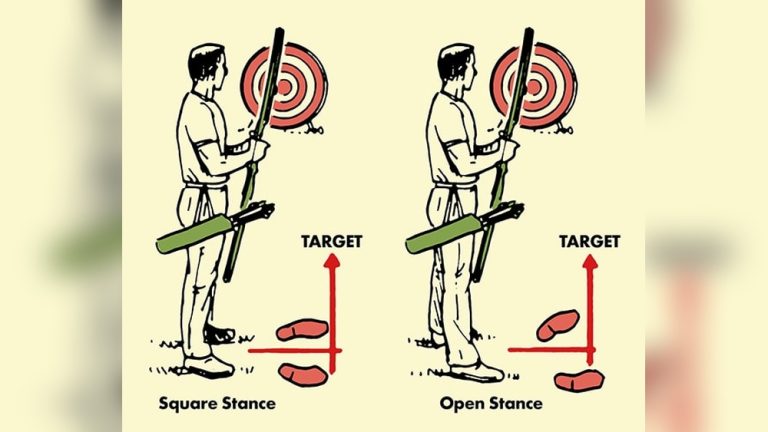
- Get into Shooting Stance: Stand naturally, as you would when aiming. Feet shoulder-width apart, body aligned.
- Nock an Arrow: Place an arrow on your bow’s arrow rest and nock it onto the string.
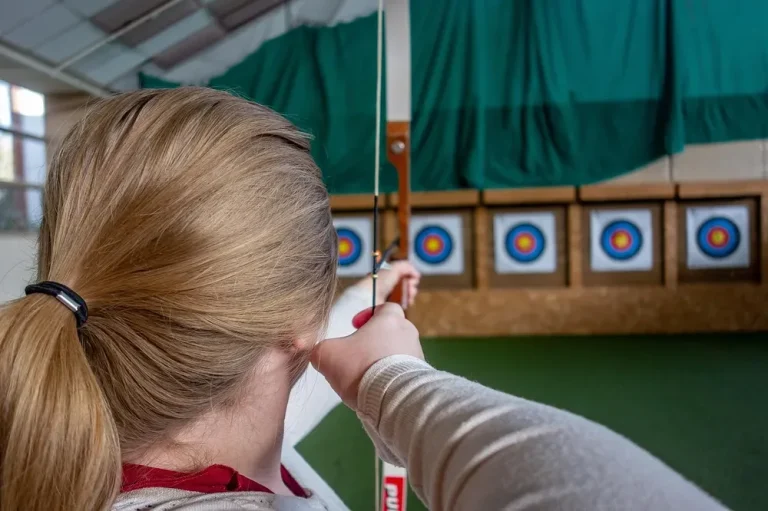
- Draw the Bow SLOWLY and SAFELY: Begin to draw the bowstring back towards your face. Keep your drawing elbow up and your knuckles aligned. It’s crucial to draw only as far as feels natural and comfortable. Do NOT try to force it.
- Find Your Anchor Point: As you draw, you will naturally find a point where you feel stable and ready to hold. A common anchor point for many archers is touching the string to the corner of their mouth or chin, with their index finger just below their jawbone. This is your anchor point.
- Hold and Measure: Have your helper stand to the side and use the tape measure. They will measure the distance from the deepest part of the bow’s grip (the riser) to the valley where the string rests on your index finger at your anchor point. This measurement is your draw length.
Important Safety Note: If you don’t have a bow or instructor, DO NOT draw a bow past what feels comfortable. Overdrawing can damage the bow and cause injury. Visiting an archery shop is the safest and most effective way to use this method when starting out.
Many archery shops have specialized “draw length boards” or bows with adjustable modules to safely help you find this measurement. They are expertly equipped to guide you.
Understanding the Measurement: The “Arrow Length” vs. “Draw Length” Confusion
This is a super common point of confusion for beginners, so let’s clear it up! When you buy arrows, they are sold by length, usually measured in inches. However, an arrow’s length is NOT the same as your draw length.
Your draw length is a measurement of your body’s reach and how far you pull the string back. An arrow’s length is chosen to be compatible with your draw length and the bow you’re using. An arrow that is too short for your draw length can be dangerous because the front of the arrow might not be fully supported by the arrow rest when you release, potentially causing the arrow to “fishtail” or even injure your hand.
A general rule of thumb for arrow length selection (after you know your draw length) is to add 1-2 inches to your draw length. So, if your draw length is 28 inches, you’d typically look for arrows around 29-30 inches long. Always consult specific arrow charts for the best fit.
Bow manufacturers will often provide charts or specifications that relate recommended arrow lengths to bow draw lengths and poundage. For example, an archery equipment retailer like Lancaster Archery Supply provides extensive charts and guides on their website, which are excellent resources for understanding these relationships:
Lancaster Archery’s Arrow Spine and Length Guide
The Bow Square Method (For Compound Bows)
For compound bows especially, there’s a tool called a “bow square” or “arrow square” that can help verify or set your draw length, particularly when dealing with adjustable systems or setting up a new bow. This usually requires someone experienced to help.
How it Works:
A bow square is essentially a ruler that attaches to your bowstring. When the bow is drawn to the correct position (often determined by the cam’s rotational position), the square is used to measure the distance from the string to a reference point on the bow. This reference point, combined with the way the cams rotate, dictates the effective draw length. Some bow manufacturers will provide specific instructions on how to use a bow square to set their particular model’s draw length. This is often done at a pro shop to ensure the bow functions correctly and safely.
The National Field Archery Association (NFAA) often has resources or standards that align with proper equipment setup, including draw length verification which is crucial for competitive shooting. While not always a direct measurement for the archer, it’s how bows are precisely tuned:
National Field Archery Association
Factors Influencing Your Ideal Draw Length
While the measurement methods give you a number, your “ideal” draw length can also be influenced by:
- Your Shooting Style: Some archers prefer a slightly shorter draw for more control, while others might find a slightly longer draw feels more powerful.
- Physical Build: Your shoulder and arm flexibility play a role. If drawing to a specific point feels strained, it might be too long.
- Bow Type and Draw Weight: A heavier draw weight might feel more comfortable at a slightly shorter draw length.
- Anchor Point Preference: Where you naturally and comfortably anchor the string (corner of mouth, under the chin, etc.) directly impacts your draw length measurement.
It’s a balance between what the tape measure says and what feels comfortable and effective for you.
What If My Bow’s Draw Length Isn’t Adjustable?
If you bought a recurve bow, or a compound bow with fixed cams, it’s typically set to a specific draw length. If this measurement doesn’t match yours:
- Recurve Bows: If the bow is too long or too short for your draw length, it’s best to purchase a bow that is sized appropriately for you. Most archery shops can help you find a bow model and length that fits your draw length.
- Compound Bows with Fixed Cams: If you have a compound bow with fixed cams that don’t match your draw length, there are a few options, but the most common requires changing the cam or modules on the bow. This is a job best left to a qualified archery technician at a pro shop to ensure the bow is set up correctly and safely. Attempting this yourself without experience can be risky for both you and the bow.
The key here is to avoid forcing the bow or yourself. Getting the right equipment from the start makes all the difference.
Table: Estimating Draw Length Based on Height & Wingspan
This table provides a general guideline. Remember, these are estimates, and the direct measurement methods are more accurate. They are, however, excellent starting points for selecting a bow size or setting up an adjustable bow.
| Height (Approx. Feet) | Height (Approx. Inches) | Estimated Wingspan (Inches) | Estimated Draw Length (Inches) |
|---|---|---|---|
| 5’0″ – 5’3″ | 60″ – 63″ | 60″ – 63″ | 25″ – 27″ |
| 5’4″ – 5’7″ | 64″ – 67″ | 64″ – 67″ | 27″ – 29″ |
| 5’8″ – 5’11” | 68″ – 71″ | 68″ – 71″ | 29″ – 31″ |
| 6’0″ – 6’3″ | 72″ – 75″ | 72″ – 75″ | 31″ – 33″ |
| 6’4″ and taller | 76″+ | 76″+ | 33″+ |
This table is a rough guide. For the most accurate results, always measure yourself using Method 1 or Method 2. For context, archery organizations like USA Archery often have resources detailing equipment standards, which indirectly inform draw length suitability:
USA Archery Resources

Common Mistakes to Avoid When Measuring Draw Length
As you navigate finding your perfect draw length, watch out for these common pitfalls:
- Overtraining or Not Drawing Fully: Trying to pull the bow further than comfortable can lead to inaccurate measurements and strain. Conversely, not drawing to a consistent, full, and natural anchor point will result in a short measurement.
- Incorrect Anchor Point: Everyone’s anatomy is a little different. Trying to force an anchor point that doesn’t feel natural and stable will skew your measurement.
- Measuring from the Wrong Place: Ensure you’re measuring from the deepest part of the bow grip, not the edge or limb attachment.
- Straining or Tensing Up: Relaxed posture and a smooth draw are key for an accurate and repeatable measurement.
- Forgetting About Arrow Safety: Using an arrow that is too short for your draw length is a serious safety hazard. Always ensure your arrows are the correct length!
- Not Consulting Experts: Especially with compound bows or if you’re unsure, a visit to an archery pro shop is invaluable. They have the tools and knowledge to help you get it perfectly right.
FAQ: Your Draw Length Questions Answered
Q1: How do I know if my draw length is too long or too short?
A1: If your draw length is too long, you’ll likely feel strain in your shoulder and back, find it hard to reach your anchor point consistently, or feel like you’re “pushing” the bow forward instead of holding it steady. If it’s too short, you might feel crammed, consistently undershoot your anchor point, or have difficulty finding stability.
Related pick: Check today's price on Amazon