How Did the Ancient Koreans Draw Their Bow: Secrets Revealed
Imagine standing on a battlefield, where precision and skill mean survival. Ancient Koreans knew this all too well, and their mastery of archery was legendary. For more on this, see our guide on How Do You Make Different Ammo For Bows Monster Hunter.
But have you ever wondered how they crafted such powerful bows? This is not just a tale of wood and string; it’s a story of innovation and tradition that might change the way you think about ancient technology. You’re about to discover the secrets behind the ancient Korean bow, a weapon that was both an art form and a tool of warfare.
As you read on, you will uncover the techniques and materials that made these bows so unique. This knowledge might just inspire you to appreciate the intricate blend of craftsmanship and strategy that defined an era. Are you ready to explore the fascinating world of ancient Korean archery? Let’s dive in!

Credit: oldmountainarchery.com
Origins Of Korean Archery
Ancient Koreans had a unique way of making bows. They used natural materials like wood and horn. These materials were strong and flexible. Bows were important for hunting and warfare. They had to be light but powerful. Skilled craftsmen made them with great care. Each bow was different. Each had its own style and design. The process was a mix of art and science. The bow’s shape allowed for a long draw. This gave arrows more speed and distance. It was a key part of Korean culture. The skill of making bows was passed down through generations. It remains a cherished tradition today.
Materials Used In Bow Construction
Ancient Koreans used natural materialsto make bows. Wood was the main part. It had to be strong and flexible. Bamboo was also used. It added strengthand flexibility. Animal horns were very important. They made the bow powerful. Glue from fish was used. It held the parts together. Silk threads were wrapped around. This kept the bow tight. Each material had a special job. Together, they made a perfect bow.
Making bows took time. It needed skilland patience. Craftsmen knew what to do. They picked the best materials. They worked carefully. Every bow was unique. It was made for warriors. It had to be just right. Bows were importantin ancient Korea. They were used for hunting. They were used in battles. They were a big part of life.
Design Features Of Korean Bows
The Korean bow was small and light. This made it easy to carry. Crafted from wood, it used layers of horn and sinew. These materials made the bow strong. The bow had a unique curve. This curve helped in shooting arrows far. The grip was firm and comfortable. This helped archers aim well. The bowstring was usually made of silk. Silk was durable and strong. The bow was often used on horseback. This made Korean archers very skilled. The design allowed for quick shooting. Archers could shoot many arrows fast. This was useful in battles.
Techniques Of Bow Drawing
Ancient Koreans used unique techniques to draw their bows. They held the bow with a firm grip using their left hand. The string was pulled back with the right hand. This needed strength and focus. Archers stood with their feet apart. This gave them balance and stability. The elbow of the drawing arm pointed outward. It helped in maintaining a straight line. The bow was often drawn to the ear. This allowed for a full draw and increased power. Breathing was calm and steady. It helped archers remain relaxed and precise.
Role Of Archery In Korean Society
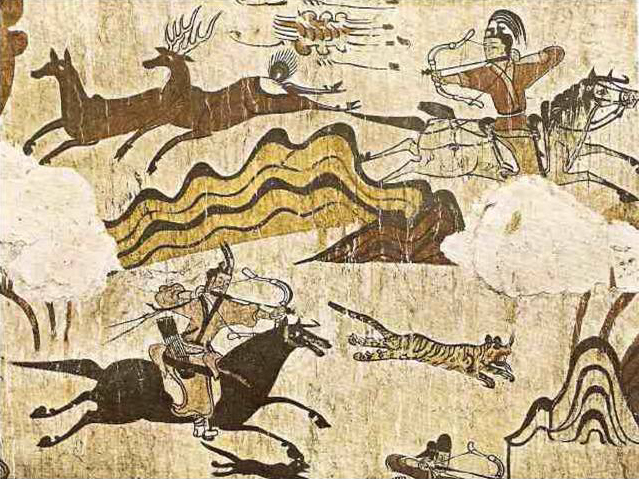
Archery was very important in ancient Korea. It was a skill that many people learned. Kings and soldiers used bows in war. Bows helped protect the kingdom. Many festivals had archery contests. People showed their skills and strength. It was a way to show honor and bravery.
Families taught archery to their children. It was a tradition passed down. Not just for fighting, but also for fun. Archery was a part of daily life. It helped bring people together. Everyone respected good archers.
Credit: www.antiquealive.com
Influence Of Cultural Traditions
Ancient Koreans had strong cultural traditions. These traditions affected how they made and used bows. Bows were not just tools. They were part of life. Traditions shaped their design. Bows were made with great skill. Artisans followed traditional methods. Materials were chosen carefully. Wood, bone, and horn were common. Each part had a purpose. Bows were used in ceremonies. They had special meanings. Warriors used them in battles. Skill in archery was respected. It showed bravery. Learning to use a bow was important. Families taught children. Passing skills through generations was key.
Famous Archers In Korean History
Ancient Korea had many skilled archers. These archers were known for their talent and bravery. They trained hard to perfect their skills. Archery was not just a sport. It was a way of life. Many archers were also warriors. They used bows in battles to protect their land. One famous archer was Yi Sun-sin. He was a naval commander. He used archery to win many battles. Another well-known archer was Kim Yushin. He helped unify Korea. Archery was a key skill for leaders.
Archers often came from noble families. They practiced archery from a young age. Their bows were special. Made from wood and horn. They could shoot long distances. Archers wore protective gear. They had to be strong and focused. Archery taught them discipline and patience. It was a respected art in ancient Korea. Many stories celebrate these brave archers.

Credit: en.wikipedia.org
Evolution Of Bow Drawing Techniques
Ancient Koreans were skilled with the bow. They used unique techniques. Drawing a bow was an art. It required strength and focus. The bow was held in the left hand. The right hand pulled the string back. This action was called bow drawing. The technique changed over time. Early bows were simple. Later designs became more advanced. These bows were used in hunting and war. Warriors practiced often. They aimed at distant targets. Accuracy was important. Training was a daily routine. Young and old learned the skill. The bow was a symbol of power. It was also a tool for survival. Mastery of the bow was respected. It played a big role in Korean history.
Preservation Of Archery Heritage
Ancient Koreans loved archery. They made strong bows. They used them for hunting and war. Archery was a big part of their culture. They practiced it for many years.
Koreans passed their archery skills to their children. They taught them from an early age. Bows were made with great care. They used bamboo, horn, and sinew. These materials made bows very powerful.
Competitions were held to test skills. People watched and learned. This kept the tradition alive. The tradition continues today. Many people still practice traditional Korean archery.
Frequently Asked Questions
How Did Ancient Koreans Make Their Bows?
Ancient Koreans crafted bows using wood, horn, and sinew. These materials provided strength and flexibility. The composite design allowed for powerful and efficient weaponry. Craftsmanship was vital for balance and accuracy. Korean bows were renowned for their durability and effectiveness in warfare.
What Techniques Were Used To Draw Korean Bows?
Drawing a Korean bow involved precise techniques. Archers utilized a thumb draw, using a thumb ring for protection. This method ensured a strong and consistent release. Proper stance and posture were crucial for accuracy. Practice and skill were essential to master the bow’s unique design.
Why Were Korean Bows Unique In Design?
Korean bows were unique due to their composite structure. Combining wood, horn, and sinew made them resilient. This design allowed for a shorter yet powerful bow. Its compact size was ideal for mounted archery. Korean bows were distinct in both form and function.
What Role Did Archery Play In Korean Culture?
Archery was integral to Korean culture and military. It was a crucial skill for warriors and hunters. Competitions and training emphasized its importance. Archery symbolized strength, discipline, and skill. It played a significant role in historical battles and cultural practices.
Conclusion
Exploring ancient Korean archery reveals a fascinating history. Their bow techniques were unique and skillful. Artisans crafted bows with care and precision. Warriors practiced tirelessly for accuracy and strength. These bows shaped Korean warfare and culture. Studying this history offers insights into ancient life.
It connects us to traditions and innovations of the past. Understanding these methods enriches our knowledge of Korean heritage. The legacy of Korean archery continues to inspire. It shows dedication to craftsmanship and skill. A testament to human ingenuity through the ages.
Archery remains a respected art in Korea today.