What is the Traditional Korean Bow Called? Unveiling Its History
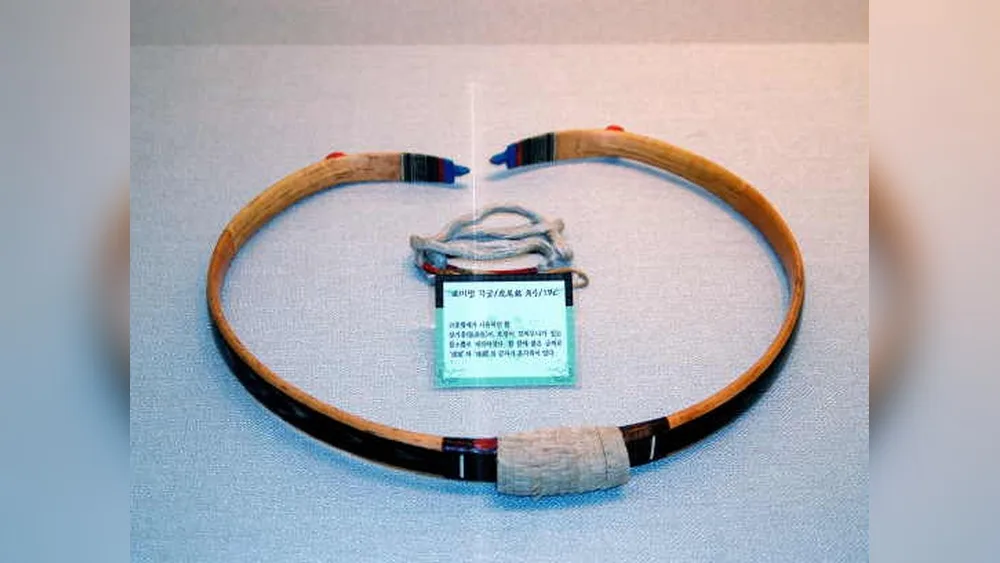
The first time you watch a Korean historical drama, you might notice how archers use a bow that looks quite different from the longbows or recurve bows seen in other parts of the world. This unique bow is called the gakgung (각궁), and it holds a special place in Korean culture and history. Unlike most bows you may have seen, the gakgung is small, highly curved, and famous for its power despite its size. But what makes the traditional Korean bow so special, and why is it still respected today? To answer that, we need to look at its design, history, cultural meaning, and how it compares to other famous bows.
The Origins And History Of The Gakgung
The gakgung has roots that go back over 2,000 years. Early forms of this bow were used by tribes in the Korean peninsula, especially by the ancient kingdoms of Goguryeo, Baekje, and Silla. Over centuries, the design improved, becoming more compact and powerful, which was useful for mounted archers.
The Mongol invasions in the 13th century also influenced Korean bow-making. Mongol composite bows were similar, but Korean bowyers added their own improvements. By the Joseon Dynasty (1392, 1897), the gakgung had become a symbol of military skill and national pride.
Archery was not just a weapon of war, it was also a respected sport and a key part of the education for scholars and soldiers.
Example: During the Joseon era, passing an archery test could help someone gain a government position. Shooting competitions were held regularly, and archery skills were considered a sign of good character and discipline.
What Makes The Gakgung Unique?
The gakgung stands out for several reasons:
- Size and Shape: It’s a small, highly reflexed bow, usually about 1 meter (3.3 feet) long when unstrung. Its curves store a lot of energy.
- Materials: Traditional gakgung are composite bows. They use horn (usually water buffalo), sinew, wood, bamboo, and glue. This mix gives the bow strength, flexibility, and resilience against the elements.
- Draw Weight: Despite its size, a gakgung can have a draw weight of 30, 50 kg (66, 110 lbs), which is strong enough for hunting and war.
- Short Bow Advantage: The small size made it perfect for shooting from horseback, a common tactic in Korean cavalry units.
Here’s a side-by-side comparison of the gakgung with other famous traditional bows:
| Bow Type | Length (unstrung) | Main Materials | Typical Draw Weight | Best Use |
|---|---|---|---|---|
| Gakgung (Korean) | ~1 meter | Horn, sinew, wood, bamboo, glue | 30, 50 kg | Mounted archery, foot archery |
| English Longbow | 1.8, 2 meters | Yew wood | 45, 68 kg | Foot archery, warfare |
| Mongol Composite Bow | 1.1, 1.3 meters | Horn, sinew, wood, glue | 35, 50 kg | Mounted archery, warfare |
| Japanese Yumi | 2.2 meters | Bamboo, wood | 18, 36 kg | Foot archery, ceremonial |

Credit: www.vam.ac.uk
The Structure And Craftsmanship Of The Gakgung
Building a traditional Korean bow is a long and careful process. Each part is chosen for a reason:
- Core: The backbone is made from hard woods like mulberry, giving the bow its shape and strength.
- Horn Layer: Water buffalo horn is glued to the belly (the side facing the archer). Horn is strong under compression, which helps store energy.
- Sinew Layer: The back (facing away from the archer) is covered in animal sinew, which is strong under tension, adding extra snap to the bow.
- Bamboo and Birch Bark: Bamboo strips may be added for flexibility, while birch bark covers the bow to protect it from moisture.
- Natural Glues: Fish bladders or animal hide glue are used, which require careful drying and curing.
Crafting a gakgung can take up to a year. Bowyers must wait for each glue layer to dry fully before adding the next. Even a small mistake can ruin the bow. In my experience, learning about these careful steps gave me a new respect for this ancient skill.
Pro Tip: If you ever buy a traditional gakgung, check that it’s made with natural materials. Modern versions may use plastics, but these don’t have the same feel or performance as the original.
How The Gakgung Is Used
The traditional Korean bow is used in a style called gungdo (궁도), meaning “the way of the bow.” Gungdo is both a sport and a martial art, with rules and rituals passed down for centuries.
Shooting Technique
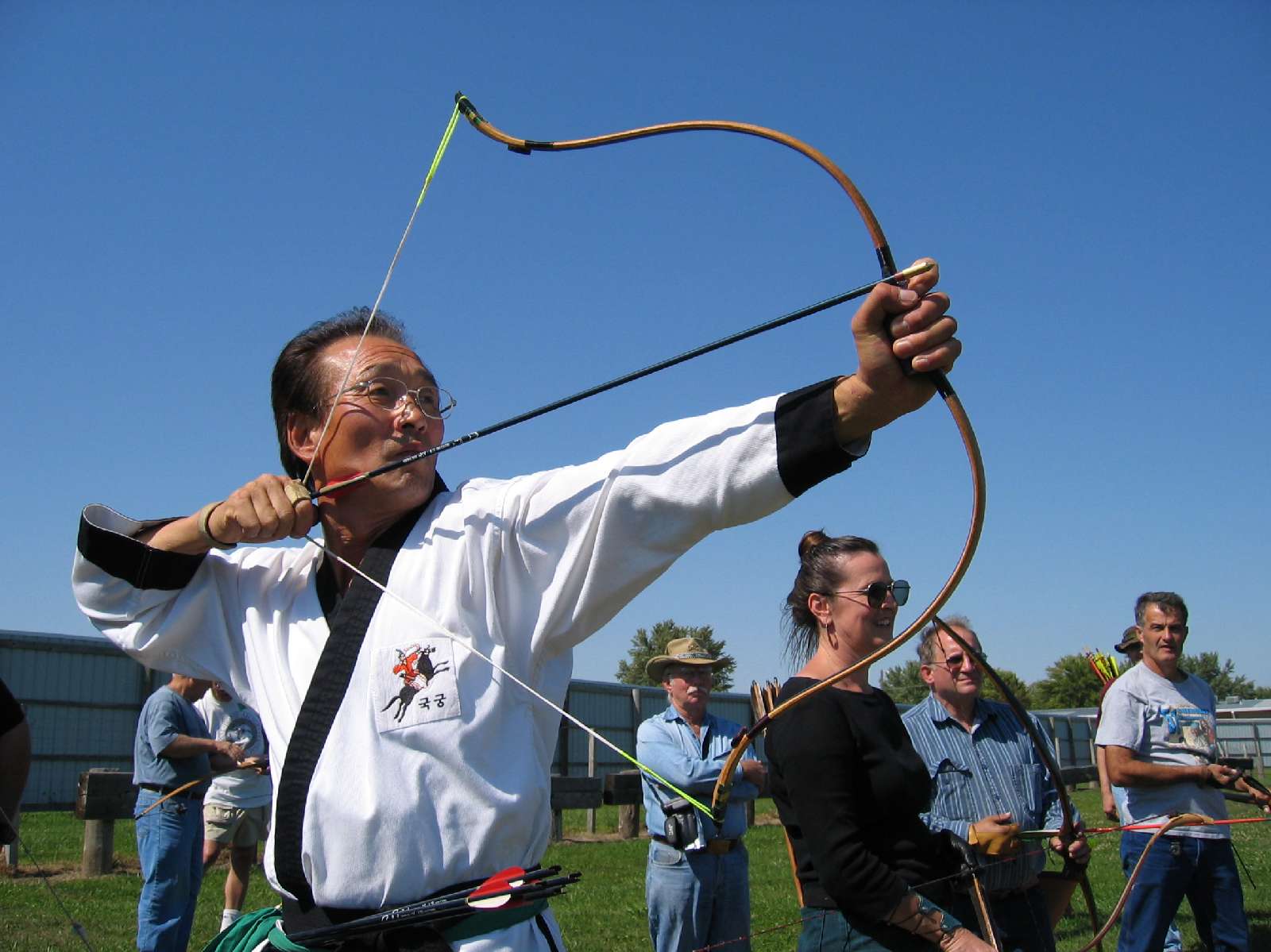
- Thumb Draw: Korean archers use a special thumb ring (called a kakji) and pull the string with their thumb instead of three fingers. This gives more control and power.
- Shooting Posture: The stance is upright, with feet shoulder-width apart. The arrow is placed on the right side of the bow (for right-handed shooters), unlike Western archery.
- Release: The thumb is hooked around the string, then released smoothly for a quick, powerful shot.
Types Of Arrows
Arrows for the gakgung are usually made from bamboo, with feather fletchings. War arrows could be heavier and even tipped with metal. For target shooting, lighter arrows are used.
Modern Practice
Today, gungdo is still practiced across South Korea. There are over 300 archery ranges, and competitions are held regularly. Both men and women of all ages take part, keeping the tradition alive.
Credit: www.martialartswords.com
The Gakgung In Korean Culture
The Korean bow is more than a weapon; it’s a symbol of discipline, honor, and national identity.
- Royal Symbol: Kings and generals often practiced archery. Famous leaders, such as Admiral Yi Sun-sin, were skilled archers.
- Art and Literature: The bow appears in old paintings, poetry, and folk tales.
- Modern Symbolism: The gakgung is a symbol of Korea’s strength and resilience. It appears on coins, postage stamps, and in international sports.
In Korean, the saying “shoot the bow straight” means to live an honest and upright life.
Example: At the 1988 Seoul Olympics, archery was a key event. South Korean athletes have since dominated international competitions, thanks in part to this long tradition.
How The Gakgung Compares To Other Asian Bows
Many people wonder how the Korean bow stacks up against other famous bows from Asia. Let’s look at key differences and similarities.
| Feature | Korean Gakgung | Mongol Bow | Japanese Yumi | Chinese Manchu Bow |
|---|---|---|---|---|
| Size | Small (compact) | Small/Medium | Very long | Large (heavy limbs) |
| Material | Horn, sinew, wood, bamboo | Horn, sinew, wood | Bamboo, wood | Horn, sinew, wood |
| Shooting Style | Thumb draw, right-side arrow | Thumb draw, right-side arrow | Three-finger draw, left-side arrow | Thumb draw, right-side arrow |
| Use | Mounted/foot archery | Mounted archery | Ceremonial, foot archery | Mounted/foot archery |
| Notable Features | Extreme reflex, compact power | Durability, range | Asymmetrical, long reach | Large arrow capacity |
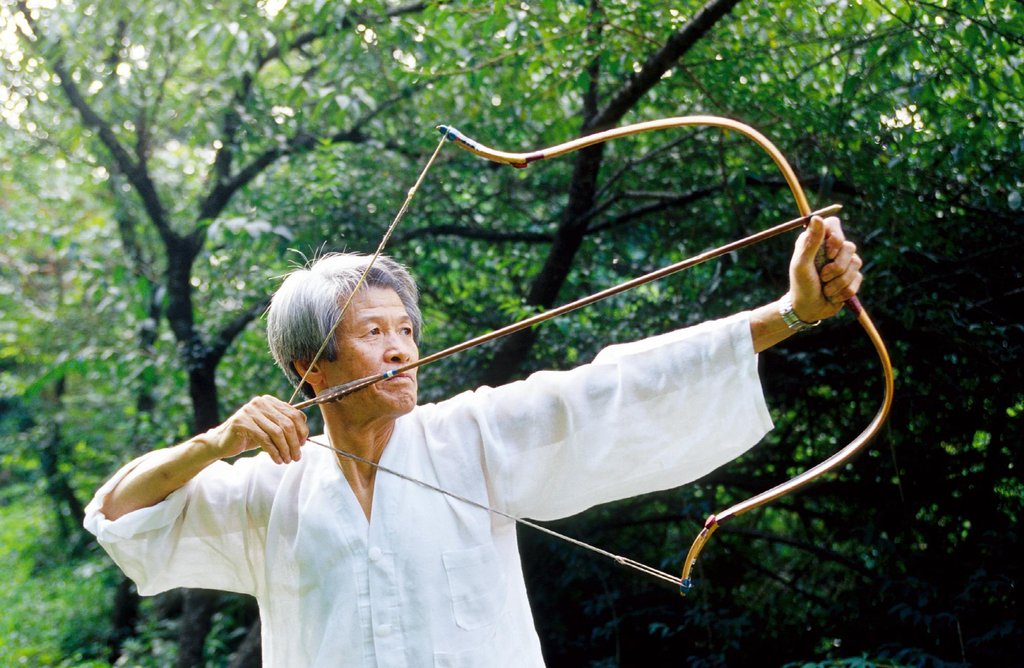
Non-obvious insight: The Korean bow’s extreme “reflex” (curved tips) stores more energy in a smaller frame, giving it excellent range and speed. This is why the gakgung, even at just 1 meter, can shoot as far as some much longer bows.
Credit: en.yna.co.kr
The Role Of Gakgung In Korean Martial Arts
In Korean martial arts, archery is not just about hitting a target. It’s about focus, breathing, and character. The mental side of gungdo is as important as the physical.
- Meditative Practice: Archers often practice slow, controlled breathing before drawing the bow. This helps calm the mind and improve focus.
- Respect and Ritual: Each session begins and ends with a bow (the gesture) to the range and fellow archers, showing respect.
- Rank and Progress: Students earn colored sashes, similar to belts in taekwondo, as they improve.
A common mistake for beginners is to focus only on strength. In reality, good form and mental control are much more important for accuracy and consistency.
Modern Revival And Global Popularity
While firearms made bows less important in war, the gakgung has seen a revival as a sport and cultural practice.
- International Archery: South Korea is now a powerhouse in Olympic archery, though modern bows are different from the traditional gakgung.
- Tourism and Festivals: Many Korean cities hold archery festivals, where visitors can try shooting a gakgung.
- Collectors and Enthusiasts: Traditional bows are prized by collectors worldwide for their beauty and craftsmanship.
Warning: Some modern “Korean” bows sold online use fiberglass and synthetic materials. If you want an authentic experience, look for bows made by certified Korean bowyers using traditional techniques.
The Science Behind The Gakgung’s Power
The gakgung is often studied by engineers and historians for its performance. Its design lets it store and release energy very efficiently.
- Composite Structure: By using different materials for compression (horn) and tension (sinew), the bow bends more without breaking.
- Short Bow Physics: The highly reflexed shape means the tips move fast, launching arrows at high speed.
- Durability: Properly made gakgung can last for decades if cared for, though they are sensitive to humidity.
Example: In tests, a gakgung can shoot an arrow over 145 meters (about 475 feet) accurately, rivaling much larger bows.
How To Care For A Traditional Gakgung
Owning a traditional Korean bow comes with responsibility.
- Keep Dry: Moisture can weaken natural glues and warp the bow.
- Store Unstrung: Always unstring the bow when not in use to avoid losing its shape.
- Clean Gently: Use a soft cloth; avoid harsh chemicals.
- Check for Damage: Regularly inspect for cracks or separation in the layers.
If you’re new to caring for composite bows, ask an experienced archer or bowyer for advice. Mistreating a gakgung can quickly ruin it, even if it looks fine on the outside.
Learning Gungdo: Where To Start
If you’re interested in learning traditional Korean archery, many clubs and schools offer lessons worldwide.
- Find a Certified Club: Look for groups recognized by the Korea Traditional Archery Association or similar bodies.
- Start with Proper Gear: Beginners often use lighter bows before moving to a full-weight gakgung.
- Learn the Rituals: Respect and safety are key. Gungdo is about more than just hitting the target.
- Progress Gradually: Focus on form and consistency before trying higher draw weights.
Pro Tip: Take time to learn the thumb draw and proper stance. This can feel awkward at first, especially for those used to Western archery, but it’s essential for accuracy and safety.
The Gakgung In Modern Media
The Korean bow often appears in movies, TV shows, and games. It’s a symbol of heroism and skill.
- Historical Dramas: Korean dramas like “The Great Queen Seondeok” and “Warrior Baek Dong Soo” feature characters using the gakgung.
- Documentaries: There are several documentaries showing how gakgung are made and used.
- Video Games: Some games now feature the gakgung as a weapon option for characters, helping to spread its fame.
This exposure has inspired more people to learn about and try traditional Korean archery.
Key Differences: Gakgung Vs. Modern Bows
With the rise of Olympic archery, you might wonder how the gakgung compares to modern recurve or compound bows.
| Feature | Traditional Gakgung | Modern Recurve Bow | Compound Bow |
|---|---|---|---|
| Material | Natural (horn, wood, sinew) | Aluminum, fiberglass, carbon | Aluminum, pulleys, carbon |
| Draw Weight | Up to 50 kg | Varies (15, 50 kg) | Varies (15, 70 kg), mechanical advantage |
| Use | Traditional sport, ceremonies | Olympic sport, hunting | Hunting, target sport |
| Shooting Style | Thumb draw, no sight |