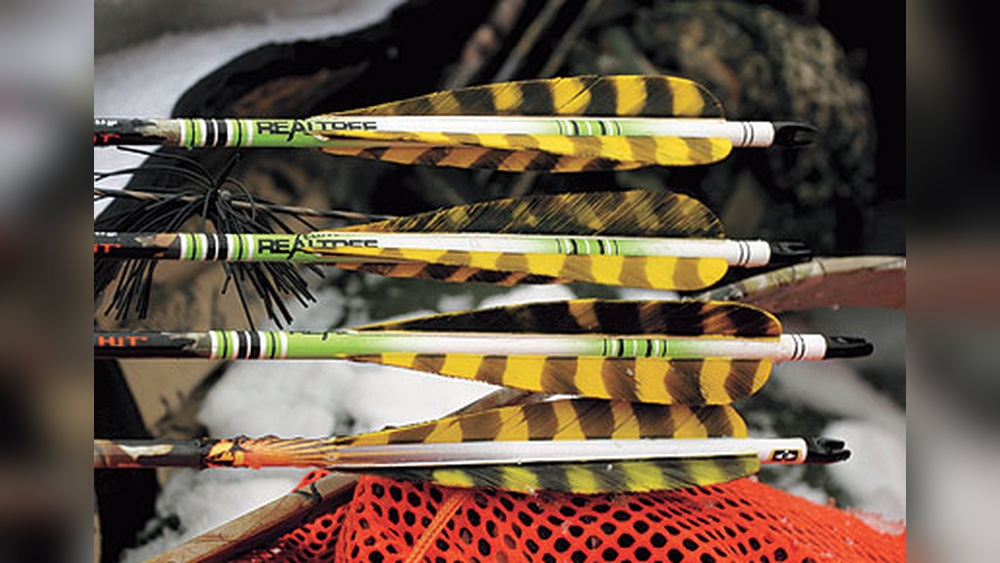
Are Helical Feathers Better for Traditional Archery? Expert Insights
Traditional archery holds a unique place in the world of bow sports. Archers who shoot wooden bows and arrows with feather fletching often care deeply about every detail, from arrow spine to feather shape. One debate stands out: Are helical feathers actually better for traditional archery, or is straight fletching just as good? Many archers, both new and experienced, ask this question. The answer is not as simple as picking one style over the other. To truly understand, you need to look at how helical feathers affect arrow flight, accuracy, forgiveness, and more.
When I first started shooting traditional bows, I tried both straight and helical fletching. At first, the difference seemed small. But after months of practice, I noticed certain patterns that changed my mind about which type works best and why.
In this article, you’ll learn what makes helical feathers special, how they compare to straight and offset fletching, and how to decide what’s right for your own style of archery. We’ll cover facts, common myths, and practical tips, so you can make a confident choice for your arrows.
What Are Helical Feathers?
Helical feathers are arrow fletchings (the feathers at the back of the shaft) that are glued in a spiral or curved pattern around the shaft. This design makes the arrow spin as it flies. The twist comes from the way the feather is attached, not from the feather itself, but the angle used during fletching.
Straight fletching means the feather runs parallel to the shaft, while offset fletching angles the feather slightly but not in a curve. Helical fletching takes this angle further, creating a full twist.
Types Of Fletching
- Straight: Parallel to shaft, no curve
- Offset: Slight angle, not curved
- Helical: Strong curve, spiral around shaft
Each type has a specific effect on the arrow’s flight, noise, and stability.
How Helical Feathers Work
When you shoot an arrow with helical feathers, the spiral layout causes the arrow to spin. This works like a rifled barrel spinning a bullet. The spinning motion stabilizes the arrow, keeping it flying straighter through the air.
The Science Behind The Spin
As the arrow moves forward, air pushes against the feathers. With helical fletching, this push is uneven, creating a force that twists the arrow. The faster the spin, the more stable the arrow becomes. This helps correct small mistakes made during the shot, like a bad release or a small difference in hand position.
Example: Imagine throwing a football with a spiral, it flies farther and straighter than a wobbly throw. Helical feathers do the same for arrows.

Credit: www.amazon.com
Comparing Helical Vs. Straight Fletching
To help you see the differences, here’s a comparison:
| Feature | Helical Feathers | Straight Fletching |
|---|---|---|
| Arrow Spin | High (spiral) | Low (minimal) |
| Stability | Very stable | Less stable |
| Forgiveness | High | Low to moderate |
| Speed | Slightly reduced | Maximum |
| Noise | Moderate to loud | Quiet |
Key Points
- Helical feathers increase spin and stability, making the arrow more forgiving.
- Straight fletching is quieter and gives maximum speed, but less correction for errors.
Benefits Of Helical Feathers In Traditional Archery
1. Arrow Stability
The main advantage of helical feathers is arrow stability. In traditional archery, you shoot off the hand or a simple shelf. Your release is not as clean as with modern compound bows. Helical fletching helps the arrow recover from the paradox (sideways bend) faster, straightening out the flight sooner.
2. Forgiveness To Release Errors
Nobody releases perfectly every time. A helical twist makes arrows correct themselves in flight. If your fingers twist or pluck the string, the spin helps the arrow stay on course. This is especially important for beginners or in hunting, where perfect form is hard to keep.
3. Better Broadhead Flight
Traditional hunters often use broadhead tips, which can exaggerate any wobble in flight. Helical fletching spins the arrow faster, reducing planing (sideways drift) and keeping broadheads flying straight. Many experienced hunters only use helical feathers for this reason.
4. Improved Accuracy At Short And Medium Range
For shots up to 40 yards (the typical range for most traditional archers), helical feathers often improve groupings. The added spin makes arrows land closer together, especially if your release is not perfect.
5. Works With Natural Feathers
Traditional archers usually choose natural feathers (like turkey) over plastic vanes. Helical fletching works well with these, because natural feathers are flexible and grab air easily.
Drawbacks Of Helical Feathers
Helical feathers are not perfect for every archer or situation. Here are some disadvantages:
1. Slight Speed Reduction
Because helical fletching creates more drag, arrows slow down a bit compared to straight fletching. For target archers who want maximum distance, this can be a drawback. However, for most traditional archery ranges (under 50 yards), the speed loss is very small.
2. Increased Noise
The spiral shape makes arrows a bit noisier in flight. This can matter for hunters, as a loud arrow may alert game. However, the difference is not huge, experienced hunters often trade a little noise for better arrow control.
3. Clearance Issues
A strong helical twist can cause the feather to hit the bow shelf or arrow rest, especially on bows with narrow windows. This can damage feathers or affect flight. Careful fletching and tuning can reduce this problem, but it’s something to check.
4. Harder To Fletch
Gluing helical feathers is more difficult. You need a helical fletching jig, and aligning the feathers takes more time compared to straight fletching.
When Is Helical Fletching Best?
Not every archer benefits equally from helical feathers. Here are situations where they shine:
- Hunting with broadheads: The extra spin keeps big, fixed-blade points stable.
- Shooting off the shelf: Most traditional bows have a simple arrow shelf. Helical fletching improves forgiveness.
- Beginners: New archers often have inconsistent release. Helical feathers help correct bad shots.
- Wooden arrows: These are less perfect than carbon or aluminum. Helical fletching adds stability.
Pro Tip: If you mostly shoot at close range (under 30 yards), the speed loss of helical fletching is not important. Accuracy and forgiveness matter more.
When To Use Straight Or Offset Fletching
Straight or offset fletching has its own uses:
- Target archery at long distances: Less drag means more speed and flatter trajectory.
- Very quiet shooting: Straight fletching is quieter, which may help in some hunting situations.
- High clearance needs: Bows with narrow shelves or unusual rests may work better with straight fletching.
If you shoot very light arrows or want to maximize speed, straight or slightly offset fletching is a good choice.
Common Myths About Helical Feathers
There’s a lot of talk online and at ranges about what helical feathers do. Let’s clear up some common myths.
Myth 1: Helical Fletching Always Makes Arrows More Accurate
Not always. If your form is perfect and you shoot light, short arrows at long range, straight fletching might group better. Helical helps most when correcting small mistakes.
Myth 2: Helical Fletching Slows Arrows A Lot
The speed loss is usually very small, especially at normal traditional archery ranges. You might lose 1-2 feet per second, barely noticeable unless you shoot over 50 yards.
Myth 3: Helical Is Only For Hunting
Many target archers use helical fletching, especially for indoor or short-range events. The stability helps even with field points.
Myth 4: Helical Feathers Are Always Louder
The noise difference is real, but not dramatic. Feather size, bow type, and arrow material affect noise even more than fletching style.

Credit: www.youtube.com
How To Fletch Arrows With Helical Feathers
Setting up helical fletching takes a bit more work than straight fletching, but it is not difficult with the right tools. Here’s a practical guide:
What You Need
- Helical fletching jig: A tool that holds the arrow and feather at the right angle.
- Natural feathers: Turkey feathers are common.
- Arrow shafts: Wood, carbon, or aluminum.
- Fletching glue: Fast-drying is best.
- Razor blade or sandpaper: For cleaning and prepping the shaft.
Steps
- Prep the shaft: Clean and lightly sand the area where feathers will go.
- Set jig to helical: Adjust the clamp to your desired twist, right or left helical.
- Apply glue: Run a thin line along the base of the feather.
- Attach feather: Place the feather in the jig and press onto the shaft.
- Let dry: Wait for glue to set before moving to the next feather.
- Repeat: Add all three (or four) feathers, spacing them evenly.
Pro Tip: Test your fletched arrows for clearance by shooting through paper or powder. If you see marks or hear a “slap,” try a smaller helical angle.
Choosing The Right Helical Angle
The amount of helical, or twist, matters. Too much can cause clearance problems; too little may not give enough spin. Most archers use a moderate helical angle, about 3 to 5 degrees off-center.
- High helical (7+ degrees): Maximum spin, more drag, possible clearance issues
- Medium helical (3-5 degrees): Good spin, balance of stability and speed
- Low helical (1-2 degrees): Slight spin, almost like offset fletching
Experiment to find what works best with your bow, arrows, and shooting style.
Real-world Experiences: What Archers Say
In my experience and from talking with many archers, most traditional shooters prefer helical feathers, especially for hunting or 3D shooting. They report tighter groups and more confidence in windy conditions. However, some target archers and Olympic-style shooters choose straight or offset fletching for long-distance accuracy.
Example: A Club Test
At a local archery club, several shooters tested the same arrows with both straight and helical feathers at 20 yards. Most found that the helical fletched arrows grouped 10-20% tighter, especially when releases were sloppy. At 50 yards, the gap narrowed, but beginners still favored the helical setup.
Arrow Material And Fletching Choice
Your arrow material also affects the best fletching style.
| Arrow Material | Best Fletching Style | Why |
|---|---|---|
| Wood | Helical | Stabilizes natural imperfections |
| Carbon | Helical or offset | Stable and consistent, needs less correction |
| Aluminum | Any | Straight and precise, personal preference |
Credit: www.octobermountainproducts.com
Traditional Archery Competitions And Fletching Rules
Most traditional archery competitions do not require a specific fletching type. The rules focus more on bow and arrow materials. However, some traditional-only events encourage the use of natural feathers and wooden arrows, both of which work well with helical fletching.
If you plan to compete, check the event rules. The World Archery Federation allows natural feather fletching of any style for traditional classes. For historical reenactment groups, authenticity may matter more than performance.
Are Helical Feathers Worth The Effort?
So, are helical feathers actually better for traditional archery? For most shooters, the answer is yes, especially if your goal is consistent, accurate shooting with natural materials. The extra spin and stability make a noticeable difference for hunters, beginners, and anyone shooting off the shelf.
However, if you shoot at long range, want maximum speed, or have clearance issues, straight or offset fletching might be better. The best way to know is to test both styles with your own setup.
Practical Tips For Traditional Archers
- Try both styles: Fletch a few arrows each way and shoot groups at your normal distance.
- Tune your setup: Make sure your bow, arrows, and fletching all work together.
- Check for clearance: Listen for noise and look for feather damage.
- Use quality feathers: Natural turkey feathers are best for helical fletching.
- Start with moderate helical: Too much twist can cause problems.
Final Thoughts
Helical feathers offer clear benefits for many traditional archers. They stabilize arrows, forgive small mistakes, and help broadheads fly straight. While they require a bit more work to fletch and can be slightly noisier, the trade-off is usually worth it, especially for hunting or shooting off the shelf.
Each archer should try both styles and choose what feels best. In the end, the right fletching is the one that gives you confidence and helps you hit your mark.
For more on the science of arrow flight, check the Wikipedia Arrow page.
Frequently Asked Questions
What Is The Difference Between Right Helical And Left Helical Feathers?
Right helical feathers twist the arrow clockwise in flight, while left helical twist it counterclockwise. The choice depends on your arrow rest, bow design, and personal preference. Some archers believe right helical works better for right-handed shooters, but both are effective.
Can I Use Helical Feathers With Plastic Vanes?
Helical fletching works best with natural feathers because they are flexible and clear