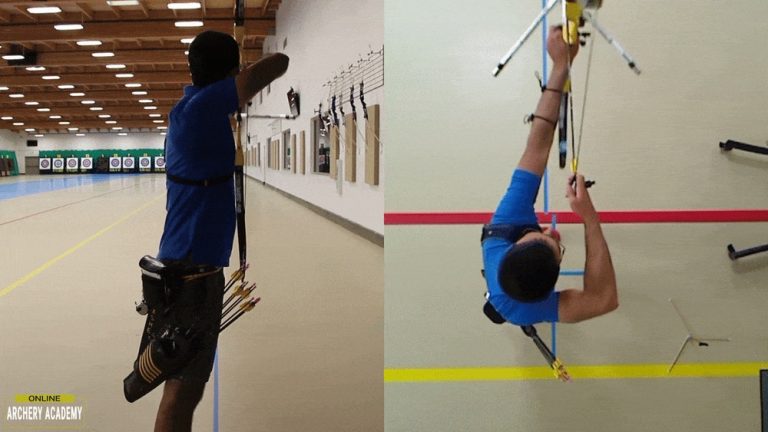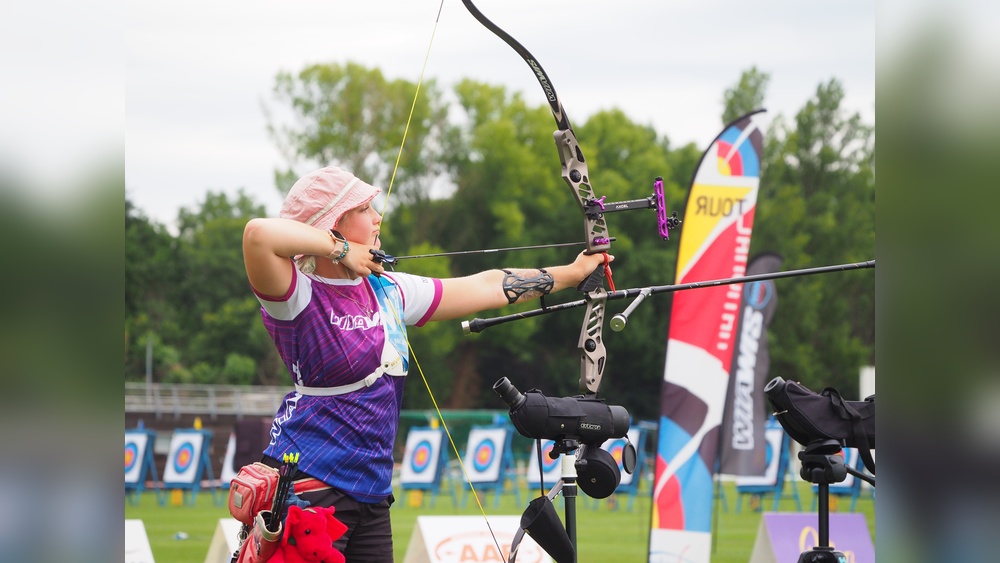
What Weight for a Traditional Bow for an Olympic Archer?
Choosing the right bow weight is a crucial step for anyone aiming to shoot a traditional bow at the Olympic level. Many archers, especially beginners, are surprised to learn that the “right” bow weight isn’t just about strength or power. It’s about balance, endurance, control, and the specific demands of Olympic competition. If you’re considering pursuing Olympic archery with a traditional bow, understanding how to select the best draw weight will set the foundation for your long-term success.
In this guide, I’ll share what really matters when choosing bow weight for Olympic archery, how top athletes think about their setups, and what you should avoid as a beginner. You’ll learn not only the typical weight ranges but also the subtle factors that influence performance, including body type, training goals, and competition rules. Along the way, I’ll highlight insights that beginners often miss, and I’ll share some personal experience from years spent training new archers. Let’s start by understanding the unique requirements of Olympic archery and how the traditional bow fits into this challenging sport.
Olympic Archery: Rules And Bow Types
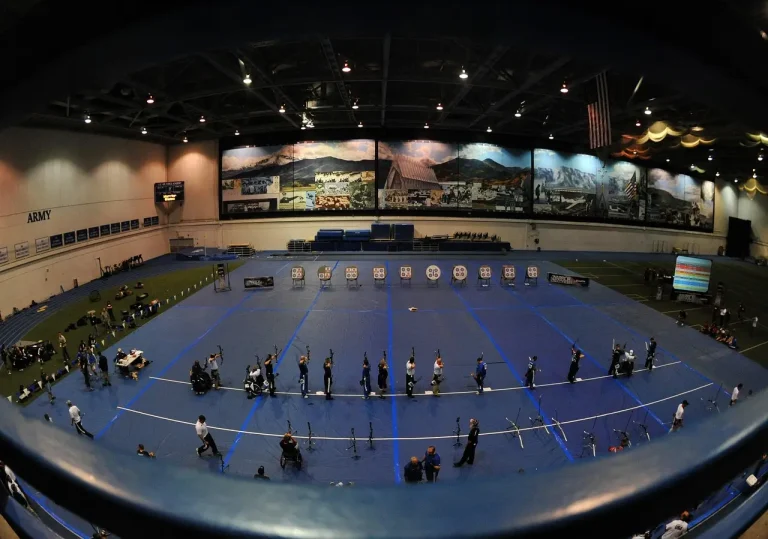
Olympic archery has strict guidelines about the equipment you can use. The only type of bow allowed is the recurve bow, which is a form of traditional bow. Compound bows, longbows, and other styles are not permitted in the Olympics.
The World Archery Federation, which sets the official rules, specifies that:
- Only recurve bows are legal in Olympic competition.
- Bows must meet certain size and design standards.
- Draw weight is not restricted by rules, but practical limits exist due to performance needs.
While recurve bows are considered traditional by many, they are highly optimized for modern competition. Most Olympic archers use advanced materials and accessories (like stabilizers and sights), but the core technique is rooted in traditional archery skills.
Pro Tip: If you’re just starting, focus on a recurve bow that meets Olympic standards, even if you don’t plan to compete right away. This helps you build habits and muscle memory that will translate directly to higher-level competition.
What Is Bow Weight And Why Does It Matter?
Bow weight, often called draw weight, is the amount of force required to pull the bowstring to a certain distance (usually 28 inches for adults). It’s measured in pounds (lbs). For example, a 30-pound bow needs 30 pounds of force to draw the string back fully.
Bow weight matters because it affects:
- How much energy is transferred to the arrow
- The speed and distance of your shot
- The physical strain on your muscles and joints
- Your accuracy and consistency over long shooting sessions
If the draw weight is too high, you’ll struggle with fatigue, poor form, and even injury. If it’s too low, your arrows may not fly as far or as straight, especially at Olympic distances (70 meters for outdoor competition).
Draw Weight Vs. Holding Weight
In recurve archery, the holding weight (the force you hold at full draw) is equal to the draw weight. Unlike compound bows, which have a let-off at full draw, traditional bows require you to hold the full force until you release the arrow. This makes choosing the correct weight even more important for endurance.
Typical Bow Weights For Olympic Archers
Most Olympic recurve archers use bows with draw weights in the range of 38 to 50 lbs for men and 28 to 40 lbs for women. However, these numbers are not fixed rules. They reflect the averages at the highest level, where archers have years of training and strong physical conditioning.
Here’s a quick comparison of typical bow weights:
| Group | Beginner | Intermediate | Elite/Olympic |
|---|---|---|---|
| Men | 20, 28 lbs | 28, 38 lbs | 38, 50 lbs |
| Women | 16, 22 lbs | 22, 32 lbs | 28, 40 lbs |
Warning: Jumping to an Olympic-level draw weight too soon is one of the fastest ways to develop bad habits or injury. Always build up gradually.
Factors That Determine The Right Bow Weight
1. Physical Strength And Build
Everyone has a unique body type. Your upper body strength, especially in the back and shoulders, determines how much draw weight you can handle safely and consistently. Taller archers may handle heavier weights more comfortably, while those with smaller frames may need to start lighter.
2. Experience Level
A common mistake is to copy the draw weight of professional archers. In my experience, beginners often underestimate how much technique matters. Starting with a lighter bow lets you focus on form, not just strength.
3. Training Volume
Olympic archers shoot hundreds of arrows per day. Even if you can pull a heavy bow once, can you shoot 150 arrows in a session without losing accuracy? The right weight is one you can handle for your full practice routine.
4. Competition Distance
Olympic target archery is shot at 70 meters outdoors. Lighter bows may struggle to propel arrows accurately at this distance, especially in windy conditions. However, it’s better to build up to higher weights rather than start too heavy.
5. Arrow Spine And Tuning
The draw weight of your bow affects the stiffness (spine) of the arrows you need. Heavier draw weights require stiffer arrows. Matching bow and arrow is essential for accuracy.
6. Age And Gender
Youth archers and women typically start with lower draw weights. However, there’s no one-size-fits-all rule, many women compete successfully with higher weights, and some men choose lower weights to suit their style.
7. Injury History
If you have a history of shoulder or back problems, consult a medical professional before choosing a draw weight. Overuse injuries are common in archery when weight is too high.
How To Select Your Starting Bow Weight
Choosing a starting draw weight is both art and science. Here’s a step-by-step approach that works for most aspiring Olympic archers:
- Assess your strength honestly. If you’ve never done archery, start at the lower end of the ranges shown above.
- Try before you buy. Visit an archery shop or club and shoot several bows. Find one you can draw smoothly and hold at full draw for 10 seconds without shaking.
- Aim for control. You should be able to shoot 30, 50 arrows in one session without fatigue or loss of form.
- Listen to your coach. If you have a coach, trust their recommendation. They’ll see things you might miss.
- Increase gradually. When shooting feels easy, increase draw weight in small steps (2, 4 lbs at a time).
Pro Tip: Many elite archers use “training bows” with lower draw weights during off-season or form practice. This builds technique and prevents overuse injuries.
Common Mistakes Beginners Make
Choosing Too Heavy A Bow
This is the number one problem I see as a coach. Beginners want to “level up” quickly, so they pick a bow that’s too heavy. The result is poor form, reduced accuracy, and sometimes injury. Olympic archers didn’t start with 45-pound bows, they built up over years.
Ignoring Endurance
Archery is about repeatable performance. If you can’t shoot 100 arrows without your muscles fatiguing, your draw weight is too high.
Not Testing Different Weights
Some archers stick with the first bow they try. Testing multiple weights helps you feel the difference and find what suits you best.
Skipping Professional Advice
Trying to self-teach with high draw weight often leads to bad habits. A qualified coach can spot issues early and keep you on the right path.

Credit: www.wired.com
The Science Behind Bow Weight And Arrow Performance
The relationship between draw weight and arrow speed is not linear, doubling the draw weight doesn’t mean double the arrow speed. However, heavier draw weights do produce faster, flatter-shooting arrows, which is an advantage at longer distances.
Here’s an example comparison:
| Draw Weight | Arrow Speed (fps) | Effective Range |
|---|---|---|
| 30 lbs | 150, 170 | Up to 50 meters |
| 40 lbs | 180, 200 | 70 meters |
| 50 lbs | 200, 220 | 70 meters+ |
Speeds are approximate and depend on arrow weight, bow efficiency, and shooting technique.
Example: At the London 2012 Olympics, the average draw weight used by medalists was around 48 lbs for men and 38 lbs for women.
How To Increase Bow Weight Safely
If your goal is to reach Olympic-level draw weights, patience and planning are key. Here’s how successful archers increase bow weight over time:
- Strength Training: Focus on exercises for the back, shoulders, and core. Resistance bands and light dumbbells are effective.
- Gradual Progression: Increase draw weight in 2, 4 lb increments only after you can shoot your current weight comfortably.
- Form Practice: Continue practicing with your lighter bow to maintain perfect form as you build strength.
- Regular Rest: Take rest days to allow muscles and tendons to recover.
- Monitor Fatigue: If you notice loss of control, drop back to a lower weight and rebuild.
Warning: Never force an increase in draw weight if you experience pain or joint discomfort. Consult a coach or physical therapist.

Credit: startarchery.co.uk
Insights Most Beginners Miss
Many new archers believe that higher draw weight is always better for Olympic archery. In reality, accuracy and consistency matter more than raw power. Most Olympic archers choose the lowest draw weight that still allows them to reach 70 meters effectively, especially under pressure.
Another overlooked factor is that arrows must be matched to the bow. Too stiff or too weak an arrow will reduce your accuracy, no matter the draw weight. Regular tuning sessions with a coach or experienced archer can make a dramatic difference.
In my experience, beginners who focus on building perfect form with lighter weights progress faster in the long run than those who try to “muscle” their way to higher draw weights.
How Bow Weight Affects Your Technique
Heavier draw weights increase the physical demand on your body. This can lead to:
- Shorter practice sessions due to fatigue
- Difficulty holding steady at full draw
- Increased risk of “creeping” (string moving forward before release)
Lighter draw weights allow you to focus on:
- Smooth release
- Steady aim
- Repeatable form
Pro Tip: Even elite Olympic archers sometimes drop down in weight for technical training, then return to their competition weight as the event approaches.
Comparing Traditional Bows: Recurve Vs Longbow
While the Olympic recurve is the standard for competition, some archers are curious about how traditional longbows compare. Here’s a quick summary:
| Feature | Olympic Recurve | Longbow |
|---|---|---|
| Allowed in Olympics | Yes | No |
| Typical Draw Weight (Elite) | 38, 50 lbs | 40, 60 lbs |
| Accessories | Sights, stabilizers | None |
| Accuracy at 70m | High | Lower |
If your goal is Olympic competition, focus on the recurve. Longbows are excellent for tradition and fun, but not suitable for the Olympic format.
Practical Steps For Advancing To Olympic Weight
- Master Basic Form: Spend at least 6, 12 months with a comfortable weight focusing on stance, grip, and release.
- Track Your Progress: Keep a log of your draw weight, number of arrows per session, and any fatigue or soreness.
- Increase Slowly: Only add weight when you can shoot your current setup with perfect form and no pain.
- Get Feedback: Video yourself or work with a coach to spot flaws as you add weight.
- Compete Locally: Try local competitions to test your setup under pressure.
Pro Tip: Some archers use “clickers” (a device that signals full draw) to maintain consistency as they move up in draw weight.
When To Upgrade Your Bow Limbs
Most modern recurve bows allow you to swap out limbs to change draw weight. Plan to upgrade when:
- You can shoot 100+ arrows with no loss of form or strength
- Your arrows reach 70 meters easily
- Your coach approves the increase
Avoid upgrading just because others are using heavier bows.
Real-world Example: Olympic Champion’s Progression
Take the example of Brady Ellison, a top American Olympic archer. He started with a 28 lb bow as a teenager, gradually increasing weight over several years. By the time he reached the Olympics, he was using a bow in the 48, 50 lb range. His advice: “Don’t rush. Build your foundation first.”
Training Tips For Building Up To Olympic Bow Weight
- Mix strength training with technical practice.
- Use lighter limbs for drills and heavier limbs for competition prep.
- Prioritize flexibility and shoulder health.
- Monitor your performance regularly and adjust as needed.
Remember, consistency beats raw power every time.
Where To Find More Resources
For more details on Olympic archery rules and recommended equipment, visit the official World Archery Federation rulebook.

Credit: www.wired.com
Frequently Asked Questions
What Is The Minimum Bow Weight For Olympic Competition?
There is no official minimum draw weight for Olympic recurve bows. However, your bow must be strong enough to shoot arrows accurately at 70 meters. Most archers find that at least 36 lbs is necessary for consistent performance at this distance.
How Do I Know If My Draw Weight Is Too Heavy?
Signs your draw weight is too heavy include shaky arms at full draw, short practice sessions due to fatigue, and difficulty holding aim. If you notice loss of control or accuracy