How to Blend Traditional Archery and Olympic Style for Success
Blending Traditional Archery And Olympic Style: A Complete Guide
Archery has captured human imagination for thousands of years. From the ancient longbows of English warriors to the high-tech recurves seen at the Olympics, archery is a sport rich in tradition and innovation. Many archers today feel drawn to both worlds: the simplicity and connection to history in traditional archery, and the precision and performance of the Olympic style. But can you really blend these two approaches and get the best of both? The answer is yes, if you understand how to combine techniques, equipment, and mindsets from each style.
This guide will show you how to bridge the gap between traditional and Olympic archery. Whether you shoot for fun, competition, or personal growth, learning to blend these styles can make you a more skilled, flexible, and fulfilled archer.
Understanding Traditional Archery And Olympic Style
Before you can mix the two, it’s important to understand what sets them apart. Both styles share the same roots, but their differences go beyond just equipment.
What Is Traditional Archery?
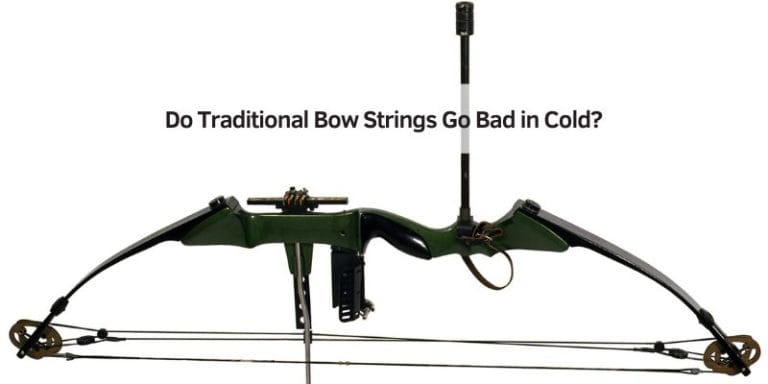
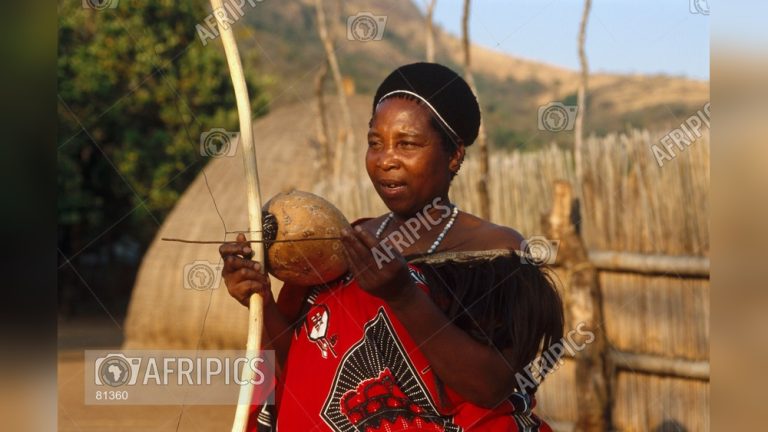
Traditional archery focuses on simplicity. The bow is usually a longbow or recurve, without modern add-ons like sights or stabilizers. Shooters rely on instinct, muscle memory, and their own eyes for aiming. Many traditional archers value the connection to history, enjoying natural materials and old-world craftsmanship.
What Is Olympic Style Archery?
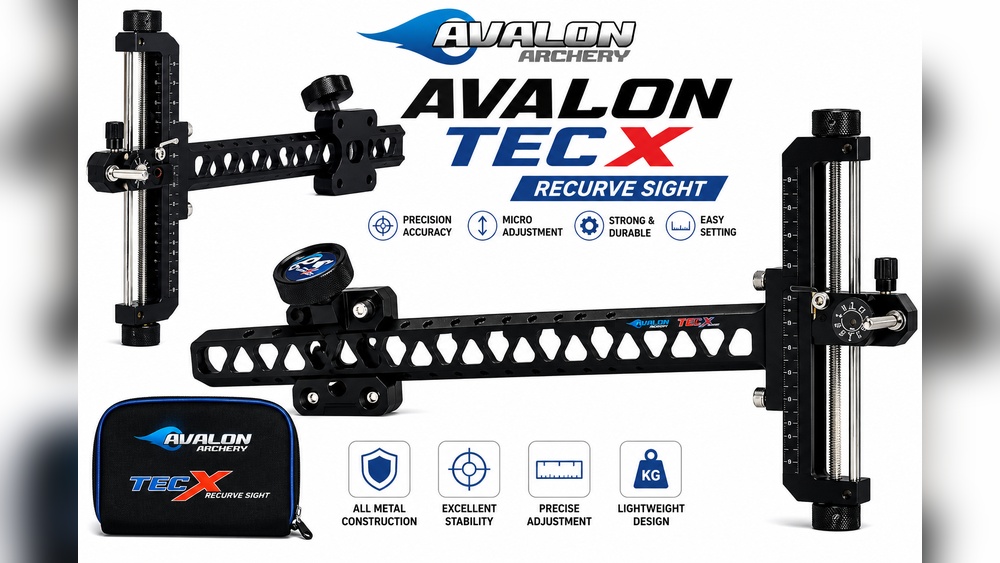
Olympic style archery uses a modern recurve bow with a range of accessories, sights, stabilizers, clickers, and more. The shooting distance is standardized (70 meters for the Olympics), and the focus is on consistency, accuracy, and repeatable technique. Olympic archers use scientific methods to improve performance, including video analysis and biomechanics.
Key Differences And Similarities
Here is a simple comparison to help visualize the main contrasts:
| Feature | Traditional Archery | Olympic Style |
|---|---|---|
| Bows | Longbow, bare recurve | Recurve with accessories |
| Aiming | Instinctive or gap shooting | Sights and clicker |
| Equipment | Minimal, natural materials | Advanced, synthetic materials |
| Shooting Distance | Varied, often shorter | 70 meters (standard) |
| Mindset | Connection, flow | Precision, control |
While their equipment and culture differ, both styles require focus, patience, and respect for the bow.

Credit: artemisarchery.se
Why Combine Traditional And Olympic Archery?
The idea of blending archery styles might seem strange at first. After all, many archers are loyal to their chosen tradition. However, there are real benefits to learning from both worlds:
- Improved Skills: Olympic techniques can make your traditional shooting more precise, while traditional methods can add flexibility and instinct to Olympic training.
- Greater Enjoyment: Switching styles can keep archery fresh and interesting, helping you avoid burnout.
- Versatility: Understanding both styles prepares you for different competitions, clubs, or outdoor adventures.
- Deeper Connection: You appreciate the history and modern science of archery, making you a well-rounded archer.
Pro Tip: Many top Olympic archers started with traditional bows in their childhood, learning the basics of form and focus before moving to advanced gear.
Key Elements To Blend: Equipment, Technique, And Mindset
Blending styles means more than just picking a bow. You need to think about your gear, how you shoot, and even how you think about archery.
Choosing The Right Bow
You don’t need to buy two separate bows to start mixing styles, but understanding the options helps.
- Recurve bows can be shot both ways. A bare recurve (no sight, no stabilizer) feels traditional, while adding accessories shifts it toward Olympic style.
- Longbows have a traditional feel but are harder to modify for Olympic shooting.
- Hybrid bows offer a balance: Some modern recurves look simple but accept sights and stabilizers if you want to experiment.
Blending styles often begins with a basic recurve bow. Some days I would shoot barebow, focusing on instinctive shots. Other days, I added a sight and practiced Olympic techniques. This flexibility kept my practice both fun and challenging.
Mixing Equipment
It’s possible to combine traditional and Olympic gear, but do it thoughtfully.
- Sights: Try a simple pin sight on a traditional recurve to add aiming precision without full Olympic setup.
- Stabilizers: A short stabilizer can help reduce hand shock but still keep the bow feeling traditional.
- Arrow rests: Use a basic stick-on rest, which works for both styles.
- Arrows: Wooden arrows feel traditional but are less consistent. Carbon or aluminum arrows are more accurate and durable.
Here’s a quick look at how some equipment choices compare:
| Accessory | Traditional Use | Olympic Use | Blend Option |
|---|---|---|---|
| Sight | None | Micro-adjustable sight | Simple pin sight |
| Arrow Rest | Shelf or simple rest | Plunger + rest | Basic stick-on rest |
| Stabilizer | None or short rod | Long rod, side rods | Short stabilizer |
| Arrows | Wood | Carbon/aluminum | Aluminum shafts |
Start simple and add new gear one piece at a time. This lets you feel the impact of each change.
Technique: The Heart Of Blending
Combining shooting techniques is where you will see the biggest benefits.
Stance And Posture
Olympic archers use a square or open stance, focusing on repeatable posture. Traditional archers may use a more relaxed stance. Try starting with an Olympic stance for consistency, then add a bit of natural movement from the traditional style to stay relaxed.
Drawing And Anchor Point
Olympic style demands a fixed anchor point under the chin, while traditional shooters may anchor at the mouth or cheek. Find a comfortable anchor point you can repeat every time. Some archers blend by using a mouth anchor but keeping their draw arm and posture strong and stable, like Olympic archers.
Aiming
Traditional archers often use instinctive aiming or gap shooting (judging the distance between the arrow tip and the target). Olympic shooters rely on a sight. You can mix by using gap shooting with a reference point, like the edge of your bow, while also practicing with a simple sight.
Release And Follow-through
Both styles benefit from a smooth release and steady follow-through. Olympic archers train for a relaxed, consistent release, which can improve any archer’s accuracy.
Breathing And Rhythm
Olympic archery puts great emphasis on breathing, exhaling as you release the arrow. Traditional archers often shoot with a natural rhythm. Practice breathing techniques from Olympic style, but keep the relaxed, in-the-moment feel of traditional shooting.
Mindset: Tradition Meets Science
Traditional archery encourages a flow state, shooting naturally, without overthinking. Olympic style is about control, analysis, and steady improvement. The best blend is to use Olympic-style training for building skills, but embrace the traditional focus on enjoying the process.
Some days, train with drills and record your scores. Other days, shoot for fun, focusing on feel and connection to the bow. Both approaches add value to your archery journey.

Credit: beasafehunter.org
Step-by-step: How To Start Blending The Styles
Ready to try mixing traditional and Olympic archery? Follow these practical steps.
- Assess Your Current Style: Are you more traditional or Olympic? Write down your current equipment and technique.
- Set Clear Goals: Do you want more accuracy, or a deeper connection to archery’s roots? Your goal will shape your training.
- Experiment with Equipment: Try adding or removing one accessory at a time. For example, shoot your recurve with and without a sight.
- Practice Different Techniques: Spend a week focusing on Olympic form (stance, anchor, release), then a week shooting instinctively.
- Record Your Results: Keep a notebook with scores, feelings, and any changes you notice.
- Join Both Communities: Attend traditional and Olympic archery events. Ask questions, watch others, and learn from both.
- Stay Open-Minded: There is no “right” way to blend styles. Adjust your approach based on what feels best and gives you the results you want.
Example: When I tested a traditional recurve with a simple sight and aluminum arrows, my groups tightened up without losing the feeling of traditional archery. It took a few sessions to adjust, but the improvement in accuracy was clear.
Training Tips: Bringing Out The Best Of Both Worlds
Developing a hybrid style takes patience and curiosity. These tips will help you avoid common mistakes and get the most from your practice.
Embrace Drills From Both Styles
Olympic archers use specific drills, like blank bale shooting (shooting at a target up close to focus on form). Traditional archers often shoot at unknown distances, improving their instinctive aim. Mix both: use blank bale drills to refine your release, then shoot at varying distances to build instinct.
Focus On Consistency Before Complexity
It can be tempting to add many new accessories or techniques at once. But consistency is key. Master your basic form before changing equipment or trying new aiming methods.
Use Video Feedback
Recording your shots can reveal habits you didn’t notice. Olympic teams use video analysis to perfect their form. Even a simple phone video can help you spot posture issues or inconsistent anchors.
Train Your Mindset
Olympic archers practice visualization and mental routines. Traditional archers often rely on meditation or quiet focus. Try both: before a session, take a minute to breathe and picture your perfect shot.
Avoid Over-analyzing
One common mistake is thinking too much. If you switch styles often, your brain can get stuck in analysis mode. Remember to enjoy the process and trust your instincts.

Credit: adventuresarchery.com
Common Challenges And How To Overcome Them
Mixing traditional and Olympic archery isn’t always smooth. Here are a few challenges you might face, and ways to solve them.
Equipment Compatibility
Some bows don’t accept sights or stabilizers. If you shoot a true longbow, adding Olympic accessories isn’t practical. In this case, focus on blending techniques, not gear.
Confusion Over Technique
Switching anchor points or aiming methods too often can make your form inconsistent. Stick with one main anchor point for a few months before trying another.
Community Bias
Some archery clubs are strict about styles. You might hear, “That’s not real traditional archery,” or, “Why shoot barebow when you have a sight? ” Stand by your approach and explain your reasons calmly.
Progress Plateaus
If you stop improving, try focusing on one aspect at a time. For example, spend two weeks only on release, then two weeks on aiming. Mixing too much at once can slow your progress.
Benefits You’ll Notice When Blending Styles
If you commit to blending traditional and Olympic archery, you’ll see unique benefits:
- Better Accuracy: Using Olympic form and aiming methods can make even basic bows more accurate.
- Stronger Connection: Traditional shooting reminds you why archery is fun and meaningful.
- Adaptability: You’ll be comfortable shooting any bow, at any distance, in any setting.
- Improved Focus: Mixing mental routines from both styles sharpens your mind.
- Long-Term Enjoyment: Changing styles keeps practice interesting, reducing the chance of boredom.
Real-world Examples: Archers Who Combine Styles
Many successful archers have found value in blending traditional and Olympic methods.
- Olympic medalists like Brady Ellison often train with barebows to improve their form and mental focus.
- Traditional archers sometimes use modern arrows or simple sights to boost their scores in field competitions.
- Archery instructors recommend that students try both styles to find what works best for their body and mind.
For more insights into archery’s evolution, the World Archery Federation offers updates on both traditional and Olympic events: World Archery.
How To Measure Your Progress
Tracking your improvement is key to staying motivated. Here’s a simple system:
- Keep a Practice Log: Write down your session goals, what equipment you used, and your results.
- Score Your Groups: Note the size of your arrow groupings at various distances. Smaller groups mean better consistency.
- Reflect on Feelings: Did you feel more relaxed shooting traditional style? More focused with Olympic technique?
- Set Short-Term Challenges: For example, “Hit the gold 5 times in a row with barebow” or “Score 250/300 at 30 meters with a sight.”
- Review Each Month: Look for trends. Are you improving in both styles? Is one helping the other?
Here is a comparison of common progress markers:
| Progress Marker | Traditional Focus | Olympic Focus | Blended Approach |
|---|---|---|---|
| Arrow Group Size | Improves with instinctive practice | Improves with sight and form | Best results when both are trained |
| Mental State | Relaxed, in-the-moment | Focused, analytical | Calm but attentive |
| Scoring Consistency | Varies with distance | Stable at set distance | Adaptable at all ranges |